IPC-4552.pdf - 第12页
IPC-4552 Proposal June 2001 ENIG is an electroless nickel layer cappe d with a thin layer of immersion gold. It is a multifunctional surface finish, applicable to soldering, alum inum wi re bonding, press fit connections…

IPC-4552 Proposal June 2001
KeV to avoid copper interference and use a numerical filtering technique to remove overlap from the Br.
Measurement time
Measurement time affects the accuracy of the calibration and the precision of the subsequent measurements. For
high levels of accuracy, the instrument should be calibrated using long calibration measurement times, typically 60-
seconds lifetime.
Precision of measurement results can be determined by measuring one location on a sample or standard many times
in succession. The standard deviation of a set of measurements decreases (the precision improves) as a function of
the square root of the measurement time, so that a 40 second measurement will typically have ½ the standard
deviation (be twice as precise) as a 10 second measurement.
APPENDIX 5
Standard Developments Efforts of Electroless Nickel
Immersion Gold IPC-4552
George Milad Shipley Ronal
Gerard O’Brien Photocircuits
Introduction:
Electroless nickel/Immersion gold (ENIG) has been in use in the industry since the early 1990s. As the product gets
more sophisticated with finer pitch, smaller features and thinner substrates, Hot Air Solder Leveling (HASL) was
quickly reaching its limitations. ENIG offered greater latitude over HASL, and continues to gain market share with
product evolution.
ENIG is now widely accepted as a solderable surface with superior and shelf life. The ENIG finish has excellent
contact surface resistance properties and is wire bondable. ENIG is also easy to inspect, it indirectly strengthens the
plated through hole and is lead free.
In spite of a few bumps along the road ENIG continues to gain market share at the expense of other HASL
alternatives. The primary defect that was associated with ENIG was the occasional but rare occurrence of “Black
Pad”. Black pad gained its name from the fact that when the defect was encountered it manifested itself in solder
joint failure at the nickel/solder interface. The surface of the nickel at the interface looked darker or black. A series
of studies were published on the cause of the Black pad. The general understanding to date is that it is the result of
excessive corrosion of the nickel surface during the immersion gold deposition step. The problem is contained
through good process control to achieve corrosion resistant nickel morphology and through minimizing the
corrosion/dwell time in the gold bath.
As time went by, an industry consensus was evolving, defining the required thickness for Nickel and for Gold.
However in the absence of set guidelines some outliners were occasionally called out. Requests for thicker gold (in
excess of 5µin) from an immersion process is both impractical and a source of potential problems. The need to
understand and define this process for the industry became very timely.
The IPC Plating Subcommittee 4-14 took on the task of creating an IPC specification that could be called out by
designers, manufacturers and buyers [Original Equipment Manufacturer (OEM) and assembler or Electronic
Manufacturing Services (EMS)]. The project attracted participation from a representative cross section of the
industry. The active members were compromised of OEMs, CEMs, board manufacturers, chemical suppliers and
others.
The first order of business was to define the process and set the scope of the specification. There was a lot of
agreement on that.
Process definition:
Page 9 of 10
Download From http://bbs.infoeach.com
Download From http://bbs.infoeach.com

IPC-4552 Proposal June 2001
ENIG is an electroless nickel layer capped with a thin layer of immersion gold. It is a multifunctional surface finish,
applicable to soldering, aluminum wire bonding, press fit connections, and as a contact surface. The immersion
gold’s primary function is to protect the underlying nickel from oxidation/passivation so that it retains its integrity
for its intended use.
Industry Survey:
As a starting point for this specification the members of the committee were asked to submit typical values of ENIG
thickness, that they either recommended (supplier) or that, they were requested to supply by their customers. The
purpose was to find out what thickness of nickel and of gold were called out by designers and what board shops
were delivering, as well as what chemical suppliers were saying are the capabilities of their respective processes.
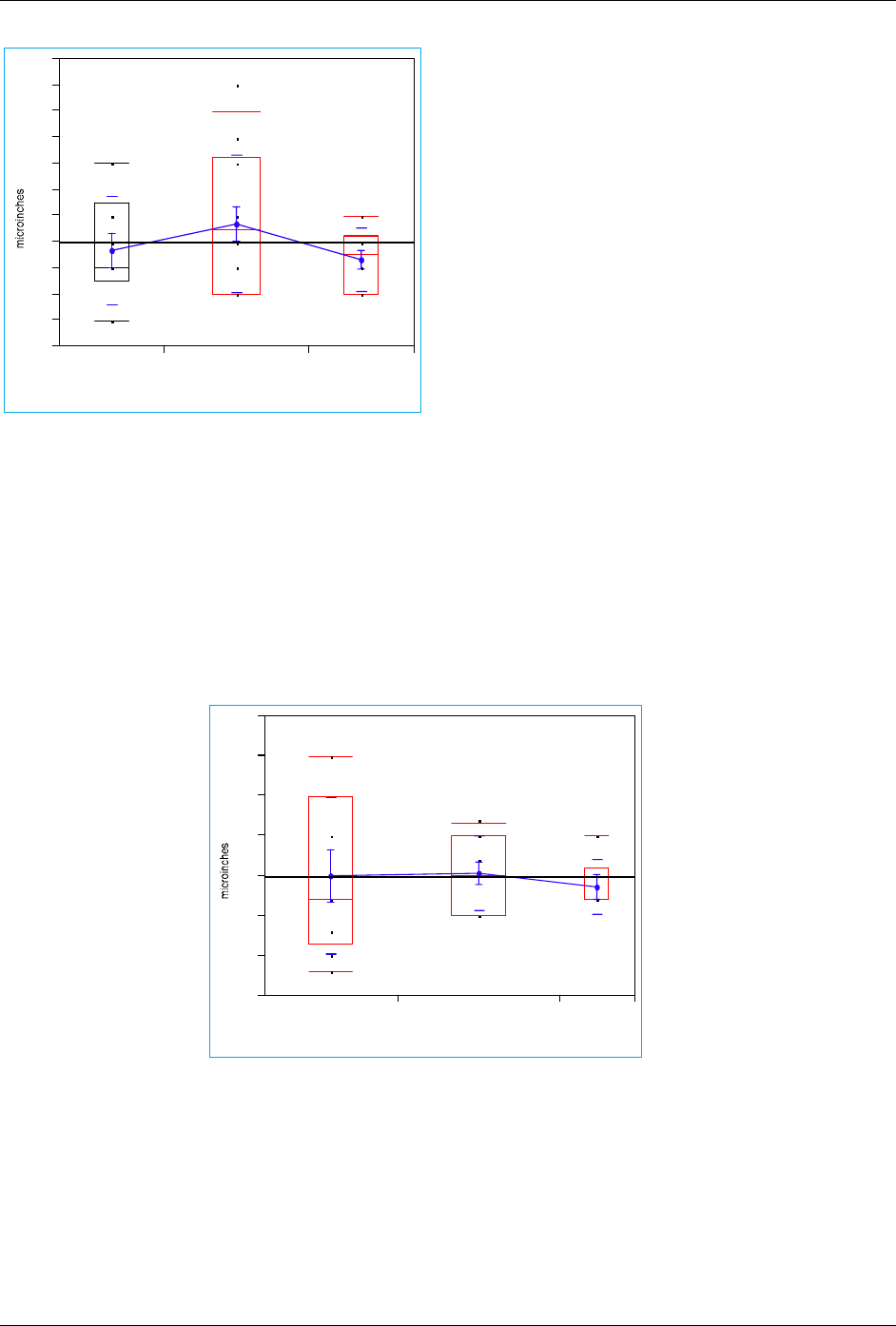
Figure 1 and 2 show the results of this survey.
Page 10 of 10
Download From http://bbs.infoeach.com
Download From http://bbs.infoeach.com
IPC-4552 Proposal June 2001
0
1
2
3
4
5
6
7
8
9
10
11
OEM PWB manf chem sup
p
group
Means and Std Deviations
Level Number Mean Std Dev Std Err Mean
OEM 10 3.70000 2.11082 0.66750
PWB manf 14 4.71429 2.64367 0.70655
chem supplier 10 3.30000 1.25167 0.395
Fig 1: results from Gold thickness survey of 4552 members
0
50
100
150
200
250
300
350
OEM PWB manf chem su
p
group
Means and Std Deviations
Level Number Mean Std Dev Std Err Mean
OEM 9 150.000 99.1211 33.040
PWB manf 11 153.636 47.5968 14.351
chem supplier 5 136.000 35.7771 16.000
Fig 2: results from nickel thickness survey of 4552 members
Page 11 of 10
Download From http://bbs.infoeach.com
Download From http://bbs.infoeach.com