00191134-03.pdf - 第150页
GEM for SIPLACE V5.01 Page 150 of 252 ©Siemens AG, all rights reserved 6SRROLQJ For all of the s pooling scenarios , spooling is m eaningful only when Control State (CONT ROL STAT E = 4 or 5) is "On-Line".…
GEM for SIPLACE V5.01
©Siemens AG, all rights reserved page 149 of 252
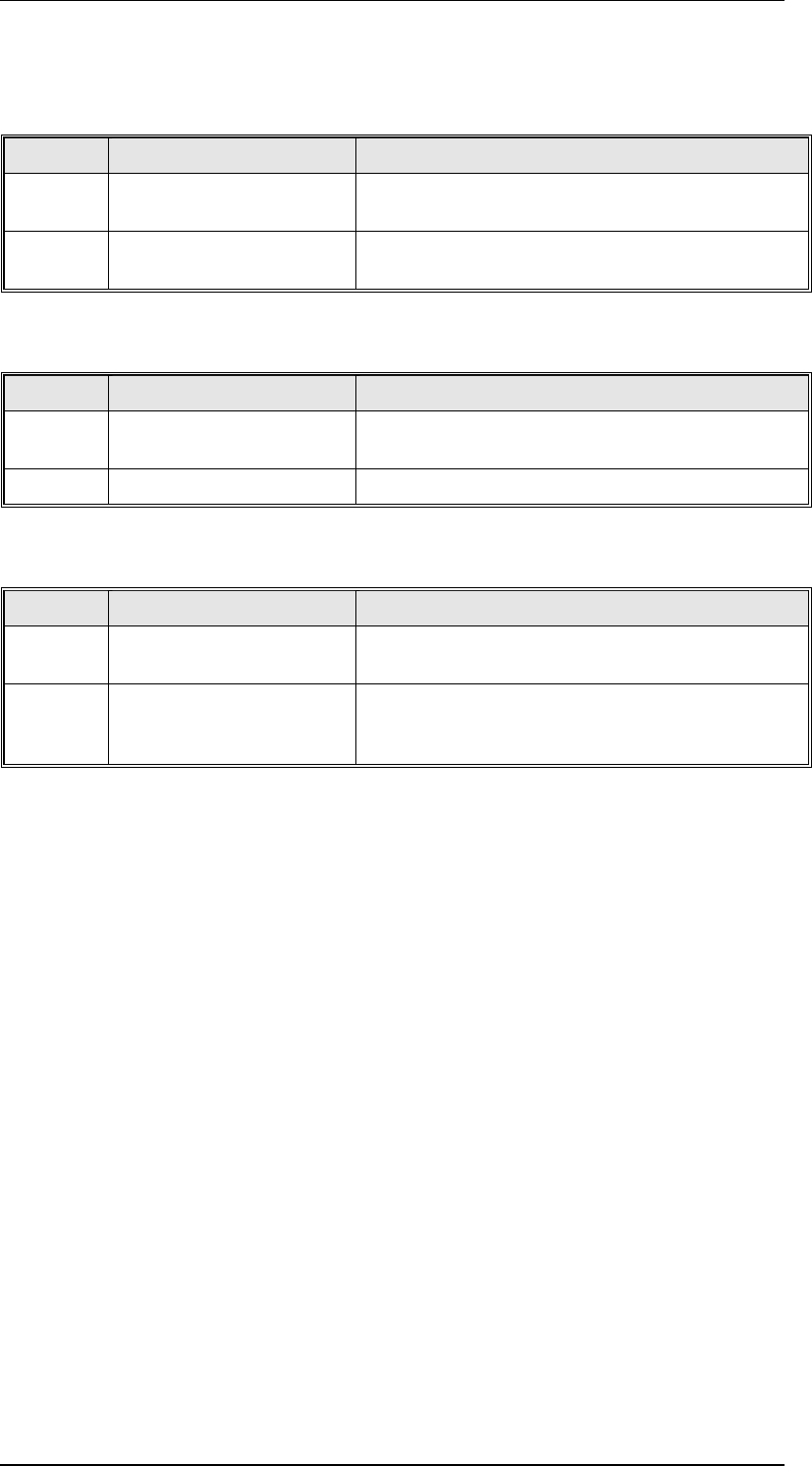
&ORFN
+RVW6HWV'DWHDQG7LPH
Step SECS Message Description
1. H -> E S2F31 W Date and Time Send. The Host sends a new
Date and Time to the Equipment.
2. H <- E S2F32 The Equipment sets its Clock/Calendar
hardware and acknowledges the command.
+RVW5HTXHVWV'DWHDQG7LPH
Step SECS Message Description
1. H -> E S2F17 W Date and Time Request. The Host requests
Date and Time from the Equipment.
2. H <- E S2F18 The Equipment sends its Date and Time.
(TXLSPHQW5HTXHVWV'DWHDQG7LPH
Step SECS Message Description
1. H <- E S2F17 W Date and Time Request. The Equipment
requests Date and Time from the Host.
2. H -> E S2F18 The Host sends its Date and Time. The
Equipment sets its Clock/Calendar hardware
according to the contents of this message.
GEM for SIPLACE V5.01
Page 150 of 252 ©Siemens AG, all rights reserved
6SRROLQJ
For all of the spooling scenarios, spooling is meaningful only when Control State
(CONTROLSTATE = 4 or 5) is "On-Line". When CONTROLSTATE is "Off-Line"
(CONTROLSTATE = 1, 2, or 3), Equipment sends only stream one primaries and SQF0
secondaries, neither of which are eligible for spooling.
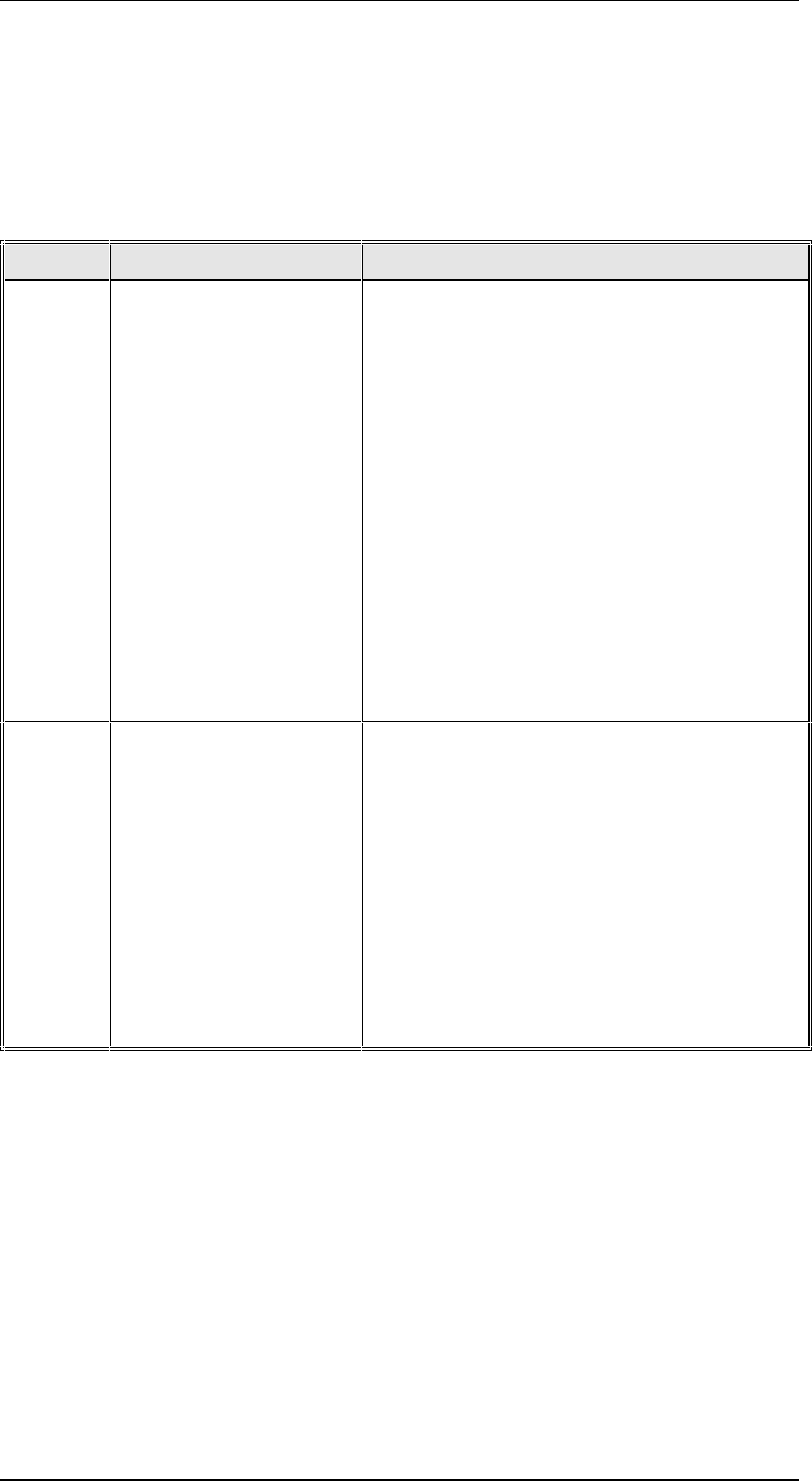
+RVW(QDEOHV6SRROLQJRI0HVVDJHV
Step SECS Message Description
1. H -> E S2F43 W Host requests that messages be eligible for
spooling using the following message:
S2F43 W * H -> E
<L
<L [2]
<U1 STRID> * Msg Stream
<L
<U1 FCNID> * Msg Fcn
...
>
...
> .
2. H <- E S2F44 The Equipment enables spooling for the
messages requested by the Host. Response
has RSPACK set to zero as follows:
S2F44
<L [2]
<B [1] 00> * RSPACK
<L>
> .
GEM for SIPLACE V5.01
©Siemens AG, all rights reserved page 151 of 252
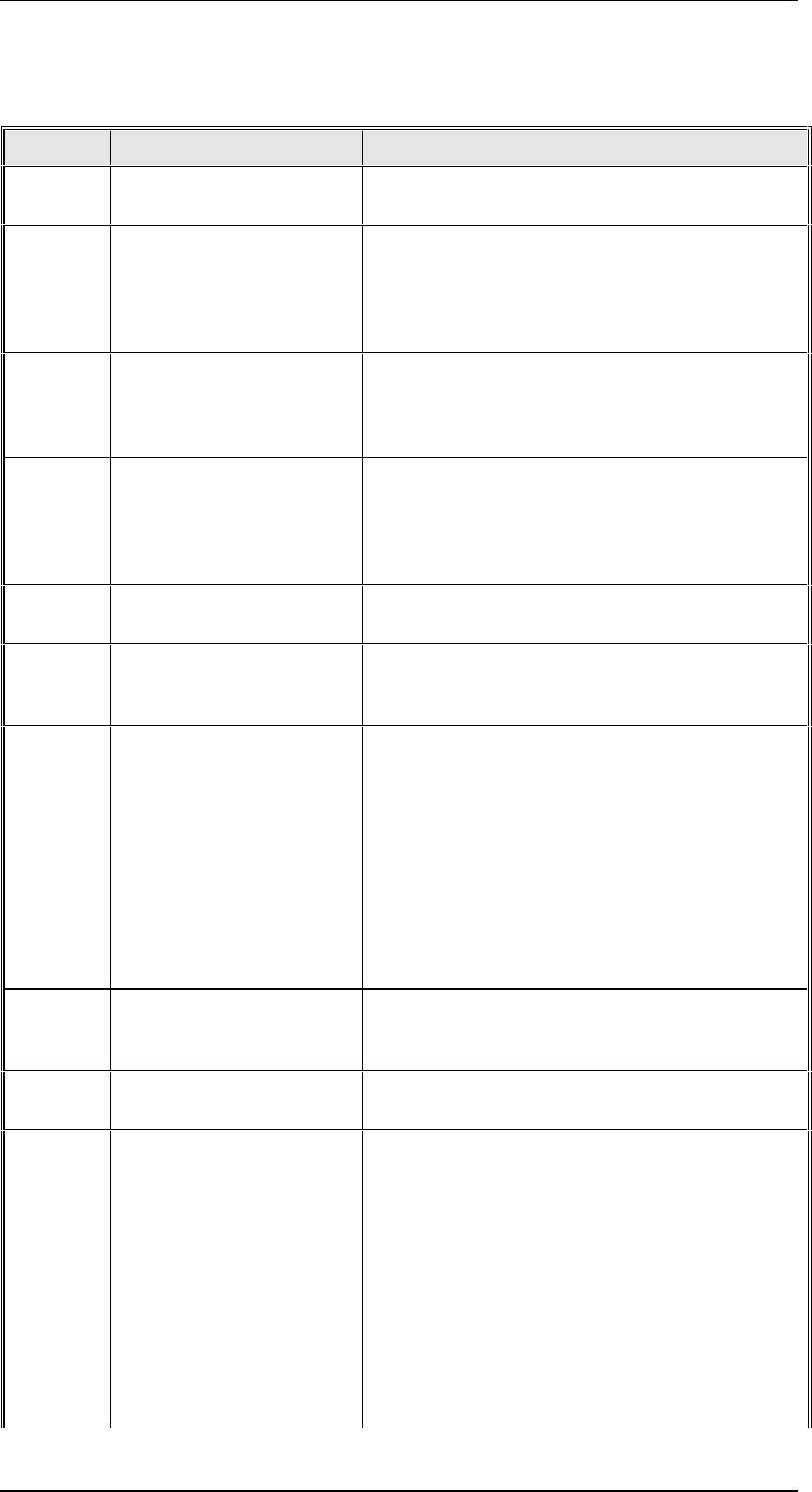
0HVVDJHV6SRROHGDQG7UDQVPLWWHG
Assumption: Spool State is "Spool Inactive".
Step SECS Message Description
1. H <- E SnFn Equipment attempts to send any message to
the Host.
2. After failure to deliver message, the Equipment
assumes that the link is down, and will start to
spool all messages marked for spooling. The
first message spooled is the collection event
“SpoolActivated“.
3. H <- E S1F13 W Equipment attempts to establish
communications. This message will repeat
every „EstablishCommunicationsTimer“
seconds until successful.
4. H -> E S1F14 Communications established.
Communications state transits to
„Communicating“. If COMMACK is not zero,
communications are not established and
scenario proceeds at step 3.
5. H -> E S6F23 W Host requests that Equipment begin despooling
messages. RSDC is zero in this message.
6. H <- E S6F24 Equipment indicates that it will start to send
spooled messages with return code RSDA =
0x00.
7. Equipment will start to despool messages.
This process is single-threaded. That is, when
Equipment sends a de-spooled message with
the W-bit set to „1“, Equipment must be receive
the Host reply before the Equipment will send
next despooled message. If EC
„MaxSpoolTransmit“ is zero, all messages will
be transmitted. If it is set to another number,
this number of messages will be sent. The
Equipment will await the next S6F23 to send
the next messages.
8. H <- E S6F11 W The Equipment signals CEID
GemSpoolActivated. This was the first
message in the spool if it was not over-written.
9. H -> E S6F12 Host acknowledges the start of the spool
transfer.
10. Equipment will de-spool messages one at a
time from oldest to youngest until one of the
following criteria is met: 1) All messages have
been transmitted (go to step 13); or 2) When
„MaxSpoolTransmit“ is not zero, and the
messages transmitted has reached
MaxSpoolTransmit limit (go to step 11).
Some spooled messages (usually multi-block)
consist of a SECS conversation of type
„Inquire, Grant, Send, Acknowledge“. During
de-spool, if the Host rejects the Inquire, the