QLF08_LaBel.pdf - 第12页
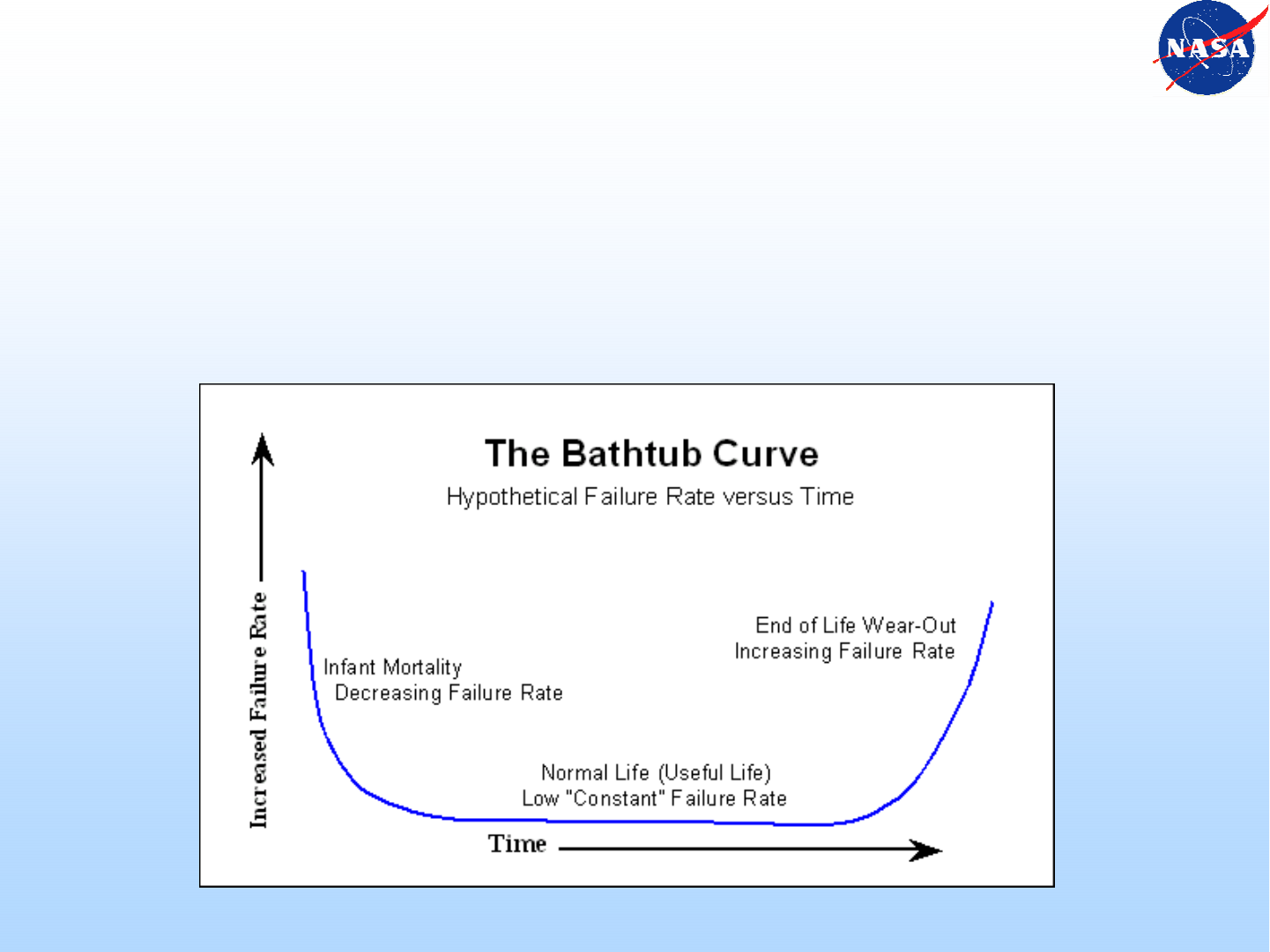
IC and Component Selection for Space Sy stems – Presented by Kenneth A . LaBel 12 Reliability “versus” Radiation: Basic Electronics Reliability • Reliability of electronics is viewed traditionally using a “bathtub” curve…
IC and Component Selection for Space Systems – Presented by Kenneth A. LaBel
11
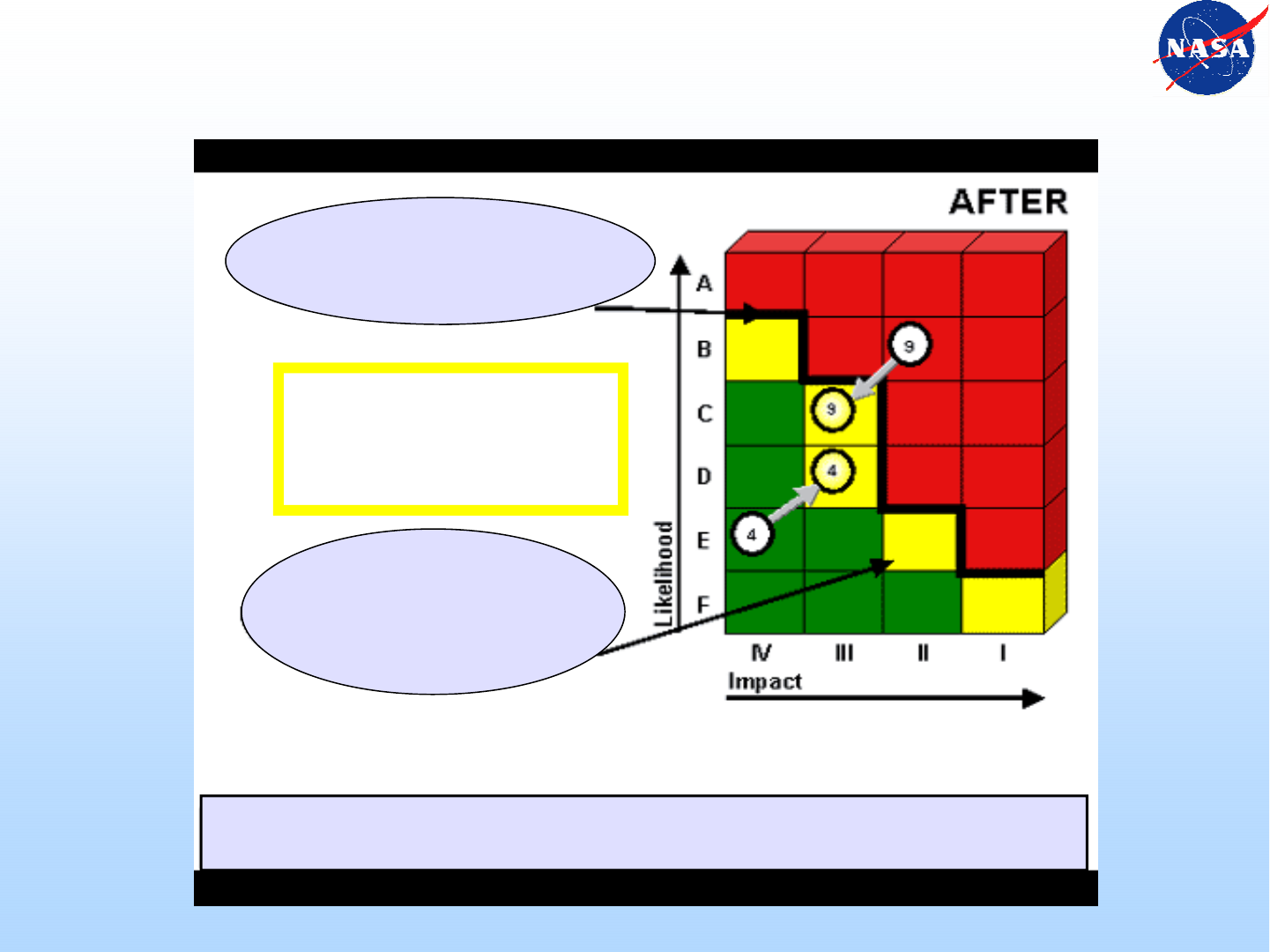
Traditional Risk Matrix
Risk Tolerance Boundary
Placed on the profile to reflect
Corporate “Risk Appetite”
Caution Zone
Risks in the “yellow” area
need constant vigilance
and regular audit
By adjust the level of
currency hedging, resources
can be released to help fund
improvements to protection of
the production facility.
Likelihood Scale: A: Very High B: High C: Occasional D: Low E: Very Low F: Almost Impossible
Impact Scale: I: Catastrophic II: Critical III: Significant IV: Marginal
IC and Component Selection for Space Systems – Presented by Kenneth A. LaBel
12
Reliability “versus” Radiation:
Basic Electronics Reliability
• Reliability of electronics is viewed traditionally using a
“bathtub” curve view of mean time to failure (MTTF)
– This looks at both intrinsic (wearout) and extrinsic (infant
mortality) failure modes
Source: http://www.weibull.com/hotwire/issue21/hottopics21.htm
IC and Component Selection for Space Systems – Presented by Kenneth A. LaBel
13
Radiation Effects and Reliability
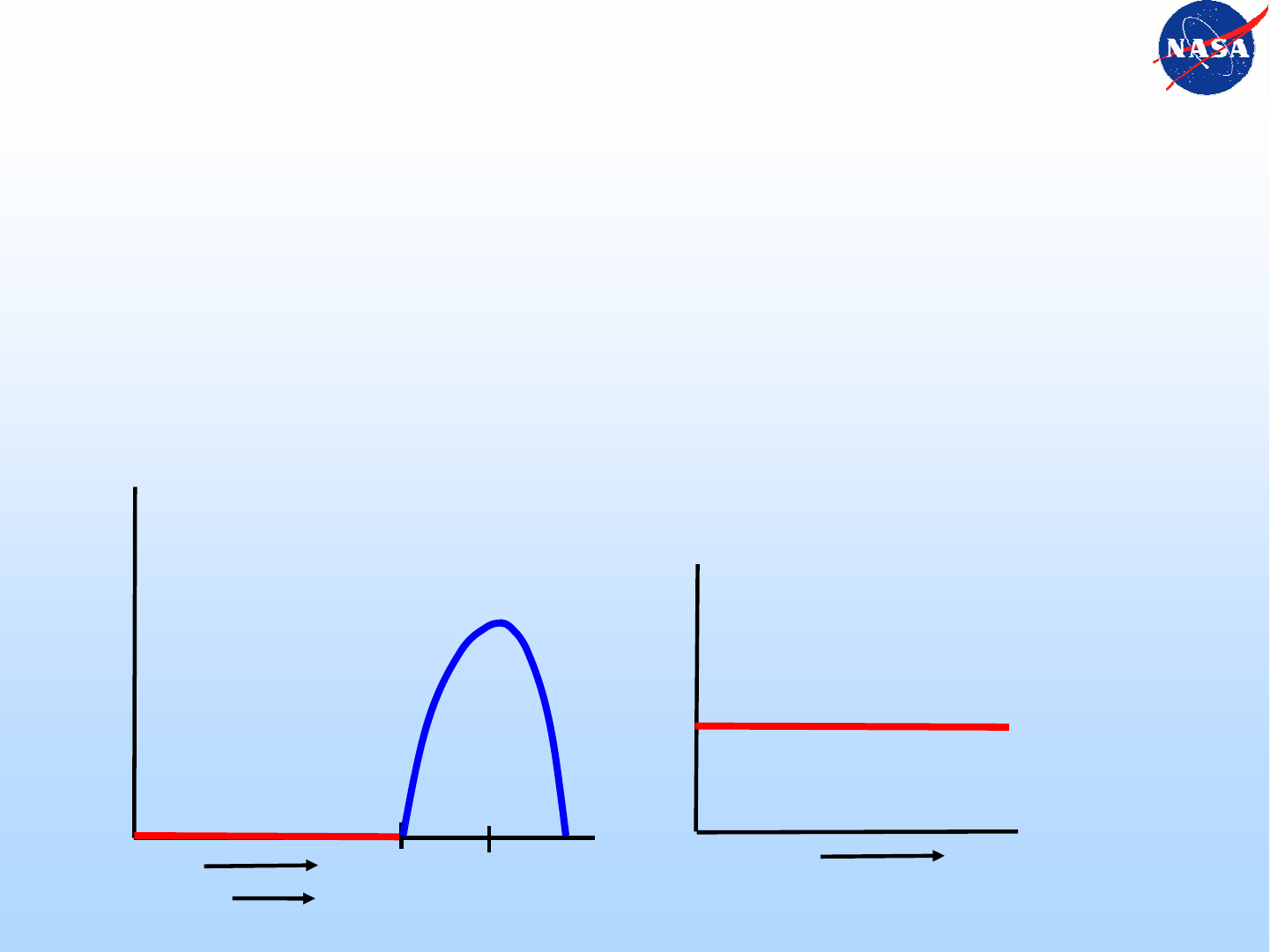
• Radiation reliability is viewed differently than a
normal reliability (bathtub) consideration
– It is a mix of a MTTF (or Time to First Failure - TTFF)
condition known as Total Ionizing Dose (TID) or
Displacement Damage (DD) and a Mean Time Between
Failures (MTBF) condition known as Single Event
Effects (SEE).
Time
Increasing failure rate
Dose
Normal
Distribution of
Failures
TTFF
MTTF
TID
Time
Increasing failure rate
Random
Distribution of
Failures
SEE
Spikes in SEE rates
can occur based on
position in orbit
and solar event