QLF08_LaBel.pdf - 第21页
IC and Component Selection for Space Sy stems – Presented by Kenneth A . LaBel 21 Is T esting Always Required? • Exceptions for testing may include – Operational • Ex., The device is only powered on once per orbit and th…
IC and Component Selection for Space Systems – Presented by Kenneth A. LaBel
20
IC’s with no Guarantee or Heritage
• Radiation testing is required in
the vast majority of cases
– Testing complexities and
challenges are discussed
elsewhere (e.g., Swift during this
short course, LaBel during the
conference)
– The true challenge is to gather
sufficient data in a cost and
schedule effective manner.
• A backup plan should be made in
case device fails to pass radiation
criteria.
• Reliability testing has similar
concerns
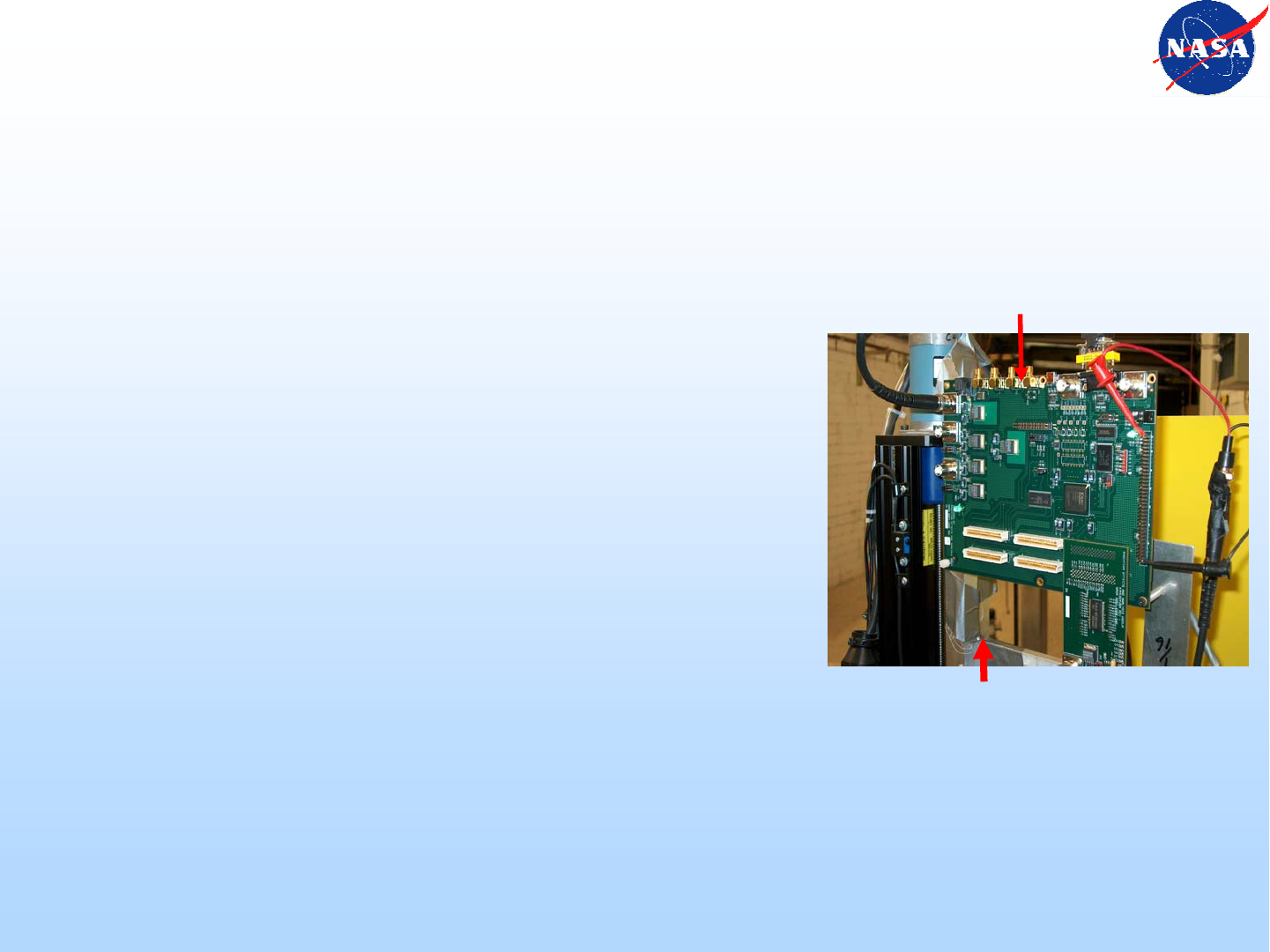
FPGA-based motherboard
SDRAM mounted on a daughtercard
“Abandon all hope, ye’ who enter here”
IC and Component Selection for Space Systems – Presented by Kenneth A. LaBel
21
Is Testing Always Required?
• Exceptions for testing may include
– Operational
• Ex., The device is only powered on once per orbit and the
sensitive time window for a single event effect is minimal
– Acceptable data loss
• Ex., System level error rate may be set such that data is
gathered 95% of the time. This is data availability. Given
physical device volume and assuming every ion causes
an upset, this worst-case rate may be tractable.
– Negligible effect
• Ex., A 2 week mission on a shuttle may have a very low
TID requirement. TID testing could be waived.
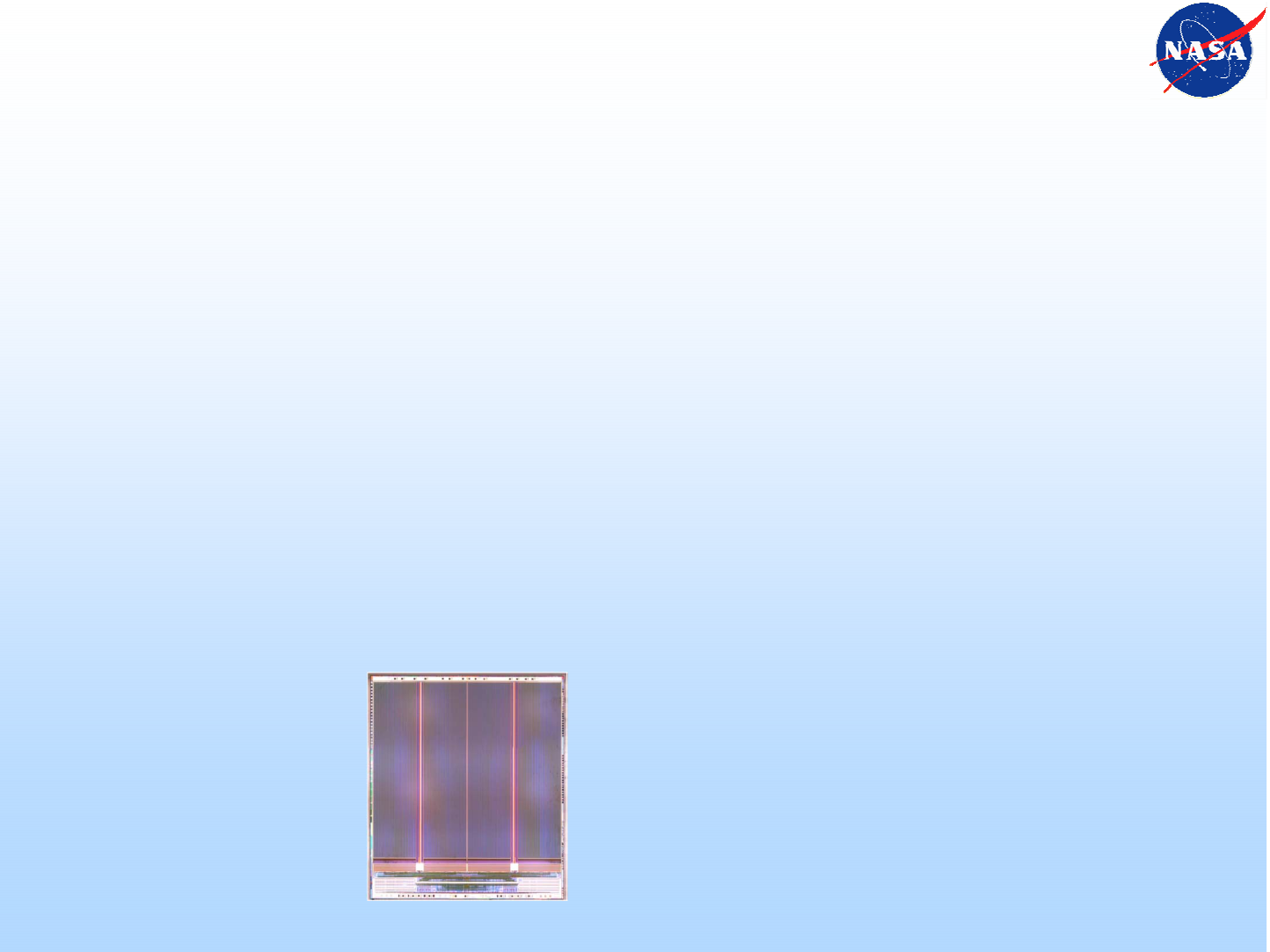
A FLASH memory may be acceptable
without testing if a low TID
requirement exists or not powered on
for the large majority of time.

IC and Component Selection for Space Systems – Presented by Kenneth A. LaBel
22
Understanding Risk
• Risk for a mission falls in to the same topic areas as parts
selection
– Technical, programmatic, and reliability
• Technical risks
– Relate to the circuit designs not being able to meet mission
criteria such as jitter related to a long dwell time of a telescope
on an object
• Programmatic risks
– Relate to a mission missing a launch window or exceeding a
budgetary cost cap which can lead to mission cancellation
• Reliability risks
– Relate to mission meeting its lifetime and performance goals
without premature failures or unexpected anomalies
• Each mission must determine its priorities among the three
risk types