QLF08_LaBel.pdf - 第8页
IC and Component Selection for Space Sy stems – Presented by Kenneth A . LaBel 8 Programmatic Requirements and Considerations • Rationale – T rying to keep a program on schedule and within budget • Personnel involved – P…
IC and Component Selection for Space Systems – Presented by Kenneth A. LaBel
7
Performance Requirements
• Rationale
– Trying to meet science, surveillance, or
other performance requirements
• Personnel involved
– Electrical designer, systems engineer,
other engineers
• Usual method of requirements
– Flowdown from science or similar
requirements to implementation
• I.e., ADC resolution or speed, data
storage size, etc…
• Buzzwords
– MIPS/watt, Gbytes/cm
3
, resolution,
MHz/GHz, reprogrammable
• Limiting technical factors beyond
electrical
– Size, weight, and power (SWaP)
Performance
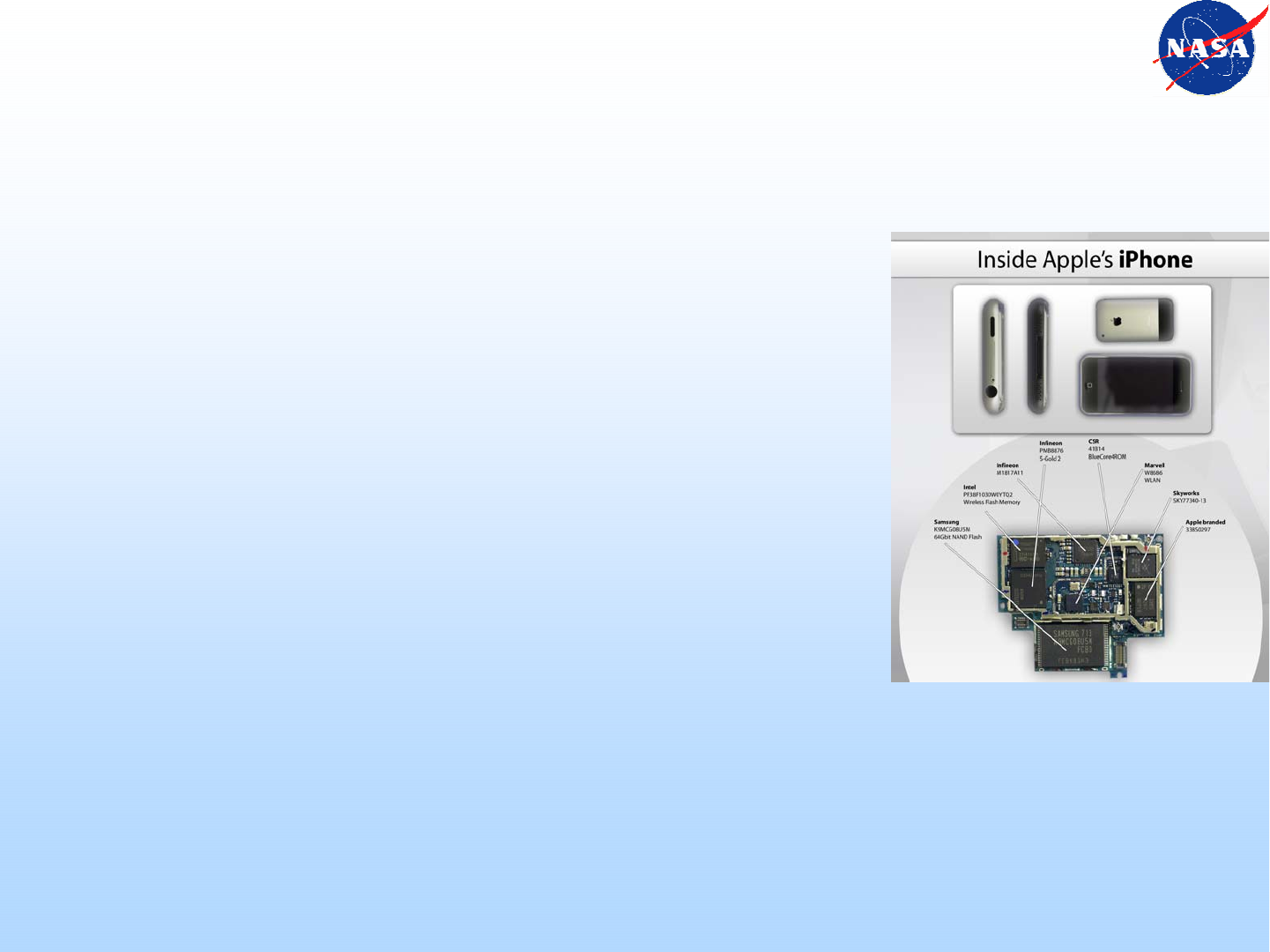
Inside a Apple
iPhone™ player
IC and Component Selection for Space Systems – Presented by Kenneth A. LaBel
8
Programmatic Requirements and
Considerations
• Rationale
– Trying to keep a program on schedule
and within budget
• Personnel involved
– Project manager, resource analyst,
system scheduler
• Usual method of requirements
– Flowdown from parent organization
or mission goals for budget/schedule
• I.e., Launch date
• Buzzwords
– Cost cap, GANTT/PERT chart, risk
matrix, contingency
• Limiting factors
– Parent organization makes final
decision
Programmatics
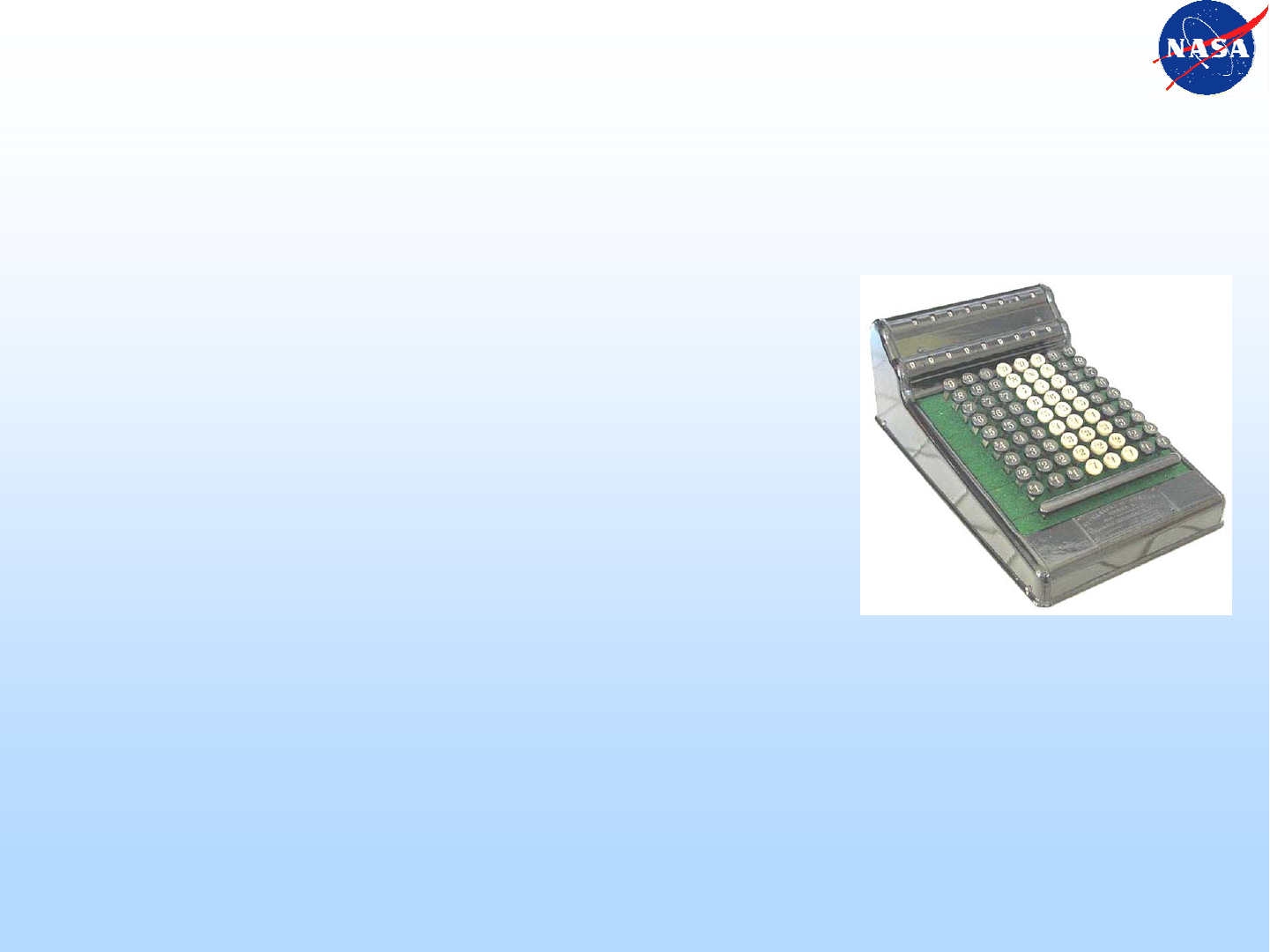
A numbers game
IC and Component Selection for Space Systems – Presented by Kenneth A. LaBel
9
Risk Requirements
• Rationale
– Trying to ensure mission parameters such as reliability,
availability, operate-through, and lifetime are met
• Personnel involved
– Radiation engineer, reliability engineer, parts engineer
• Usual method of requirements
– Flowdown from mission requirements for parameter space
• I.e., SEU rate for system derived from system availability specification
• Buzzwords
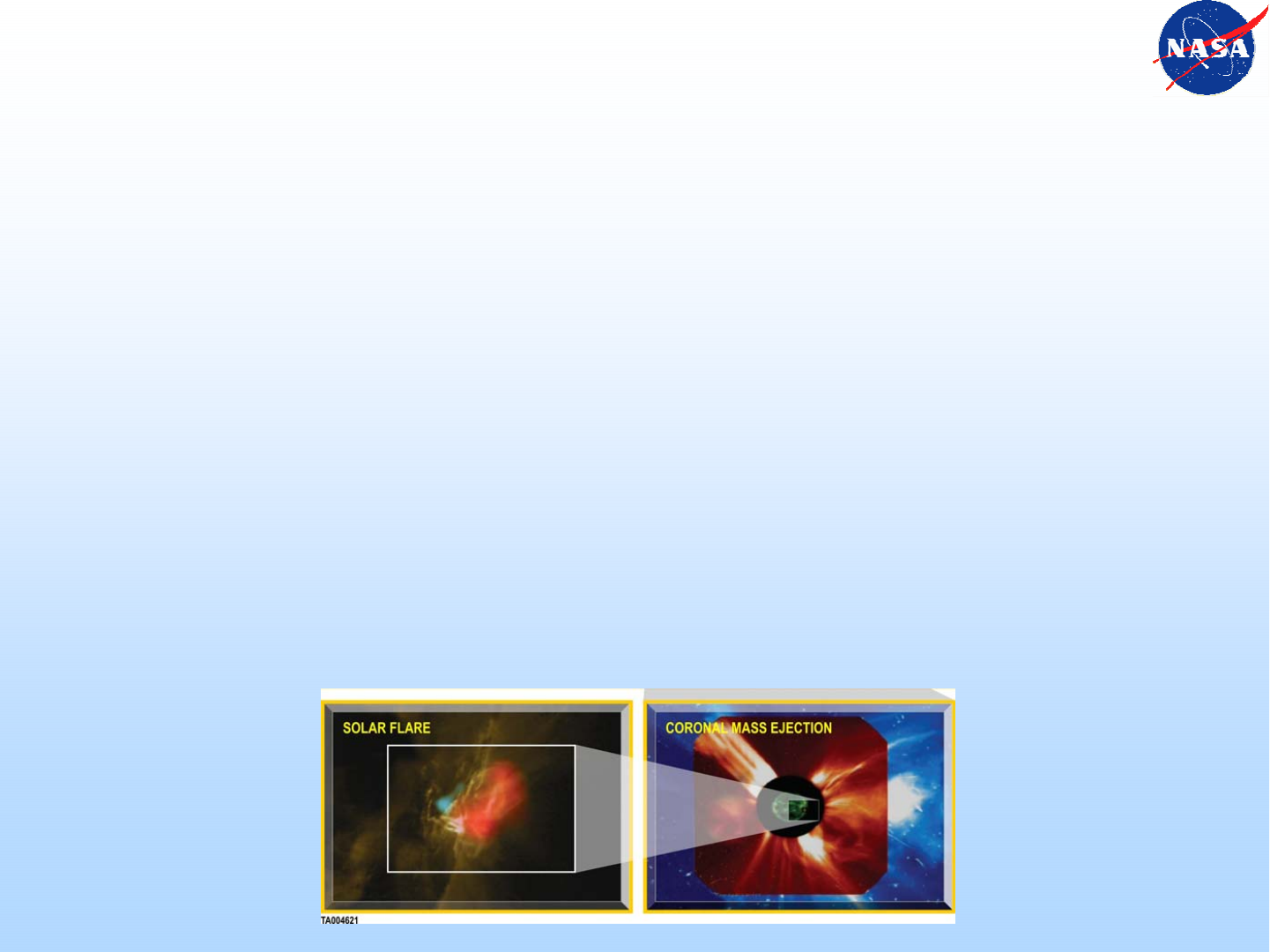
– Lifetime, total dose, single events, device screening, “waivers”
• Limiting factors
– Management normally makes “acceptable” risk decision