00193688-04.pdf - 第83页
Ins t a llat ion and Con figu rat i on Guid e S IPLA CE Ex plo rer 4 Co nfig ura t i on Edi tio n 12/200 5 EN 4.1 St an dar d Mo ni to rin g A pp lica tio n (SM A) 83 – Step 3- Configure Database → S t ep 3 t a kes your …
4 Configuration Installation and Configuration Guide SIPLACE Explorer
4.1 Standard Monitoring Application (SMA) Edition 12/2005 EN
82
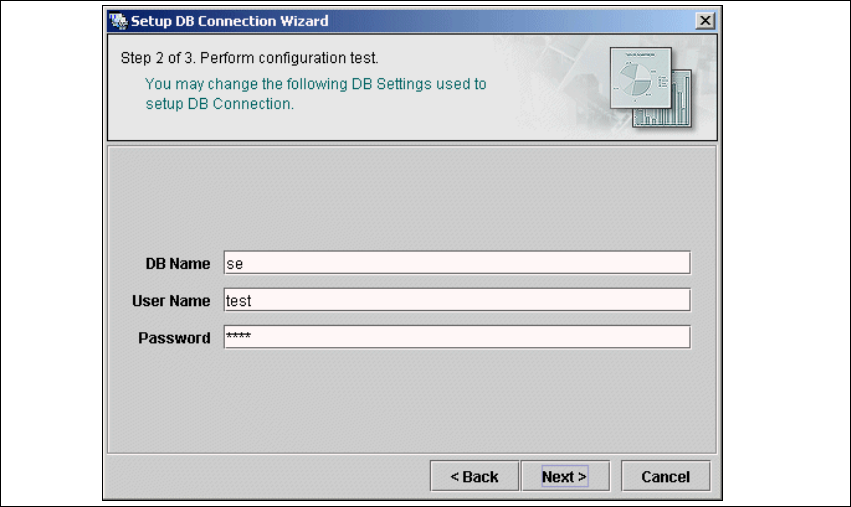
– Step 2 - Perform Configuration Test
→ At Step 2 you can change your settings. This is also where you define the name of the SE
system database for the line and where you specify the user (and password) who is to have
access to this database.
4
Fig. 4 - 13 Step 2- database connection wizard
→ Once you have made and checked all entries, click on Next to continue.
Installation and Configuration Guide SIPLACE Explorer 4 Configuration
Edition 12/2005 EN 4.1 Standard Monitoring Application (SMA)
83
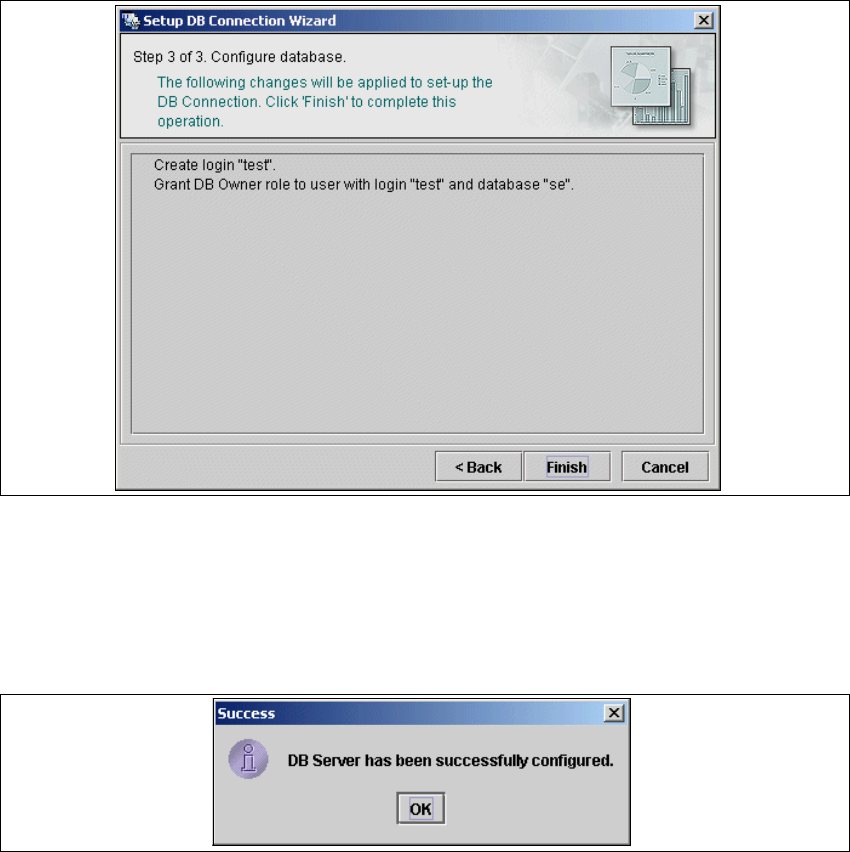
– Step 3- Configure Database
→ Step 3 takes your modifications from Step 2 and uses them to configure the database
connection.
4
Fig. 4 - 14 Step 3- database connection wizard
→ Click on Finish and the wizard will carry out the required configuration. The DB settings
have now been correctly specified for your project and the database and set user will be
created.
→ You will receive a success message.
4
Fig. 4 - 15 Step 3- database connection wizard
→ Click OK. Continue with Step 5 - Configure System Database.
→ After creating the database connection, define the maintenance for the system database with
the
Maintenance button.
4 Configuration Installation and Configuration Guide SIPLACE Explorer
4.1 Standard Monitoring Application (SMA) Edition 12/2005 EN
84
NOTE
Please note, that to start or edit a DB maintenance schedule, the user must have
administrator privileges for the database and the database connection must already be
established. 4
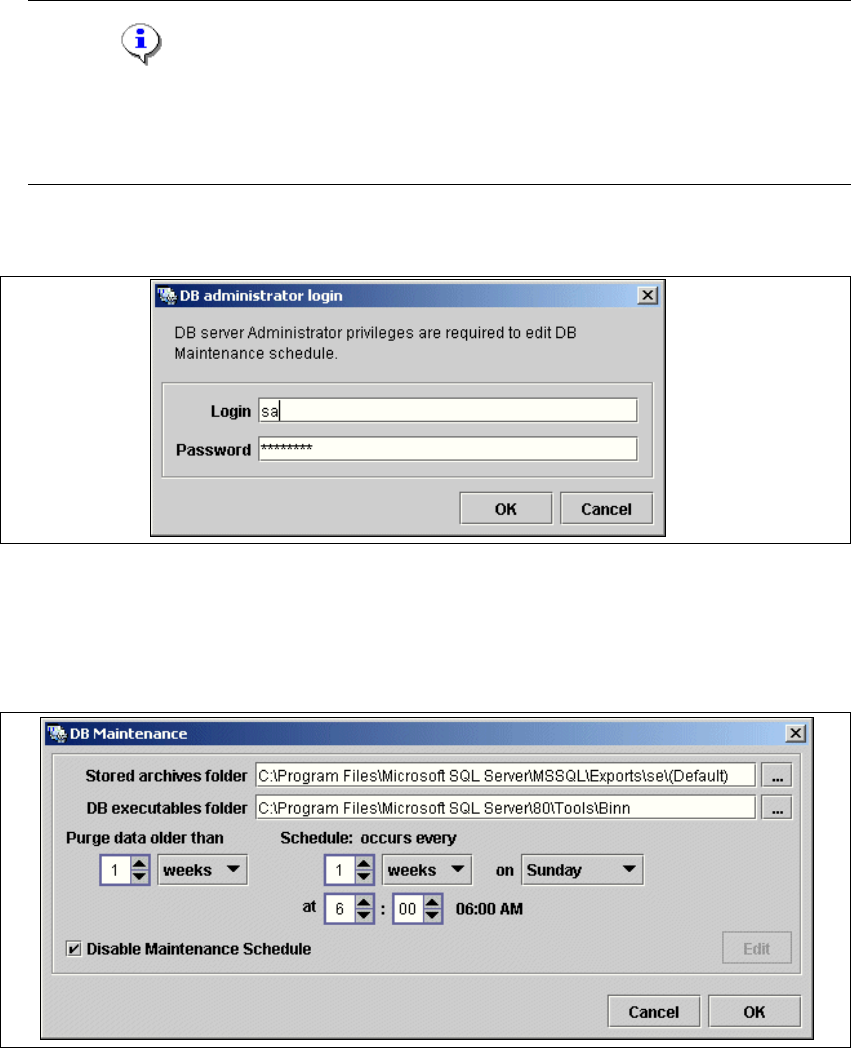
→ to open the DB Administrator Login dialog box.
4
Fig. 4 - 16 DB administrator login
→ Enter the access data here and confirm your entries with OK.
→ The DB Maintenance dialog box will open. This is where you can either create a new
archiving schedule for the database or edit the default maintenance schedule.
4
Fig. 4 - 17 DB maintenance