754_____cmeng0000.pdf - 第44页
5. USE STATIC SHIELDING CONTAINERS FOR HANDLING AND TRANSPORT. 6. DO NOT SLIDE S.S. DEVICES OVER ANY SURFACE. 7. AVOID PLASTIC,VINYL AND STYROFOAM IN WORK AREA. 8. WHEN REMOVING PLUG-IN ASSEMBLIES HANDLE ONLY BY NON-CO…
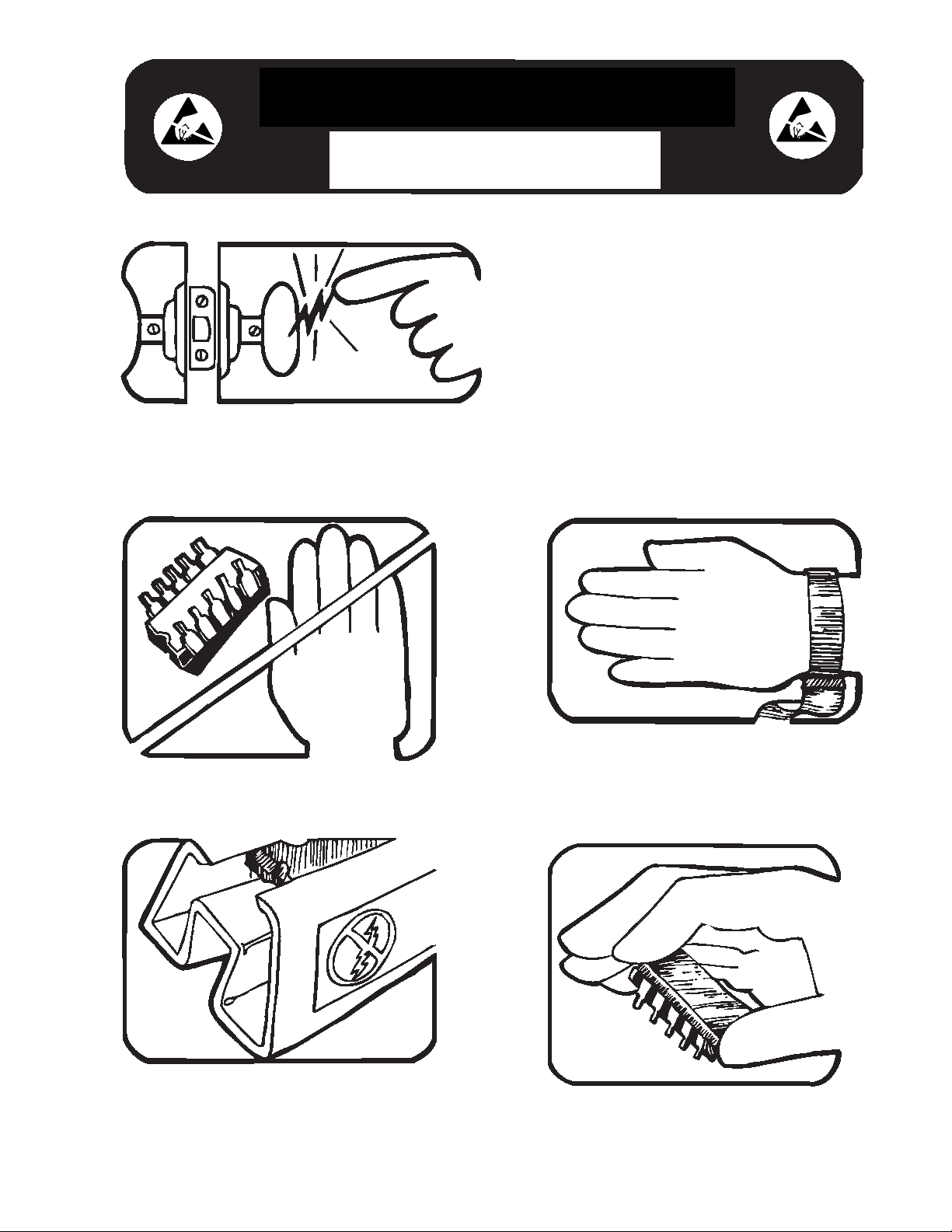
Some semiconductors and custom IC's can be
damaged by electrostatic discharge during
handling. This notice explains how you can
minimize the chances of destroying such devices
by:
1. Knowing that there is a problem.
2. Learning the guidelines for handling them.
3. Using the procedures, packaging, and
bench techniques that are recommended.
The following practices should be followed to minimize damage to S.S. (static sensitive) devices.
1. MINIMIZE HANDLING
2. KEEP PARTS IN ORIGINAL CONTAINERS
UNTIL READY FOR USE.
3. DISCHARGE PERSONAL STATIC BEFORE
HANDLING DEVICES. USE A HIGH RESIS-
TANCE GROUNDING WRIST STRAP.
4. HANDLE S.S. DEVICES BY THE BODY.
static awareness
A Message From
Fluke Corporation
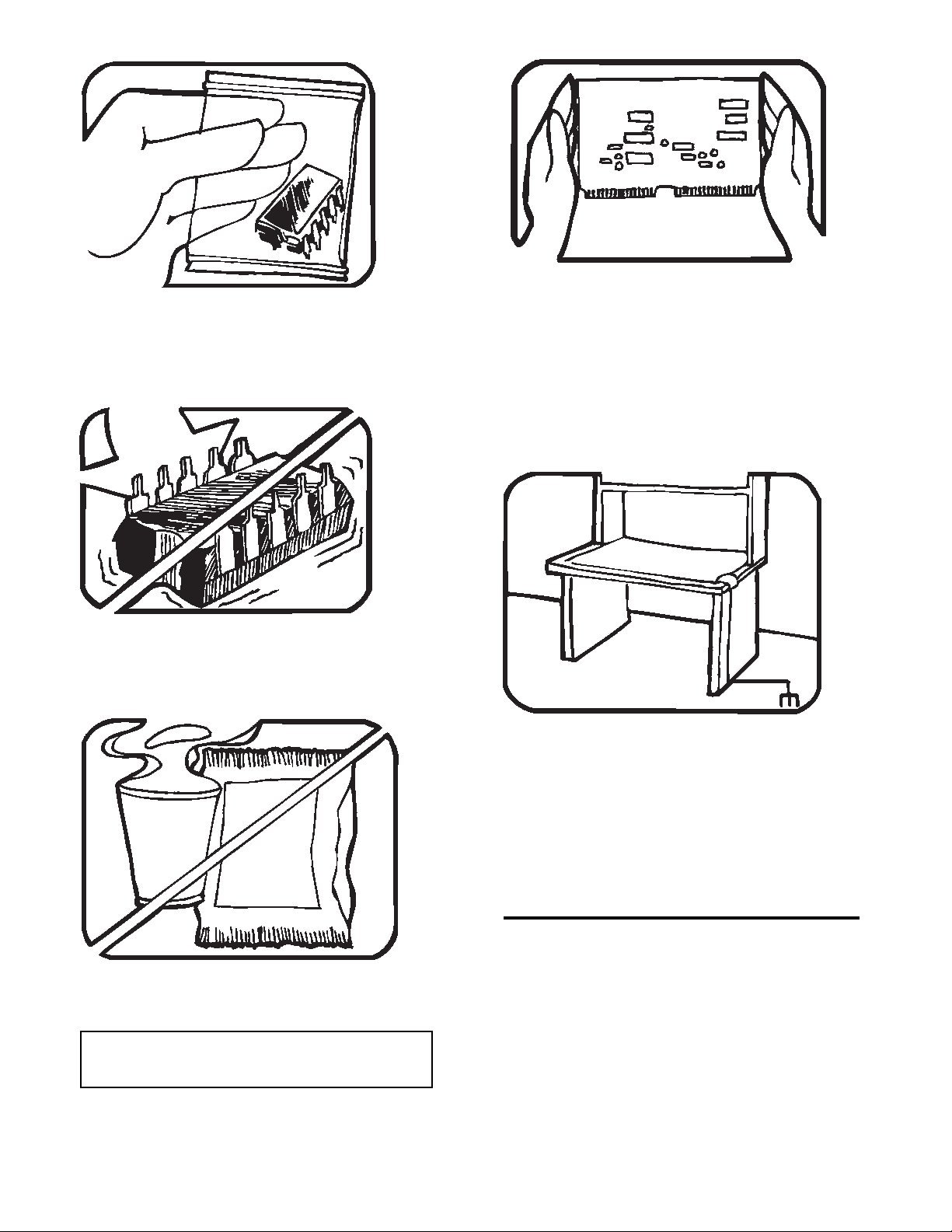
5. USE STATIC SHIELDING CONTAINERS FOR
HANDLING AND TRANSPORT.
6. DO NOT SLIDE S.S. DEVICES OVER
ANY SURFACE.
7. AVOID PLASTIC,VINYL AND STYROFOAM
IN WORK AREA.
8. WHEN REMOVING PLUG-IN ASSEMBLIES
HANDLE ONLY BY NON-CONDUCTIVE
EDGES AND NEVER TOUCH OPEN EDGE
CONNECTOR EXCEPT AT STATIC-FREE
WORK STATION. PLACING SHORTING
STRIPS ON EDGE CONNECTOR HELPS
PROTECT INSTALLED S.S. DEVICES.
9. HANDLE S.S. DEVICES ONLY AT A
STATIC-FREE WORK STATION.
10. ONLY ANTI-STATIC TYPE SOLDER-
SUCKERS SHOULD BE USED.
11. ONLY GROUNDED-TIP SOLDERING
IRONS SHOULD BE USED.
PORTIONS REPRINTED
WITH PERMISSION FROM TEKTRONIX INC.
AND GERNER DYNAMICS, POMONA DIV.
Dow Chemical

Documenting Process Calibrator
Maintenance
35
Maintenance
XWWarning
To prevent possible electrical shock, fire, or personal injury:
• Have an approved technician repair the Product.
• Do not operate the Product with covers removed or the case open.
Hazardous voltage exposure is possible.
• Remove the input signals before you clean the Product.
• Use only specified replacement parts.
Battery Replacement
Replace the battery when it no longer holds a charge for the rated interval. The battery
normally lasts for up to 300 charge/discharge cycles. To order a replacement battery, see
“Contacting Fluke” and “Replaceable Parts”.
Note
Spent batteries should be disposed of by a qualified recycler or hazardous
materials handler. Contact an authorized Fluke Service Center for
recycling information.
How to Clean the Product
Clean the Product and pressure modules with a soft cloth dampened with water or water
and mild soap.
WCaution
To prevent possible damage to the Product, do not use
solvents or abrasive cleansers.