Workcell-Installation-Guidelines-Troubleshooting-Maintenance-REV-F.pdf - 第10页
Workcell Installation and General Guidelines Revision F / Janu ary 2021 Page 10 of 59 Personal Protective E quipment Workcell operatio n includes air pr essure, elect rical power, mec hanical devi ces, and the use of haz…
Workcell Installation and General Guidelines
Revision F / January 2021
Page 9 of 59
System Description
This manual applies to the following Precision Valve & Automation, Inc. workcells:
PVA350™
PVA6000™
PVA650™
Delta 6
PVA2000™
Delta 8
PVA3000™
The valves are mounted to the end effector of a two, three, or four axis Cartesian robot. All
dispensing is done in the work area enclosed with safety glass or polycarbonate. The axes
have limits to prevent damage to the machine. The dispense path and active heads are
controlled by a program stored in the motion controller. The motion controller can save up
to 30 programs at one time.
The operator controls the workcell with PVA Portal software. This includes machine setup,
manual operation, program selection, and automatic operation. Machine status and error
messages are shown in the program window and the light tower. The operator(s) must
have read this manual, or have been trained and understand the operation of the machine.
Any uses that are not approved could result in dangerous conditions that the safety
features on the system cannot prevent.
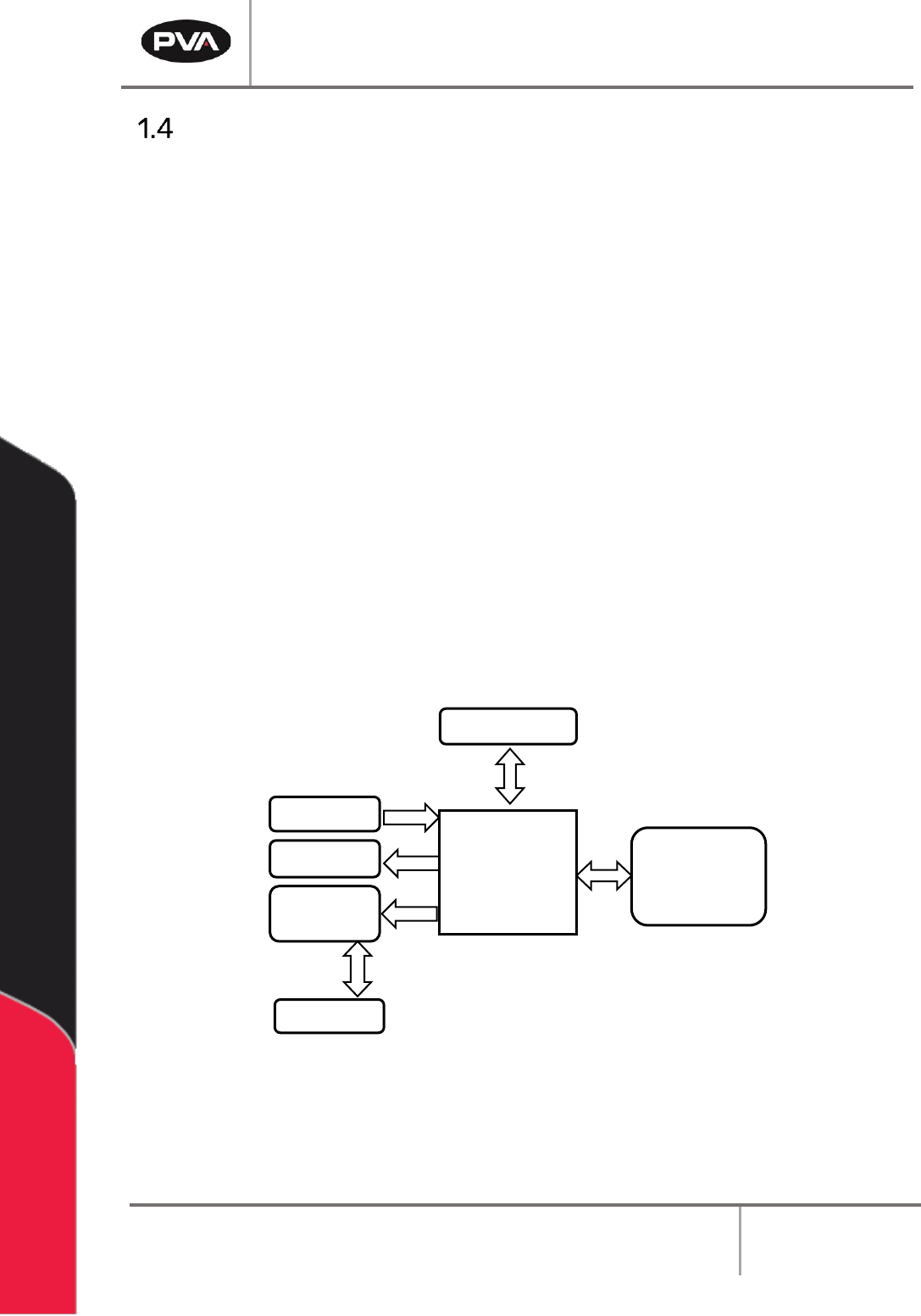
Figure 1: Workcell Functional Block Diagram
MOTION
CONTROLLER
X-Y-Z-W
ELECTRO-
MECHANICAL
COMPONENTS
PC INTERFACE
SENSORS
ACTUATORS
CONVEYOR
CONTROL
CONVEYOR
Workcell Installation and General Guidelines
Revision F / January 2021
Page 10 of 59
Personal Protective Equipment
Workcell operation includes air pressure, electrical power, mechanical devices, and the use
of hazardous materials. Only qualified personnel can operate and service workcells.
Operators must use eye protection because material contents are under pressure. Always
wear gloves when handling materials and solvents. Refer to MSDS sheets on the material
that is used for other precautions.
Notices and Warnings
• You must wear safety glasses, gloves, and long sleeves.
• Lock-out and tag the air and power supplies before you service or clean the workcell
• Release the pressure before any hose (air or fluid) is removed
• All hoses must have the correct pressure rating
• Use only replacement parts recommended or supplied by the manufacturer
• Stay away from all parts that move when the system is in operation
Best Practices
• Do not wear loose clothes or jewelry when you operate the workcell
• Do not touch the dispense head while it is moving
• Make sure cables and pneumatics hoses are attached and do not cross walkways
• Immediately engage the Emergency Stop button if personnel is in danger
• Locate and define all safety labels on and around the workcell before you turn the
machine “On”
• There must be two people during maintenance procedures
• Dispose of all used parts and materials in accordance with local laws and
regulations
Safety is a joint responsibility between the OEM and the end-user. All precautions and
practices should be in accordance with local regulations.
Do Not: Use incompatible tools, remove door interlocks or bypass safety devices,
make custom mechanics or fluid delivery modification or change material from the
original design.
Workcell Installation and General Guidelines
Revision F / January 2021
Page 11 of 59
Environmental
Area of Possible Concern
System Information
Audible Noise Levels
Below 65 dBA.
Material and Chemicals
There are no known dangerous materials or chemicals on this
workcell. Refer to the MSDS sheet for the dispensed material.
Hazards Due to Contact
The workcell has safety features to minimize injuries. In some
modes of operation it is possible to override safety features.
Only qualified personnel should enter the work area when the
workcell has power. All hot surfaces have a warning label.
Workcell Location
The machine should be installed on a level surface away from standing water, possible
overspray, and overhead leaks.
Handling, Transportation, and Storage
The workcell should be handled and transported with minimal vibration and shock on the
system. Use an air-ride truck for roadway transport. The machine is built for an industrial
environment, but excessive abuse will decrease the performance of the machine. Use a
forklift to gently move the workcell. Make sure the forks are all the way in and that the
blades reach from front to back.
Storage, Temperature, and Humidity
When in storage, all enclosures and connector covers should be closed tightly. Put a cover
over the system if there is dust or other airborne debris in the storage area. Store the
workcell in an area that is 40F - 105F (4C – 41C) and low humidity. Do not let
condensation collect on the machine.
Dispensing/Spraying Equipment
When the workcell is stored for an extended period of time, it should be flushed with a
solvent compatible with the application material and workcell components.
NOTE: PVA is not responsible for damages incurred by incorrect transportation and
handling of the workcell. The instructions given for the transportation, handling,
and storage of the workcell are the correct manufacturer’s procedure.