IPC-SM-782A-表面贴装焊盘图形设计标准.pdf.pdf - 第170页
6.0 TOLERANCE AND SOLDER JOINT ANALYSIS Figure 4 provides an analysis of tolerance assumptions and resultant solder joints based on the land pattern dimensions shown in Figure 3. Tolerances for the component dimensions, …
5.0 LAND PATTERN DIMENSIONS
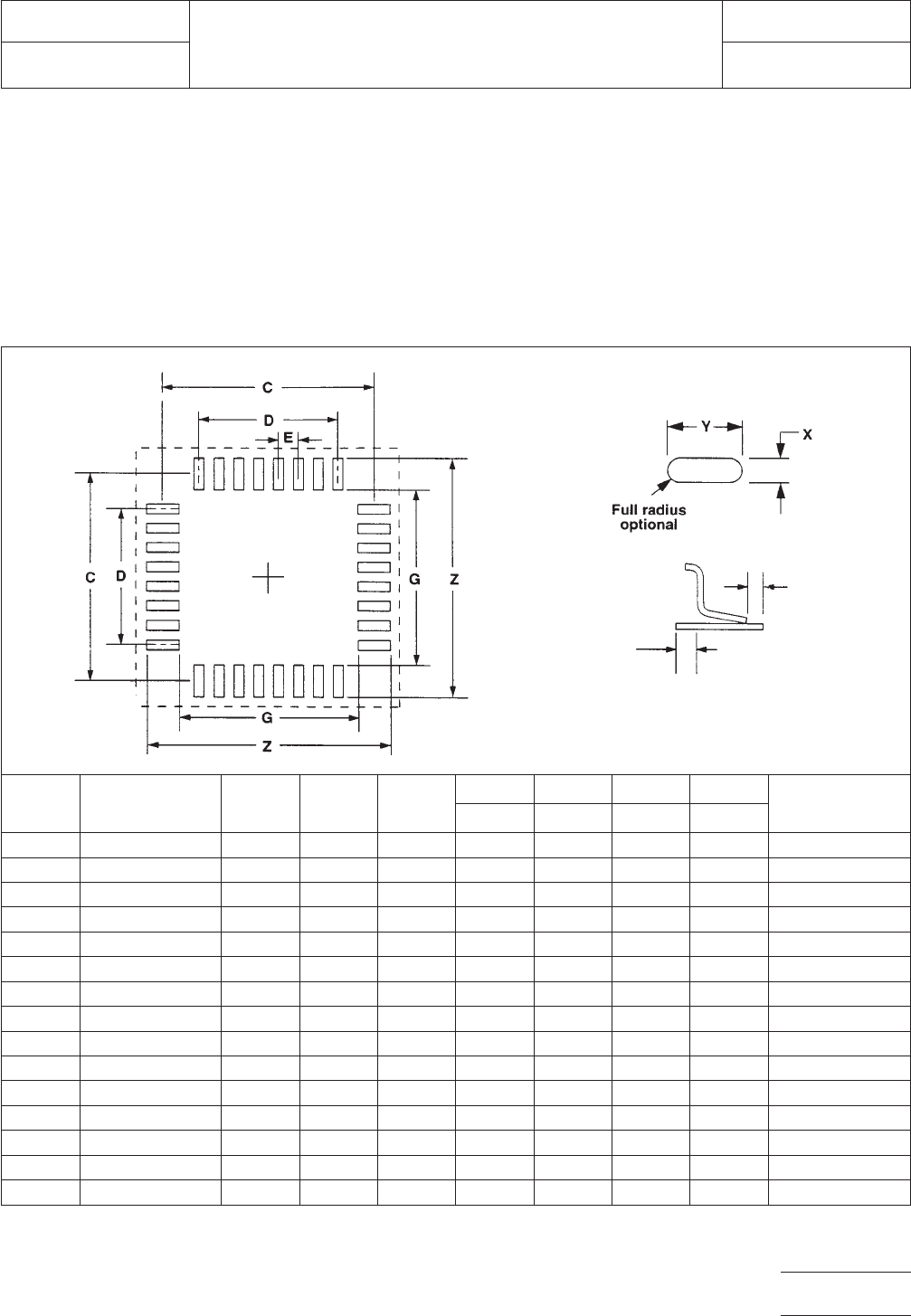
Figure 3 provides the land pattern dimensions for CQFP com-
ponents. These numbers represent industry consensus on the
best dimensions based on empirical knowledge of fabricated
land patterns.
In the table, the dimensions shown are at maximum material
condition (MMC). The least material condition (LMC) should
not exceed the fabrication (F) allowance shown on page 4.
The LMC and the MMC provide the limits for each dimension.
The dotted line in Figure 3 shows the grid placement court-
yard which is the area required to place land patterns and
their respective components in adjacent proximity without
interference or shorting. Numbers in the table represent the
number of grid elements (each element is 0.5 by 0.5 mm) in
accordance with the international grid detailed in IEC publica-
tion 97.
RLP No.
Component
Identifier Z (mm) G (mm) X (mm)
Y (mm) C (mm) D (mm) E (mm)
Placement Grid
(No. of Grid
Elements)ref ref ref ref
750A CQFP-28 15.80 10.60 0.65 2.60 13.20 7.62 1.27 34x34
751A CQFP-36 18.60 13.80 0.65 2.40 16.20 10.16 1.27 40x40
752A CQFP-44 21.00 16.20 0.65 2.40 18.60 12.70 1.27 44x44
753A CQFP-52 23.60 18.80 0.65 2.40 21.20 15.24 1.27 50x50
754A CQFP-68 28.60 23.80 0.65 2.40 26.20 20.32 1.27 62x62
755A CQFP-84 33.80 29.00 0.65 2.40 31.40 25.40 1.27 70x70
756A CQFP-100 38.80 34.00 0.65 2.40 36.40 30.48 1.27 80x80
757A CQFP-120 32.40 28.00 0.50 2.20 30.20 23.20 0.80 68x68
758A CQFP-128 32.40 28.00 0.50 2.20 30.20 24.80 0.80 68x68
759A CQFP-132 28.60 24.20 0.40 2.20 26.40 20.32 0.64 60x60
760A CQFP-144 32.40 28.00 0.50 2.20 30.20 24.80 0.80 68x68
761A CQFP-148 35.20 30.00 0.35 2.60 32.60 22.86 0.64 72x72
762A CQFP-160 32.40 28.00 0.50 2.20 30.20 24.80 0.80 68x68
763A CQFP-164 35.20 30.00 0.35 2.60 32.60 25.40 0.64 72x72
764A CQFP-196 37.20 32.00 0.35 2.60 34.60 30.48 0.64 76x76
Figure 3 CQFP land pattern dimensions
IPC-782-11-4-3
IPC-SM-782
Subject
CQFP
Date
5/96
Section
11.4
Revision
A
Page3of4
6.0 TOLERANCE AND SOLDER JOINT ANALYSIS
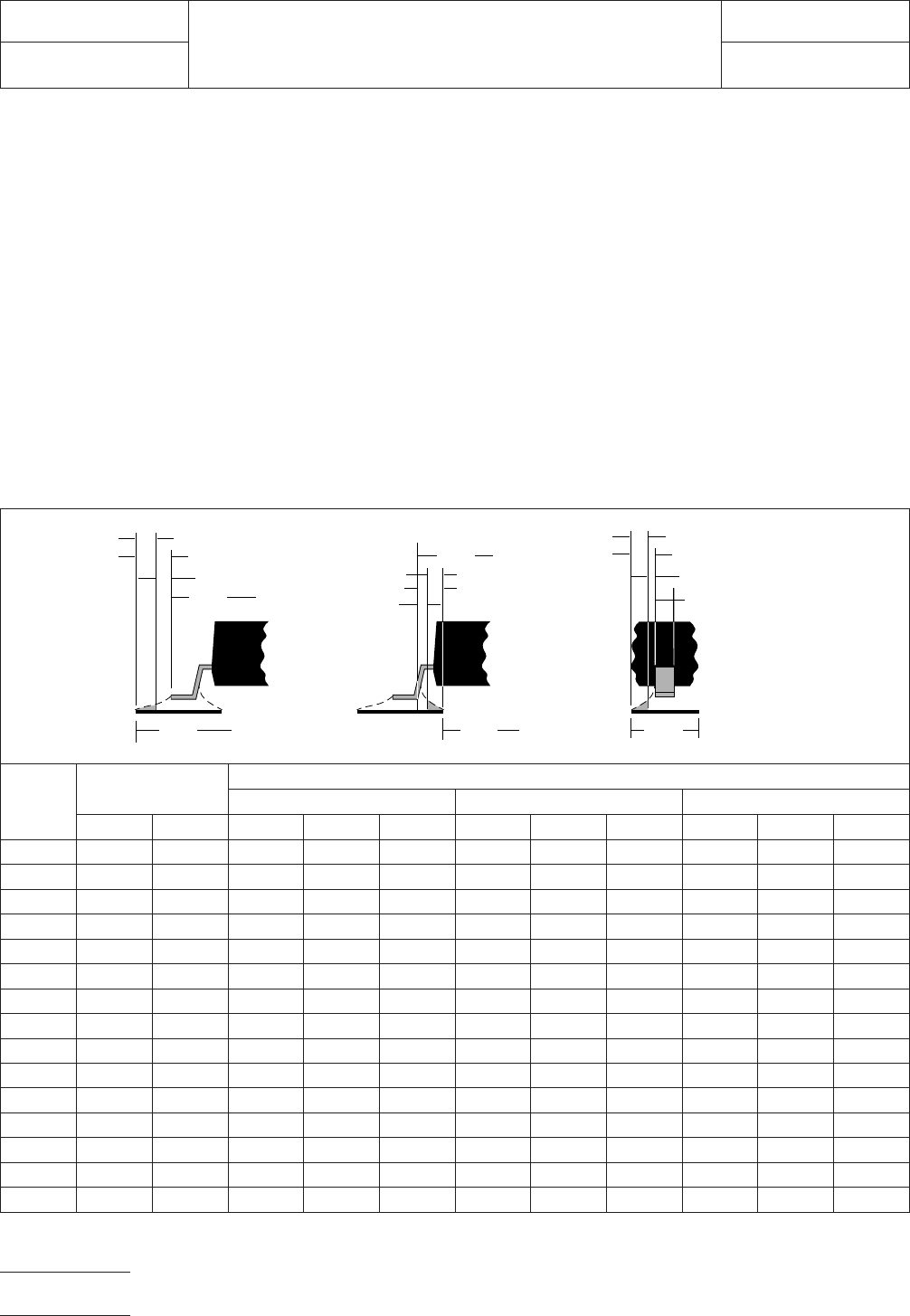
Figure 4 provides an analysis of tolerance assumptions and
resultant solder joints based on the land pattern dimensions
shown in Figure 3. Tolerances for the component dimensions,
the land pattern dimensions (fabrication tolerances on the
interconnecting substrate), and the component placement
equipment accuracy are all taken into consideration.
Figure 4 provides the solder joint minimums for toe, heel, and
side fillets, as discussed in Section 3.3. The tolerances are
addressed in a statistical mode, and assume even distribution
of the tolerances for component, fabrication, and placement
accuracy.
Individual tolerances for fabrication (‘‘F’’) and component
placement equipment accuracy (‘‘P’’) are assumed to be as
given in the table. These numbers may be modified based on
user equipment capability or fabrication criteria. Component
tolerance ranges (C
L
,C
S
, and C
W
) are derived by subtracting
minimum from maximum dimensions given in Figure 2. The
user may also modify these numbers, based on experience
with their suppliers. Modification of tolerances may result in
alternate land patterns (patterns with dimensions other than
the IPC registered land pattern dimensions).
The dimensions for minimum solder fillets at the toe, heel, or
side (J
T
,J
H
,J
S
) have been determined based on industry
empirical knowledge and reliability testing. Solder joint
strength is greatly determined by solder volume. An observ-
able solder fillet is necessary for evidence of proper wetting.
Thus, the values in the table usually provide for a positive sol-
der fillet. Nevertheless, the user may increase or decrease the
minimum value based on process capability.
RLP No.
Tolerance
Assumptions (mm)
Solder Joint
Toe (mm) Heel (mm) Side (mm)
FPC
L
J
T
min J
T
max C
S
J
H
min J
H
max C
W
J
S
min J
S
max
750A 0.10 0.10 0.40 0.46 0.70 0.53 0.59 0.90 0.16 0.00 0.17
751A 0.10 0.10 0.24 0.54 0.72 0.43 0.36 0.62 0.13 0.07 0.23
752A 0.10 0.10 0.24 0.47 0.65 0.43 0.43 0.69 0.13 0.07 0.23
753A 0.10 0.10 0.24 0.50 0.68 0.43 0.40 0.66 0.13 0.07 0.23
754A 0.10 0.10 0.24 0.46 0.64 0.43 0.44 0.70 0.13 0.07 0.23
755A 0.10 0.10 0.24 0.52 0.70 0.43 0.38 0.64 0.13 0.07 0.23
756A 0.10 0.10 0.24 0.48 0.66 0.43 0.42 0.68 0.13 0.07 0.23
757A 0.10 0.10 0.50 0.47 0.73 0.76 0.37 0.75 0.16 –0.01 0.10
758A 0.10 0.10 0.50 0.47 0.73 0.76 0.37 0.75 0.16 –0.01 0.10
759A 0.10 0.10 0.30 0.49 0.66 0.64 0.43 0.76 0.23 –0.01 0.13
760A 0.10 0.10 0.50 0.47 0.73 0.76 0.37 0.75 0.16 –0.01 0.10
761A 0.10 0.10 0.50 0.59 0.85 0.61 0.47 0.79 0.13 0.02 0.12
762A 0.10 0.10 0.50 0.47 0.73 0.76 0.37 0.75 0.16 –0.01 0.10
763A 0.10 0.10 0.50 0.59 0.85 0.61 0.47 0.79 0.13 0.02 0.12
764A 0.10 0.10 0.50 0.47 0.73 0.61 0.60 0.91 0.13 0.02 0.12
Figure 4 Tolerance and solder joint analysis
Zmax
Lmin
▼
▼
▼
▼
1
/2 T
T
J
T
min
Smax
J
H
min
1
/2 T
H
Xmax
▼
▼
Toe Fillet
▼
▼
▼
Heel Fillet
Side Fillet
▼
▼
▼
▼
▼
J
T
max
J
H
max
J
S
min
▼
▼
▼
▼
▼
▼
▼
▼
▼
▼
▼
▼
▼
▼
▼
Gmin
▼
1
/2 T
S
J
S
max
▼
▼
▼
Wmin
▼
IPC-782-11-4-4
IPC-SM-782
Subject
CQFP
Date
5/96
Section
11.4
Revision
A
Page4of4

1.0 INTRODUCTION
This section covers land patterns for components with J leads
on four sides. Each subsection contains information in accor-
dance with the following format:
1.0 Scope
2.0 Applicable Documents
3.0 General Component Description (Figure 1)
4.0 Component Dimensions (Figure 2)
5.0 Land Pattern Dimensions (Figure 3)
6.0 Tolerance and Solder Joint Analysis (Figure 4)
The following is the table of contents for this section:
2.0 APPLICABLE DOCUMENTS
The following documents, of the issue in effect on the revision
date of this section, form a part of this specification to the
extent specified herein.
2.1 Electronic Industries Association (EIA)
1
EIA-481-A Taping of Surface Mount Components for Auto-
matic Placement
EIA-481-3 32 mm, 44 mm, and 56 mm Embossed Carrier
Taping of Surface Mount Components for Automated Han-
dling
JEDEC Publication 95 Registered and Standard Outlines for
Solid State and Related Products
2.2 International Electrotechnical Commission (IEC)
2
IEC 97 Grid Elements
3.0 General Information
3.1 General Component Description
Leaded Chip Carri-
ers are either ceramic or plastic packages with terminations
which extend beyond the package outlines. These termina-
tions typically space the body of the package from the pack-
aging and interconnect structure for reasons of cleaning,
inspecting, or accommodating differences in thermal expan-
sion. The leads may be attached to the package body either
before or after chip attachment.
In plastic leaded chip carriers, the primary packaging distinc-
tion concerns the point in which a chip is incorporated into the
package. A pre-molded package is supplied as a leaded body
with an open cavity for chip attachment. A post-molded body
part typically has the chip attached to a lead frame with an
insulating plastic body molded around the assembly. It is sup-
plied from the manufacturer without apertures.
Leaded ceramic chip carriers may be similarly classified, but
with a difference in category. The distinction concerns the
point at which leads, if desired, are attached to the ceramic
body. A pre-leaded ceramic chip carrier is supplied with cop-
per or Kovar leads brazed to metallization integral with the
ceramic package. Typically, the package is supplied with an
open cavity for chip attach. A metal or ceramic lid is epoxied,
soldered, or attached with glass frit to provide a hermetic seal
around the chip. After these steps, the leaded assembly is
attached to the printed board.
A post-leaded ceramic chip carrier typically has leads sol-
dered to metallization on the ceramic package after chip
attachment. These leads may take the form of edge clips or
solder columns. Incorporation of leads into the assembly typi-
cally occurs immediately prior to board attachment.
High lead-end coplanarity in surface-mounted lead chip carri-
ers is an important factor in reliable solder attachment to the
printed board. Planarity may be measured from the lowest
three leads of a leaded package. Coplanarity of 0.1 mm
[0.004 in] maximum is recommended with 0.05 mm [0.002 in]
preferred.
1. Application for copies should be addressed to Global Engi-
neering Documents, 1990 M St. N.W., Washington, DC
20036.
2. Application for copes should be addressed to IEC, 3 rue
de Varembe, PO Box 131 - 1211 Geneva 20, Switzerland
IPC-SM-782
Surface Mount Design
and Land Pattern Standard
Date
8/93
Section
12.0
Revision Subject
Components with J Leads
on Four Sides
Page1of2