00196962-04-BA-SX12-V2-EN.pdf - 第75页
User manual SIPLACE SX1/SX2 2 Operational safety From software version SC 706.1 SP1 Version 10/2014 2.7 Safety features 75 2.7.4.2 Signaling circuit structure The following modules in the signaling circuit are queried in…
2 Operational safety User manual SIPLACE SX1/SX2
2.7 Safety features From software version SC 706.1 SP1 Version 10/2014
74
2.7.4 EMERGENCY STOP loops and signaling circuit
2.7.4.1 EMERGENCY STOP loop structure
The following contacts are connected in series and form the EMERGENCY STOP loop:
– Make contact elements for the two protective cover switches
– Make contact elements for the two bumper monitors of the Y axis
– Normally open (NO) contacts for the two EMERGENCY STOP buttons
– Make contact elements for the two component trolleys
– Channels for the protective contactor combination SSK K3
In the EMERGENCY STOP loop, the CAN bus signal from the signaling circuit (see section
2.7.4.2
, page 75) is fed to the protective contactor combination SSK K3. If the EMERGENCY
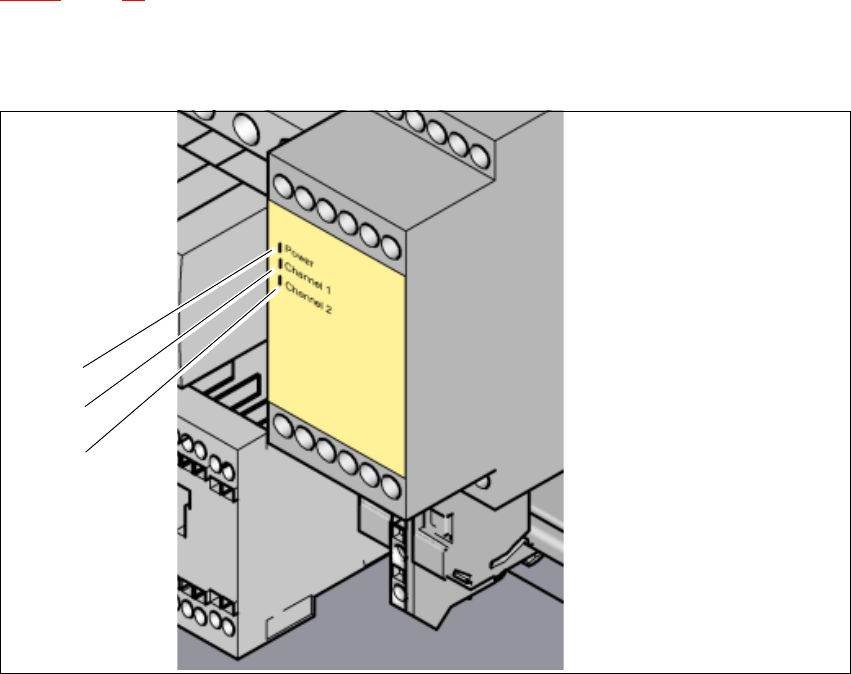
STOP loop is closed, and the signaling circuit is not signaling a malfunction, then the two green
LEDs for channels 1 and 2 light up, in addition to the green mains power check LED of the pro-
tective contactor combination.
2
Fig. 2.7 - 7 Signal LED on the protective contactor combination
(1) Mains / Power
(2) Kanal 1 / Channel 1
(3) Kanal 2 / Channel 2
2
(1)
(2)
(3)
User manual SIPLACE SX1/SX2 2 Operational safety
From software version SC 706.1 SP1 Version 10/2014 2.7 Safety features
75
2.7.4.2 Signaling circuit structure
The following modules in the signaling circuit are queried individually:
– The protective cover switches
– Bumper monitoring of Y axis
– Signaling contacts on the component trolley
– EMERGENCY STOP button
All the signaling contacts are closed when the machine is on standby. If a protective cover, for ex-
ample, is raised, the associated signaling contact opens. This change of state is signaled to the
control computer via the CAN bus. An error message to this effect appears on the user interface.
2.7.4.3 Description of the functions of the EMERGENCY STOP loops
The following conditions must be fulfilled in order to start and operate the machine:
– All component trolleys must be docked in and connected.
– All protective covers must be closed.
– All stopper bumpers for the Y axis must be fitted.
– Both emergency stop buttons must be released.
– The minimum operating pressure must have been reached.
– The software release ("Control ON") must be enabled, so that the start signal from the "Start"
button can switch on the SSK protective contactor combination.
– 24V- are made available by the output of the AC/DC converter to the start button and the pro-
tective contactor combination (SSK).
If one of the start buttons is now pressed, the protective contactor combination SSK K3 will switch
and the machine will be ready for operation.
2 Operational safety User manual SIPLACE SX1/SX2
2.7 Safety features From software version SC 706.1 SP1 Version 10/2014
76
2
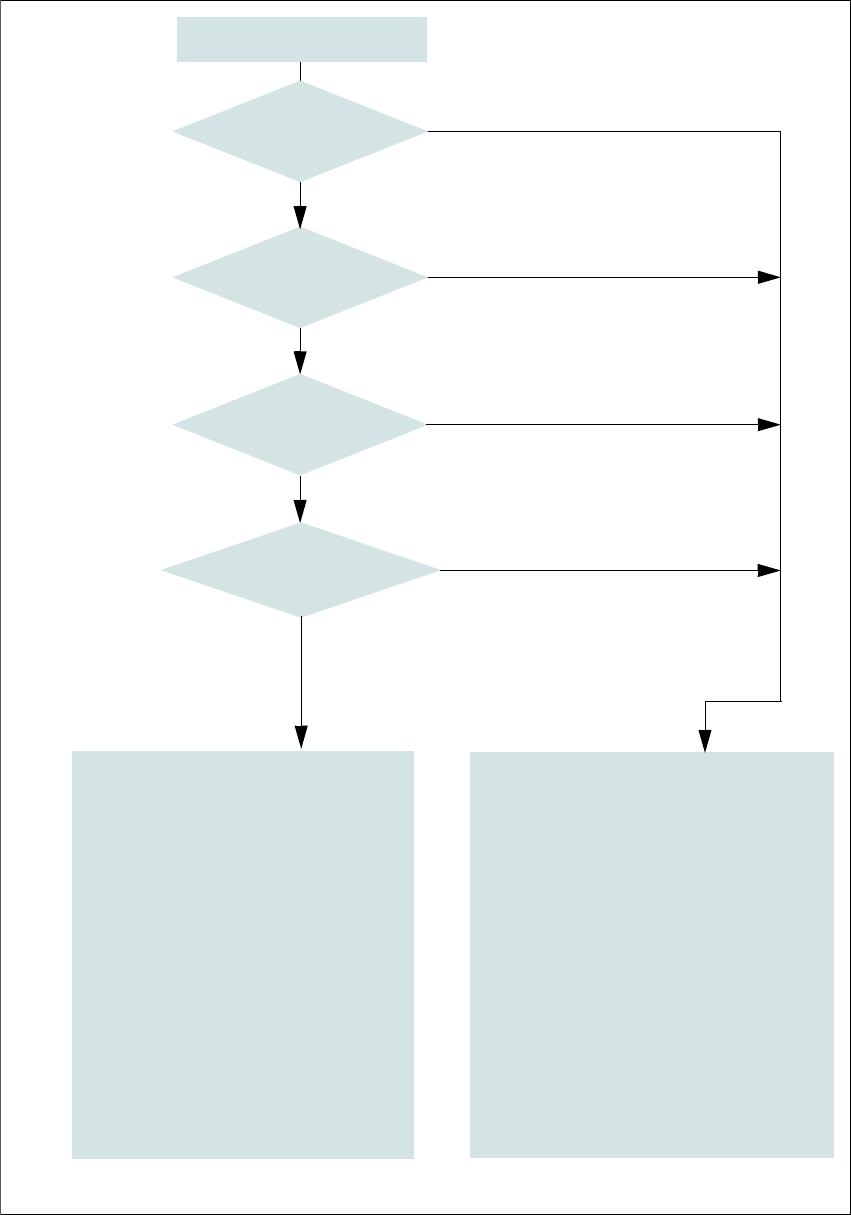
Fig. 2.7 - 8 EMERGENCY STOP loop for SIPLACE SX1/SX2
Start button pressed.
No
No
Yes
No
No
Yes
Yes
2
Active
SSK
a
No
Voltage
Y axis 0 V-
X axis 0 V-
Star axis 0 V-
DP axis 42 V-
Z axis (C&P, TH) 42 V-
Z axis (CPP) 0 V-
Active
PCB conveyor No
Lifting table No
PCB clamping No
Width adjustment No
Tape cutter No
Component trolley feeding device Yes
a) SSK protective contactor combination K3
Yes
Compressed
air min. 0.5 MPa
(5.0 bar)?
EMERGENCY STOP button
pressed?
- Protective cover open?
- Is Y axis bumper missing?
Component trolley
EMERGENCY STOP circuit
interrupted?
2
Active
SSK
a
Yes
Voltage
Y axis 260 V-
X axis 260 V-
Star axis 150 V-
DP axis 42 V-
Z axis (C&P, TH) 42 V-
Z axis (CPP) 150 V-
Active
PCB conveyor Yes
Lifting table Yes
PCB clamping Yes
Width adjustment Yes
Tape cutter. Yes
Component trolley feeding device Yes