VDA_6.3_EN_Yellow_Volume_.pdf.pdf - 第48页
46 Potential analysis* * 6.6 What should the process accomplish? Process result (output) 6.6.1 Do the quantities/production batch sizes meet the needs and are they systematically directed to the next process step? 6.6.2 …
45
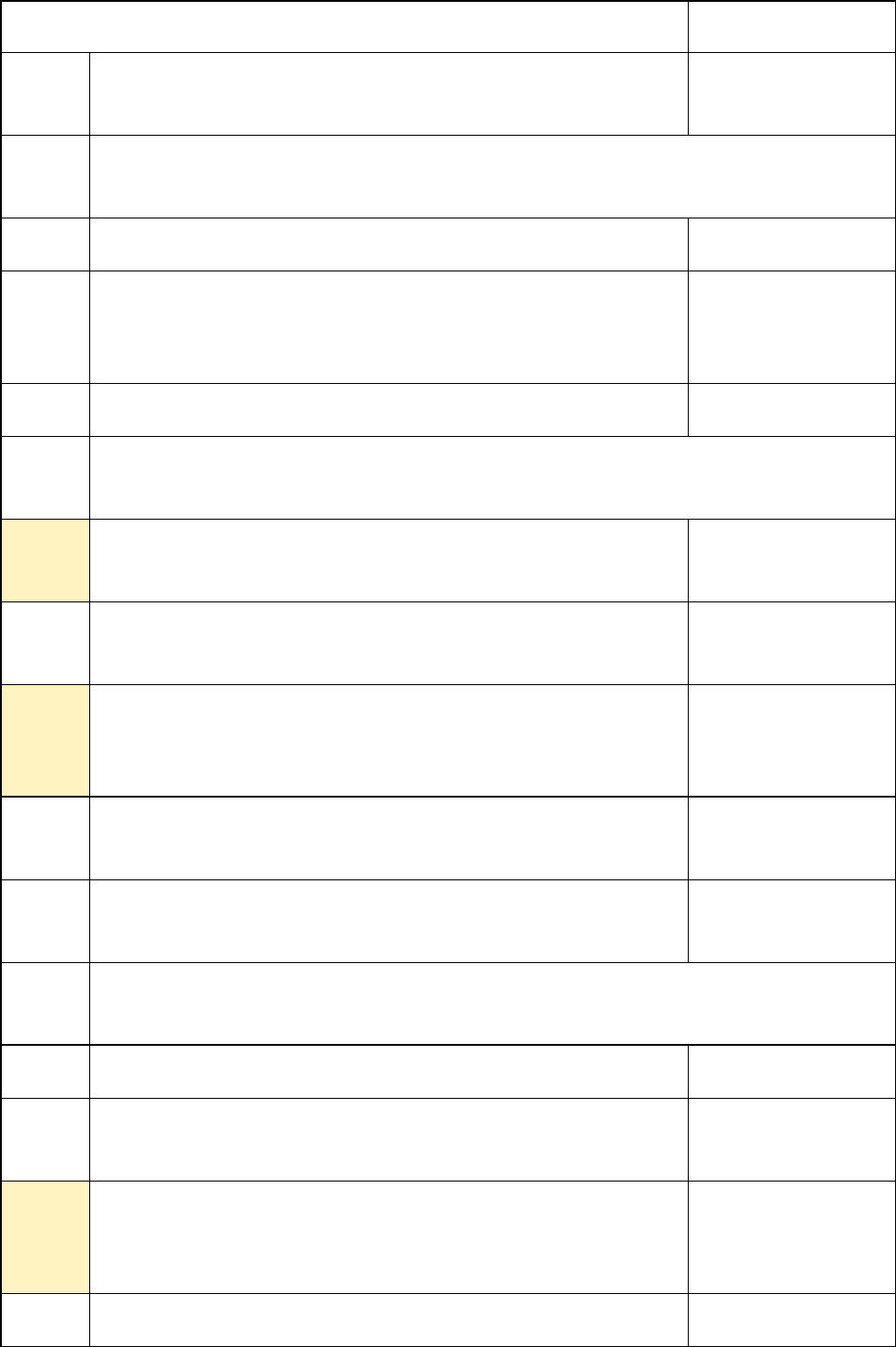
Potential analysis**
6.2.5
Is the flow of materials and parts secured against mix-
ing/wrong items?
6.3
What functions support the process?
Personnel resources
6.3.1
Are the employees able to fulfill their given tasks?
X
6.3.2
Do the employees know their responsibilities and authori-
zations regarding the monitoring of product and process
quality?
X
6.3.3
Are the necessary personnel resources available?
6.4
What equipment is used to implement the process?
Material resources
6.4.1*
Is the manufacturing equipment suitable to meet the cus-
tomer’s product-specific requirements?
X
6.4.2
Is the maintenance of the manufacturing equipment and
tools controlled?
X
6.4.3*
Can the fulfillment of quality requirements be effectively
monitored with the measurement and inspection equip-
ment in use?
X
6.4.4
Do the work and inspection stations fulfill the require-
ments?
X
6.4.5
Are tools, equipment and inspection equipment stored
properly?
6.5
How effectively is the process being carried out?
Effectiveness and efficiency
6.5.1
Have targets been set for the manufacturing process?
6.5.2
Is quality and process data collected in a way that allows
for analysis?
6.5.3*
In case of non-compliance with product and process re-
quirements, are the causes analyzed and the corrective
actions checked for effectiveness?
X
6.5.4
Are processes and products audited regularly?
X
46
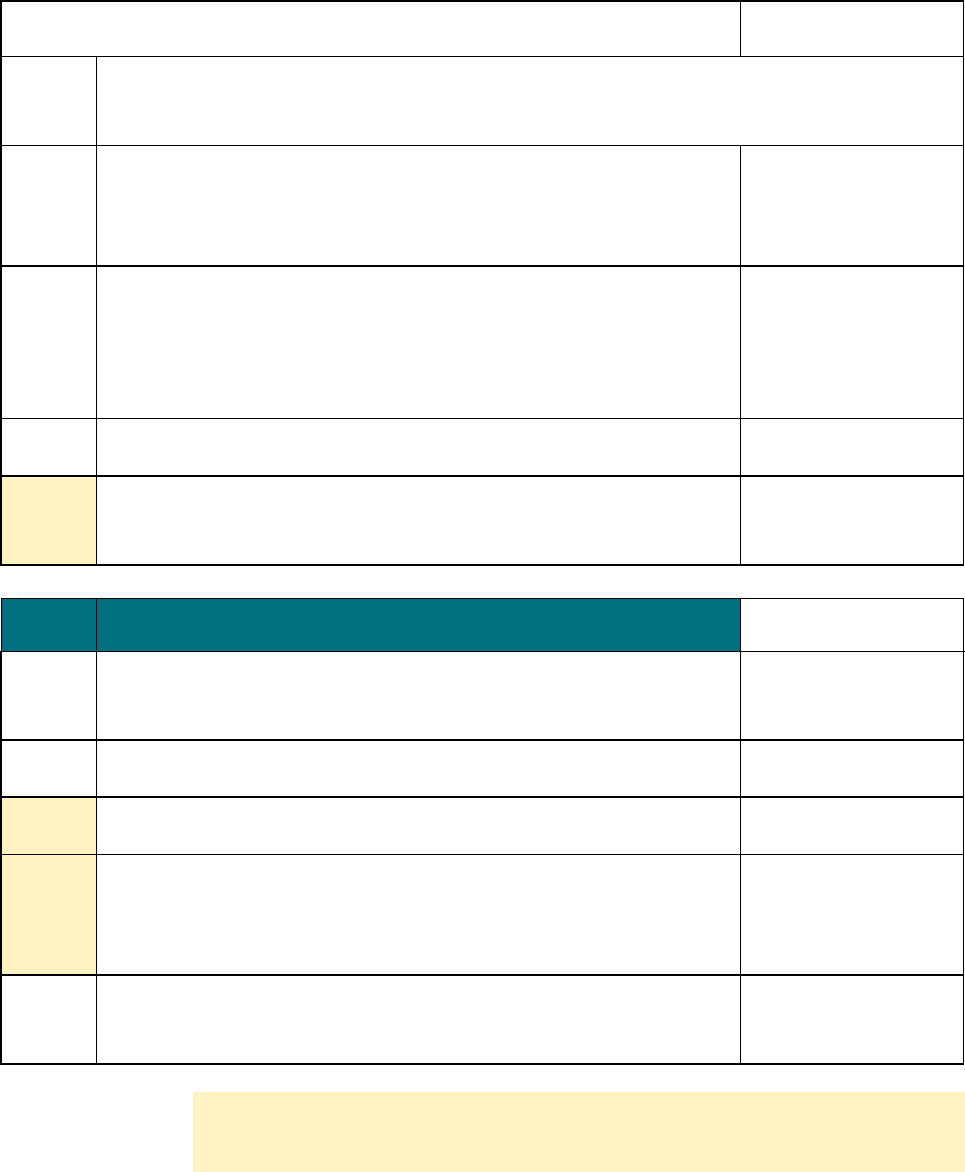
Potential analysis**
6.6
What should the process accomplish?
Process result (output)
6.6.1
Do the quantities/production batch sizes meet the needs
and are they systematically directed to the next process
step?
6.6.2
Are products/components stored in an appropriate man-
ner and are the means of transport/packaging facilities
suitable for the special characteristics of the prod-
ucts/components?
X
6.6.3
Are the necessary records/releases retained?
X
6.6.4*
Are customer requirements met upon delivery of the final
product?
X
P7
Customer care/customer satisfaction/service
7.1
Are all requirements related to the QM system, the prod-
uct and the process fulfilled?
X
7.2
Is customer service guaranteed?
X
7.3*
Is the supply of parts ensured?
X
7.4*
If quality requirements are not met or if there are com-
plaints, are failure analyses carried out and are corrective
actions implemented effectively?
X
7.5
Are personnel qualified for their respective tasks and are
responsibilities defined?
Explanatory
notes:
Highlighted marking indicates: *-questions
** Questions from the questionnaire that must be audited at a mini-
mum within the framework of the potential analysis (P1)

47
7.2 Project management (P2)
Process element P2: Project management
P2.1 Has a project management strategy (including a project organization)
been established?
Minimum requirements relevant for assessment
Examples for implementation
There is a project management process.
An interdisciplinary project organization is specified.
The responsibilities and authorizations of the pro-
ject leader and team members are defined.
The customer and the supplier have been informed
who the contact persons are.
The project organization and the associated escala-
tion management meet the customer requirements.
Escalation criteria (including escalation in supplier
management) have been specified, and measures
are derived in case of non-compliance with the
specifications.
Roles are defined in accordance with the develop-
ment method or collaboration model (agile or not
agile).
Experiences (especially lessons learned) from on-
going or previous projects with a comparable scope
of products are taken into account.
Project risks have been identified, assessed, and
have been mitigated by means of appropriate
measures.
• The roles, tasks, compe-
tences and responsibilities of
the project manager/technical
experts have been defined
• Project interfaces in multi-site
projects
• Organizational chart for the
project
• Composition of the project
team
• Evidence of qualifications
• Special customer require-
ments regarding project man-
agement
• In case of an agile approach:
Definition of the escalation
mechanism (e.g. the Scrum
Master escalates to the Prod-
uct Owner)
• Contact persons/decision-
makers in the escalation pro-
cess have been defined
• Records of milestone assess-
ments, including measures