CP43维护手册.pdf.pdf - 第37页
Chapter 4 Functions of the Parts 4. Functions of the Parts Herein is an explanation of the function of each part. 4.1 Categories of Parts The parts of the machine may be grouped in the following categories for convenienc…

Chapter 3 Parts of the Machine
3 – 6Version 1.0
Chapter 4 Functions of the Parts
4. Functions of the Parts
Herein is an explanation of the function of each part.
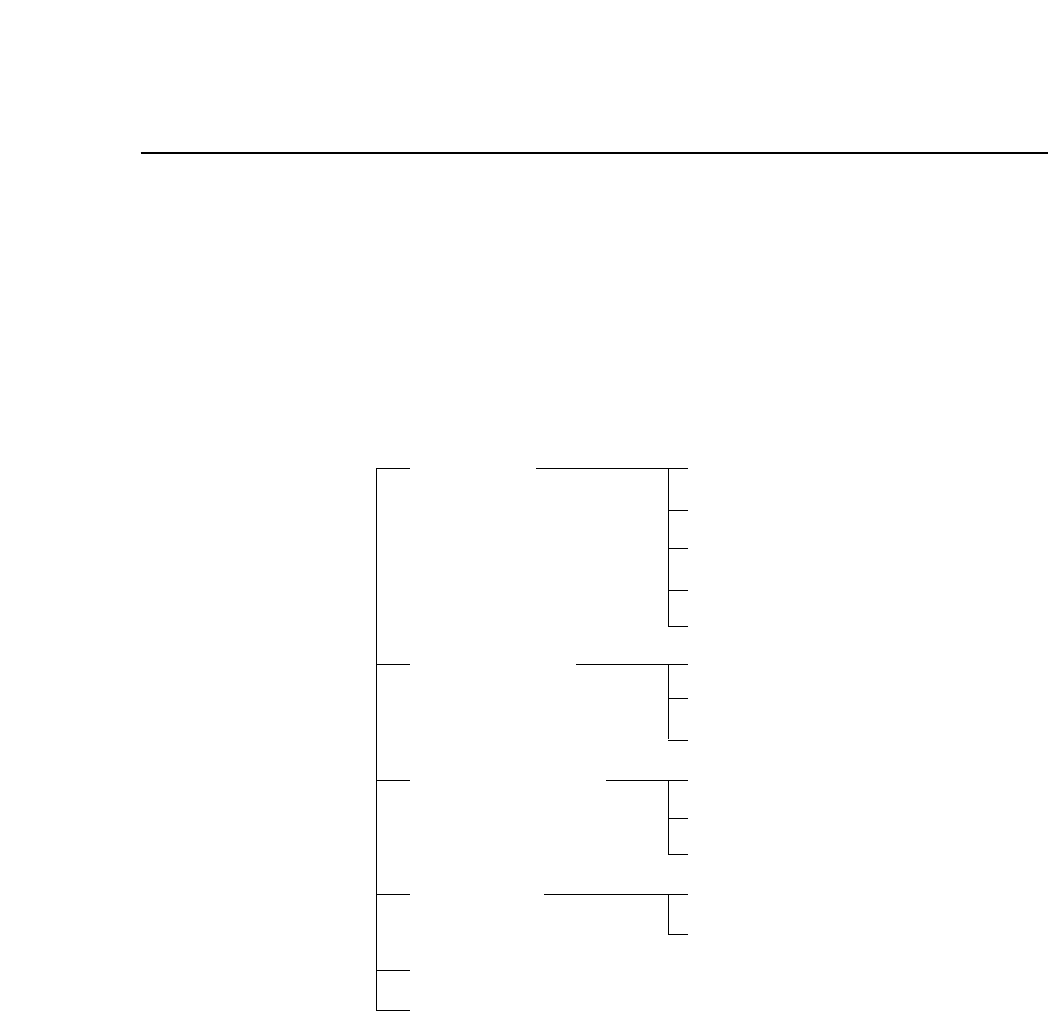
4.1 Categories of Parts
The parts of the machine may be grouped in the following categories for
convenience.
Placing Cam Box
Rotary Turret
Placing Head
Stations 1 to 12
Vision Processing
Parts Supply Feeders
CP IV-3 Device Table
Tape Cutter
Board Transport XY Table
In conveyor
Out conveyor
Electrical Operation Panel
Control Box
Air Supply
Machine Body
Version 1.0 4 – 1

4 – 2Version 1.0
Chapter 4 Functions of the Parts
4.2 Placing System
• Cam Box
The cam box, which is located in the upper part of the machine,
consists of the cam axis motor, cams, cam axes, cam levers, rotary
solenoids and related items. Each cam initiates the indexing
movement of the rotary turret which drives the placing heads from
stations 1 to 12.
• Rotary Turret
The rotary turret, which is located between the cam box and the
placing head, consists of the housing, spindle, holder and related
items. This turret indexes the movements of the 12 placing heads.
• Placing Head
The 12 placing heads, which are attached around the sides of the
rotary turret, each consist of the nozzles, holder, shaft and related
items. The placing head carries 3 sizes (S, M and L) of nozzles, the
usages of which are determined by the size of the part to be picked.
The head picks parts from the feeder, holds them for vision
processing, and places parts on the board during production.
• Stations 1 to 12
The 12 placing head positions are each assigned a station number.
Each of these stations has a special function, as explained below.
Station 1 : The head picks parts from the feeder, advances the
feeder tape and checks for the tape end.
Station 2 : A sensor checks for the presence of large parts.
Station 3 : The machine performs pre-theta (Pθ) adjustment. Pre-
theta rotates the part 0°, +90° or -90° depending on the
value that is set in the program. After vision processing
is carried out at station 4, fine theta (Fθ) rotation can be
carried out at station 6. Because the rotation done in
fine theta is usually very small, the part will not slip as
much, and placement speed is therefore faster than on
previous models.
Station 4 : Either the wide or narrow range CCD camera checks
whether or not the part was picked, that the part is
centered on the nozzle, and that the part shape is
correct.
Station 5 : No function.