MIL- STD-883F 2004 TEST METHOD STANDARD MICROCIRCUITS.pdf - 第624页
MIL-STD-883F METHOD 5005.14 18 June 2004 8 7 / All devi ces s ubmitt ed for s olderabi lit y test shall be i n the lead f inis h that wi ll be on the s hipped produc t and whic h has been through t he temperat ure/ti me …
MIL-STD-883F
METHOD 5005.14
18 June 2004
7
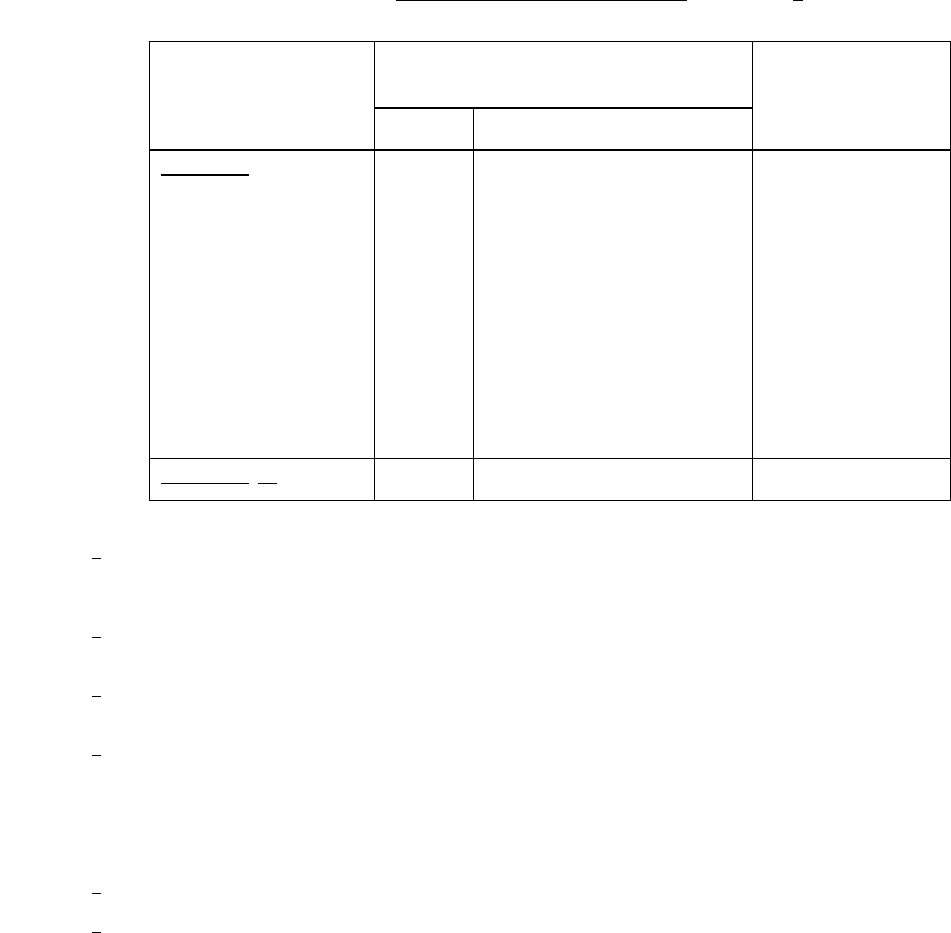
TABLE IIa. Group B tests for class level S devices - Continued. 1/
Test
MIL-STD-883 Quantity (accept no.)
Sample size no.
Accept number
Method Condition
Subgroup 6
a. End-point electrical
parameters
b. Temperature cycling
c. Constant acceleration
d. Seal
(a) Fine
(b) Gross
e. End-point electrical
parameters
1010
2001
1014
As specified in the
applicable device
specification
Condition C, 100 cycles
minimum
Test condition E: Y
1
orientation only
As specified in the
applicable device
specification
Sample size
Number = 15, c = 0
Subgroup 7 12/
1
/ Electrical reject devices from that same inspection lot may be used for all subgroups when end-point measurements
are not required provided that the rejects are processed identically to the inspection lot through pre burn-in electrical
and provided the rejects are exposed to the full temperature/ time exposure of burn-in.
2
/ Not required for qualification or quality conformance inspections where group D inspection is being performed on
samples from the same inspection lot.
3
/ This test is required only if it is a glass-frit-sealed package. Unless handling precautions for beryllia packages are
available and followed method 1018, procedure 3 shall be used. See Subgroup 6 of table IV.
4
/ Test three devices; if one fails, test two additional devices with no failures. At the manufacturers option, if the initial
test sample (i.e., 3 or 5 devices) fails, a second complete sample may be tested at an alternate laboratory that has
been granted current suitability status by the qualifying activity. If this sample passes, the lot shall be accepted
provided the devices and data from both submissions is submitted to the qualifying activity along with five additional
devices from the same lot. If sample size (accept number) of 5(1) is used to pass the lot, the manufacturer shall
evaluate his product to determine the reason for the failure and whether the lot is at risk.
5
/ Resistance to solvents testing required only on devices using inks or paints as a marking medium.
6
/ Unless otherwise specified, the sample size number for conditions C and D is the number of bond pulls selected from
a minimum number of four devices, and for condition F or H is the number of dice (not bonds).
*

MIL-STD-883F
METHOD 5005.14
18 June 2004
8
7/ All devices submitted for solderability test shall be in the lead finish that will be on the shipped product and which has
been through the temperature/time exposure of burn-in except for devices which have been hot solder dipped or
undergone tin-lead fusing after burn-in. The sample size number applies to the number of leads inspected except in
no case shall less than three devices be used to provide the number of leads required.
8
/ The sample size number of 45 for lead integrity shall be based on the number of leads or terminals tested and shall be
taken from a minimum of 3 devices. All devices required for the lead integrity test shall pass the seal test and lid
torque test, if applicable, (see 9
/) in order to meet the requirements of subgroup 4. For pin grid array leads and rigid
leads, use method 2028. For leaded chip carrier packages, use condition B1. For leadless chip carrier packages only,
use test condition D and a sample size number of 15 based on the number of pads tested taken from 3 devices
minimum. Seal test (subgroup 4b) need be performed only on packages having leads exiting through a glass seal.
9
/ Lid torque test shall apply only to glass-frit-sealed packages.
10
/ The alternate removal-of-bias provisions of 3.3.1 of method 1005 shall not apply for test temperature above 125°C.
11
/ Read and record group A subgroups 1, 2, and 3.
12
/ Subgroup 7 has been deleted from table IIa. The requirements for ESD testing are specified in appendix A of
MIL-PRF-38535.
MIL-STD-883F
METHOD 5005.14
18 June 2004
9
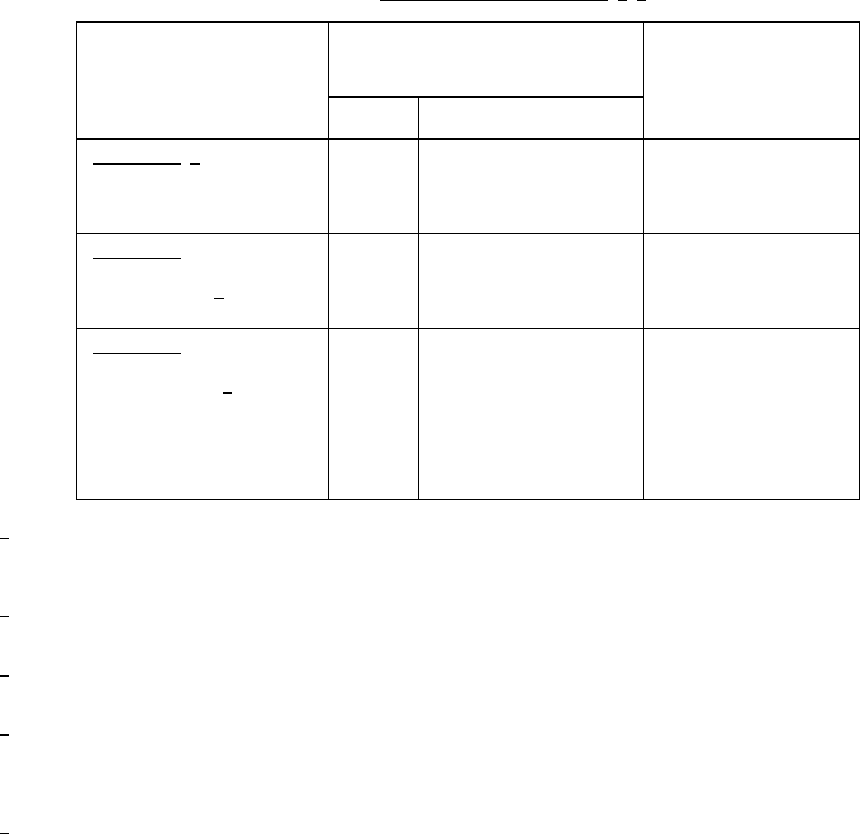
TABLE IIb. Group B tests for level class B. 1/ 2/
Test
MIL-STD-883 Quantity/(accept no.)
or sample size number,
accept number
Method Condition
Subgroup 2 3/
a. Resistance to solvents
2015
3(0)
Subgroup 3
a. Solderability 4
/
2003
Soldering temperature
of 245°C ±5°C
Sample size
number = 22, c = 0
Subgroup 5
a. Bond strength 5
/
(1) Thermocompression
(2) Ultrasonic or
wedge
(3) Flip-chip
(4) Beam lead
2011
(1) Test condition C or D
(2) Test condition C or D
(3) Test condition F
(4) Test condition H
Sample size
number = 15, c = 0
1
/ Electrical reject devices from the same inspection lot may be used for all subgroups when end-point measurements are
not required provided that the rejects are processed identically to the inspection lot through pre burn-in electrical and
provided the rejects are exposed to the full temperature/ time exposure of burn-in.
2
/ Subgroups 1, 4, 6, 7, and 8 have been deleted from this table. For convenience, the remaining subgroups will not be
renumbered.
3
/ Resistance to solvents testing required only on devices using inks or paints as the marking or contrast
medium.
4
/ All devices submitted for solderability test shall be in the lead finish that will be on the shipped product and which has
been through the temperature/time exposure of burn-in except for devices which have been hot solder dipped or
undergone tin-lead fusing after burn-in. The sample size number for solderability test applies to the number of leads
inspected except in no case shall less than 3 devices be used to provide the number of leads required.
5
/ Test samples for bond strength may, at the manufacturer's option, unless otherwise specified, be randomly selected
prior to or following internal visual (PRESEAL) inspection specified in method 5004, prior to sealing provided all other
specifications requirements are satisfied (e.g., bond strength requirements shall apply to each inspection lot, bond
strength samples shall be counted even if the bond would have failed internal visual exam). Unless otherwise specified,
the sample size number for condition C or D is the number of bond pulls selected from a minimum number of 4 devices,
and for condition F or H is the number of dice (not bonds) (see method 2011).