MIL- STD-883F 2004 TEST METHOD STANDARD MICROCIRCUITS.pdf - 第626页
MIL-STD-883F METHOD 5005.14 18 June 2004 10 TABL E III. Gr oup C (die-r elated t ests ) (f or cl ass l evel B only) . Test MIL-STD- 883 Quantity/(ac cept no. ) or sampl e size number accept number Method Condition Subgro…
MIL-STD-883F
METHOD 5005.14
18 June 2004
9
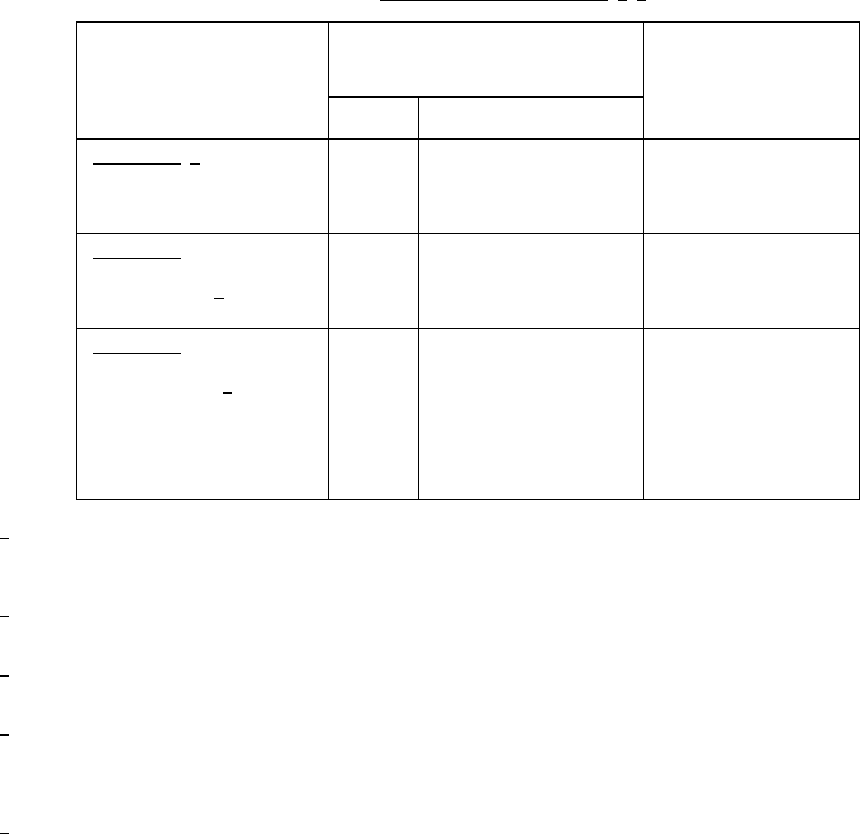
TABLE IIb. Group B tests for level class B. 1/ 2/
Test
MIL-STD-883 Quantity/(accept no.)
or sample size number,
accept number
Method Condition
Subgroup 2 3/
a. Resistance to solvents
2015
3(0)
Subgroup 3
a. Solderability 4
/
2003
Soldering temperature
of 245°C ±5°C
Sample size
number = 22, c = 0
Subgroup 5
a. Bond strength 5
/
(1) Thermocompression
(2) Ultrasonic or
wedge
(3) Flip-chip
(4) Beam lead
2011
(1) Test condition C or D
(2) Test condition C or D
(3) Test condition F
(4) Test condition H
Sample size
number = 15, c = 0
1
/ Electrical reject devices from the same inspection lot may be used for all subgroups when end-point measurements are
not required provided that the rejects are processed identically to the inspection lot through pre burn-in electrical and
provided the rejects are exposed to the full temperature/ time exposure of burn-in.
2
/ Subgroups 1, 4, 6, 7, and 8 have been deleted from this table. For convenience, the remaining subgroups will not be
renumbered.
3
/ Resistance to solvents testing required only on devices using inks or paints as the marking or contrast
medium.
4
/ All devices submitted for solderability test shall be in the lead finish that will be on the shipped product and which has
been through the temperature/time exposure of burn-in except for devices which have been hot solder dipped or
undergone tin-lead fusing after burn-in. The sample size number for solderability test applies to the number of leads
inspected except in no case shall less than 3 devices be used to provide the number of leads required.
5
/ Test samples for bond strength may, at the manufacturer's option, unless otherwise specified, be randomly selected
prior to or following internal visual (PRESEAL) inspection specified in method 5004, prior to sealing provided all other
specifications requirements are satisfied (e.g., bond strength requirements shall apply to each inspection lot, bond
strength samples shall be counted even if the bond would have failed internal visual exam). Unless otherwise specified,
the sample size number for condition C or D is the number of bond pulls selected from a minimum number of 4 devices,
and for condition F or H is the number of dice (not bonds) (see method 2011).
MIL-STD-883F
METHOD 5005.14
18 June 2004
10
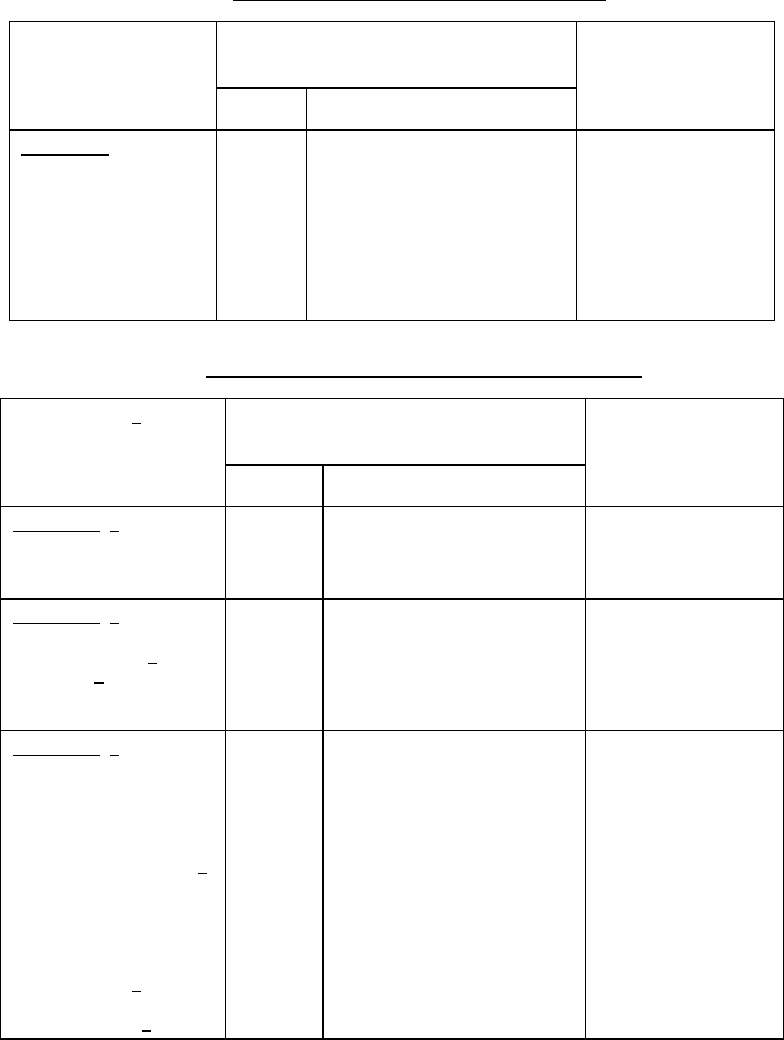
TABLE III. Group C (die-related tests) (for class level B only).
Test
MIL-STD-883 Quantity/(accept no.)
or sample size number
accept number
Method Condition
Subgroup 1
a. Steady-state life test
b. End-point electrical
parameters
1005
Test condition to be specified
(1,000 hours at 125°C or
equivalent in accordance with
table I)
As specified in the applicable
device specification
Sample size
number = 45, C = 0
TABLE IV. Group D (package related tests) (for class levels B and S)
.
Test 1
/ MIL-STD-883 Quantity/(accept no.)
or sample size number
accept number
Method Condition
Subgroup 1 2/
a. Physical dimensions
2016
Sample size
number = 15, C = 0
Subgroup 2 2/
a. Lead integrity 3
/
b. Seal 4
/
(1) Fine
(2) Gross
2004
1014
Test condition B
2
(lead fatigue)
As applicable
Sample size
number = 45, C = 0
Subgroup 3 5/
a. Thermal shock
b. Temperature cycling
c. Moisture resistance 6
/
d. Visual examination
e. Seal
(1) Fine
(2) Gross 7
/
f. End-point electrical
parameters 8
/
1011
1010
1004
1014
Test condition B as a minimum,
15 cycles minimum.
Test condition C, 100 cycles
minimum.
In accordance with visual
criteria of method 1004 and
1010
As applicable
As specified in the applicable
device specification
Sample size
number = 15, C = 0
See footnotes at end of table.
MIL-STD-883F
METHOD 5005.14
18 June 2004
11
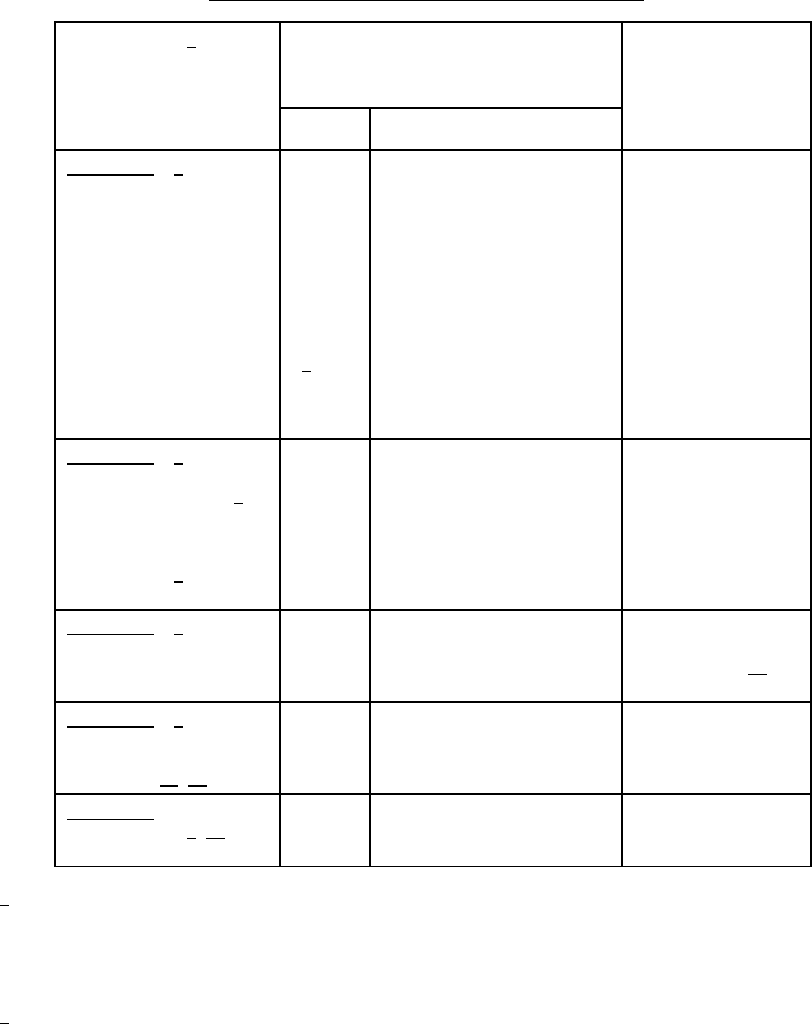
TABLE IV. Group D (package related tests) (for class levels B and S) - Continued.
Test 1
/ MIL-STD-883 Quantity/(accept no.)
or sample size
number
accept number
Method Condition
Subgroup 4 5/
a. Mechanical shock
b. Vibration, variable
frequency
c. Constant acceleration
d. Seal
(1) Fine
(2) Gross
e. Visual examination
f. End-point electrical
parameters
2002
2007
2001
1014
9
/
Test condition B minimum
Test condition A minimum
Test condition E minimum
(see 3), Y
1
orientation only
As applicable
As specified in the applicable
device specification
Sample size
number = 15, C = 0
Subgroup 5 2/
a. Salt atmosphere 6
/
b. Visual examination
c. Seal
(1) Fine 7
/
(2) Gross
1009
1014
Test condition A minimum
in accordance with visual
criteria of method 1009
as applicable
Sample size
number = 15, C = 0
Subgroup 6 2/
a. Internal water-vapor
content
1018
5,000 ppm maximum water
content at 100°C
3(0) or 5(1) 10
/
Subgroup 7 2/
a. Adhesion of lead
finish 11
/ 12/
2025
Sample size
number = 15, C = 0
Subgroup 8
2
/ 13/
a. Lid torque
2024
5(0)
1
/ In-line monitor data may be substituted for subgroups D1, D2, D6, D7, and D8 upon approval by the qualifying
activity. The monitors shall be performed by package type and to the specified subgroup test method(s). The
monitor sample shall be taken at a point where no further parameter change occurs, using a sample size and
frequency of equal or greater severity than specified in the particular subgroup. This in-line monitor data shall be
traceable to the specific inspection lot(s) represented (accepted or rejected) by the data.
2
/ Electrical reject devices from that same inspection lot may be used for samples.