X-Series-Maintenance-Manual(1).pdf - 第12页
Introduction Preparatory Work... Safe ty Instructions for Maintenance Tasks 12 Maintenance Manual SIPLACE X Series ► Alternative: Attaching warning signs If a machine can be locked, it must be. However, there are situ at…
Introduction
Safety Instructions for Maintenance Tasks Preparatory Work...
Maintenance Manual SIPLACE X Series 11
Prepara tory Wo rk...
1.2 Preparatory Work...
Purpose and scope
Before performing any preventive maintenance work or service work, a procedure of locking and tagging
must be followed and warning signs must be attached. The procedure, when followed correctly
eliminates the possibility of an employee being injured.
Description
Whenever it becomes necessary to isolate, control and release energy, the following procedure is to be
followed.
► Notify affected employees.
► Switch off the machine and all additional devices. Carry out all normal stopping procedures:
⇨ Press the STOP button.
⇨ Shut down the station computer.
⇨ Switch the machine off at the main switch.
► Isolate the machine from all its energy sources:
⇨ Shut off the compressed air supply.
⇨ Shut off the main power supply.
► Lock out the machine.
⇨ Attach a lock wherever possible, e.g. to the main power switch or the motor contactor.
NOTICE
Additional safety measures
These procedures represent the minimum lock/tag out requirements for the machine during
preventive maintenance work and service work. Any additional safeguards needed to complete
work safely can be specified by facilities supervision, the safety officer, the safety committee
and the health department.
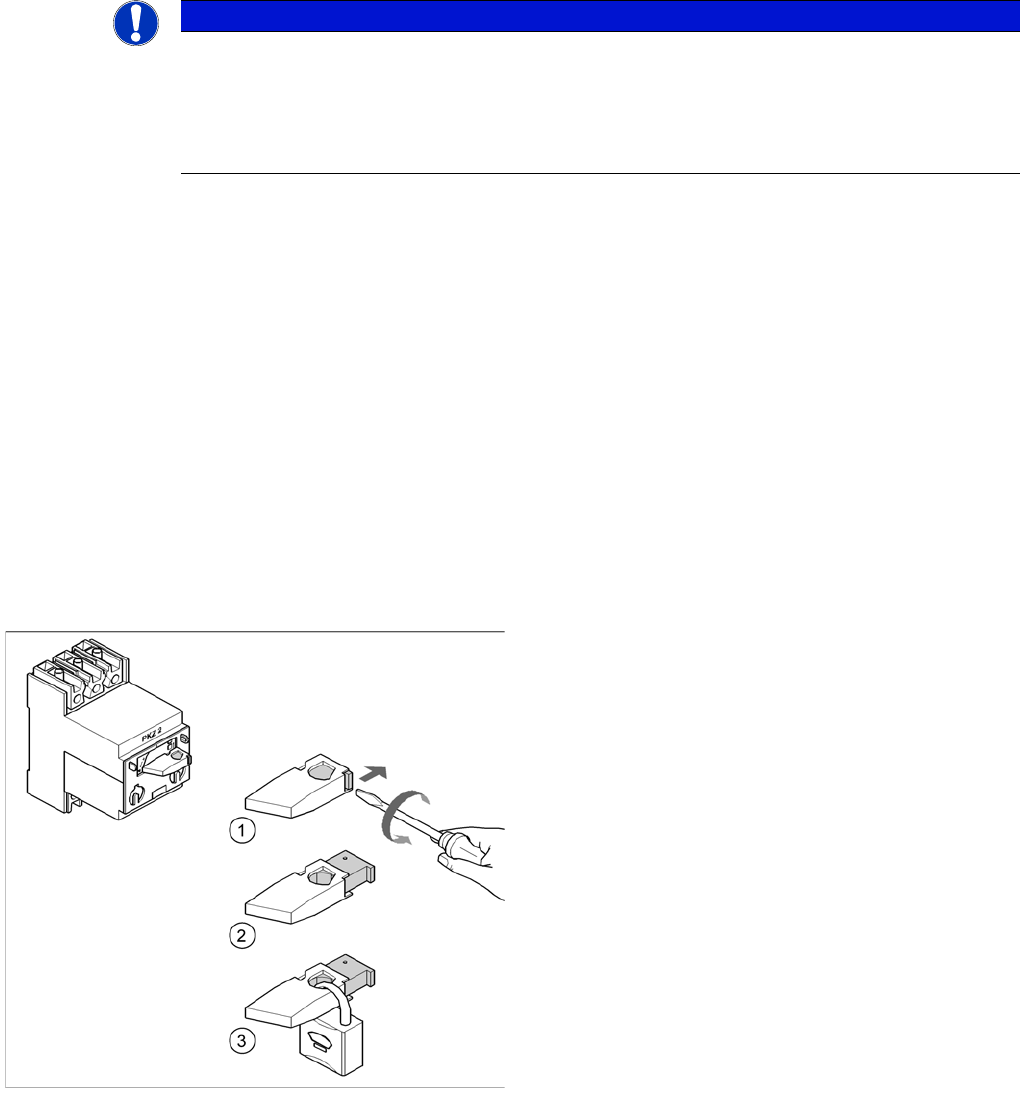
Example: Attaching a padlock to the motor contactor
► Turn the operating lever (1) counterclockwise.
► Use the screwdriver to push the locking lug (2) out of
the operating lever (1).
► Secure the operating lever with a padlock (3).
Introduction
Preparatory Work... Safety Instructions for Maintenance Tasks
12 Maintenance Manual SIPLACE X Series
► Alternative: Attaching warning signs
If a machine can be locked, it must be. However, there are situations where energy isolating devices
cannot accommodate locks. In these cases, the energy isolating devices must be tagged to warn
employees that the machine is de-energized for servicing. The tag or label must be securely
fastened, it must be placed in a position visible to all and it may only be removed by the person who
attached it.
► Release of stored energy
Stored energy in the compressed air supply or electrical energy in electrolytic capacitors must be
released by appropriate means.
⇨ After switching off the machine, wait until the voltages and the compressed air have discharged,
so that work can be performed without any risk.
► Testing the lock out.
Testing the lock out can be done simply by pressing the start button.
► The following steps must be taken to restore the machine to operation.
► Check the working area. Authorized employees should remove all of their tools and reinstall all safety
features.
► Notify all affected employees.
► Before removing even one lock or tag, inform all workers in the affected area that the machine is
going to be restarted.
► Remove locks/tags
► Every authorized employee must remove his own lock and shut it away.
► Turn the machine on. Make sure that authorized staff check the equipment in operation to ensure
that repairs were done correctly
Testing
Service personnel may test circuits by energizing them briefly without suspending the Lock Out / Tag
Out Procedure. This may only be done when no other work is being performed by any other person on
the equipment being tested.
It is extremely important that all remote start switches be tagged with the "Do Not Operate" tag to prevent
inadvertent operation of the equipment during these periods.
Responsibilities
▪ It shall be the responsibility of the maintenance and service personnel to make sure this procedure
is adhered to.
▪ It shall be the responsibility of the maintenance and service personnel's immediate supervisor to
instruct his personnel on this procedure.
▪ It shall be the responsibility of the Safety Officer with assistance from the Safety Committee, Health
Service Department, and the various managers and vice-presidents to administer the Lock Out / Tag
Out Procedure.
Introduction
Minor and Major Maintenance Maintenance Notes
Maintenance Manual SIPLACE X Series 13
Maintenance Notes
1.3 Maintenance Notes
See also
1.1.7 Safety Instructions for Maintenance Tasks [ ➙ 10]
Minor an d Major M aintenance
1.3.1 Minor and Major Maintenance
Maintenance to production equipment is subject to underlying conditions stipulated by the production
schedule and other organizational circumstances. The availability of the staff trained and authorized to
perform SIPLACE maintenance also plays a role in the ability to realize maintenance work.
To facilitate easier realization of SIPLACE maintenance in the daily work routine, this SIPLACE
maintenance manual takes into account the degree of complexity for each maintenance task. The tasks
are therefore differentiated between Minor Maintenance and Major Maintenance.
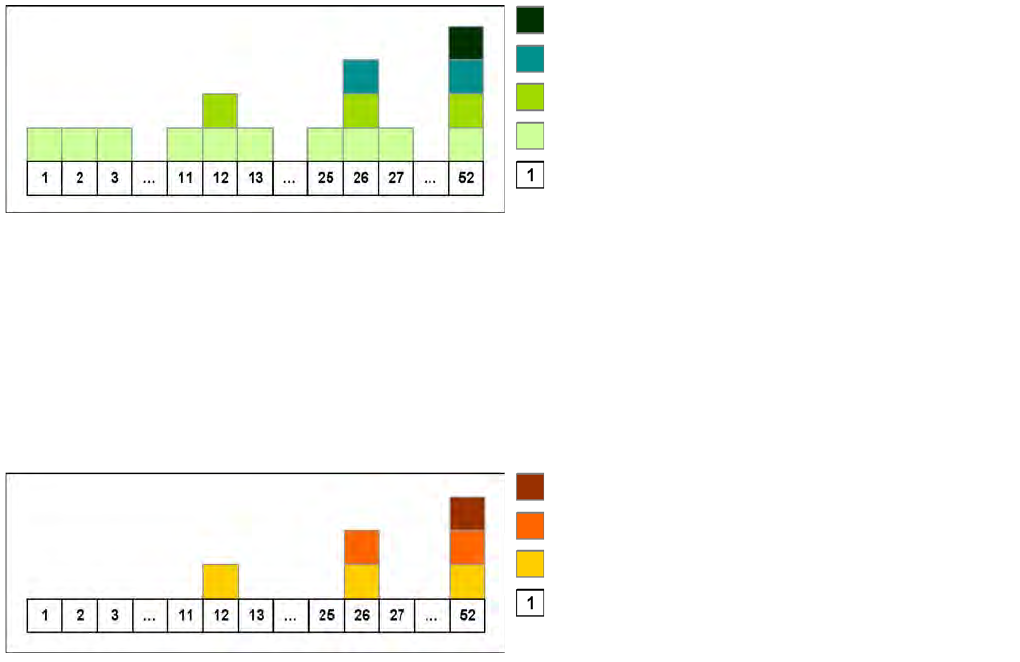
Minor Maintenance
Minor Maintenance includes simple maintenance tasks. These do not require any special training and
can be performed with the help of the maintenance manual. This work is typically executed by operating
personnel. Minor Maintenance is a weekly maintenance block, which can be extended on a 3 monthly,
6 monthly and annual basis, to include other tasks. The Minor Maintenance work generally takes approx.
1 hour per line, depending on the line configuration and the number of people performing the
maintenance.
Minor Maintenance = weekly maintenance break, simple tasks
Major Maintenance
Major Maintenance are maintenance tasks with a higher degree of complexity. These require prior
training to perform the tasks. This work is typically performed by trained operating personnel or by staff
from the maintenance team. Major Maintenance is a 6 monthly maintenance block (3 monthly for C&P20
heads), which can be annually extended to include other tasks. Major Maintenance work to SIPLACE
machines is often performed when major oven maintenance is performed at the line.
Major Maintenance = 3, 6 monthly maintenance breaks, complex tasks
Annual maintenance tasks
6-monthly maintenance tasks
3-monthly maintenance tasks
Weekly maintenance tasks
Week
Annual maintenance tasks
6-monthly maintenance tasks
3-monthly maintenance tasks
Week