80S-2080F480F5.pdf - 第377页
SIPLACE 80S-20/F4/F5 User M anual 5 Vision Func tions 05/99 Issue from Software Version SR.405.xx 5.7 Guidelines for D escribing Package F orms Line en gineer 5 - 145 5.7.7.5 T esting Illumination Settings Y ou can set t…
5 Vision Functions SIPLACE 80S-20/F4/F5 User Manual
5.7 Guidelines for Describing Package Forms 05/99 Issue from Software Version SR.405.xx
5 - 144 Line engineer
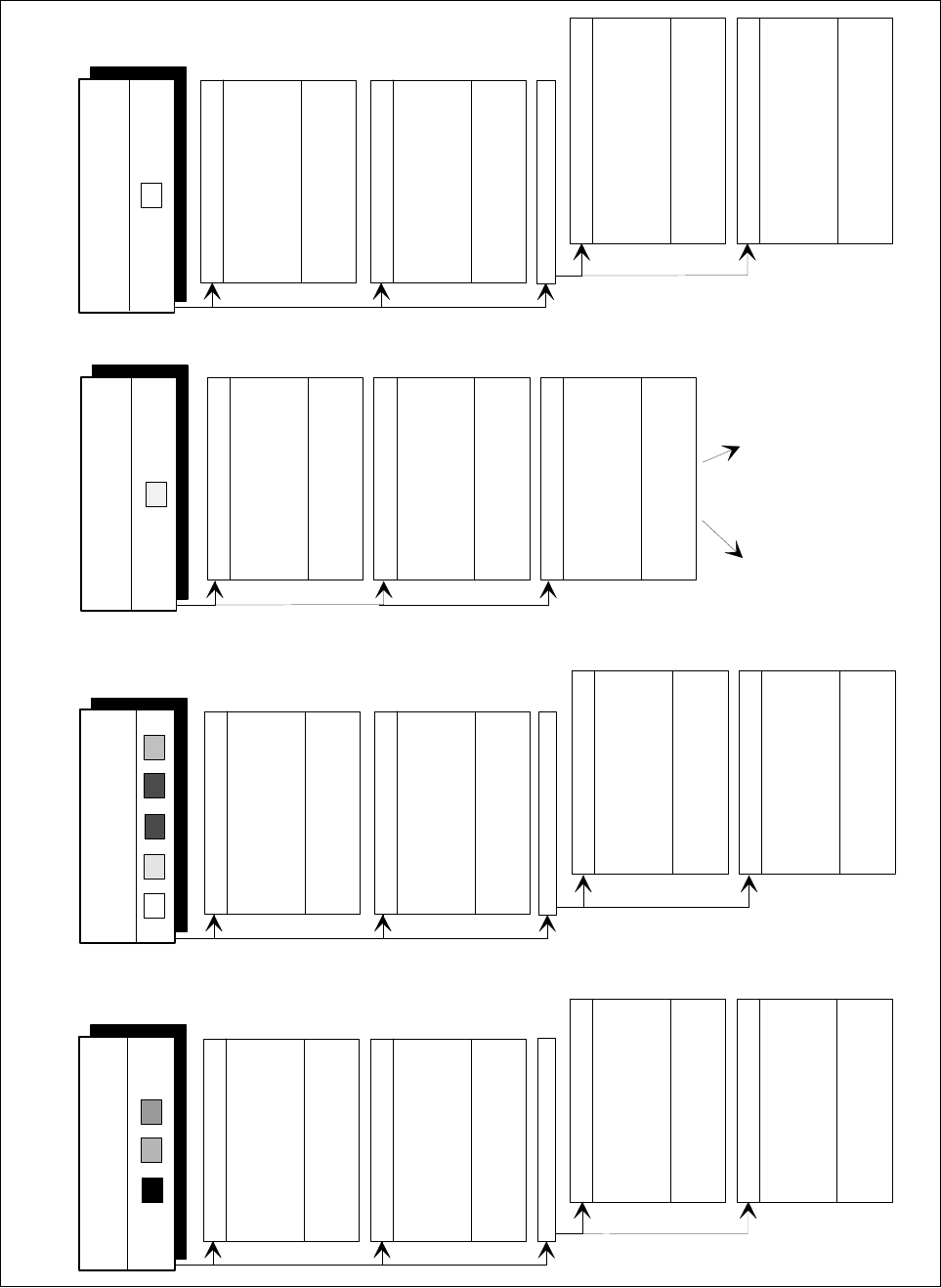
Fig. 5.7.10 Illumination parameters for other components at the IC head camera
A
dju
sting the illumination of other com
ponents
L
ig
h
t an
d
d
u
ll b
o
d
y
( w
hite
, yellow
, red, brow
n, g
rey,
m
etallic dull )
C
eram
ic b
o
d
y
D
ark a
n
d
d
u
ll b
o
d
y
( black, blue,
green )
R
eflectiv
e b
o
d
y
(independ
ently of color and m
ate
rial)
D
u
ll le
ads
fla
t: 100
m
iddle: 30
stee
p
: 4
0
V
isu
al sepa
ra
tion
b
etw
een
lea
ds
an
d bod
y is not p
ossible.
Illu
m
in
ate bod
y a
nd
lea
ds eq
ually.
M
ea
sure ou
tline.
S
h
iny lea
d
s
C
le
ar sepa
ra
tion
b
etw
ee
n le
ads
and
b
ody.
D
u
ll le
ads
fla
t: 255
m
iddle: 90
stee
p: 0
S
hiny lea
ds
1. Illum
ina
te
bo
dy an
d le
ads e
qua
lly.
M
easure
o
utlin
e.
2. T
rick: U
se
flat a
nd m
iddle leve
ls
to
brin
g le
ads im
ag
e to
sa
tura
tion
.
M
easure
.
C
le
ar sepa
ra
tion
betw
ee
n
le
ads
a
nd
b
ody.
fo
r va
riant 2:
flat: 1
60
m
id
dle: 6
0
steep
: 0
C
le
ar
sepa
ra
tion
betw
ee
n le
ads
and
b
ody.
C
lea
r sep
aratio
n
be
tw
e
en lea
ds
an
d bod
y.
J-L
ead ( P
LC
C
), convex-typ
e leads
G
ullw
ing
le
a
ds
( S
O
, Q
F
P
)
D
u
ll le
ads
S
hiny lea
ds
C
lea
r sep
arat
io
n
be
tw
e
en lea
ds
an
d bod
y.
C
le
ar sepa
ration
betw
ee
n le
ads
and
b
ody.
J-Lead ( P
LC
C
), co
nvex-type leads
G
ullw
in
g le
ads
( S
O
, Q
F
P
)
fl
a
t: 90
m
id
dle: 40
stee
p
: 10
fl
at: 2
00
m
id
dle: 3
0
steep
: 5
C
le
ar sepa
ra
tio
n
betw
ee
n le
ad
s
and
b
ody.
C
le
ar sepa
ration
betw
ee
n le
ads
and
b
ody.
O
the
r
lead
shap
es
D
ull
le
ads
V
isual se
paratio
n
betw
ee
n lead
s
and
b
ody is no
t g
e
nerally possible.
S
hiny lea
ds
Le
ads:
O
u
tline:
M
e
asu
ring
m
e
th
od:
V
is
ua
l se
paration betw
e
en
lead
s
an
d
b
ody is no
t po
ssible.
Illum
inate
bo
dy an
d le
ads e
qua
lly
.
M
e
asure
o
utlin
e.
V
isual se
paratio
n betw
ee
n lead
s
and
b
ody is no
t po
ssible. M
e
asure
outli
n
e or lea
d tips. Le
ads a
re
outside
the
b
ody.
J-Lead ( P
LC
C
), conve
x-type leads
G
ullw
in
g le
ads
( S
O
, Q
F
P
)
O
th
er lea
d s
ha
pes
C
on
vex
-typ
e le
ads
O
th
er lea
d sha
pes
V
isua
l se
paration betw
e
en lead
s
and
b
ody is no
t g
e
nerally possible.
Illum
inate bo
dy an
d le
ad
s e
qua
lly.
M
easure
o
utlin
e.
Illu
m
in
atio
n
le
vel
B
rig
h
tn
ess
flat: 12
0 -
14
0
m
idd
le
: 40
- 60
ste
ep: 0
- 10
flat: 9
0
m
idd
le
: 90
ste
ep: 5 -
10
fl
at: 9
0
m
id
dle: 4
0
steep
: 10
fl
a
t: 200
m
id
dle: 30
stee
p
: 5
V
isual se
paratio
n betw
ee
n
lead
s
and
b
ody is no
t ge
n
erally possible.
Le
ads:
O
u
tline:
M
e
as
u
ring
m
e
th
od:
fla
t: 1
20
m
id
dle: 4
0
stee
p: 10
- 20
fla
t: 1
20
m
id
dle: 40
stee
p:
0
- 10
fla
t: 0
m
iddle:
0
stee
p: 1
0 - 20
fla
t: 0
m
iddle: 0
stee
p: 2
0 - 40
fla
t: 0
m
iddle: 0
stee
p
: 2
5
fla
t: 100
m
iddle: 30
stee
p: 4
0
flat: 1
60
m
id
dle: 6
0
steep
: 0
flat:
15
0 - 25
5
m
idd
le
:
60 - 1
20
ste
ep:
0

SIPLACE 80S-20/F4/F5 User Manual 5 Vision Functions
05/99 Issue from Software Version SR.405.xx 5.7 Guidelines for Describing Package Forms
Line engineer 5 - 145
5.7.7.5 Testing Illumination Settings
You can set the illumination parameters by calling the ’Illumination’ option (see Section 5.6.4.8, Page 5 - 105).
Using the 'Measure Component Option' you can then measure the component and check your settings with
the aid of the measurement results.
Proceed as follows to test your illumination setting:
Using the illumination values suggested in Figures 5.7.9 or 5.7.10 carry out measurement. Measurement
should run through successfully.
For each level reduce the set brightness level by 50 %.
Measurement should run through successfully.
For each level raise the set brightness level by 50 %.
Measurement should run through successfully.
If you are not successful with the above procedure, proceed as follows:
Starting with the suggested illumination value, increase the brightness of each individual illumination level
for as long as measurement is still successful.
Find this upper limit value for each individual illumination level in turn.
Starting with the suggested illumination value, decrease the brightness of each individual illumination level
for as long as measurement is still successful. Find this lower limit value for each individual illumination
level in turn.
Determine the average value of the upper and lower limit values. This will be the optimum illumination
value.
Example of an illumination test:
– Settings from the diagram:
flat: 170
middle: 60
steep: 5
– Measure the component. Measurement is successful.
– Reduce setting values by 50%.
flat: 85
middle: 30
steep: 2
– Increase setting values by 50%.
flat: 255
middle: 90
steep: 8
– Measure the component. Measurement is successful.
– Reset the settings to the suggested values:
flat: 170
middle: 60
steep: 5
¬ optimum setting

5 Vision Functions SIPLACE 80S-20/F4/F5 User Manual
5.7 Guidelines for Describing Package Forms 05/99 Issue from Software Version SR.405.xx
5 - 146 Line engineer
5.7.7.6 General Information on Setting Illumination Values
– As a rule it is better to overilluminate the component than to underilluminate it. A saturated image is prefer-
able to a low-contrast image.
– Optimum illumination is attained when only the leads are imaged and the component body is not shown.
– If you cannot clearly separate the image of the component body from the leads, we recommend to illumi-
nate body and leads equally and then to measure the outline.
5.7.8 Setting the Components Illumination at the 6x Revolver Head
Camera (Standard vision system)
5.7.8.1 General Information on Illumination Methods
The idea of illumination setting is to obtain an image of the leads of a component which is as high-contrast as
possible. At the same time it is also important to suppress representation of the body of the component.
These instructions are intended to help you find the best possible illumination parameters. This, however,
does not imply that you rigidly comply with the values specified in these instructions. The way you should pro-
ceed is first to follow these instructions and then to adjust the parameters yourself where necessary. It may
well be that you come across one or other component the leads of which are better illuminated using values
different to the ones suggested in these instructions.
The illumination system comprises three different illumination levels. The intensities can be programmed indi-
vidually. By using the individual illumination levels one at a time or in combination with one another you can
adapt the illumination to suit a wide range of components.
Flat illumination level
The flat illumination level is used for illuminating BGAs, µBGAs, flip-chips, J-lead components (PLCC), Melfs
and components with convex-type leads. It tends to emphasize body and lead edges. It is, however, less suit-
able for displaying bright component bodies and ceramic components.
Steep illumination level
The main application for the steep illumination level is for reflective leads, ceramic components and bright
component bodies. It is less suitable for reflective component bodies, flip-chips or µBGAs.
NOTE
Most components will require a combination of these three illumination levels to achieve optimum illumination.
Using
one
illumination level will only be successful in exceptional cases.