Forte Max Manual.pdf - 第8页
ForteMAXDispensingSystemAddendum Safety 4 © 2023 Nordson Corpo ration 2.4 Basic Safety Prec autions and Pract ices Compliance wit h the following recomm ended precautions and practices reduces the ri s k of personal …

© 2023 Nordson Corporation 3
2 Safety
2.1 Overview
This section is intended to provide basic safety information necessary for operating and servicing the
Forte MAX Dispensing System. To further optimize safe operation, precautions and recommended
practices are included with the procedures throughout this manual.
WARNING!
Failure to comply with any of the safety recommendations could cause serious
injury to the user or damage to the dispensing system.
?
NOTE
Safety is considered a joint responsibility between the original equipment manufacturer
(Asymtek) and the end-user (owner). All safety precautions and practices should be in
accordance with local regulations and facility policy.
2.2 Safety First
Operation of the dispensing system involves heat, air pressure, electrical power, mechanical devices, and
the use of hazardous materials. It is essential that every person servicing or operating the dispensing
system fully understands all hazards, risks, and safety precautions. In addition to the safety precautions
listed in this manual, refer to the Forte Dispensing System Installation, Operations, and Maintenance
Manual for important safety information.
2.3 Equipment Use
2.3.1 Intended Use
Use of Asymtek equipment in ways other than those described in the documentation supplied with the
equipment may result in injury to persons or damage to property.
2.3.2 Misuse
Some examples of misuse of the equipment include:
• Using incompatible materials
• Making unauthorized modifications
• Removing or bypassing safety guards or interlocks
• Using incompatible or damaged parts
• Using unapproved auxiliary equipment
• Operating equipment in excess of maximum ratings

ForteMAXDispensingSystemAddendum Safety
4 © 2023 Nordson Corporation
2.4 Basic Safety Precautions and Practices
Compliance with the following recommended precautions and practices reduces the risk of personal injury
or damage to property during Forte dispensing operation and maintenance.
WARNING!
Failure to comply with any of the safety recommendations could cause serious
injury to the user or damage to the dispensing system.
2.4.1 Safety of Personnel
• Only trained personnel should perform installation, operation, maintenance, and
troubleshooting procedures on the dispensing system.
• There should always be a second person present when performing maintenance on a
system that is powered up.
• Locate, identify, and obey all safety warning labels on your system before initial use. Refer
to the Forte Dispensing System Installation, Operations, and Maintenance Manual for safety
warning labels.
• Immediately push the red Emergency Machine Off (EMO) button on the dispensing system
if personnel are in danger.
• Lockout/Tagout (LOTO) and disconnect facility air to Forte Dispensing System before
performing service or maintenance on the dispensing system, see 2.12 Lockout/Tagout of
Electrical and Pneumatic Energy.
• Do not wear loose clothing or jewelry while operating the system. Tie back long hair to
prevent it from being caught in moving parts.
• Do not touch any moving parts while the Forte Dispensing System is operating.
• To prevent burn injury, wear thermal gloves when working around heater tooling and fluid
heaters.
• Make sure the main power cable and main air supply hose are securely connected before
operating the dispensing system.
• Relieve pneumatic pressure before adjusting or servicing pressurized components.
• Unplug the power source before performing service or maintenance on the dispensing
system.
• Make sure all facility power sources are safely grounded.
• Routinely inspect all air hoses and electrical cables for damage.
• Make sure power cords and air supply hoses do not cross a walkway or aisle.
• Maintain a clean and orderly work area.
2.4.2 Material Safety
• Follow Safety Data Sheet (SDS) recommendations for the proper handling, cleanup, and
disposal of all materials and fluids and their containers (i.e., syringes, cups, reservoirs, etc.)
used with the dispensing system.
• Know the SDS recommendations for treatment of injury resulting from exposure to
hazardous materials.
• Obtain the SDS from the applicable chemical supplier for chemical substances not provided
with the equipment. These chemical substances include those used for processing,
maintenance, and service of the equipment.
ForteMAXDispensingSystemAddendum Safety
© 2023 Nordson Corporation 5
• Follow SDS recommendations for the proper handling and disposal of all materials used for
cleaning dispensing equipment and spills.
• Always wear appropriate Personal Protective Equipment (PPE) as recommended by facility
safety practices and the material manufacturer’s SDS.
• When working with multiple fluids, refer to the SDS to ensure the materials are compatible.
• If possible, save or recycle unused materials. Refer to the SDS before saving or recycling
unused materials.
• DO NOT dispense fluids with a flash point less than 93 °C.
• DO NOT dispense toxic fluids (materials with a TLV of 200 ppm or lower).
2.4.3 Preventing Equipment and Workpiece Damage
• Immediately push the EMO (E-Stop) button if the dispensing system, valve, or a workpiece
is in danger of being damaged.
• Use standard Electrostatic Discharge (ESD) precautions when working near sensitive
components. Always wear a grounding strap and connect it to the ESD ground before
handling workpieces and equipment.
• Perform all recommended maintenance procedures at the suggested intervals.
• Immediately contain and clean up any caustic or conductive fluid spills as recommended in
the material manufacturer’s SDS.
• Use only replacement parts that are designed for use with the original equipment.
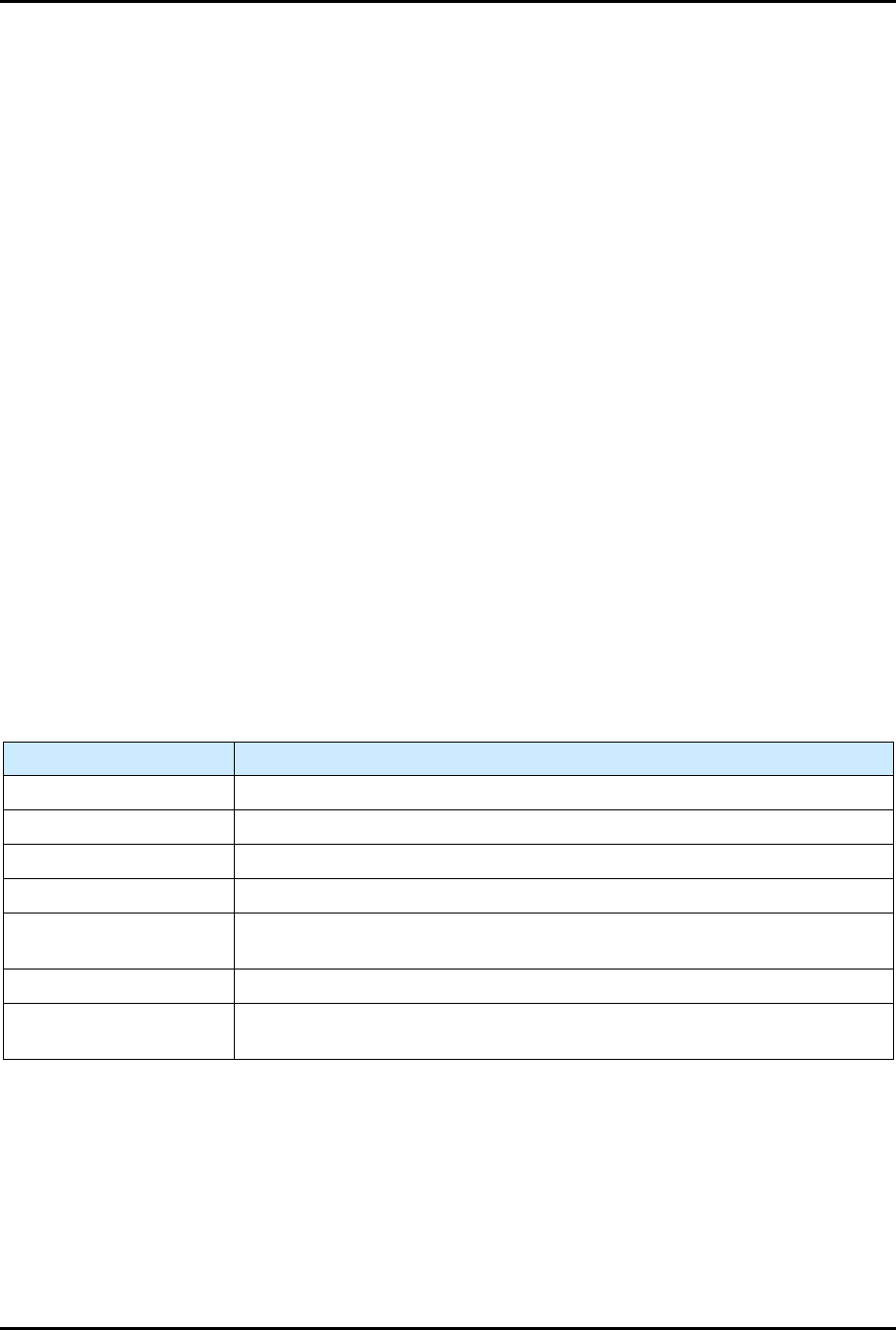
2.5 Decommissioning
Table 2-1 Recommended Decommissioning Procedures
Component Disposition
Aluminum Parts Recycle aluminum panels, shelves, doors, and hardware.
Steel Parts Recycle any steel parts.
Copper Wiring Recycle any copper wiring.
Electronic Components Discard in accordance with local safety/environmental regulations.
Pneumatic Components
Recycle or discard in accordance with local safety/environmental
regulations.
Printed Circuit Boards Discard in accordance with local safety/environmental regulations.
Plastics
Recycle or discard in accordance with local safety/environmental
regulations.