Tracker-2800-2800S.pdf - 第68页
68 All bipolar junction transist ors have essentially the same looking signatures. Identifying Unknown Transistors Sometime s, we need to identify unknown transistors. We may need to replace one in a circuit for which we…
67
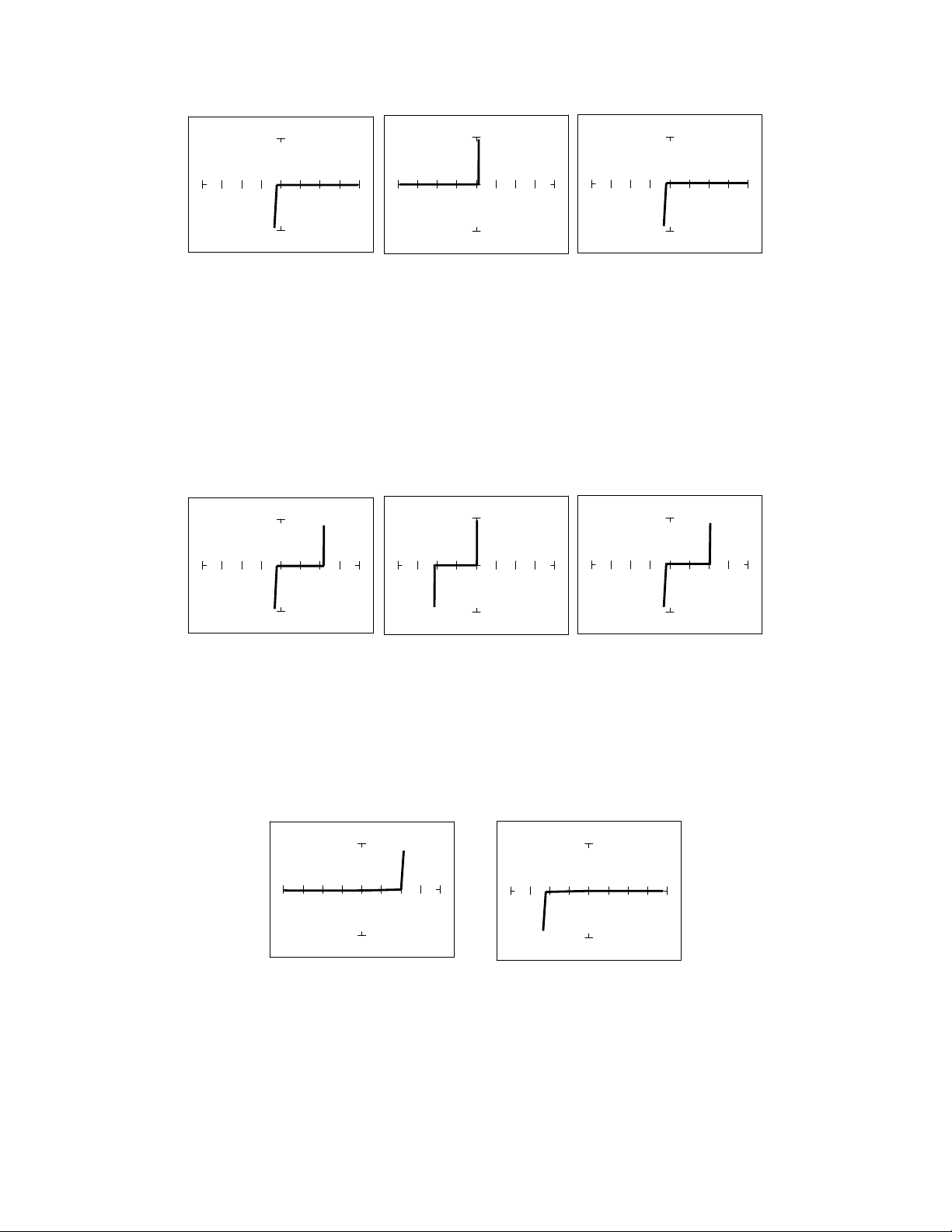
Diode 1N914 PNP 2N3906 NPN PN2222A
Figure 4-20. Signatures of a Diode and Collector-Base of Transistors at 1K and 15V.
Notice that the collector-base signature of a NPN transistor is identical to the signature of diode. The
collector-base signature of a PNP transistor, which has opposite polarity from a NPN, looks similar to
a diode with its polarity reversed. These are the signatures we expected from our circuit modeling. We
can do the same kind of comparison with the emitter-base circuits.
Zener Diode 1N5239B PNP 2N3906 NPN PN2222A
Figure 4-21. Signatures of a Diode and Emitter-Base of Transistors at 1K and 15V.
We can see that the base-emitter signature of the NPN transistor is nearly identical to the signature of
the zener diode. The emitter-base signature of a PNP transistor is also nearly identical but opposite in
polarity to the zener diode.
PNP Transistor - 2N3906 NPN Transistor - PN2222A
Figure 4-22. Signatures of the Collector-Emitter of Transistors at 1Kand 15V.
You can see that the collector-emitter signature of a PNP transistor looks like a forward biased diode
with the knee at approximately +7 Volts. The collector-emitter signature of a NPN transistor looks
similar to a reverse biased diode with the knee at approximately -7 Volts.
68
All bipolar junction transistors have essentially the same looking signatures.
Identifying Unknown Transistors
Sometimes, we need to identify unknown transistors. We may need to replace one in a circuit for
which we do not have a schematic. The Tracker 2800 makes this a relatively simple procedure because
each type of junction has a characteristic signature. This makes it possible to identify each of the
terminals and the polarity of the transistor.
Do the following:
1. Select 20V, 10Kand 60Hz.
2. Probe pin 1 with the red probe and pin 2 with the black probe.
3. Identify the signature.
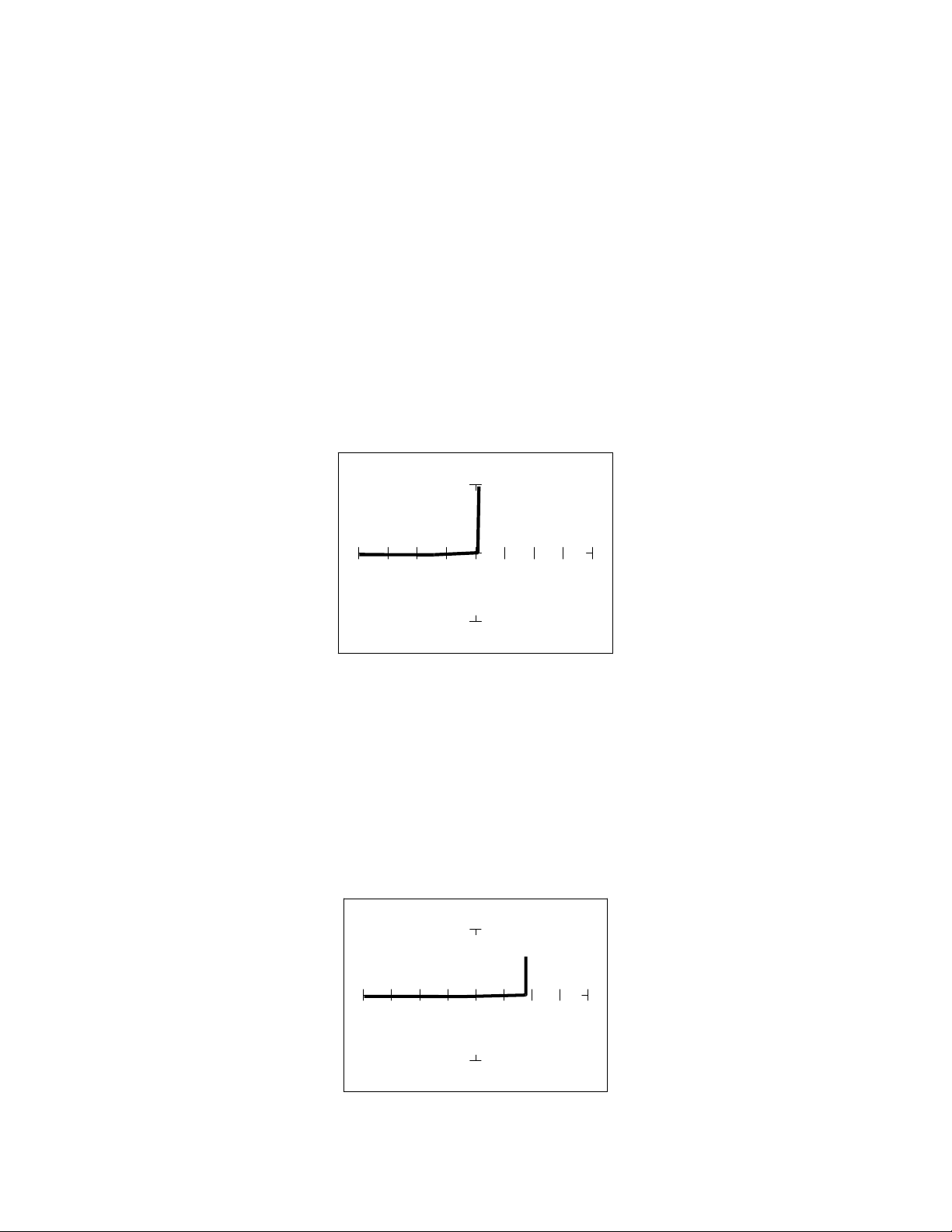
Figure 4-23. Signature of Pins 1 And 2 of an Unknown Transistor.
4. This looks like a collector-base signature. What you do not know yet, is which pin is the collector
and which pin is the base?
5. Probe pin 3 with the red probe and pin 2 with the black probe.
6. Identify the signature.
7. This looks like a collector-emitter signature.
Figure 4-24. Signature of Pins 3 and 2 of an Unknown Transistor.
69
8. Now that you know that pin 2 of the unknown transistor is the collector. Place the black probe to the
base on pin 1 and move the red probe to the emitter on pin 3. A base to emitter signature will be
displayed. This transistor is a NPN type since the base-emitter signature matches a NPN transistor.
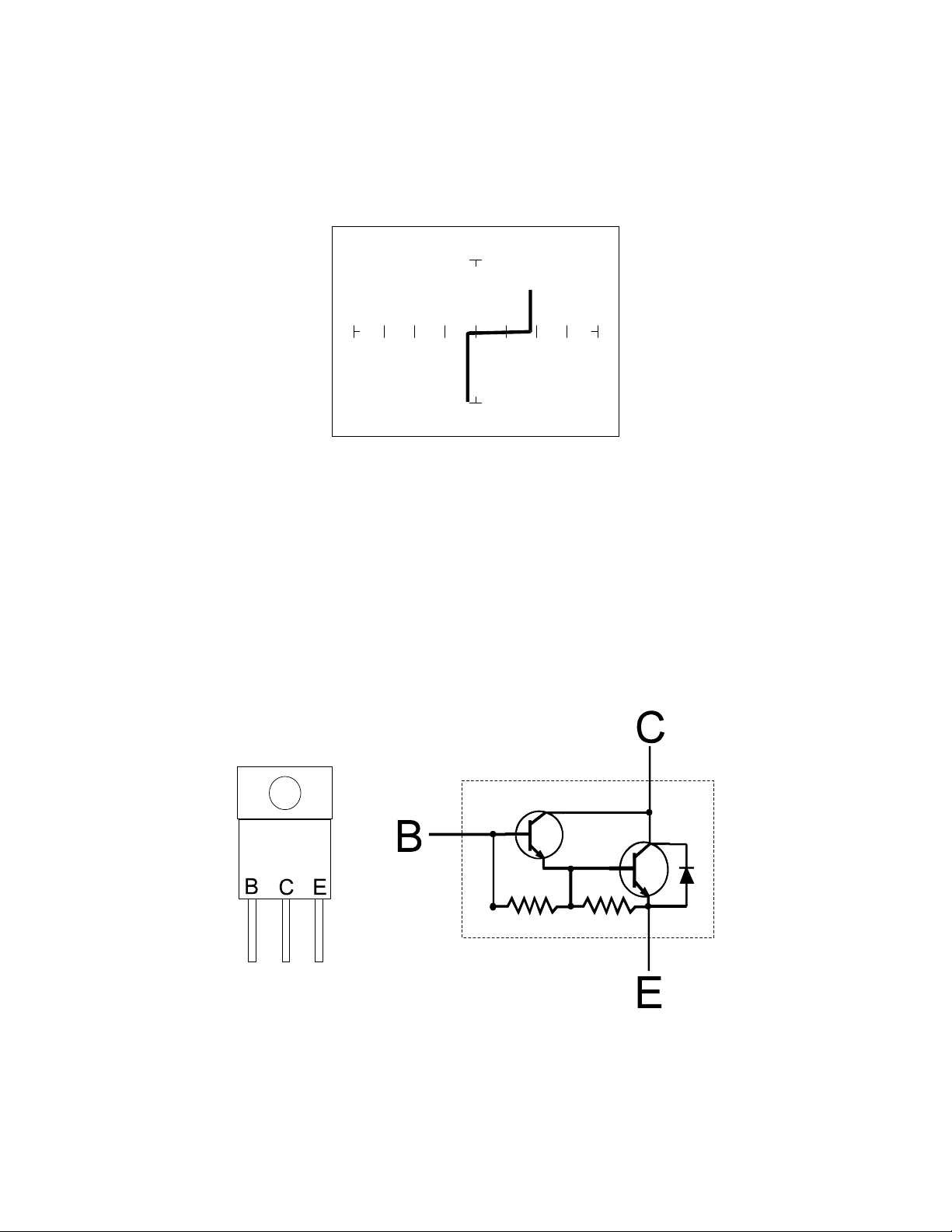
Figure 4-25. Signature of Pins 1 and 3 of an Unknown Transistor.
Darlington Bipolar Transistor Signatures
The Darlington transistor is basically two transistors paired together in a special configuration. The
emitter of the first transistor is connected to the base of the second transistor. The collectors of both
transistors are connected together. The base of the first transistor serves as the external base lead and
the emitter of the second transistor serves as the external emitter lead. A block diagram of a Darlington
transistor and its analog signature are shown in the following figures.
Figure 4-26. Diagram of a Darlington Transistor.