192277 - Micron Technical Reference Volume 3.pdf - 第226页
FOREIGN MACHINE INTERFAC E MULTI-INTERFACE UNIT 33.24 Technical Reference Manual Chapter Issue 5, Aug 14 Figure 33-22 Siemens Upline Logi cal T iming Diagram < Transfer Period Upline M/C (I/P to DEK M/C) Request DEK M…
FOREIGN MACHINE INTERFACE
MULTI-INTERFACE UNIT
Chapter Issue 5, Aug 14 Technical Reference Manual 33.23
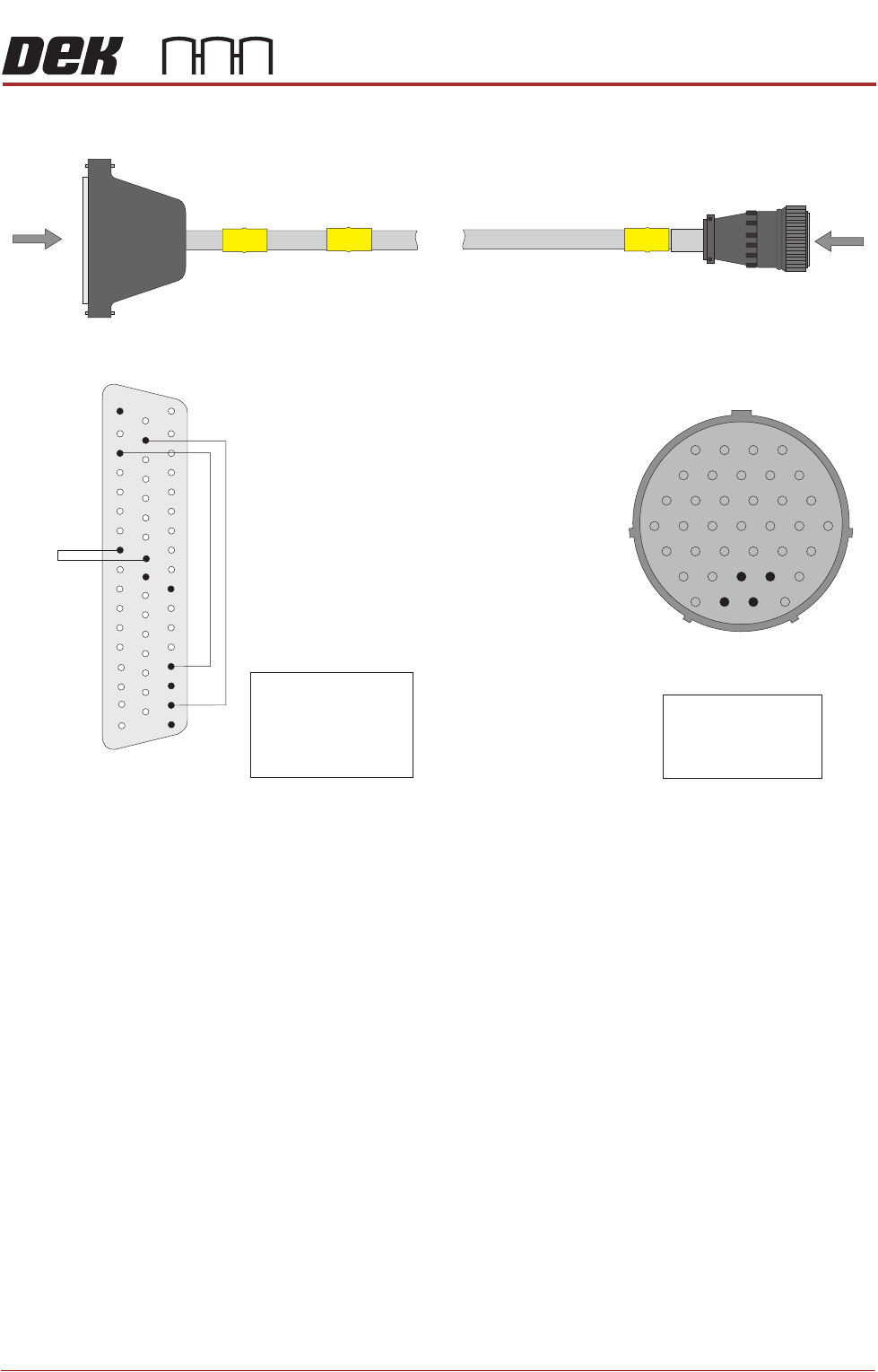
Figure 33-21 Siemens Downline Interface Cable
B
Siemens Downline Plug
AMP 206305-1
PLS2
A
6PL02
DEK Machine
50 Way D-type
View on Arrow B
1
5
10
16
23
29
34
35
31
36
4
9
15
22
28
33
32
37
Pin 31 - Arrived
Pin 32 - Permission
Pin 35 - Released
Pin 36 - Request
Pin 17 - 0V (Out)
Pin 25 - Arrived
Pin 34 - Request
Pin 36 - Released
Pin 41 - Permission
View on Arrow A
33
26
25
41
10
15
2
50
1
18
34
35
36
37
17
FOREIGN MACHINE INTERFACE
MULTI-INTERFACE UNIT
33.24 Technical Reference Manual Chapter Issue 5, Aug 14
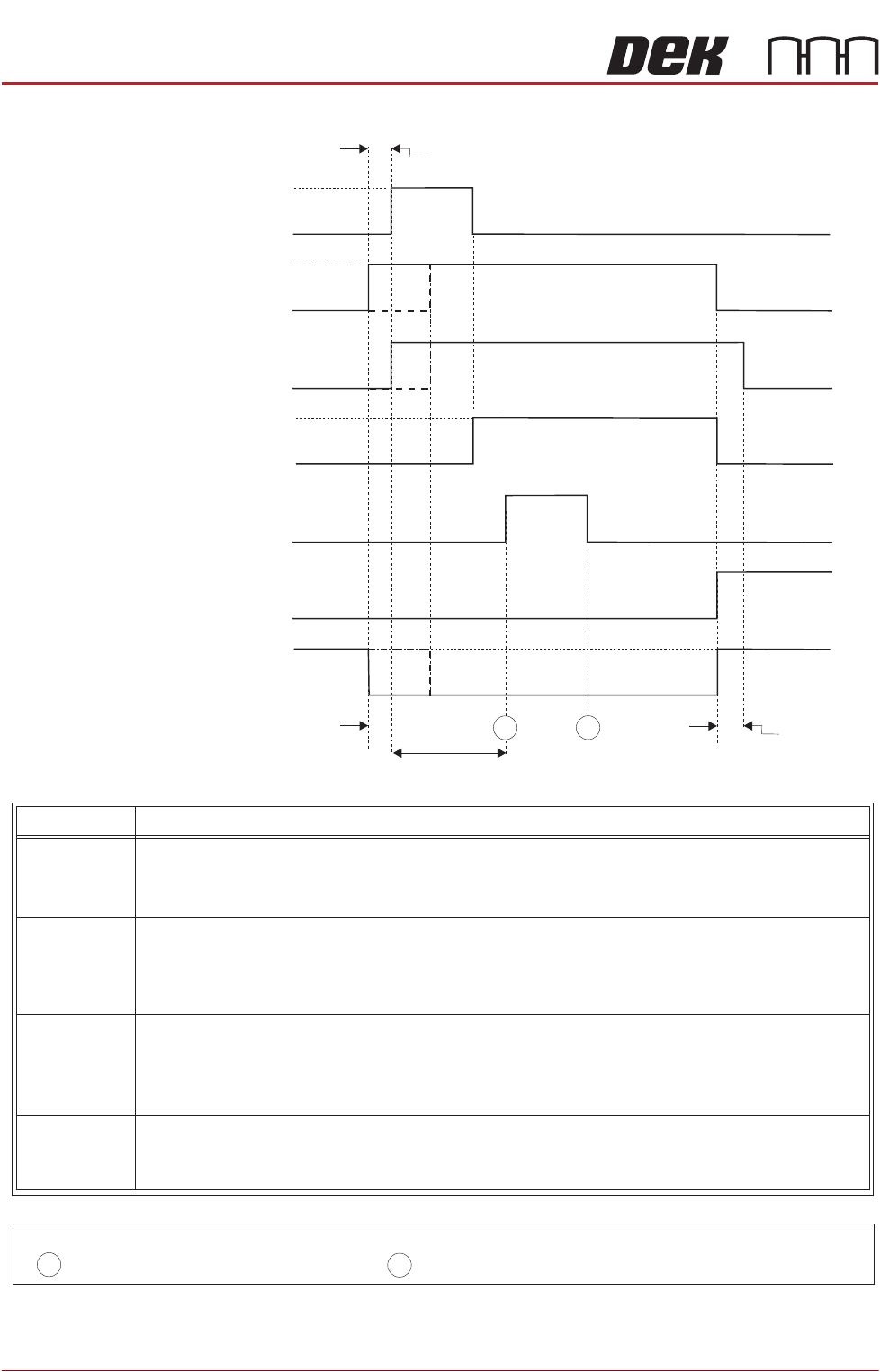
Figure 33-22 Siemens Upline Logical Timing Diagram
< Transfer Period
Upline M/C
(I/P to DEK M/C)
Request
DEK M/C
(O/P from DEK M/C)
Permission
DEK M/C Belts Running
Upline M/C
(I/P to DEK M/C)
Released
DEK M/C
(O/P from DEK M/C)
Arrived
DEK M/C Input Sensor
DEK M/C Board At Stop Sensor
DEK M/C Ready
Board At Stop
Transfer Complete
< Transfer Period
Belt Overrun
A
B
- Board Trailing Edge at Sensor
- Board Leading Edge at Sensor
A
B
NOTES
'Arrived' is transmitted if the next conveyor has recognized the board and thus the board
transfer is completed. The 'released' signal is taken back and a new board transfer can be
started.
Signal Name
Definition
Request
Arrived
Permission
Released
This signal informs the next conveyor that a board is present which can be 'released'. The
signal is always active when a board is available and the previous board transfer was
completed.
This signal is the absolute condition for the turning on of the transport belts. If a
'permission' exists and a 'request' is present, the board transfer can start. If a 'permission'
is taken back during the transfer, the handling must be interrupted, (stop the transport
belts).
If a board was 'released' to the next conveyor, this signal is set and the 'request' taken
back. The signal remains active until the next conveyor transmits the acknowledgement
'arrived'. During the transport, this signal informs the next conveyor that a board is on
the way.
FOREIGN MACHINE INTERFACE
MULTI-INTERFACE UNIT
Chapter Issue 5, Aug 14 Technical Reference Manual 33.25
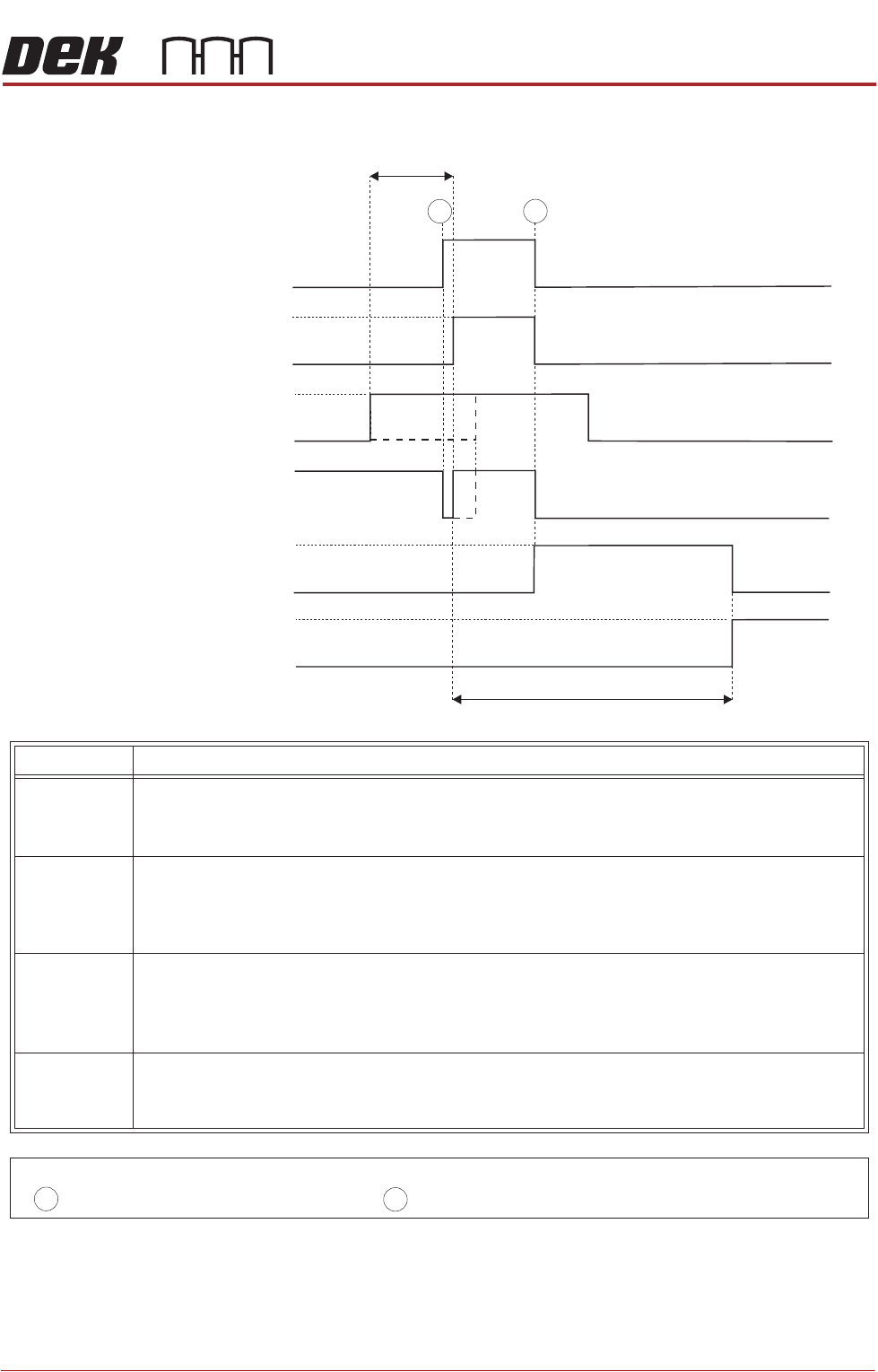
Figure 33-23 Siemens Downline Logical Timing Diagram
'Arrived' is transmitted if the next conveyor has recognized the board and thus the board
transfer is completed. The 'released' signal is taken back and a new board transfer can be
started.
Signal Name
Definition
Request
Arrived
Permission
Released
This signal informs the next conveyor that a board is present which can be 'released'. The
signal is always active when a board is available and the previous board transfer was
completed.
This signal is the absolute condition for the turning on of the transport belts. If a
'permission' exists and a 'request' is present, the board transfer can start. If a 'permission'
is taken back during the transfer, the handling must be interrupted, (stop the transport
belts).
If a board was 'released' to the next conveyor, this signal is set and the 'request' taken
back. The signal remains active until the next conveyor transmits the acknowledgement
'arrived'. During the transport, this signal informs the next conveyor that a board is on
the way.
DEK M/C Belts Running
DEK M/C Output Sensor
Request
DEK M/C
(O/P from DEK M/c)
Released
DEK M/C
(O/P from DEK M/c)
Downline M/C
(I/P to DEK M/C)
Permission
Downline M/C
(I/P to DEK M/C)
Arrived
A
B
< Transfer Period
< Transfer Period
- Board Trailing Edge at Sensor
- Board Leading Edge at Sensor
A
B
NOTES