2. SM471_Administrators_Guide(Kor_Ver1).pdf - 第497页
18-1 오픈 소스 사용 고지 부록 A. 오픈 소스 사용 고지 오픈 소스 사용 고지 삼성테크윈 ( 주 ) 의 SM471 제품은 GNU Lesser General Public License (LGPL) 라이선 스가 적용된 오픈 소스를 이용하여 개발되 었습니다 . 따라서 , 이 제품도 LGPL 라이 선스가 적용되며 사용된 오픈소 스의 컴포넌트명은 아래 에 명시된 것과 같습니다 . 당사는 아래에 …
17-18
Samsung Component Placer SM471 Administrator's Guide
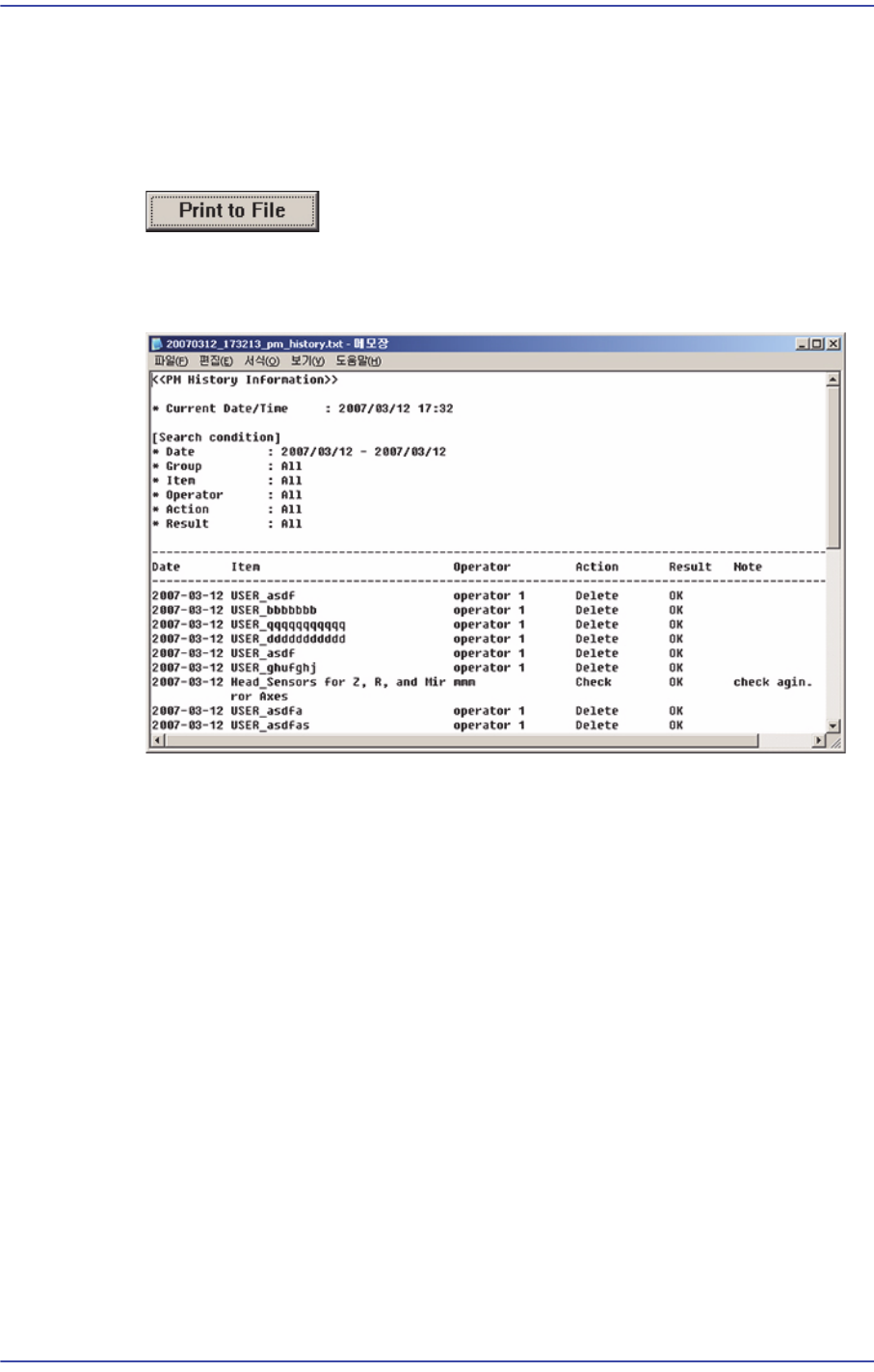
17.6.2. 점검이력을 파일로 출력하기
검색된 점검이력 또는 모든 점검이력을 텍스트 파일 형태로 출력할 수 있습니다. 방
법은 다음과 같습니다.
<P
rint to File> 버튼을 클릭
텍스
트 파일이 생성됨
그림
17.16
점검이력
출력화면
18-1
오픈
소스
사용
고지
부록 A. 오픈 소스 사용 고지
오픈 소스 사용 고지
삼성테크윈(주)의 SM471 제품은 GNU Lesser General Public License (LGPL) 라이선
스가 적용된 오픈 소스를 이용하여 개발되었습니다. 따라서, 이 제품도 LGPL 라이
선스가 적용되며 사용된 오픈소스의 컴포넌트명은 아래에 명시된 것과 같습니다.
당사는 아래에 명시된 컴포넌트를 LGPL 라이선스에 따라 소스코드의 수정 없이 동
적링크로 사용하였기 때문에 당사가 해당 컴포넌트의 소스코드 및 응용프로그램의
오브젝트 코드를 제공할 의무는 없습니다.
이메일: smtcs@s
amsung.com
전화: 080-000-0078
LGPL SOFTWARE LICENSE
GNU LESSER GENERAL PUBLIC LICENSE
Version 2.1, February 1999
Copyright (C) 1991, 1999 Free Software Foundation, Inc.
51 Franklin Street, Fifth Floor, Boston, MA 02110-1301, USA
Everyone is permitted to copy and distribute verbatim copi
es of this license document, but
changing it is not allowed.
[This is the first released version of the Lesser G
PL. It also counts as the successor of the
GNU Library Public License, version 2, hence the version number 2.1.]
Preamble
The licenses for most software are designed to take awa
y your freedom to share and
change it. By contrast, the GNU General Public Licenses are intended to guarantee your
freedom to share and change free software—to make sure the software is free for all its
users.
This license, the Lesser General Public License, applies
to some specially designated
software—typically libraries—of the Free Software Foundation and other authors who
decide to use it. You can use it too, but we suggest you first think carefully about whether
this license or the ordinary General Public License is the better strategy to use in any
particular case, based on the explanations below.
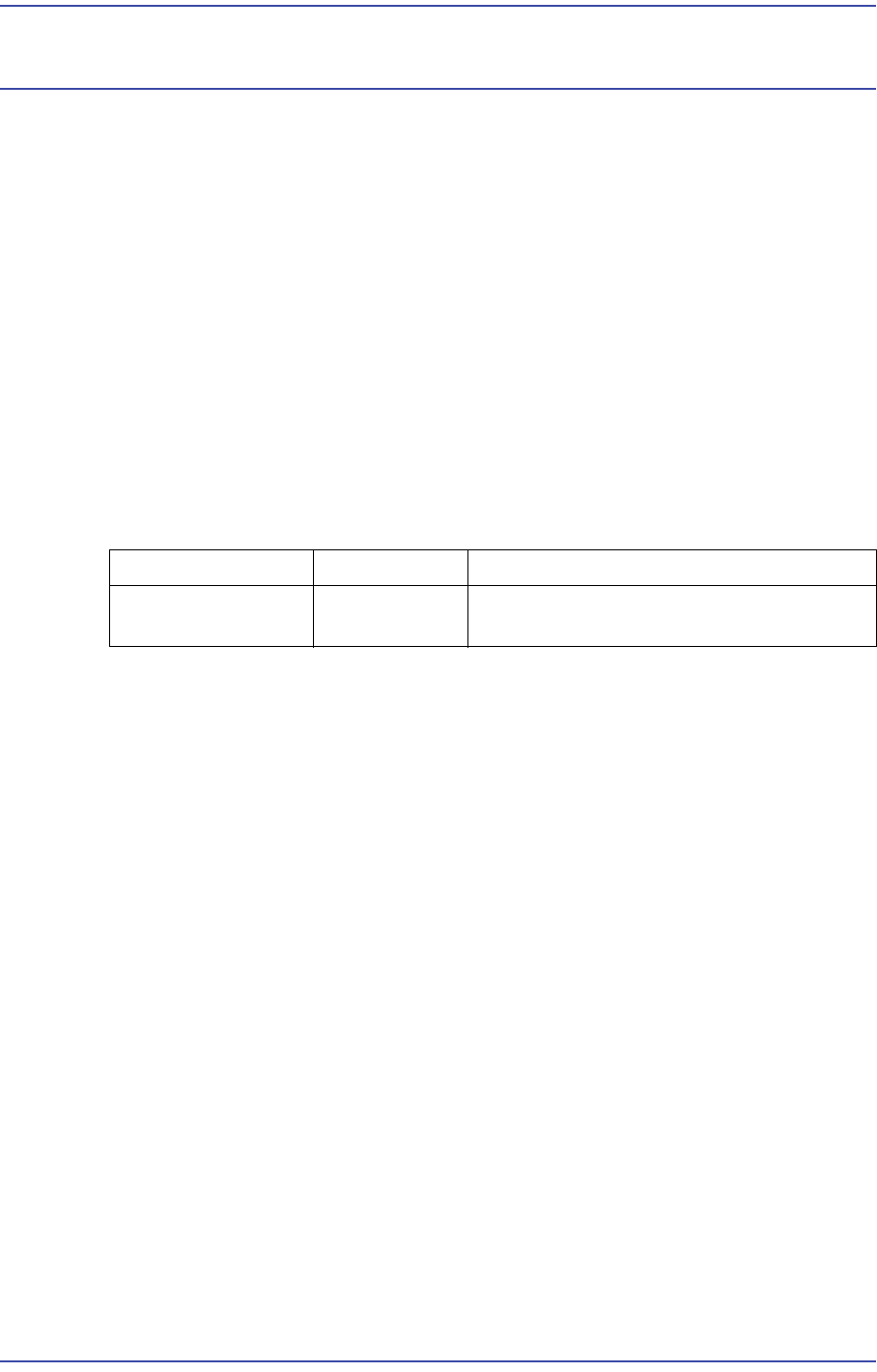
Component Name License License URL
CppUnit LGPL v2.1 http://www.gnu.org/s/libc/manual/
h
tml_node/Copying.html#Copying
18-2
Samsung Component Placer SM471 Administrator's Guide
When we speak of free software, we are referring to freedom of use, not price. Our
General Public Licenses are designed to make sure that you have the freedom to distribute
copies of free software (and charge for this service if you wish); that you receive source
code or can get it if you want it; that you can change the software and use pieces of it in
new free programs; and that you are informed that you can do these things.
To protect your rights, we need to make restrictions that forbid distributors to deny you
these rights or to ask you to surrender these rights. These restrictions translate to certain
responsibilities for you if you distribute copies of the library or if you modify it.
For example, if you distribute copies of the library, whether gratis or for a fee, you must
give the recipients all the rights that we gave you. You must make sure that they, too,
receive or can get the source code. If you link other code with the library, you must
provide complete object files to the recipients, so that they can relink them with the library
after making changes to the library and recompiling it. And you must show them these
terms so they know their rights.
We protect your rights with a two-step method: (1) we copyright the library, and (2) we
offer you this license, which gives you legal permission to copy, distribute and/or modify
the library.
To protect each distributor, we want to make it very clear that there is no warranty for the
free library. Also, if the library is modified by someone else and passed on, the recipients
should know that what they have is not the original version, so that the original author's
reputation will not be affected by problems that might be introduced by others.
Finally, software patents pose a constant threat to the existence of any free program. We
wish to make sure that a company cannot effectively restrict the users of a free program by
obtaining a restrictive license from a patent holder. Therefore, we insist that any patent
license obtained for a version of the library must be consistent with the full freedom of use
specified in this license.
Most GNU software, including some libraries, is covered by the ordinary GNU General
Public License. This license, the GNU Lesser General Public License, applies to certain
designated libraries, and is quite different from the ordinary General Public License. We
use this license for certain libraries in order to permit linking those libraries into non-free
programs.
When a program is linked with a library, whether statically or using a shared library, the
combination of the two is legally speaking a combined work, a derivative of the original
library. The ordinary General Public License therefore permits such linking only if the
entire combination fits its criteria of freedom. The Lesser General Public License permits
more lax criteria for linking other code with the library.
We call this license the Lesser General Public License because it does Less to protect the
user's freedom than the ordinary General Public License. It also provides other free
software developers Less of an advantage over competing non-free programs. These
disadvantages are the reason we use the ordinary General Public License for many
libraries. However, the Lesser license provides advantages in certain special
circumstances.