2500_Users_Manual.pdf - 第415页
Local M ode ProM aster 25 00 User Manua l F-3 3. Select the file you want to use for this operation. Use the arr ow keys to scroll throug h the filenames. Press ↓ to scroll down the list of filenam es an d press ↑ to bac…
Local Mode
F-2 ProMaster 2500 User Manual
3. Press
2
to select the thermal printer. This reconfigures the 2500 so that
it operates with a thermal printer installed.
The Main Menu Commands
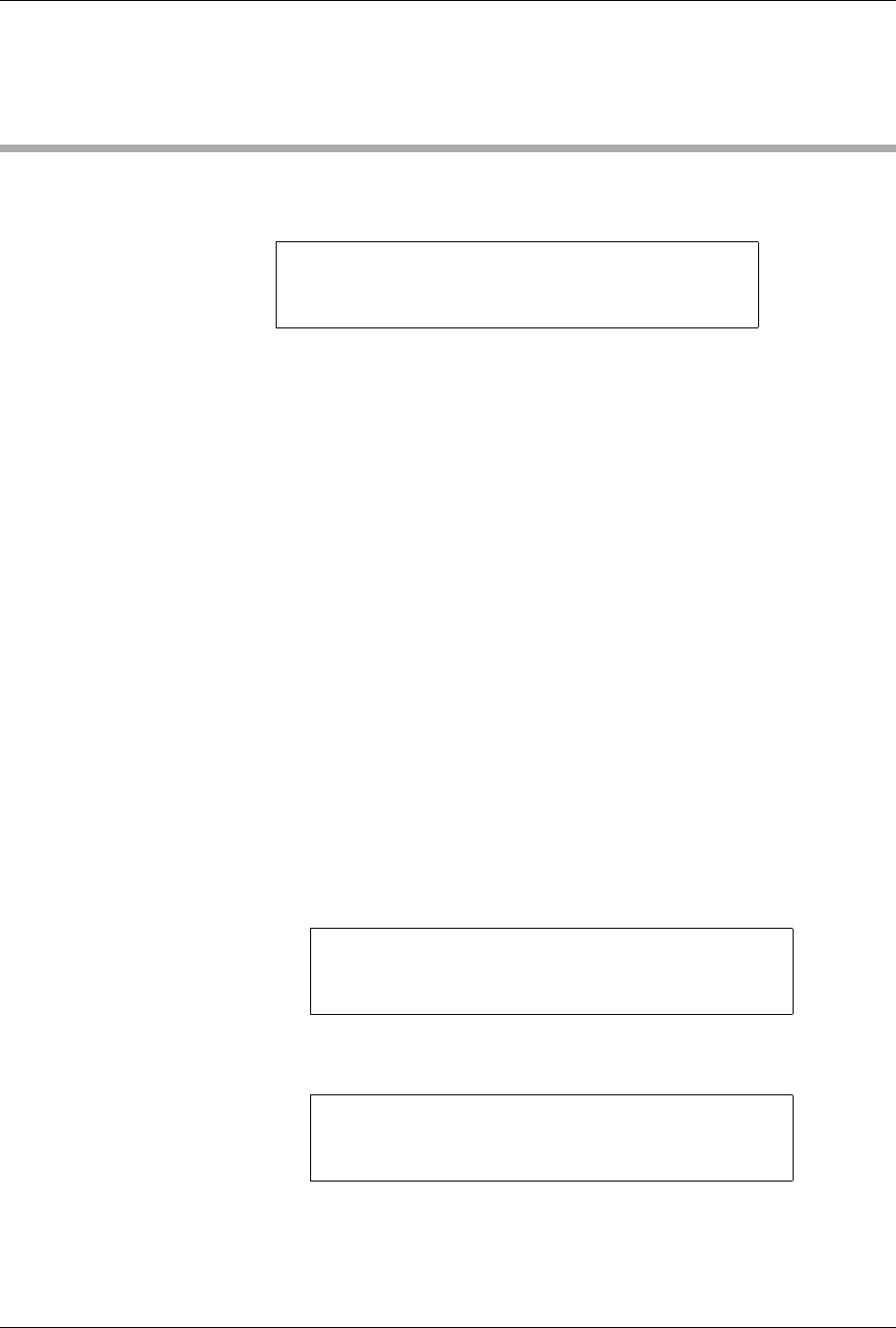
The 2500 will display the following Main Menu:
Press the number key corresponding to the optional menu you wish to
access and the 2500 will display the new menu. This manual will describe
these menus in the order that these appear on the display from top to
bottom.
Operations Menu
This menu lists operations that instruct the 2500 to perform an operation.
From the Main Menu, press one of the numbers to select the option you
need to access.
The Device Programming
Operations
These commands are not to be used during normal operation. They are
available to the service technician to perform tests to assist in assessing
programming related problems. The service commands on this menu are:
•Program/Test & Label
•Load Master
• Program/Test Only
Label Only
This command is useful when you want to print and apply labels to
devices. When this is selected, the programming station is bypassed. All
devices are labeled and directed to the nearest receiving tube. Category
assignments are inactive in this mode.
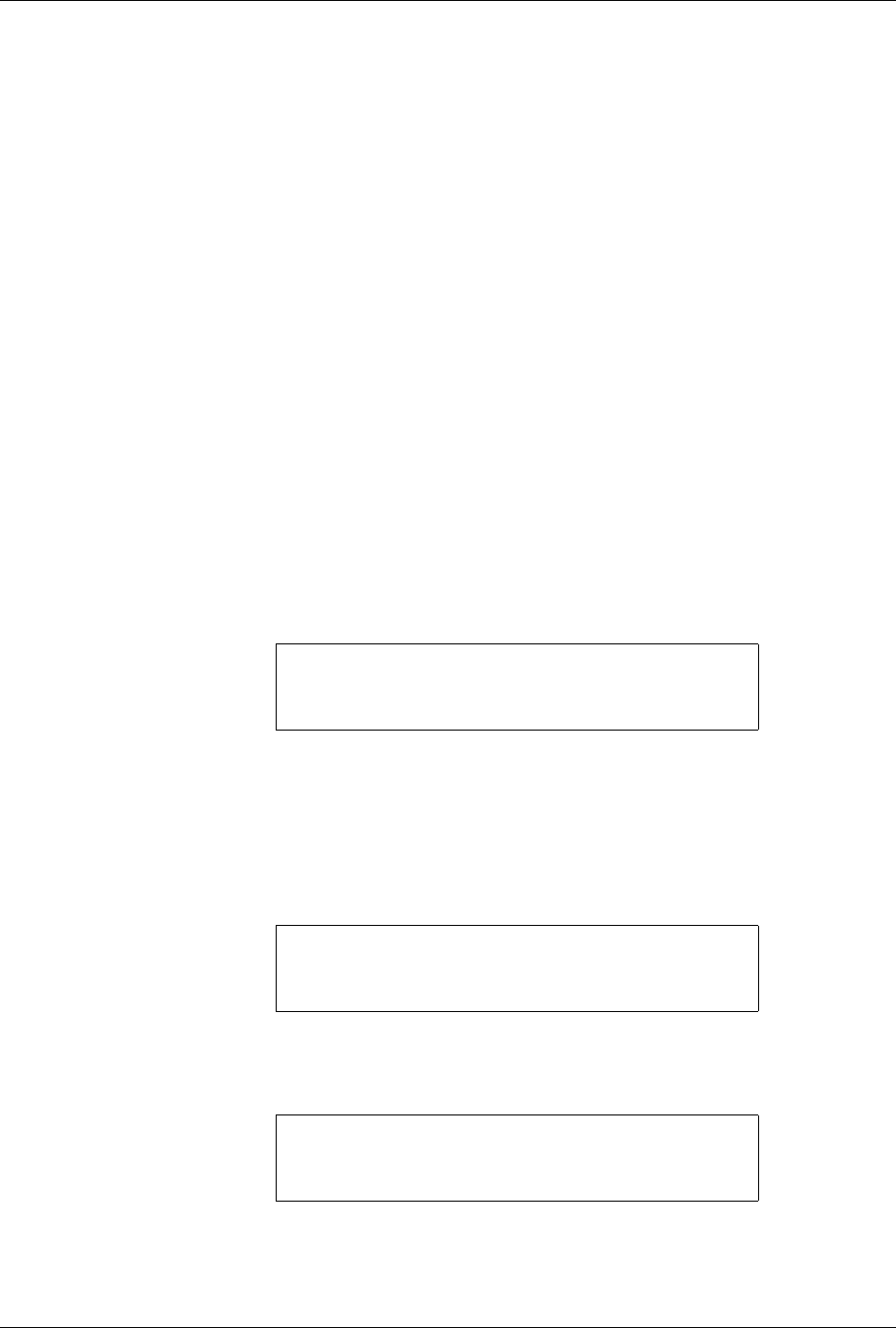
1. From the Main Menu, press
1
to select OPERATIONS. The 2500
displays:
2. From the Operations Menu, press
4
to select LABEL ONLY. The 2500
displays:
* * PROMASTER 2500 MAIN MENU * *
ENTER THE NUMBER OF THE DESIRED FUNCTION
1 - OPERATIONS 3 - SYSTEM SETUP
2 - FILE UTILITIES 4 - DIAGNOSTICS
* * * OPERATIONS MENU * * *
1 - PROGRAM/TEST & LABEL 4 - LABEL ONLY
2 - LOAD MASTER 5 - PRINT ONLY
3 - PROGRAM/TEST ONLY 6 - PURGE
LABEL ONLY
TEMPORARY FILE1 FILE2 FILE3
FILE4 FILE5 FILE6 FILE7
ENTER FILE NAME:
Local Mode
ProMaster 2500 User Manual F-3
3. Select the file you want to use for this operation. Use the arrow keys
to scroll through the filenames. Press
↓
to scroll down the list of
filenames and press
↑
to back up. Use
←
and
→
to move the cursor
across the columns to the file you want to use and press
ENTER
.
In most cases you will be running in this mode to perform some test on
the 2500’s operation. If you want to create a test label file and do not want
to save the file for later use, select TEMPORARY as your file. The contents
of this file are deleted when the 2500 is turned off.
Selecting an existing file shortens the process because it bypasses the text
file creating steps If you select an existing file, proceed to the section
called “Labeling a Device” on page F-5.
Creating a Temporary File
The process of creating a Temporary file includes selecting the following:
1. Device package (either existing or custom)
2. Type size
3. Orientation of device pin 1 in input tube
4. Position of the label on the device
5. Device orientation in output tube
6. Text
Scroll to the Temporary file using the arrow keys and select it by pressing
ENTER
.
Selecting a Device
Package
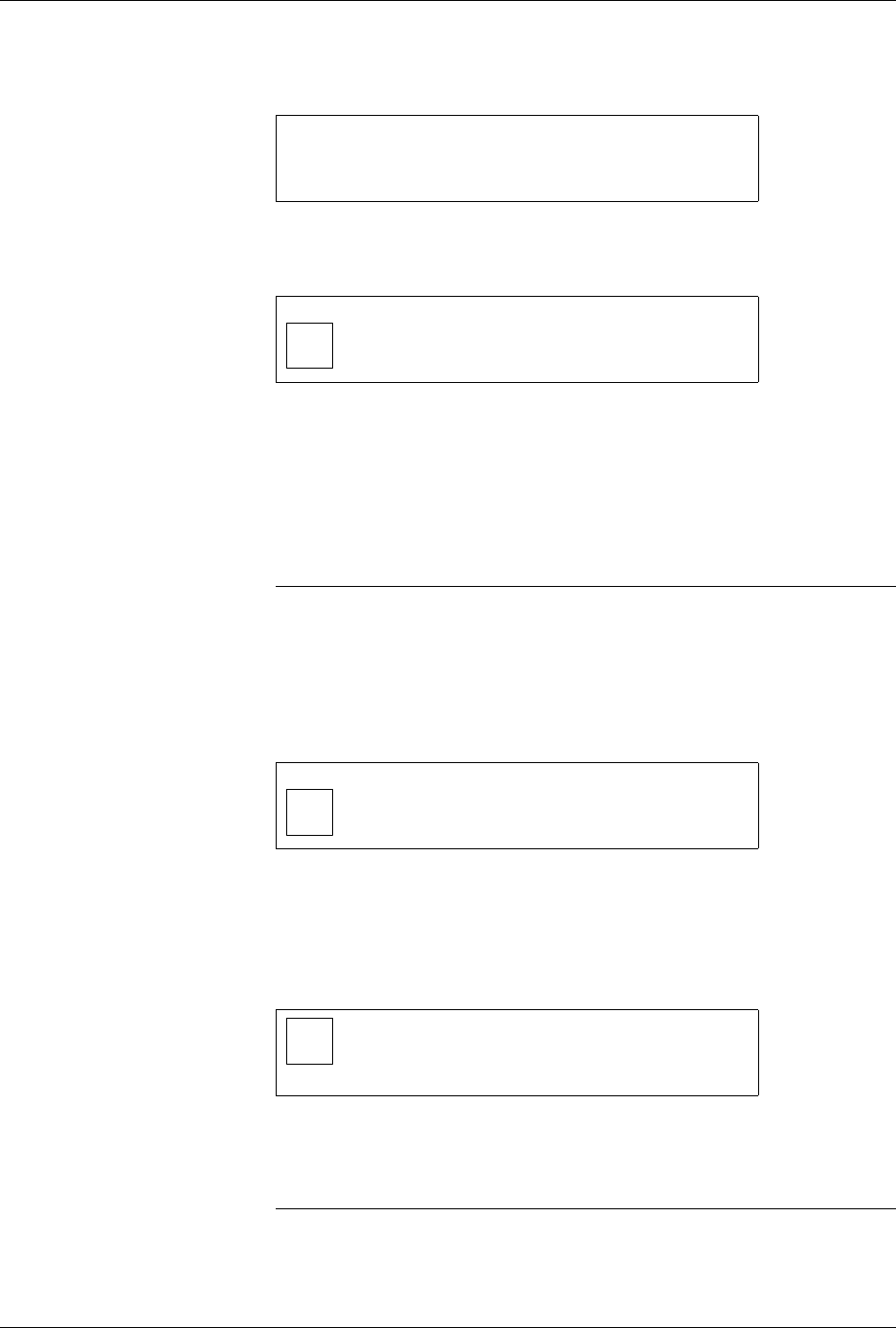
The 2500 displays:
Select either an existing device or a custom device as described below.
To select an existing device package, use the arrow keys to move to the
type you want and press
ENTER
. Only eight selections appear on the
display at one time; press
↓
to scroll to the ones not visible on the display.
To select a custom device for which you determine the length, move the
cursor to CUSTOM, and press
ENTER
. The 2500 displays:
Type the length of your device in inches, up to three decimal places and
under 2.250 inches. Press
ENTER
. If you type an invalid number, the
2500 displays:
Type a valid number and press
ENTER
.
PROGRAM/TEST LABEL TEMPORARY FILE
CUSTOM PLCC 20 PLCC 28 PLCC 32
PLCC 44 PLCC 52 PLCC 68 PLCC 84
MOVE TO SELECTION THEN PRESS ENTER
PROGRAM/TEST LABEL TEMPORARY FILE
ENTER PART LENGTH: _
EXAMPLE: 1.234 OR .28 OR 1
PROGRAM/TEST LABEL TEMPORARY FILE
ENTER PART LENGTH: _
LENGTH CAN NOT EXCEED 2.250
Local Mode
F-4 ProMaster 2500 User Manual
Type Size
After you have selected an existing device or entered a valid length for
your custom device, the 2500 displays:
Select the font you want and press
ENTER
.
The 2500 displays:
Device Orientation in
Input Tube
Move the pin 1 icon (using the arrow keys) to match the position of pin 1
on the device in the input tube. We recommend these settings.
1. For square PLCC devices, orient pin 1 toward the back of the 2500.
2. For 32-pin PLCCs, all DIP, and all SOIC devices, orient pin 1 to the
right (assuming you are standing in front of the 2500).
Note: Make sure the device orientation is the same in the display and in the
input track. If the orientation is not the same, during operation the device
may be inserted incorrectly into the programming module, possibly
damaging the device or programming module.
Press
ENTER
when your selections are completed.
Text Rotation
The 2500 displays:
Select a text rotation and press
ENTER
. We recommend the following
selections:
Orientation in
Receiving Tube
The next display prompts you to select the position of pin 1 as the device
moves into the receiving tube. The 2500 displays:
Use the arrow keys to move the pin 1 icon to match its position on the
device as it enters the receiving tube. Press
ENTER
when you are
satisfied with your selection.
Tip: So that you can place devices back in the 2500 without repositioning them,
choose a setting that places the devices in the receiving tube opposite their
orientation in the input tube.
PRINT LABEL TEMPORARY FILE
AUTO-SEL 26 CPI 26 CPI S 20 CPI
16 CPI T 12 CPI T 18 CPI
MOVE TO SELECTION THEN PRESS ENTER
1 <------- TEMPORARY FILE
SELECT POSITION OF PIN 1
AS IT COMES OUT OF THE TUBE.
USE ARROW KEYS THEN PRESS ENTER.
1 TEMPORARY FILE
SELECT POSITION OF PIN 1
TXT IN RELATION TO THE TEXT.
USE ARROW KEYS THEN PRESS ENTER.
<------- TEMPORARY FILE
SELECT POSITION OF PIN 1
AS IT WILL GO INTO THE TUBE.
1 USE ARROW KEYS THEN PRESS ENTER.