CYCLONE-User-Manual.pdf - 第77页
User Manual For Cyclone LC Programmers 77 A Cyclone may have several independent programming images in its non-volatile internal or external memory . A programming image contains the programming algorithms, binary data, …

User Manual For Cyclone LC Programmers 76
8.2.4.3.3 setLocalMachineIpNumber
void setLocalMachineIpNumber(char* ipNumber);
If a PC has multiple network interface cards, this function sets the IP address of the network card
to use communicate with the Cyclones. This is called prior to calling any other functions.
8.2.4.4 Controlling Cyclone Programming
8.2.4.4.1 startImageExecution
bool startImageExecution(uint32_t cycloneHandle, uint32_t imageId);
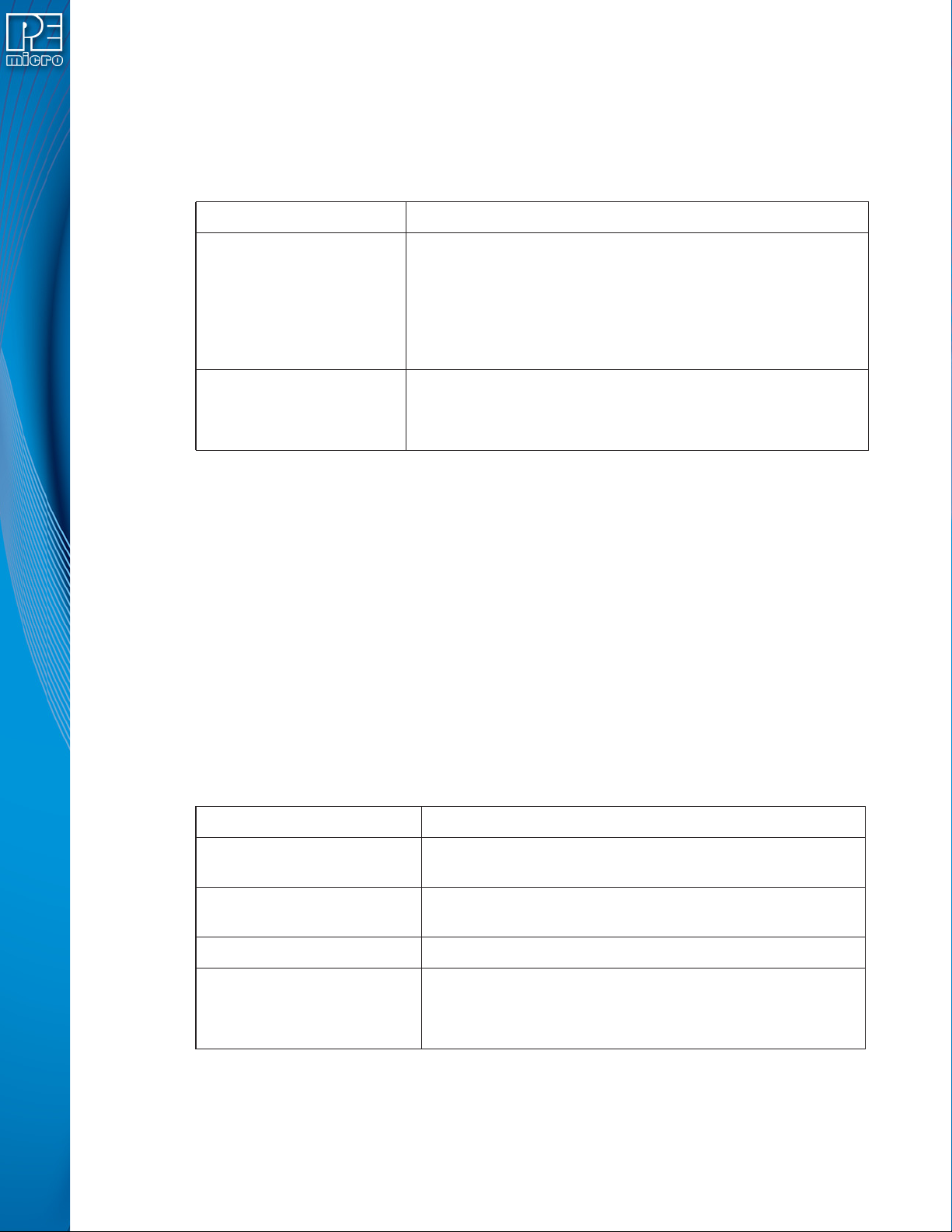
@parameter nameIpOrPortIdentifierArray
A null terminated string containing one or more
Cyclone identifiers (name, IP address, or port
number) delimited by commas.
Example: USB1,209.1.10.2,Orion,COM1
If identifying by IP address, the string should be
in the format of xxx.xxx.xxx.xxx, where xxx =
0…255.
If identifying by port and the Cyclone is
connected by USB, the string should be USB#
where # is 1…8.
If the Cyclone is connected by Serial, the string
should be COM1.
@parameter
multipleCycloneHandleArrayPtrType
A pointer to an array of Cyclone handles. Each
element of the array corresponds to the position
of the identifier in the previous parameter. If the
function connected to the Cyclone, the value of
the array element would correspond to its
handle otherwise it will be 0.
@parameter
numberOfCycloneOpensAttempted
This value will be modified with the number of
Cyclones that the function attempted to open. It
is also the size of the
multipleCycloneHandleArrayPtrType structure.
@returnvalue
True if every Cyclone was identified and has a
valid handle.
False if there were any errors identifying or
connecting to any of the Cyclones.
@parameter ipNumber
A pointer to a null-terminated character string in the format
xxx.xxx.xxx.xxx, where xxx = 0…255, representing the IP address of
the network card.
User Manual For Cyclone LC Programmers 77
A Cyclone may have several independent programming images in its non-volatile internal or
external memory. A programming image contains the programming algorithms, binary data, and
programming sequence. This function instructs the Cyclone to start execution of an image. After
invoking this call, the “checkCycloneExecutionStatus” function is used to poll the Cyclone until
completion.
8.2.4.4.2 startDynamicDataProgram
bool startDynamicDataProgram(uint32_t cycloneHandle, uint32_t targetAddress,
uint16_t dataLength, char *buffer);
Sometimes, in addition to the large amount of static data being programmed into a target from the
Cyclone, it is advantageous for the calling application to program small sections of unique data
dynamically. Examples of this include date/time, serial number, MAC addresses, and lot numbers.
This function is valid to be called only after a programming image has been programmed into the
target (once startImageExecution has completed). Call the “checkCycloneExecutionStatus”
function to wait for completion. If the target is reset by the Cyclone or by a power cycle after
programming the image, this function will fail. The workaround for this is to execute a second
image that will re-load the algorithm before you call startDynamicDataProgram.
8.2.4.4.3 checkCycloneExecutionStatus
uint32_t checkCycloneExecutionStatus(uint32_t cycloneHandle);
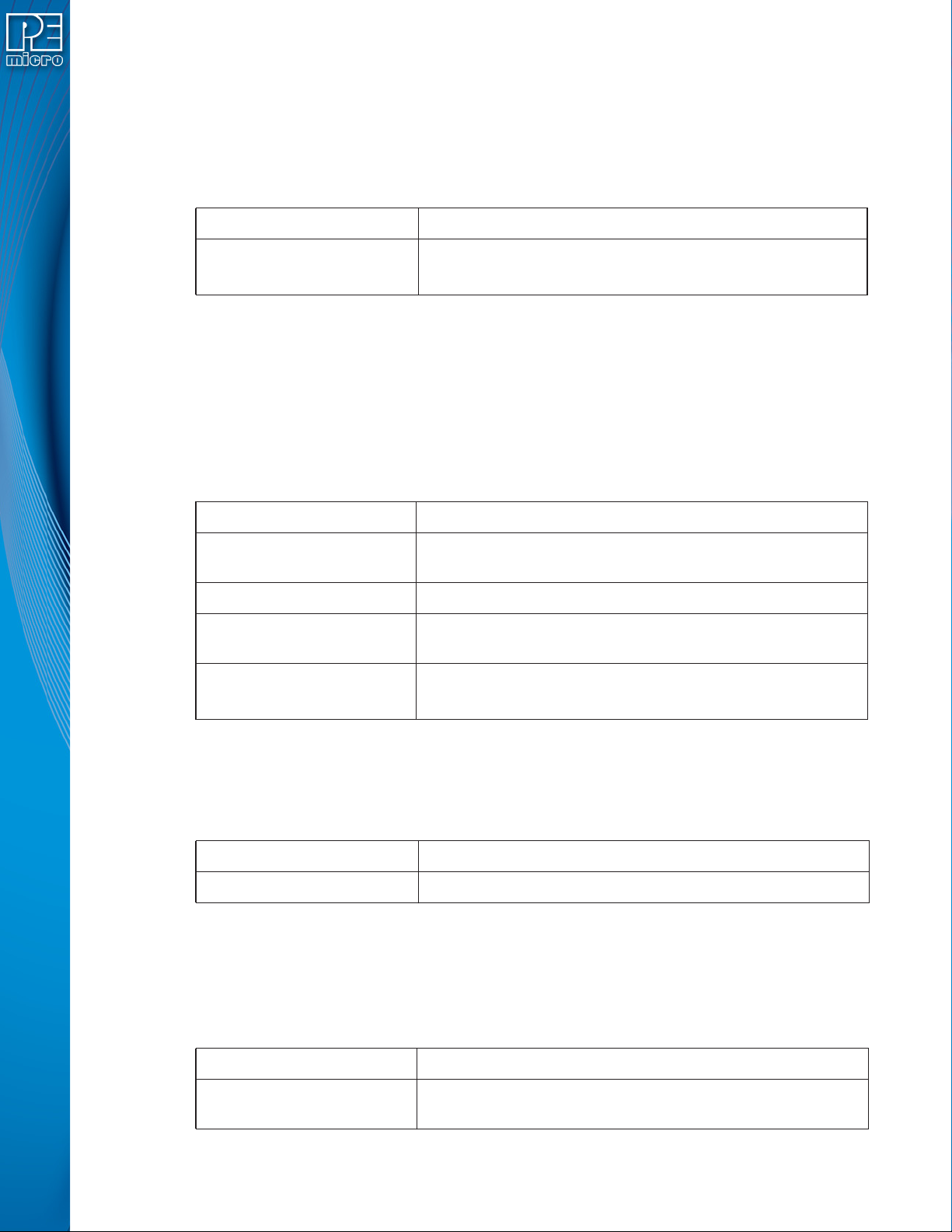
@parameter cycloneHandle The handle of the Cyclone to begin programming operations
@parameter imageId
Selects the image on the Cyclone to use. The valid range of this
parameter is from 1 to the total number of images in the Cyclone
with the count starting from internal memory and then external
memory.
If a Cyclone only stores one image, this parameter is 1.
@returnvalue
True if the programming process has started successfully.
False otherwise.
@parameter cycloneHandle The handle of the Cyclone to begin dynamic programming.
@parameter targetAddress
The first memory address of the target processor where the
dynamic data should be written.
@parameter dataLength
The total number of bytes to be written. This parameter cannot
be greater than 255.
@parameter buffer A pointer to the array which holds the data to be written.
@returnvalue
True if the programming process has started successfully.
False otherwise.
User Manual For Cyclone LC Programmers 78
Checks to see if the Cyclone has completed a programming operation started with either the
“startImageExecution” or “startDynamicDataProgram” functions.
After this function returns with completed value, “getLastErrorCode” should be called to determine
the programming result. A result of 0 will be returned even if a programming error has occurred or
if communication with the Cyclone is lost.
8.2.4.4.4 dynamicReadBytes
bool dynamicReadBytes(uint32_t cycloneHandle, uint32_t targetAddress, uint16_t
dataLength, char *buffer);
This function reads a specified number of bytes from a specified memory address of the target
processor. This call is only valid after first having made a call to the “startImageExecution” function
in the sequence of commands.
8.2.4.4.5 getNumberOfErrors
uint32_t getNumberOfErrors(uint32_t cycloneHandle);
This function returns a count of all the errors recorded in the DLL and in the Cyclone.
8.2.4.4.6 getErrorCode
uint32_t getErrorCode(uint32_t cycloneHandle, uint32_t errorNum);
This function returns the specified error code recorded in the DLL or in the Cyclone.
@parameter cycloneHandle The handle of the Cyclone to perform a status check on.
@returnvalue
1 = Currently programming
0 = Completed (with or without error)
@parameter cycloneHandle The handle of the Cyclone that will perform the dynamic read.
@parameter targetAddress
The first memory address of the target processor where the
data will be read.
@parameter dataLength The number of total bytes to read from the target processor
@parameter buffer
A pointer to the array where the data read will be stored. This
array must have been allocated prior to calling this function.
@returnvalue
True if the data was successfully read
False otherwise
@parameter cycloneHandle The handle of the Cyclone to get a count of the errors.
@returnvalue The number of errors in the DLL and in the Cyclone.
@parameter cycloneHandle The handle of the Cyclone to retrieve the error code.
@parameter errorNum
If getNumberOfErrors is greater than 1, this specifies the error
number.