CYCLONE-User-Manual.pdf - 第79页
User Manual For Cyclone LC Programmers 79 8.2.4.4.7 getLastErrorAddr uint32_t getLastErrorAddr(uint32_t cycloneHandle); If the “getErrorCode” function returns a non-zero value (indicating an error has occurred), this rou…
User Manual For Cyclone LC Programmers 78
Checks to see if the Cyclone has completed a programming operation started with either the
“startImageExecution” or “startDynamicDataProgram” functions.
After this function returns with completed value, “getLastErrorCode” should be called to determine
the programming result. A result of 0 will be returned even if a programming error has occurred or
if communication with the Cyclone is lost.
8.2.4.4.4 dynamicReadBytes
bool dynamicReadBytes(uint32_t cycloneHandle, uint32_t targetAddress, uint16_t
dataLength, char *buffer);
This function reads a specified number of bytes from a specified memory address of the target
processor. This call is only valid after first having made a call to the “startImageExecution” function
in the sequence of commands.
8.2.4.4.5 getNumberOfErrors
uint32_t getNumberOfErrors(uint32_t cycloneHandle);
This function returns a count of all the errors recorded in the DLL and in the Cyclone.
8.2.4.4.6 getErrorCode
uint32_t getErrorCode(uint32_t cycloneHandle, uint32_t errorNum);
This function returns the specified error code recorded in the DLL or in the Cyclone.
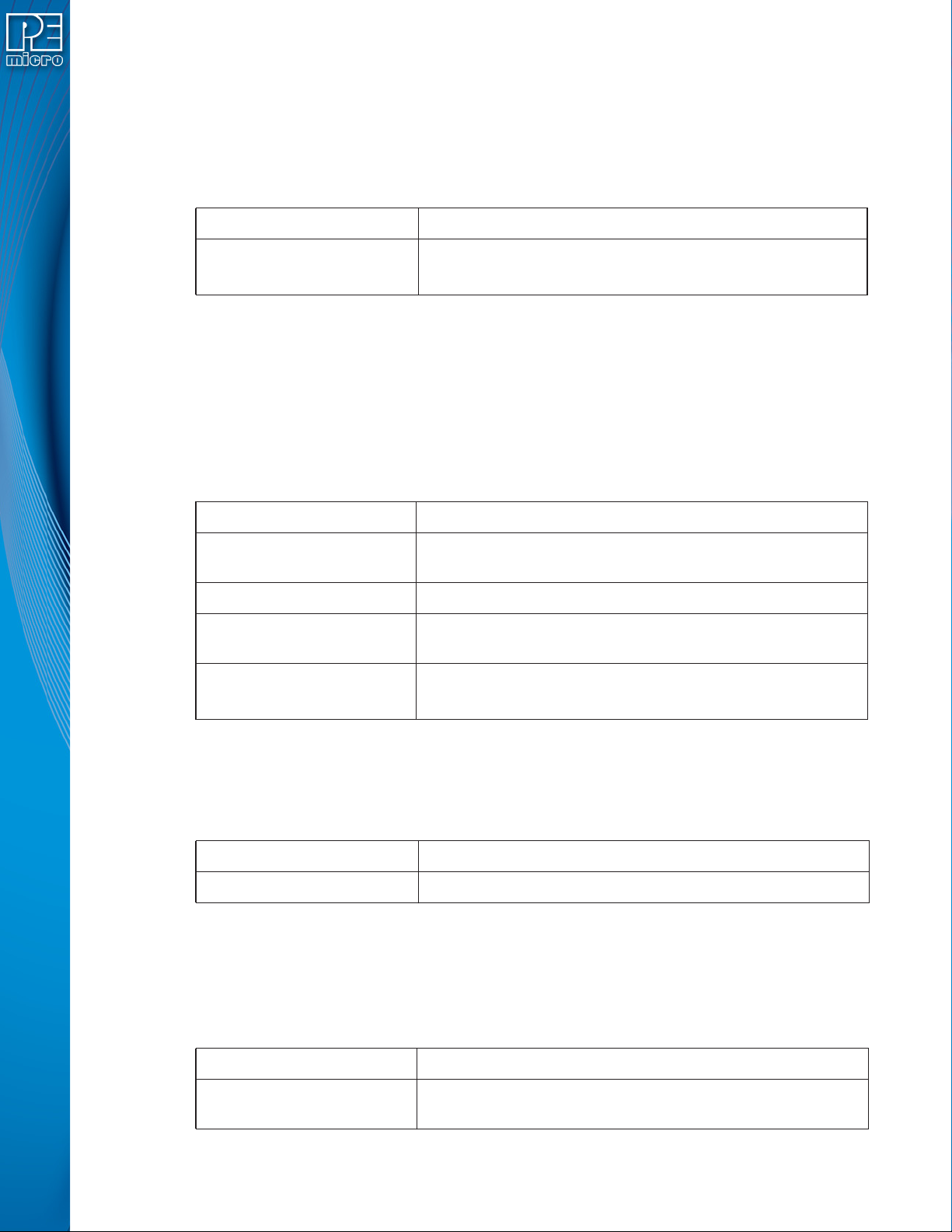
@parameter cycloneHandle The handle of the Cyclone to perform a status check on.
@returnvalue
1 = Currently programming
0 = Completed (with or without error)
@parameter cycloneHandle The handle of the Cyclone that will perform the dynamic read.
@parameter targetAddress
The first memory address of the target processor where the
data will be read.
@parameter dataLength The number of total bytes to read from the target processor
@parameter buffer
A pointer to the array where the data read will be stored. This
array must have been allocated prior to calling this function.
@returnvalue
True if the data was successfully read
False otherwise
@parameter cycloneHandle The handle of the Cyclone to get a count of the errors.
@returnvalue The number of errors in the DLL and in the Cyclone.
@parameter cycloneHandle The handle of the Cyclone to retrieve the error code.
@parameter errorNum
If getNumberOfErrors is greater than 1, this specifies the error
number.
User Manual For Cyclone LC Programmers 79
8.2.4.4.7 getLastErrorAddr
uint32_t getLastErrorAddr(uint32_t cycloneHandle);
If the “getErrorCode” function returns a non-zero value (indicating an error has occurred), this
routine can be used to query the address where the error occurred.
8.2.4.4.8 getDescriptionOfErrorCode
char *getDescriptionOfErrorCode(uint32_t cycloneHandle, uint16_t errorCode);
This function returns a description of the error code.
8.2.4.4.9 resetCyclone
bool resetCyclone(uint32_t cycloneHandle, uint32_t resetDelayInMs);
This function performs a hard reset of the Cyclone. It is the same as pressing the reset button. This
is considered a legacy call and does not need to be called by the application.
8.2.4.5 Configuration / Image Maintenance Calls
8.2.4.5.1 getImageDescription
char *getImageDescription(uint32_t cycloneHandle, uint32_t imageId) ;
This function returns the description of a particular image stored on the Cyclone (internal Flash or
external memory card). This description is specified by the user when the image is created.
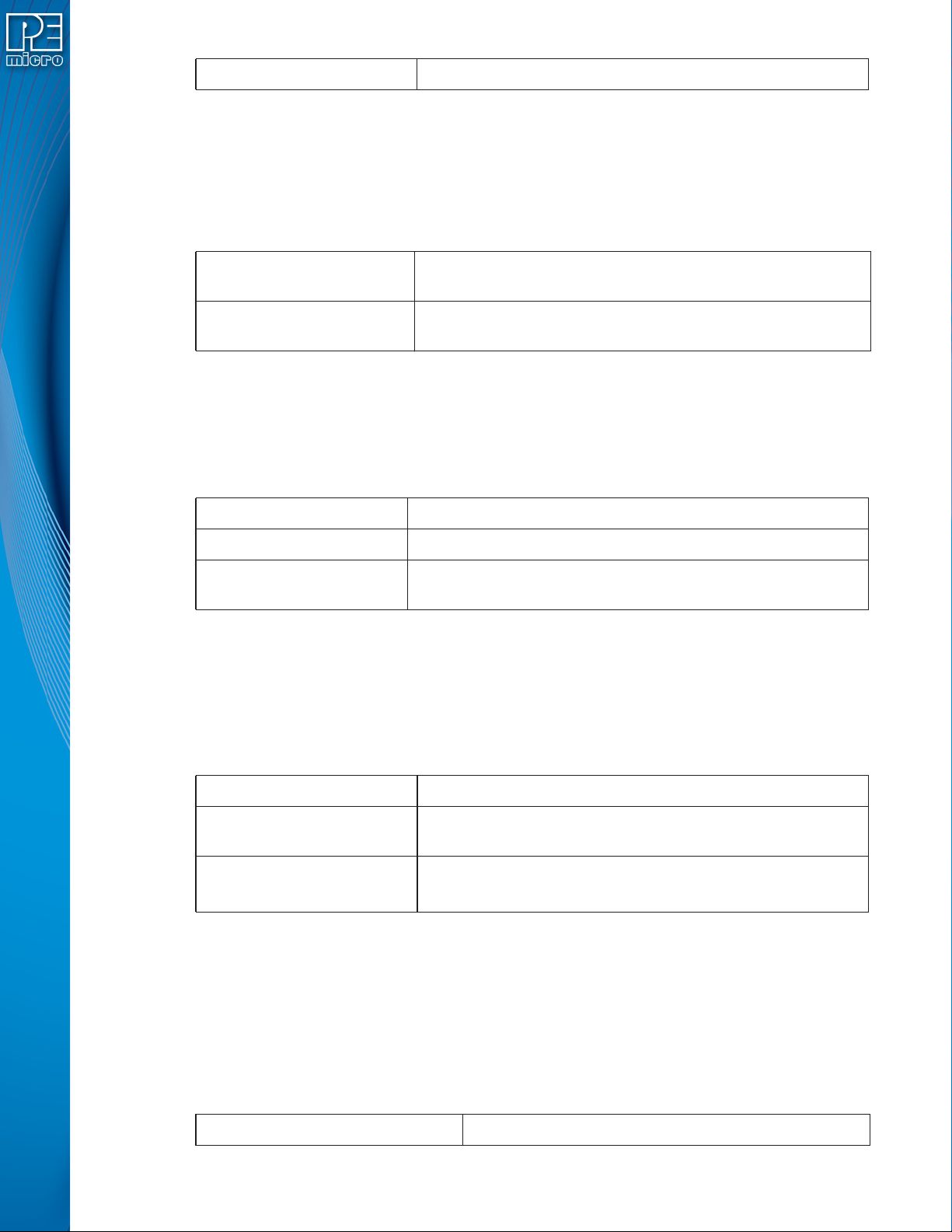
@returnvalue The error code of the DLL or Cyclone
@parameter cycloneHandle
The handle of the Cyclone from which to request the error
address.
@returnvalue
The memory address where the last programming error
occurred.
@parameter cycloneHandle The handle of the Cyclone to retrieve the error code description.
@parameter errorCode The error code to check.
@returnvalue
A pointer to a null-terminated character string that contains the
error code description.
@parameter cycloneHandle The handle of the Cyclone that will be reset.
@parameter resetDelayInMs
The reset delay, specified in milliseconds. The delay should be
at least 5500 ms.
@returnvalue
True if reset was successful
False otherwise
@parameter cycloneHandle The handle of the Cyclone to get an image description.

User Manual For Cyclone LC Programmers 80
8.2.4.5.2 compareImageInCycloneWithFile
bool compareImageInCycloneWithFile(uint32_t cycloneHandle, char *aFile, uint32_t
imageId);
This function compares an image stored on the Cyclone against a .SAP file created with the
Cyclone Image Creation Utility.
8.2.4.5.3 formatCycloneMemorySpace
bool formatCycloneMemorySpace(uint32_t cycloneHandle, uint32_t selectedMediaType);
This function erases all images stored on the selected media type. This function should not be
constantly called, as this will shorten the lifespan of the non-volatile flash memory. It is
recommended that the user make use of the “compareImageInCycloneWithFile” function first to
determine if an erase is indeed necessary. (e.g. if the images on the Cyclone do not match the
@parameter imageId
Used to select which image stored on the Cyclone to
read the description from. The valid range of this
parameter is from 1 to the total number of images in the
Cyclone with the count starting from internal memory and
then external memory.
If a Cyclone only stores one image, this parameter
should be set to 1.
@returnvalue
A pointer to a null-terminated character string which
contains the image description
@parameter cycloneHandle
The handle of the Cyclone that will have its image
compared
@parameter aFile
A pointer to a null-terminated character string which
contains the full path to the .SAP file that will be
compared
@parameter imageId
Used to select which image stored on the Cyclone to
compare against. The valid range of this parameter is
from 1 to the total number of images in the Cyclone with
the count starting from internal memory and then
external memory.
If a Cyclone only stores one image, this parameter
should be set to 1.
@returnvalue
True if the image and the .SAP file match
False otherwise
Note that a false will also be returned if an error occurred
during communications between the PC and the
Cyclone unit.