00195722-0102_UM_X-Serie_SR605_EN.pdf - 第405页
User Manual SIPLACE X-Series 6 Station extensions From software version SR.605.xx 07/2008 EN Edition 6.2 Docking station for the component trolley fr om the SIPLACE X-series 405 6.2 Docking st ation for the component tro…
6 Station extensions User Manual SIPLACE X-Series
6.1 Nozzle changer From software version SR.605.xx 07/2008 EN Edition
404
– Grippers that grip the component at its inner edge.
Information on special nozzles and grippers is available from SIPLACE. For the production of
special magazines and grippers, again contact SIPLACE.
User Manual SIPLACE X-Series 6 Station extensions
From software version SR.605.xx 07/2008 EN Edition 6.2 Docking station for the component trolley from the SIPLACE X-series
405
6.2 Docking station for the component trolley from the
SIPLACE X-series
Item no. 00116933-xx Docking station for the SIPLACE X component trolley
6.2.1 Description
The docking station is an additional component for the set-up area. It forms the link between the
set-up area and the component trolley for the SIPLACE X-series. The docking station allows the
component trolleys to be set up with feeder modules and function tests and set-up checks to be
carried out externally.
6
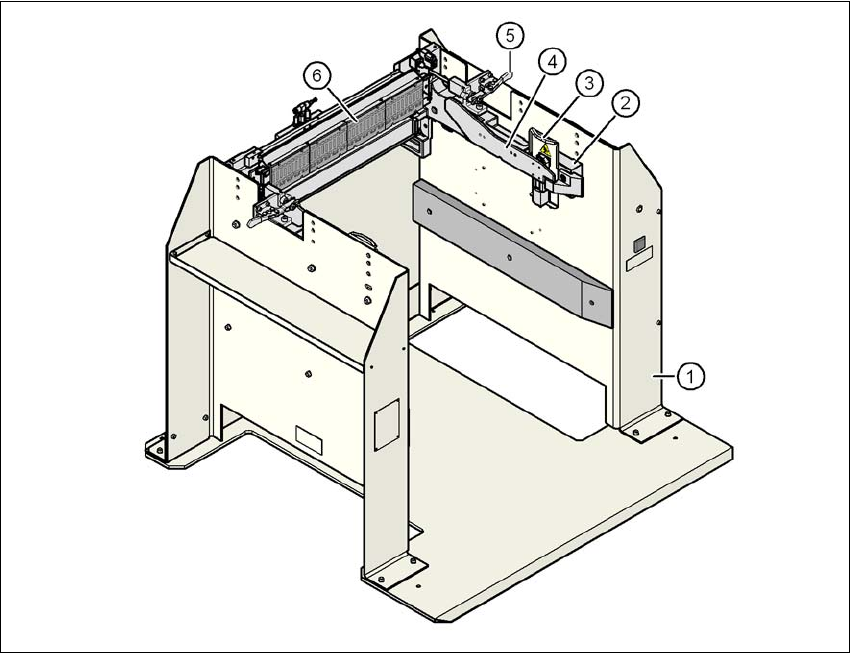
Fig. 6.2 - 1 Docking station, SIPLACE X-series
(1) Docking station
(2) Component trolley docking unit, X-series
(3) Guard plate with warning label W204
(4) Rails for guiding and docking in the component table
(5) Horizontal tensioner for locking the component trolley
(6) EDIF (energy and data interface)
6 Station extensions User Manual SIPLACE X-Series
6.2 Docking station for the component trolley from the SIPLACE X-series From software version SR.605.xx 07/2008 EN Edition
406
The basic tasks of the docking station are as follows:
– Supplying the component trolley and X feeder modules with power
– Supplying the component trolley and X feeder modules with compressed air
– Providing an infrastructure for communication between the PC at the set-up area and the
feeder modules
The operator can use the docking station to carry out function tests on the X feeder modules and
check the set-up outside the production environment. Two rows, each with four docking stations,
are connected via the CAN bus of the initial set-up PC. Each docking station has a separate power
and compressed air connection.
The component trolley docking unit (item 2 in Fig. 6.2 - 1
, page 405) of the docking station can be
adapted to the desired PCB conveyor height. For the initial set-up, the component trolley is
pushed into the docking station (item 1 in Fig. 6.2 - 1
, page 405). The component trolley slides on
the rails of the component trolley docking unit, using the roller bearings attached to the sides of
the component trolley, to the energy and data interface connection. The component table is opti-
mally positioned in the process with the EDIF of the feeder modules to the EDIF (item 5 in
Fig. 6.2 - 1
, page 405) of the component trolley docking unit and fixed in this position with both
horizontal tensioners. The guard plates (item 3 in Fig. 6.2 - 1
, page 405 prevent access to the
castors on the component trolley if this is pushed into the docking station.
6
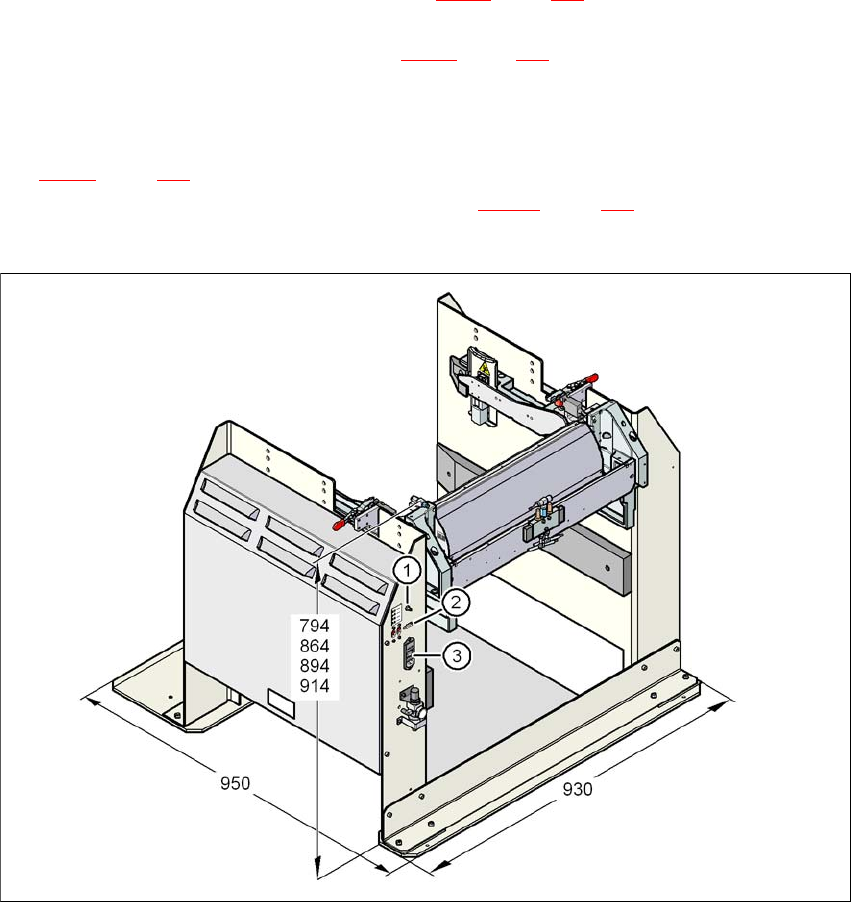
Fig. 6.2 - 2 Docking station - Dimensions in millimeters, connection points