00196504-02_UM_X-Serie_SR70X_EN.pdf - 第423页
User manual SIPLACE X-series Station extensions From software version SR.70x.xx 01/ 2011 EN edition Vision teach station 423 6.16 V ision teach st ation Item no. 001 19788-xx Vision te ach station 6 Fig. 6.16 - 1 Vision …
Station extensions User manual SIPLACE X-series
Pass-through transport From software version SR.70x.xx 01/2011 EN edition
422
6.15 Pass-through transport
Item no. 00119707-xx Pass-through transport, SIPLACE X-series
This option allows you to start and stop the belts of the PCB conveyors without a control computer.
User manual SIPLACE X-series Station extensions
From software version SR.70x.xx 01/2011 EN edition Vision teach station
423
6.16 Vision teach station
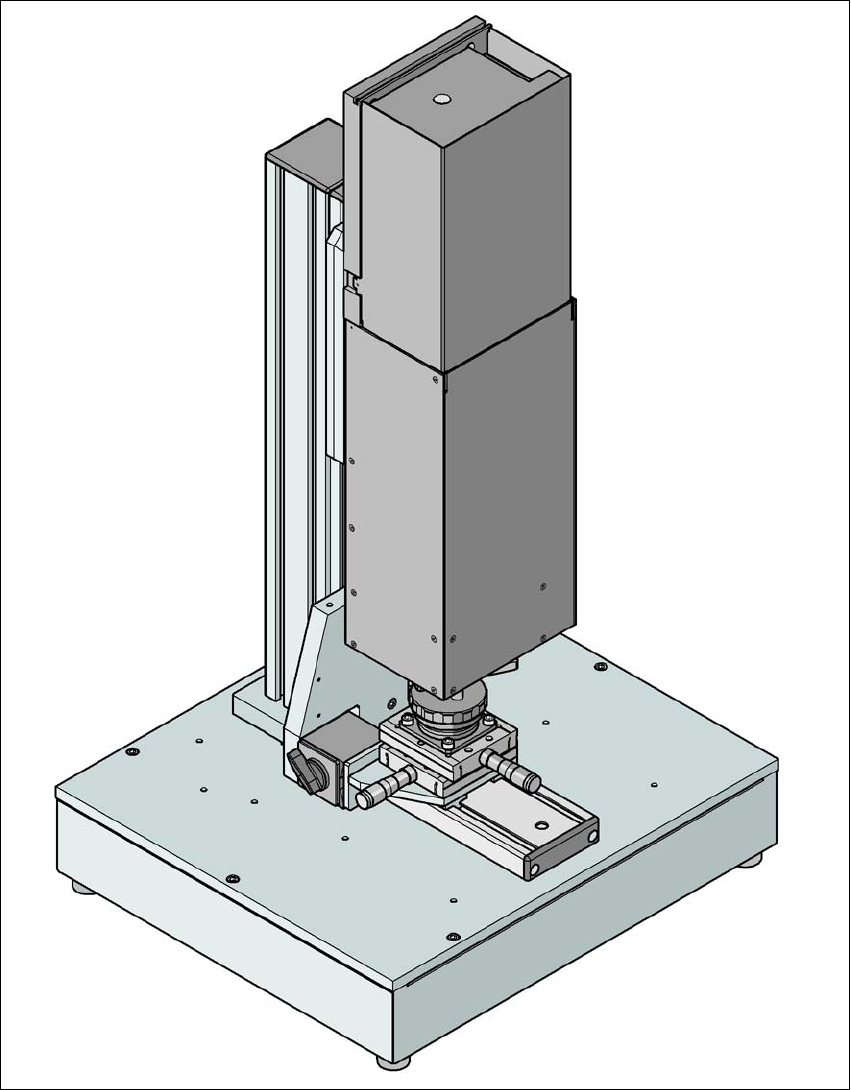
Item no. 00119788-xx Vision teach station
6
Fig. 6.16 - 1 Vision teach station with component camera, type 33
Station extensions User manual SIPLACE X-series
Vision teach station From software version SR.70x.xx 01/2011 EN edition
424
6.16.1 Description
The vision teach station is a system for creating and testing package form descriptions for com-
ponents to be processed on SIPLACE placement machines.
The vision teach station essentially consists of the following components:
– Base module with electronic circuits and one or two component cameras
– Mini-tower PC
WINDOWS XP operating system 6
SIPLACE Vision image processing software 6
SIPLACE Pro database server 6
Camera interfaces: CAN bus card and camera bus card 6
The vision teach station is used to create and test descriptions for package forms for any place-
ment machine and to run component inspections.
The package form descriptions thus created may be stored in the SIPLACE Pro database on the
vision teach station and transferred to the SIPLACE Pro database of the production system. You
can also download vision screenshots from placement machines to the vision teach station for
analysis. Only multiple component measurements still have to be carried out on the placement
machine.
6.16.2 Advantages
The major advantage of this offline system is that it is totally independent of the production system,
and no production system resources have to be used for creating and testing package form de-
scriptions. As a result, there is no loss of productivity due to the description and testing of package
forms. The time taken to introduce new products can also be considerably reduced with this inde-
pendent system.