HS50_advance_level 2.pdf - 第368页
S tudent Guide HS-50 Ad vanced II 12 S pecial handlin g for th e Z-axis Edition 0 7/2002 24 7 UDLQLQJWKH SODF HPHQWKHLJ KW 6LJQD OVIURPWRS WRERWWRP Positio nal devi ation: 200 mV 10 ms Iactual…
Student Guide HS-50 Advanced II
Edition 07/2002 12 Special handling for the Z-axis
23
7UDYHOSURILOHVLQGHWDLO
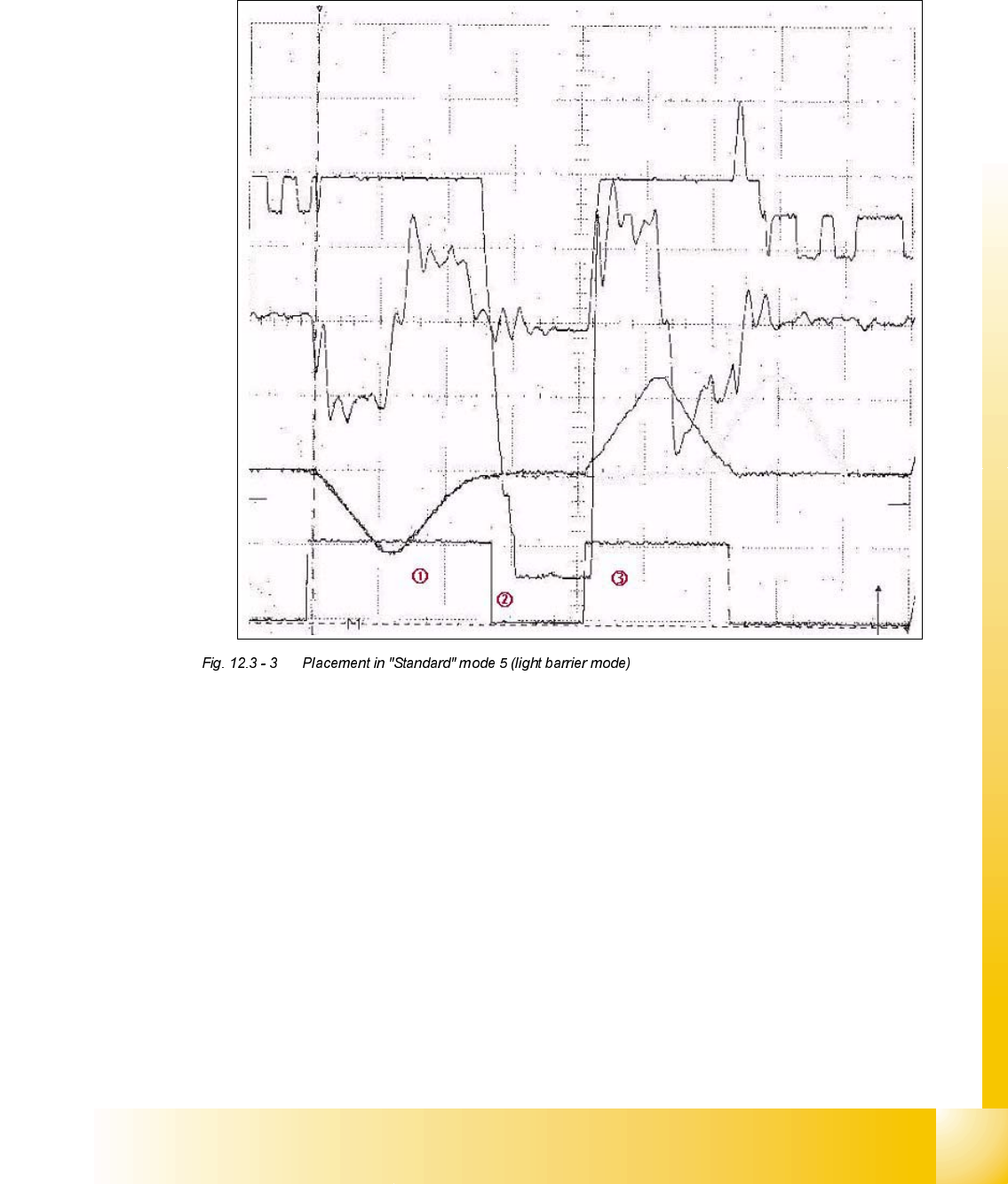
3ODFLQJDFRPSRQHQWLQ6WDQGDUGPRGHOLJKWEDUULHUPRGH
6LJQDOVIURPWRSWRERWWRP
Positional deviation: 200 mV 10 ms
Iactual: 5 V 10 ms
Vtarget: 5 V 10 ms
End signal: 5 V 10 ms
about 28 ms Position when moving down to place the component
on the 12th PCB.
about 12 ms Time on the component to switch on the forced air plus
the system’s reaction time
about 21 ms Position while moving down
Student Guide HS-50 Advanced II
12 Special handling for the Z-axis Edition 07/2002
24
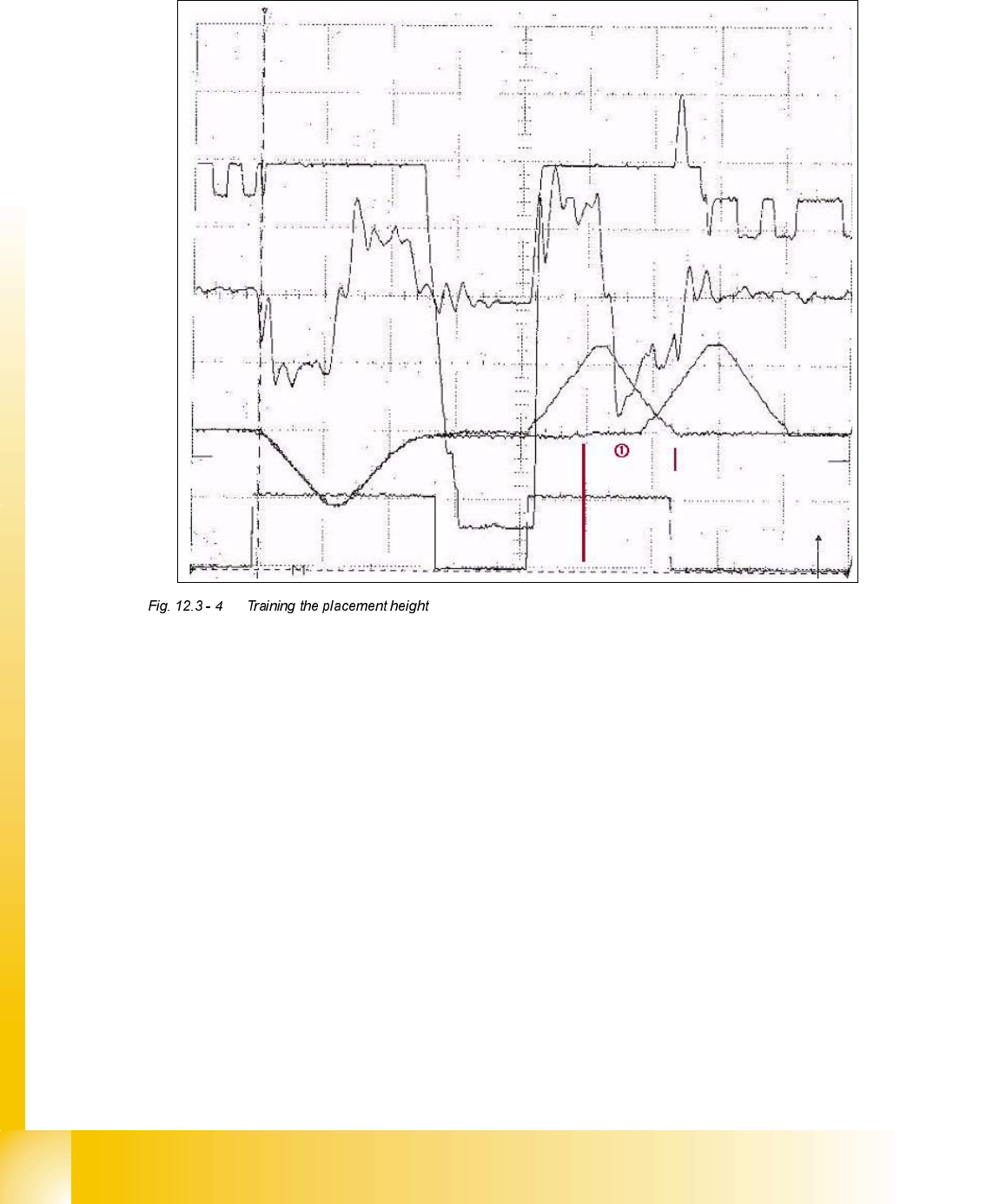
7UDLQLQJWKHSODFHPHQWKHLJKW
6LJQDOVIURPWRSWRERWWRP
Positional deviation: 200 mV 10 ms
Iactual: 5 V 10 ms
Vtarget from the memory of the oscilloscope (long Vtarget signal)
Vtarget: 5 V 10 ms
End signal: 5 V 10 ms
The curve stored for Vtarget shows the first placement operation on the first circuit board. The
other 4 signals show the placement operation for the same component on the 12th circuit board.
This means that the placement operation on the 12th circuit board is about 18 ms faster.
The pick-up height is trained for every placement position on all circuit boards.
Student Guide HS-50 Advanced II
Edition 07/2002 12 Special handling for the Z-axis
25
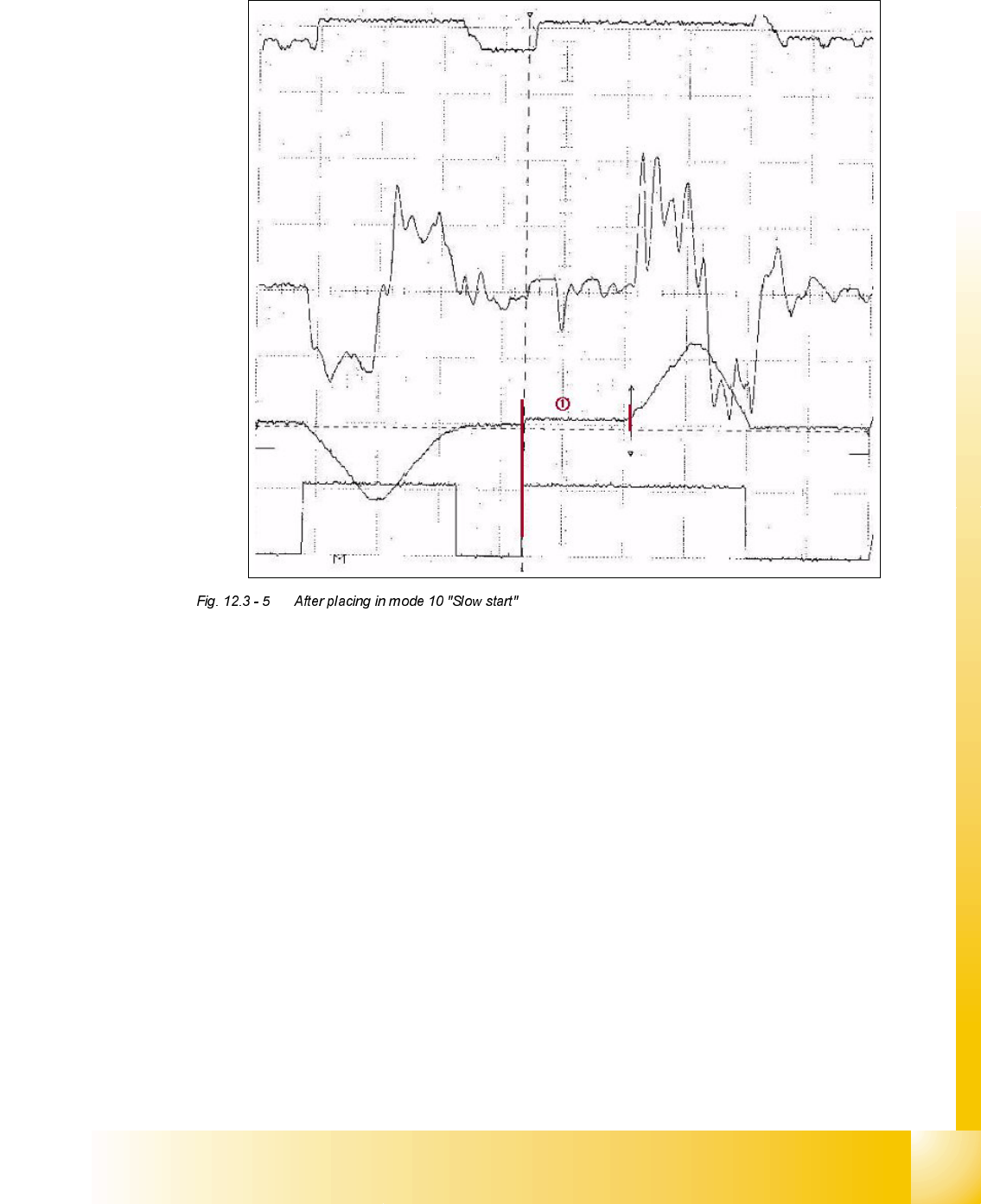
$IWHUSODFLQJLQPRGH6ORZVWDUW
6LJQDOVIURPWRSWRERWWRP
Positional deviation: 200 mV 10 ms
Iactual: 5 V 10 ms
Vtarget: 5 V 10 ms
End signal: 5 V 10 ms
Normal placement with light barriers. After switching on the forced air it takes about 20 ms until
the Z-axis accelerates up and away from the component.
Disadvantage: The placement operation takes about 20 ms longer.
This is a new programming capability. It corresponds to mode 3 "Slow start" when picking up a
component. Mode 10 "Slow start" can be selected so that the components remain securely on the
circuit board. In doing so, 44 digits (= 1mm) are traveled at the start speed. After that, it accelerates
and follows the normal speed profile.