N7201A652E.pdf - 第476页
NPM- TT2 EJM1E E-MB-06O-04 Specifi- cation Mac hine specifica tions/ Basic perf or mance 3 6-1-1 -5 Operating procedure 6-1-1 Recognition unit configuration 1 ■ Multi-recognition camera: [T ype 1] Corrects position and a…

NPM-TT2 EJM1EE-MB-06O-04
6-1-1-4
At
a glance
NPM-TT2 EJM1EE-MB-06O-04
Specifi-
cation
Machine specifications/
Basic performance 3
6-1-1-5
Operating procedure
6-1-1
Recognition unit configuration 1
■Multi-recognition camera: [Type 1]
Corrects position and angle displacement during component pickup.
It also enabled to detect BGA / CSP solder ball presence / absence using the lateral light (option)
*1)
.
*1) There are some limitations for detectable parts.
For details, (see →”BGA/CSP recognition condition (Type1 )”)
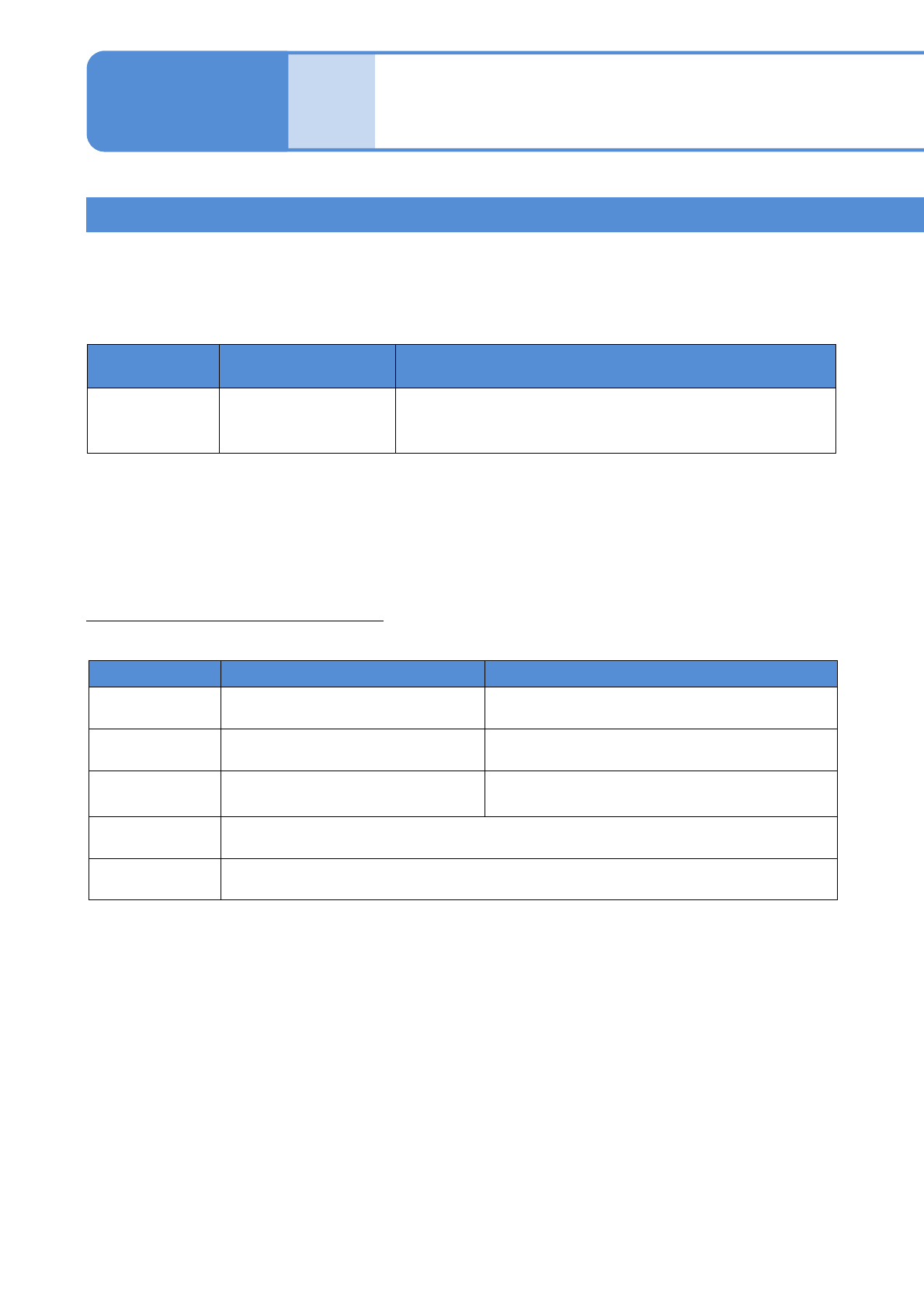
Recognition
method
Recognition speed Applicable component
Batch recognition High speed
General chip components including a square chip of 0402 or
larger
e.g.: BGA / CSP, QFP, SOP, connector, etc
QFP recognition condition (Type 1 )
Conditions of QFP which enables to be placed are as follows
*2)
.
8-nozzle head 3-nozzle head
Outer dimensions 5 x 5 to 32 x 32 mm 5 x 5 to 80 x 80 mm
*3)
Thickness 1.0 to 12 mm 1.0 to 30 mm
Lead pitch
0.5 mm, 0.65 mm, 1.0 mm,1.27 mm,
1.5 mm
0.4 mm, 0.5 mm, 0.65 mm, 1.0 mm, 1.27 mm,
1.5 mm
Lead width 0.2 mm or longer
Lead shape The amount of lead protrusion from the mold should be 1 mm or more.
Supply type: Tape, tray
*2) Basically, either OK or NG is judged by placement review and experimental trial using sample.
*3) If outer dimensions of a component exceeds 45 45 mm, split recognition is performed.
●For components other than above specifications, contact us.
●Regarding the machines released later than NPM-D3 / NPM-W2 / NPM-TT2 and equipped with multi-
recognition camera, the component library for the conventional line camera may not be partially compatible.
(When the function such as illuminance check of recognition option is used)
NPM-TT2 EJM1EE-MB-06O-04
6-1-1-6
At
a glance
BGA / CSP recognition condition (Type 1 )
Conditions of BGA and CSP which can be placed are as follows:
*1)
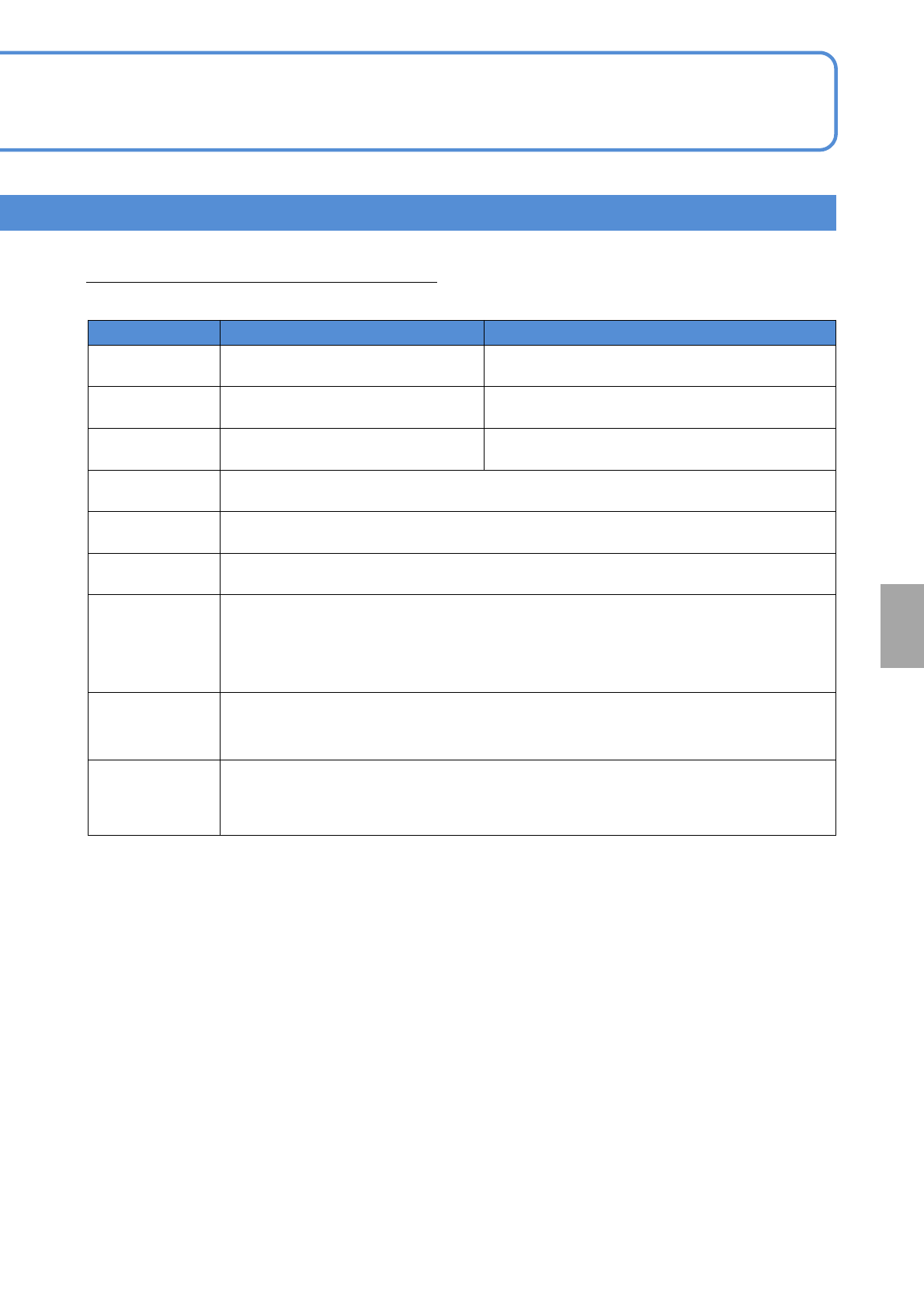
8-nozzle head 3-nozzle head
Outer dimensions 2 x 2 to 32 x 32 mm
*2)
2 x 2 to 90 x 90 mm
*2) *3)
Thickness 0.3 to 12 mm 0.3 to 30 mm
Ball pitch 0.4
*2)
to 1.5 mm 0.3
*2)
to 1.5 mm
Ball diameter φ0.15 to φ0.9 mm
Ball shape Ball or cylinder type
*4)
Ball material High temperature solder or eutectic solder
Maximum
number of balls
4096 balls
For positive-grid arrangement: (The number of rows x the number of columns) in the
outermost region is (64 x 64) balls
For staggered arrangement: (The number of rows x the number of columns) in the
outermost region is (32 x 32) balls
Minimum number
of balls
9 balls
(The number of rows x the number of columns) in the outermost region is (3 x 3) balls
Ball arraignment The balls should be uniform in pitch and size.
*5)
Supply type: Tape, tray
・The recognition of the outer shape of BGA / CSP and the simultaneous recognition of solder balls are
intended for those whose body is made of glass epoxy.
Recognition may be difficult depending on the condition of the solder ball placement surface (presence of
patterns / through holes, gloss, etc.).
・Those whose body is made of ceramic, or whose body color is gold, are placed by using the outer shape
recognition only.
・Keep the ball surfaces from becoming cloudy or turbid due to oxidation. You need to experimentally confirm
what degree of oxidation affects the availability of recognition.
*1) Basically, assess the availability of recognition by reviewing / conducting experimental placement using
samples.
*2) Consult us for large-sized fine-pitch components.
*3) If outer dimensions of a component exceeds 45 45 mm, split recognition is performed. (Recognition
range: 80 x 80 mm)
*4) Certain combinations of 2 ball pitches and ball diameters may make it impossible for you to perform
placement.
*5) The same Ball Miss and Plover pattern that are provided in the JEDEC and EIAJ with respect to BGA /
CSP are used.
●For components outside the above specifications, contact us.