743844-015.pdf - 第37页
For more information, refer to Intel ® Virtualization Technology for Directed I/O Architecture Specification http://www .intel.com/content/dam/www/public/us/en/ documents/product-specifications/vt -directed-io-spec.pdf I…
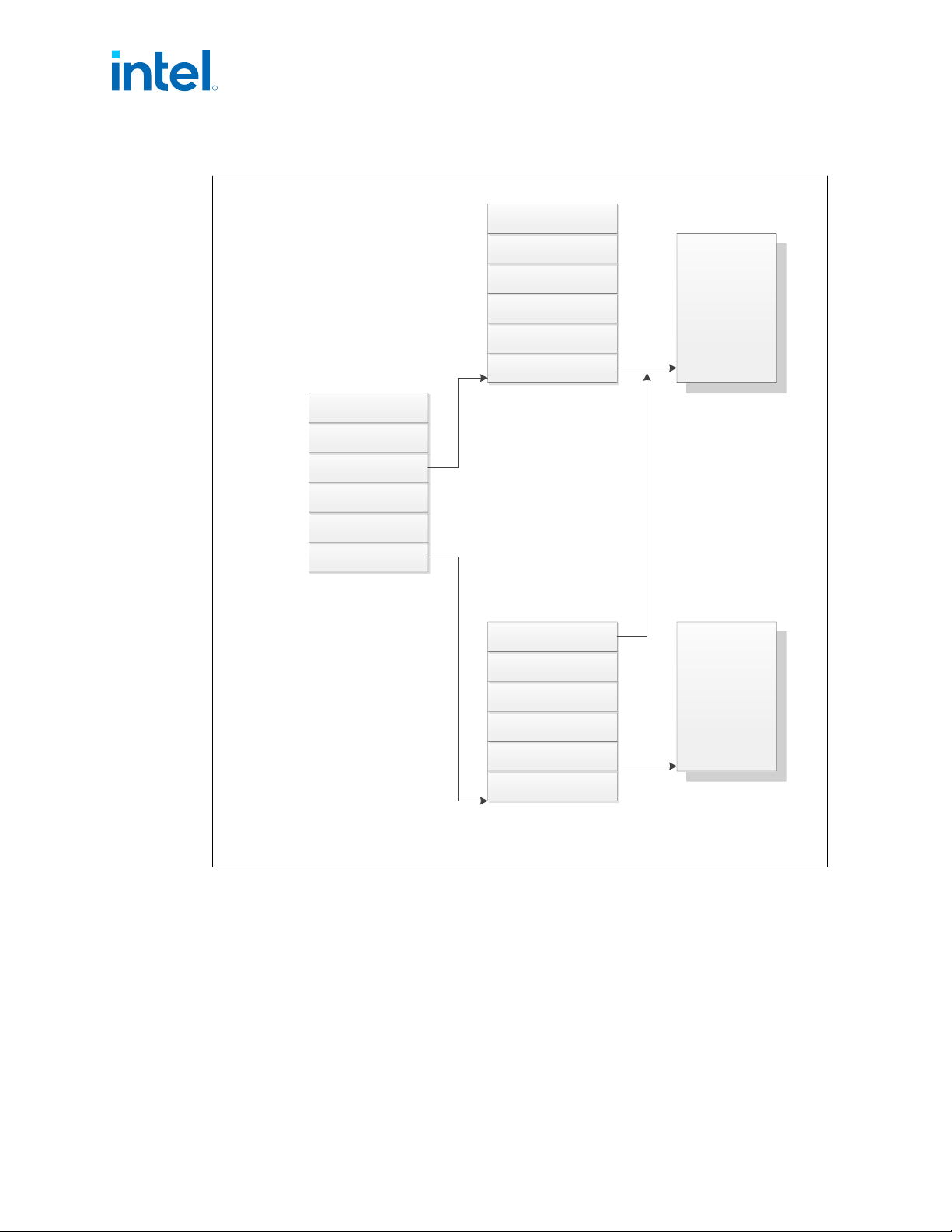
Figure 10. Device to Domain Mapping Structures
Root entry 0
Root entry N
Root entry 255
Context entry 0
Context entry 255
Context entry 0
Context entry 255
(Bus 255)
(Bus N)
(Bus 0)
Root entry table
(Dev 31, Func 7)
(Dev 0, Func 1)
(Dev 0, Func 0)
Context entry Table
For bus N
Context entry Table
For bus 0
Address Translation
Structures for Domain A
Address Translation
Structures for Domain B
Intel
®
VT-d functionality often referred to as an Intel
®
VT-d Engine, has typically been
implemented at or near a PCI Express* host bridge component of a computer system.
This might be in a chipset component or in the PCI Express functionality of a processor
with integrated I/O. When one such VT-d engine receives a PCI Express transaction
from a PCI Express bus, it uses the B/D/F number associated with the transaction to
search for an Intel
®
VT-d translation table. In doing so, it uses the B/D/F number to
traverse the data structure shown in the above figure. If it finds a valid Intel
®
VT-d
table in this data structure, it uses that table to translate the address provided on the
PCI Express bus. If it does not find a valid translation table for a given translation, this
results in an Intel
®
VT-d fault. If Intel
®
VT-d translation is required, the Intel
®
VT-d
engine performs an N-level table walk.
R
Intel
®
Core
™
, Xeon
™
6300 And Xeon
™
E 2400 Processors—Technologies
13
th
Generation Intel
®
Core
™
, Intel
®
Core
™
14
th
Generation, Intel
®
Core
™
Processor (Series 1) and (Series 2), Intel
®
Xeon
™
E
2400 Processor and Intel
®
Xeon
™
6300 Processor
Datasheet, Volume 1 of 2 May 2025
36 Doc. No.: 743844, Rev.: 015

For more information, refer to Intel
®
Virtualization Technology for Directed I/O
Architecture Specification http://www.intel.com/content/dam/www/public/us/en/
documents/product-specifications/vt-directed-io-spec.pdf
Intel
®
VT-d Key Features
The processor supports the following Intel
®
VT-d features:
• Memory controller and processor graphics comply with the Intel
®
VT-d 2.1
Specification.
• Two Intel
®
VT-d DMA remap engines.
— iGFX DMA remap engine
— Default DMA remap engine (covers all devices except iGFX)
• Support for root entry, context entry, and the default context
• 46-bit guest physical address and host physical address widths
• Support for 4K page sizes only
• Support for register-based fault recording only (for single entry only) and support
for MSI interrupts for faults
• Support for both leaf and non-leaf caching
• Support for boot protection of default page table
• Support for non-caching of invalid page table entries
• Support for hardware-based flushing of translated but pending writes and pending
reads, on IOTLB invalidation
• Support for Global, Domain-specific and Page specific IOTLB invalidation
• MSI cycles (MemWr to address FEEx_xxxxh) not translated.
• Interrupt Remapping is supported
• Queued invalidation is supported
• Intel
®
VT-d translation bypass address range is supported (Pass Through)
The processor supports the following added new Intel
®
VT-d features:
• 4-level Intel
®
VT-d Page walk – both default Intel
®
VT-d engine, as well as the
Processor Graphics VT-d engine are upgraded to support 4-level Intel
®
VT-d tables
(adjusted guest address width of 48 bits)
• Intel
®
VT-d super-page – support of Intel
®
VT-d super-page (2 MB, 1 GB) for
default Intel
®
VT-d engine (that covers all devices except IGD)
IGD Intel
®
VT-d engine does not support super-page and BIOS should disable
super-page in default Intel
®
VT-d engine when iGfx is enabled.
NOTE
Intel
®
VT-d Technology may not be available on all SKUs.
R
Technologies—Intel
®
Core
™
, Xeon
™
6300 And Xeon
™
E 2400 Processors
13
th
Generation Intel
®
Core
™
, Intel
®
Core
™
14
th
Generation, Intel
®
Core
™
Processor (Series 1) and (Series 2), Intel
®
Xeon
™
E
2400 Processor and Intel
®
Xeon
™
6300 Processor
May 2025 Datasheet, Volume 1 of 2
Doc. No.: 743844, Rev.: 015 37

Intel
®
APIC Virtualization Technology (Intel
®
APICv)
APIC virtualization is a collection of features that can be used to support the
virtualization of interrupts and the Advanced Programmable Interrupt Controller
(APIC).
When APIC virtualization is enabled, the processor emulates many accesses to the
APIC, tracks the state of the virtual APIC, and delivers virtual interrupts — all in VMX
non-root operation without a VM exit.
The following are the VM-execution controls relevant to APIC virtualization and virtual
interrupts:
• Virtual-interrupt Delivery. This controls enables the evaluation and delivery of
pending virtual interrupts. It also enables the emulation of writes (memory-
mapped or MSR-based, as enabled) to the APIC registers that control interrupt
prioritization.
• Use TPR Shadow. This control enables emulation of accesses to the APIC’s task-
priority register (TPR) via CR8 and, if enabled, via the memory-mapped or MSR-
based interfaces.
• Virtualize APIC Accesses. This control enables virtualization of memory-mapped
accesses to the APIC by causing VM exits on accesses to a VMM-specified APIC-
access page. Some of the other controls, if set, may cause some of these accesses
to be emulated rather than causing VM exits.
• Virtualize x2APIC Mode. This control enables virtualization of MSR-based
accesses to the APIC.
• APIC-register Virtualization. This control allows memory-mapped and MSR-
based reads of most APIC registers (as enabled) by satisfying them from the
virtual-APIC page. It directs memory-mapped writes to the APIC-access page to
the virtual-APIC page, following them by VM exits for VMM emulation.
• Process Posted Interrupts. This control allows software to post virtual
interrupts in a data structure and send a notification to another logical processor;
upon receipt of the notification, the target processor will process the posted
interrupts by copying them into the virtual-APIC page.
NOTE
Intel
®
APIC Virtualization Technology may not be available on all SKUs.
Intel
®
APIC Virtualization specifications and functional descriptions are included in the
Intel
®
64 Architectures Software Developer’s Manual, Volume 3. Available at:
http://www.intel.com/products/processor/manuals
Hypervisor-Managed Linear Address Translation
Hypervisor-Managed Linear Address Translation (HLAT) is active when the “enable
HLAT” VM-execution control is 1. The processor looks up the HLAT if, during a guest
linear address translation, the guest linear address matches the Protected Linear
Range. The lookup from guest linear addresses to the guest physical address and
attributes is determined by a set of HLAT paging structures.
2.2.3
2.2.4
R
Intel
®
Core
™
, Xeon
™
6300 And Xeon
™
E 2400 Processors—Technologies
13
th
Generation Intel
®
Core
™
, Intel
®
Core
™
14
th
Generation, Intel
®
Core
™
Processor (Series 1) and (Series 2), Intel
®
Xeon
™
E
2400 Processor and Intel
®
Xeon
™
6300 Processor
Datasheet, Volume 1 of 2 May 2025
38 Doc. No.: 743844, Rev.: 015