743844-015.pdf - 第69页
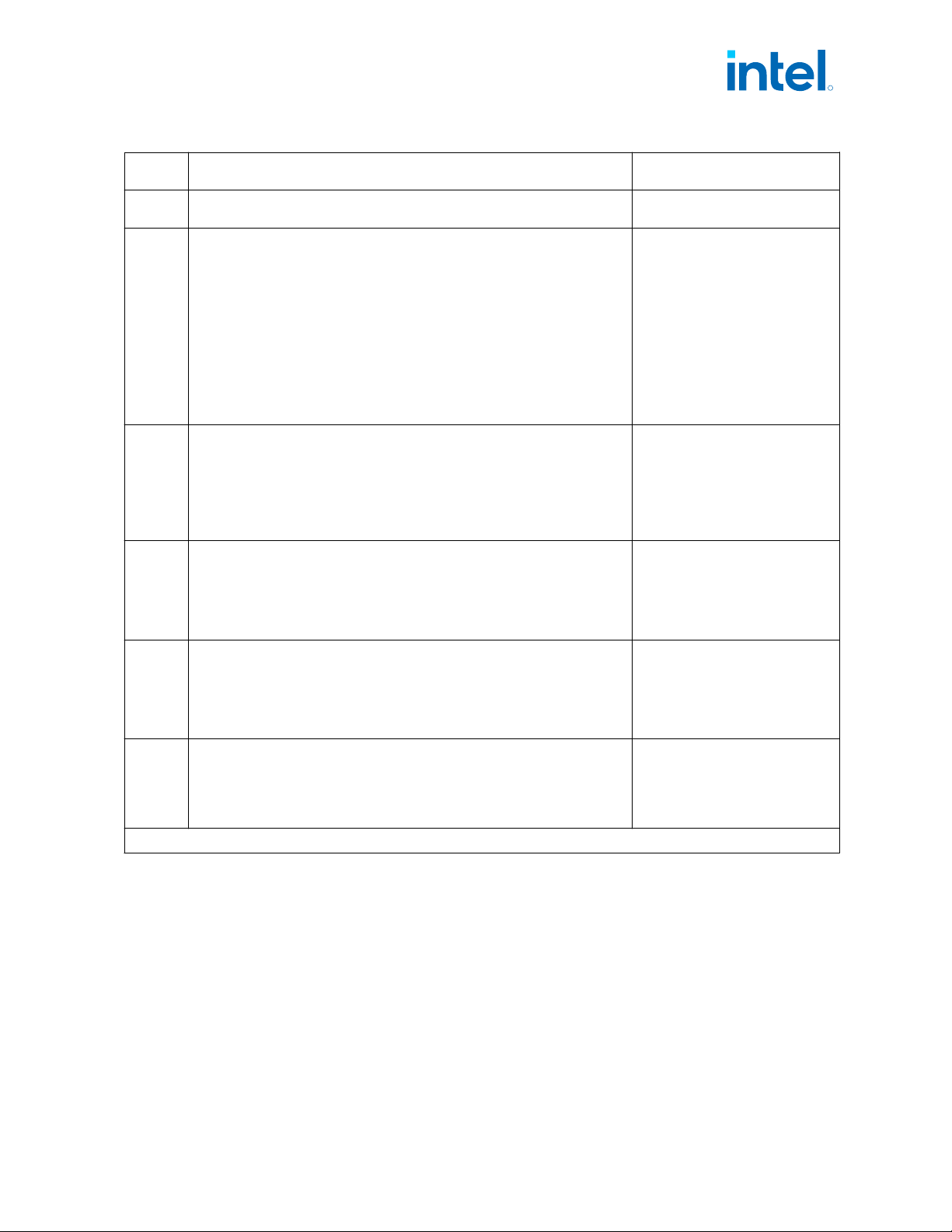
Package C state Description Dependencies Processor Graphic in RC0 (Graphics activ e state) or RC6 (Graphics Core power down state). PKG C2 Cannot be requested explicitly by the Software. All processor IA cores in C6 or d…
— For package C-states, the processor is not required to enter C0 before
entering any other C-state.
— Entry into a package C-state may be subject to auto-demotion – that is, the
processor may keep the package in a deeper package C-state then requested
by the operating system if the processor determines, using heuristics, that the
deeper C-state results in better power/performance.
The processor exits a package C-state when a break event is detected. Depending on
the type of break event, the processor does the following:
• If a processor IA core break event is received, the target processor IA core is
activated and the break event message is forwarded to the target processor IA
core.
— If the break event is not masked, the target processor IA core enters the
processor IA core C0 state and the processor enters package C0.
— If the break event is masked, the processor attempts to re-enter its previous
package state.
• If the break event was due to a memory access or snoop request,
— But the platform did not request to keep the processor in a higher package C-
state, the package returns to its previous C-state.
— And the platform requests a higher power C-state, the memory access or
snoop request is serviced and the package remains in the higher power C-
state.
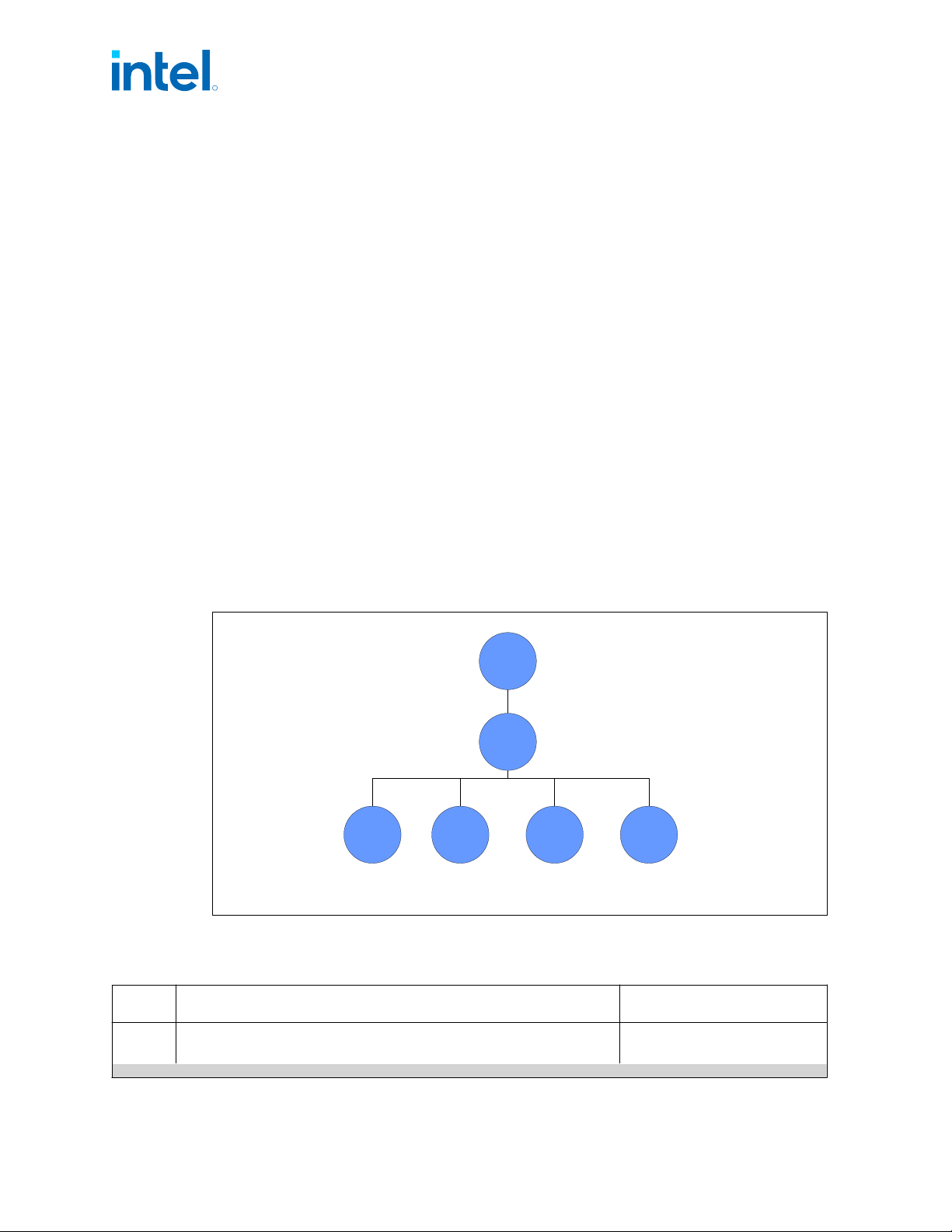
Figure 16. Package C-State Entry and Exit
To get started, click the What is Visio? tab below
Welcome to Visio
Top tips for a simpler way to work
Package C0
Package c2
Package C6 Package C8 Package C10Package C3*
PKG C2 and C3 can not be requested explicitly by the software
Table 8. Package C-States
Package
C state
Description Dependencies
PKG C0
Processor active state.
At least one IA core in C0.
-
continued...
R
Intel
®
Core
™
, Xeon
™
6300 And Xeon
™
E 2400 Processors—Power Management
13
th
Generation Intel
®
Core
™
, Intel
®
Core
™
14
th
Generation, Intel
®
Core
™
Processor (Series 1) and (Series 2), Intel
®
Xeon
™
E
2400 Processor and Intel
®
Xeon
™
6300 Processor
Datasheet, Volume 1 of 2 May 2025
68 Doc. No.: 743844, Rev.: 015
Package
C state
Description Dependencies
Processor Graphic in RC0 (Graphics active state) or RC6 (Graphics Core power
down state).
PKG C2
Cannot be requested explicitly by the Software.
All processor IA cores in C6 or deeper + Processor Graphic cores in RC6,
memory path may be open.
The processor will enter Package C2 when:
• Transitioning from Package C0 to deep Package C state or from deep
Package C state to Package C0.
• All IA cores requested C6 or deeper + Processor Graphic cores in RC6 but
there are constraints (LTR, programmed timer events in the near future
and so forth) prevent entry to any state deeper than C2 state.
• All IA cores requested C6 or deeper + Processor Graphic cores in RC6 but
a device memory access request is received. Upon completion of all
outstanding memory requests, the processor transitions back into a
deeper package C-state.
All processor IA cores in C6 or
deeper.
Processor Graphic cores in RC6.
PKG C3
Cannot be requested explicitly by the Software.
All cores in C6 or deeper + Processor Graphics in RC6, LLC may be flushed
and turned off, memory in self refresh, memory clock stopped.
The processor will enter Package C3 when:
• All IA cores in C6 or deeper + Processor Graphic cores in RC6.
• The platform components/devices allows proper LTR for entering Package
C3.
All processor IA cores in C6 or
deeper.
Processor Graphics in RC6.
memory in self refresh, memory
clock stopped.
LLC may be flushed and turned off.
PKG C6
Package C3 + BCLK is off + IMVP9.1 VRs voltage reduction/PSx state is
possible.
The processor will enter Package C6 when:
• All IA cores in C6 or deeper + Processor Graphic cores in RC6.
• The platform components/devices allow proper LTR for entering Package
C6.
Package C3.
BCLK is off.
IMVP9.1 VRs voltage
reduction/PSx state is possible.
PKG C8
Of all IA cores requested C8 + LLC should be flushed at once, voltage will be
removed from the LLC.
The processor will enter Package C8 when:
• All IA cores in C8 or deeper + Processor Graphic cores in RC6.
• The platform components/devices allow proper LTR for entering Package
C8.
Package C6
If all IA cores requested C8, LLC is
flushed in a
single step, voltage will be
removed from the LLC.
PKG
C10
Package C8 + display in PSR or powered, all VRs at PS4 + crystal clock off.
The processor will enter Package C10 when:
• All IA cores in C10 + Processor Graphic cores in RC6.
• The platform components/devices allow proper LTR for entering Package
C10.
Package C8.
All IA cores in C8 or deeper.
Display in PSR or powered off
1
.
All VRs at PS4.
Crystal clock off.
Note: Display In PSR is only on single embedded panel configuration and panel support PSR feature.
Package C-State Auto-Demotion
The Processor may demote the Package C-State to a shallower Package C-State to
enable better performance, for example instead of going into Package C10, processor
will demote to Package C6 (and shallower as required).
The processor's decision to demote the Package C-State is based on Power
management parameters such as required C states latencies, entry/exit energy/power,
Core wake rates, and device LTR (Latency Tolerance Report). This means that the
processor is optimized to minimize platform energy for scenarios with low idle time.
R
Power Management—Intel
®
Core
™
, Xeon
™
6300 And Xeon
™
E 2400 Processors
13
th
Generation Intel
®
Core
™
, Intel
®
Core
™
14
th
Generation, Intel
®
Core
™
Processor (Series 1) and (Series 2), Intel
®
Xeon
™
E
2400 Processor and Intel
®
Xeon
™
6300 Processor
May 2025 Datasheet, Volume 1 of 2
Doc. No.: 743844, Rev.: 015 69
Processor deeper Package C-State entry frequency is controlled to minimize platform
energy. When Package C-State Auto-Demotion enabled, a reduced residency in a
deeper Package C-State is expected during system runs with high wake rates.
No change at IDLE scenario power consumption due to this feature. Package C-State
Auto-Demotion is enabled by default and controlled through BIOS menu.
Modern Standby
Modern Standby is a platform state. On display time out the OS requests the
processor to enter package C10 and platform devices at RTD3 (or disabled) in order to
attain low power in idle. Modern Standby requires proper BIOS and OS configuration.
Dynamic LLC Sizing
When all processor IA cores request C8 or deeper C-state, internal heuristics
dynamically flushes the LLC. Once the processor IA cores enter a deep C-state,
depending on their MWAIT sub-state request, the LLC is either gradually flushed N-
ways at a time or flushed all at once. Upon the processor IA cores exiting to C0 state,
the LLC is gradually expanded based on internal heuristics.
Package C-States and Display Resolutions
The integrated graphics engine has the frame buffer located in system memory. When
the display is updated, the graphics engine fetches display data from system memory.
Different screen resolutions and refresh rates have different memory latency
requirements. These requirements may limit the deepest Package C-state the
processor can enter. Other elements that may affect the deepest Package C-state
available are the following:
• Display is on or off
• Single or multiple displays
• Native or non-native resolution
• Panel Self Refresh (PSR) technology
NOTE
Display resolution is not the only factor influencing the deepest Package C-state the
processor can get into. Device latencies, interrupt response latencies, and core C-
states are among other factors that influence the final package C-state the processor
can enter.
Processor AUX Power Management
VCCIN AUX IMON Feature
This feature is the new power feature which allows the processor to read VCCIN Aux
average current via the IMVP9.1 controller over SVID.
It allows the processor to get an accurate power estimation of VCCIN Aux, which is
reflected in more accurate package power reporting and better accuracy in meeting
the package power limits (PL1, PL2, and PL3).
3.2.6
3.3
R
Intel
®
Core
™
, Xeon
™
6300 And Xeon
™
E 2400 Processors—Power Management
13
th
Generation Intel
®
Core
™
, Intel
®
Core
™
14
th
Generation, Intel
®
Core
™
Processor (Series 1) and (Series 2), Intel
®
Xeon
™
E
2400 Processor and Intel
®
Xeon
™
6300 Processor
Datasheet, Volume 1 of 2 May 2025
70 Doc. No.: 743844, Rev.: 015