743844-015.pdf - 第68页
— For package C -states, the processor is not required to enter C0 before entering any other C -state. — Entry into a package C-state ma y be subject to auto-demotion – that is, the processor may keep the package in a de…
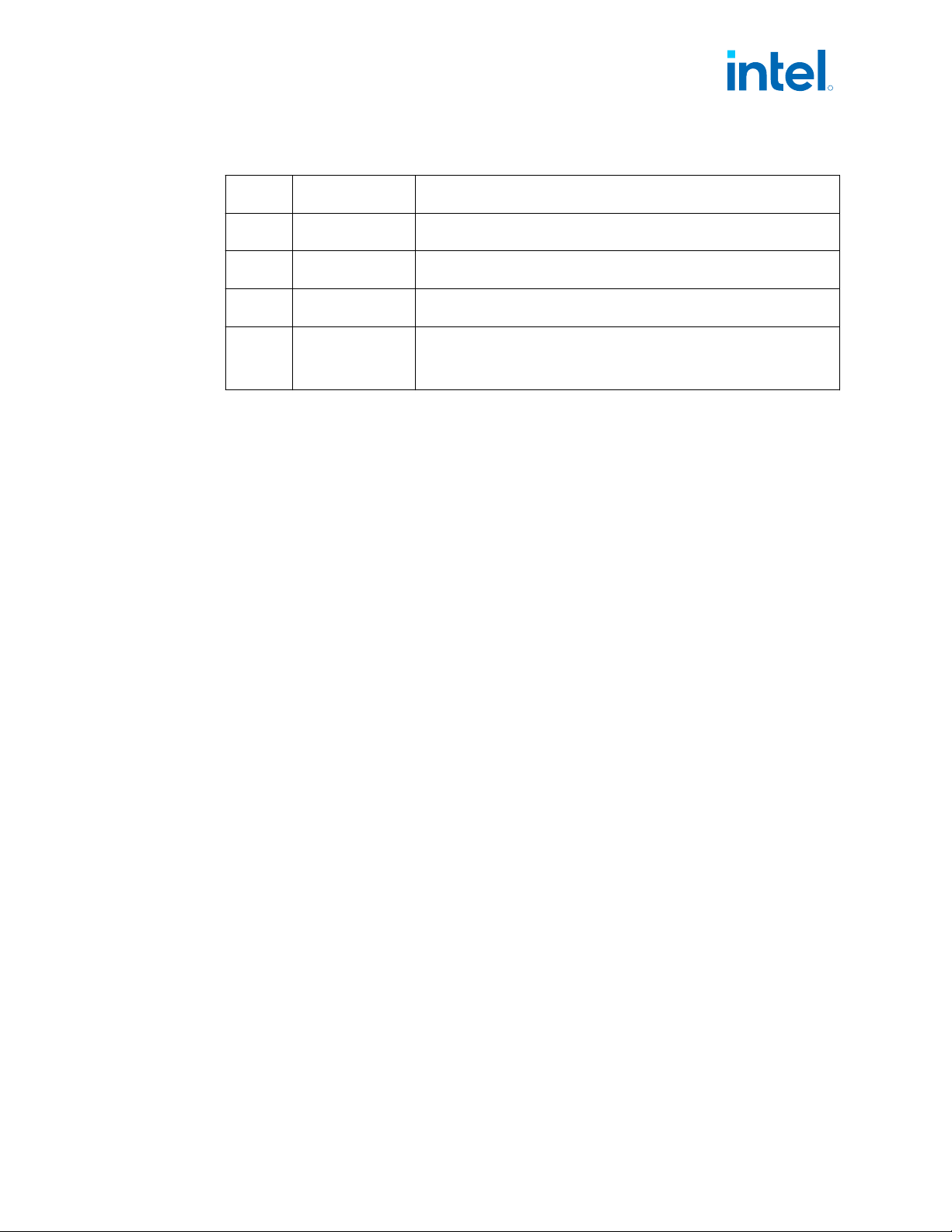
Table 7. Core C-states
Core C-
State
C-State Request
Instruction
Description
C0 N/A
The normal operating state of a processor IA core where a code is being
executed
C1 MWAIT(C1)
AutoHalt - core execution stopped, autonomous clock gating (package in
C0 state)
C1E MWAIT(C1E)
Core C1 + lowest frequency and voltage operating point (package in C0
state)
C6-C10
MWAIT(C6/C8/10)
or IO
read=P_LVL3//6/8
Processor IA, flush their L1 instruction cache, the L1 data cache, and L2
cache to the LLC shared cache cores save their architectural state to an
SRAM before reducing IA cores voltage, if possible may also be reduced to
0V. Core clocks are off.
Core C-State Auto-Demotion
In general, deeper C-states, such as C6, have long latencies and have higher energy
entry/exit costs. The resulting performance and energy penalties become significant
when the entry/exit frequency of a deeper C-state is high. Therefore, incorrect or
inefficient usage of deeper C-states have a negative impact on battery life and idle
power. To increase residency and improve battery life and idle power in deeper C-
states, the processor supports C-state auto-demotion.
C-State auto-demotion:
• C6 to C1/C1E
The decision to demote a processor IA core from C6 to C1/C1E is based on each
processor IA core’s immediate residency history. Upon each processor IA core C6
request, the processor IA core C-state is demoted to C1 until a sufficient amount of
residency has been established. At that point, a processor IA core is allowed to go into
C6 . If the interrupt rate experienced on a processor IA core is high and the processor
IA core is rarely in a deep C-state between such interrupts, the processor IA core can
be demoted to a C1 state.
This feature is disabled by default. BIOS should enable it in the
PMG_CST_CONFIG_CONTROL register. The auto-demotion policy is also configured by
this register.
Package C-States
The processor supports C0, C2, C3, C6, C8, and C10 package states. The following is a
summary of the general rules for package C-state entry. These apply to all package C-
states, unless specified otherwise:
• A package C-state request is determined by the lowest numerical processor IA
core C-state amongst all processor IA cores.
• A package C-state is automatically resolved by the processor depending on the
processor IA core idle power states and the status of the platform components.
— Each processor IA core can be at a lower idle power state than the package if
the platform does not grant the processor permission to enter a requested
package C-state.
— The platform may allow additional power savings to be realized in the
processor.
3.2.5
R
Power Management—Intel
®
Core
™
, Xeon
™
6300 And Xeon
™
E 2400 Processors
13
th
Generation Intel
®
Core
™
, Intel
®
Core
™
14
th
Generation, Intel
®
Core
™
Processor (Series 1) and (Series 2), Intel
®
Xeon
™
E
2400 Processor and Intel
®
Xeon
™
6300 Processor
May 2025 Datasheet, Volume 1 of 2
Doc. No.: 743844, Rev.: 015 67
— For package C-states, the processor is not required to enter C0 before
entering any other C-state.
— Entry into a package C-state may be subject to auto-demotion – that is, the
processor may keep the package in a deeper package C-state then requested
by the operating system if the processor determines, using heuristics, that the
deeper C-state results in better power/performance.
The processor exits a package C-state when a break event is detected. Depending on
the type of break event, the processor does the following:
• If a processor IA core break event is received, the target processor IA core is
activated and the break event message is forwarded to the target processor IA
core.
— If the break event is not masked, the target processor IA core enters the
processor IA core C0 state and the processor enters package C0.
— If the break event is masked, the processor attempts to re-enter its previous
package state.
• If the break event was due to a memory access or snoop request,
— But the platform did not request to keep the processor in a higher package C-
state, the package returns to its previous C-state.
— And the platform requests a higher power C-state, the memory access or
snoop request is serviced and the package remains in the higher power C-
state.
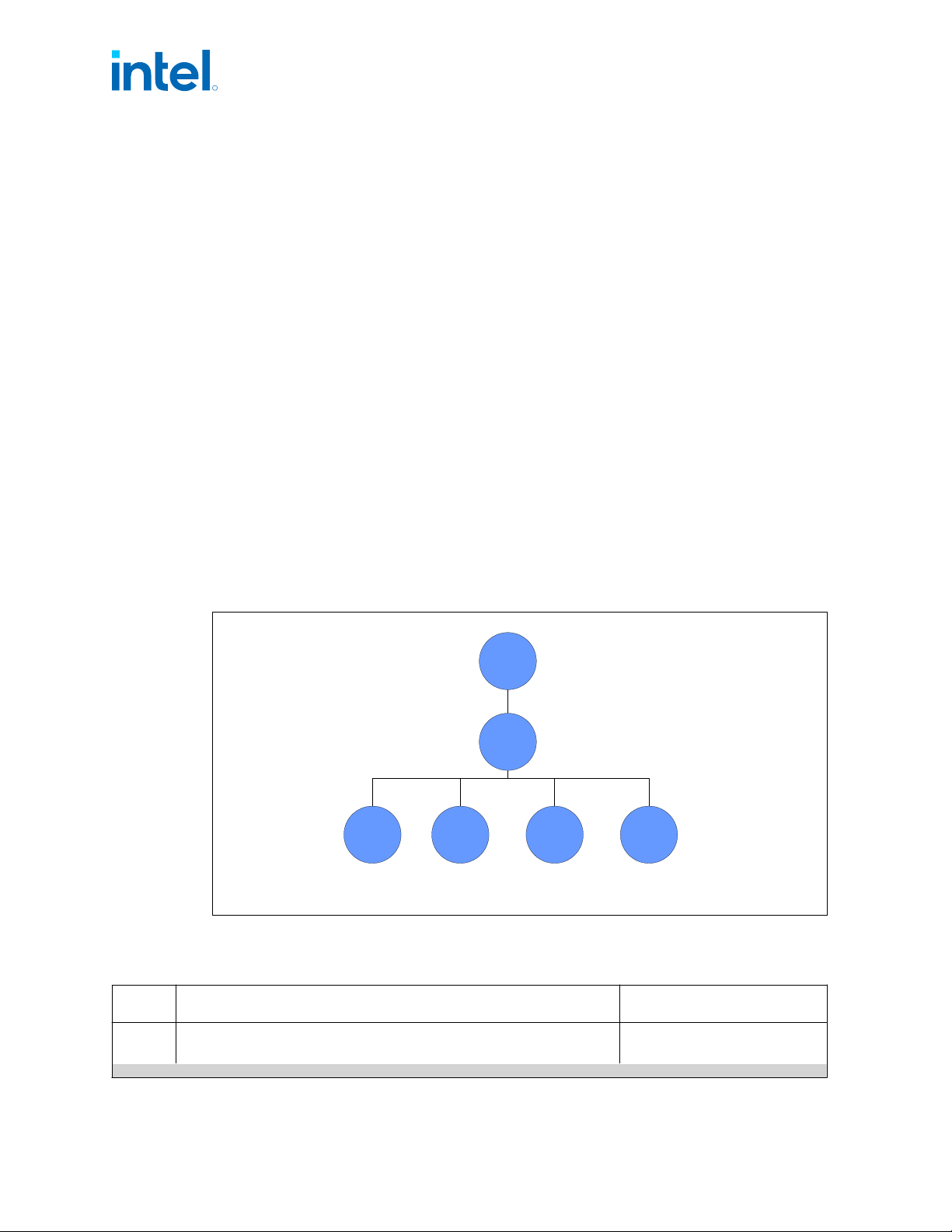
Figure 16. Package C-State Entry and Exit
To get started, click the What is Visio? tab below
Welcome to Visio
Top tips for a simpler way to work
Package C0
Package c2
Package C6 Package C8 Package C10Package C3*
PKG C2 and C3 can not be requested explicitly by the software
Table 8. Package C-States
Package
C state
Description Dependencies
PKG C0
Processor active state.
At least one IA core in C0.
-
continued...
R
Intel
®
Core
™
, Xeon
™
6300 And Xeon
™
E 2400 Processors—Power Management
13
th
Generation Intel
®
Core
™
, Intel
®
Core
™
14
th
Generation, Intel
®
Core
™
Processor (Series 1) and (Series 2), Intel
®
Xeon
™
E
2400 Processor and Intel
®
Xeon
™
6300 Processor
Datasheet, Volume 1 of 2 May 2025
68 Doc. No.: 743844, Rev.: 015
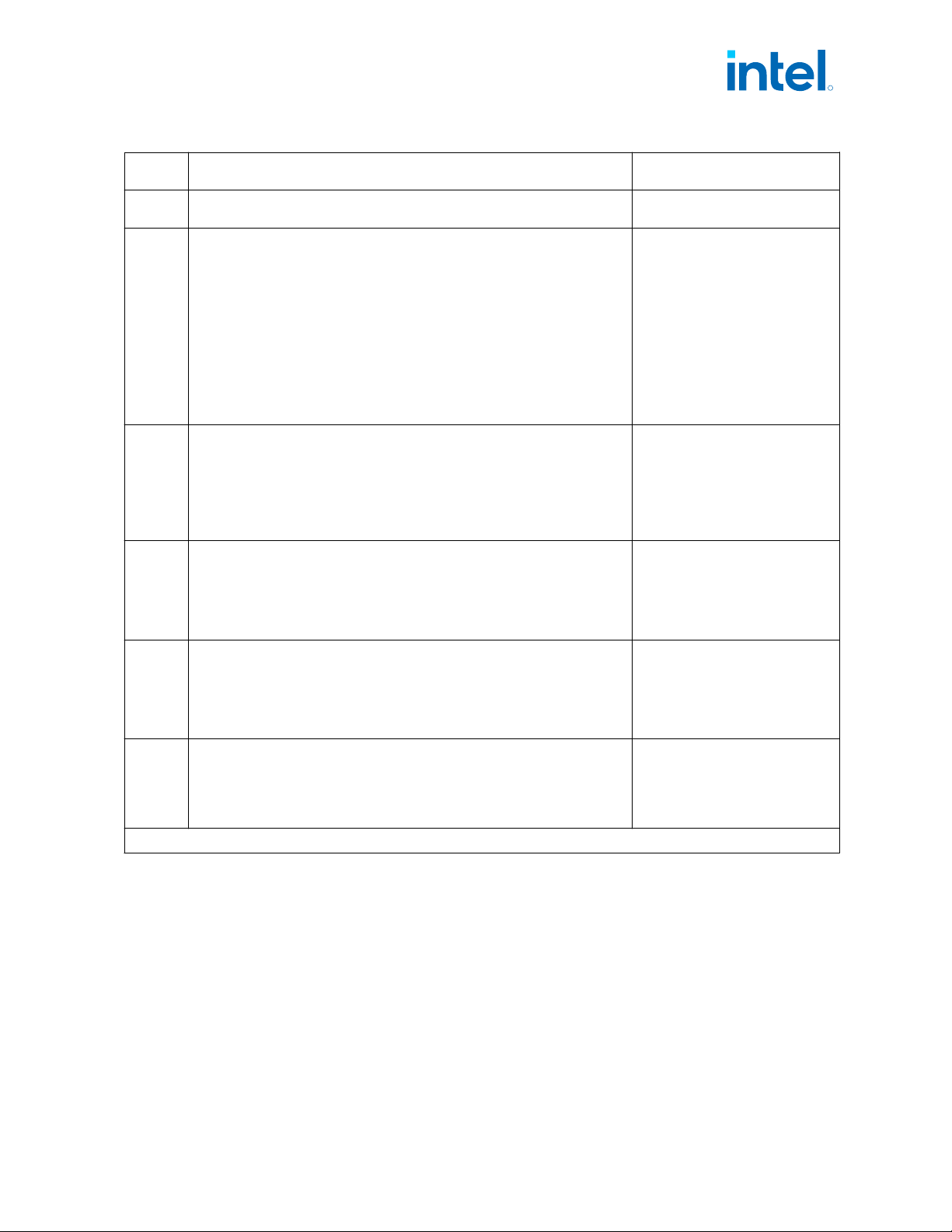
Package
C state
Description Dependencies
Processor Graphic in RC0 (Graphics active state) or RC6 (Graphics Core power
down state).
PKG C2
Cannot be requested explicitly by the Software.
All processor IA cores in C6 or deeper + Processor Graphic cores in RC6,
memory path may be open.
The processor will enter Package C2 when:
• Transitioning from Package C0 to deep Package C state or from deep
Package C state to Package C0.
• All IA cores requested C6 or deeper + Processor Graphic cores in RC6 but
there are constraints (LTR, programmed timer events in the near future
and so forth) prevent entry to any state deeper than C2 state.
• All IA cores requested C6 or deeper + Processor Graphic cores in RC6 but
a device memory access request is received. Upon completion of all
outstanding memory requests, the processor transitions back into a
deeper package C-state.
All processor IA cores in C6 or
deeper.
Processor Graphic cores in RC6.
PKG C3
Cannot be requested explicitly by the Software.
All cores in C6 or deeper + Processor Graphics in RC6, LLC may be flushed
and turned off, memory in self refresh, memory clock stopped.
The processor will enter Package C3 when:
• All IA cores in C6 or deeper + Processor Graphic cores in RC6.
• The platform components/devices allows proper LTR for entering Package
C3.
All processor IA cores in C6 or
deeper.
Processor Graphics in RC6.
memory in self refresh, memory
clock stopped.
LLC may be flushed and turned off.
PKG C6
Package C3 + BCLK is off + IMVP9.1 VRs voltage reduction/PSx state is
possible.
The processor will enter Package C6 when:
• All IA cores in C6 or deeper + Processor Graphic cores in RC6.
• The platform components/devices allow proper LTR for entering Package
C6.
Package C3.
BCLK is off.
IMVP9.1 VRs voltage
reduction/PSx state is possible.
PKG C8
Of all IA cores requested C8 + LLC should be flushed at once, voltage will be
removed from the LLC.
The processor will enter Package C8 when:
• All IA cores in C8 or deeper + Processor Graphic cores in RC6.
• The platform components/devices allow proper LTR for entering Package
C8.
Package C6
If all IA cores requested C8, LLC is
flushed in a
single step, voltage will be
removed from the LLC.
PKG
C10
Package C8 + display in PSR or powered, all VRs at PS4 + crystal clock off.
The processor will enter Package C10 when:
• All IA cores in C10 + Processor Graphic cores in RC6.
• The platform components/devices allow proper LTR for entering Package
C10.
Package C8.
All IA cores in C8 or deeper.
Display in PSR or powered off
1
.
All VRs at PS4.
Crystal clock off.
Note: Display In PSR is only on single embedded panel configuration and panel support PSR feature.
Package C-State Auto-Demotion
The Processor may demote the Package C-State to a shallower Package C-State to
enable better performance, for example instead of going into Package C10, processor
will demote to Package C6 (and shallower as required).
The processor's decision to demote the Package C-State is based on Power
management parameters such as required C states latencies, entry/exit energy/power,
Core wake rates, and device LTR (Latency Tolerance Report). This means that the
processor is optimized to minimize platform energy for scenarios with low idle time.
R
Power Management—Intel
®
Core
™
, Xeon
™
6300 And Xeon
™
E 2400 Processors
13
th
Generation Intel
®
Core
™
, Intel
®
Core
™
14
th
Generation, Intel
®
Core
™
Processor (Series 1) and (Series 2), Intel
®
Xeon
™
E
2400 Processor and Intel
®
Xeon
™
6300 Processor
May 2025 Datasheet, Volume 1 of 2
Doc. No.: 743844, Rev.: 015 69