YCP10 Users_E.pdf - 第250页
2-3 2 Inspection and maintenance 1.2 Cleaning the camera protective glass Dirt or dust particles sticking to the protecti ve glass of the mask (stencil) camera unit ma y cause recognition errors. e T o ensure the safety …
2-2
2
Inspection and maintenance
1. Inspection and maintenance
1.1 Daily inspection
To prevent unwanted trouble, the following points should be checked on a daily basis before and after using
the machine.
n
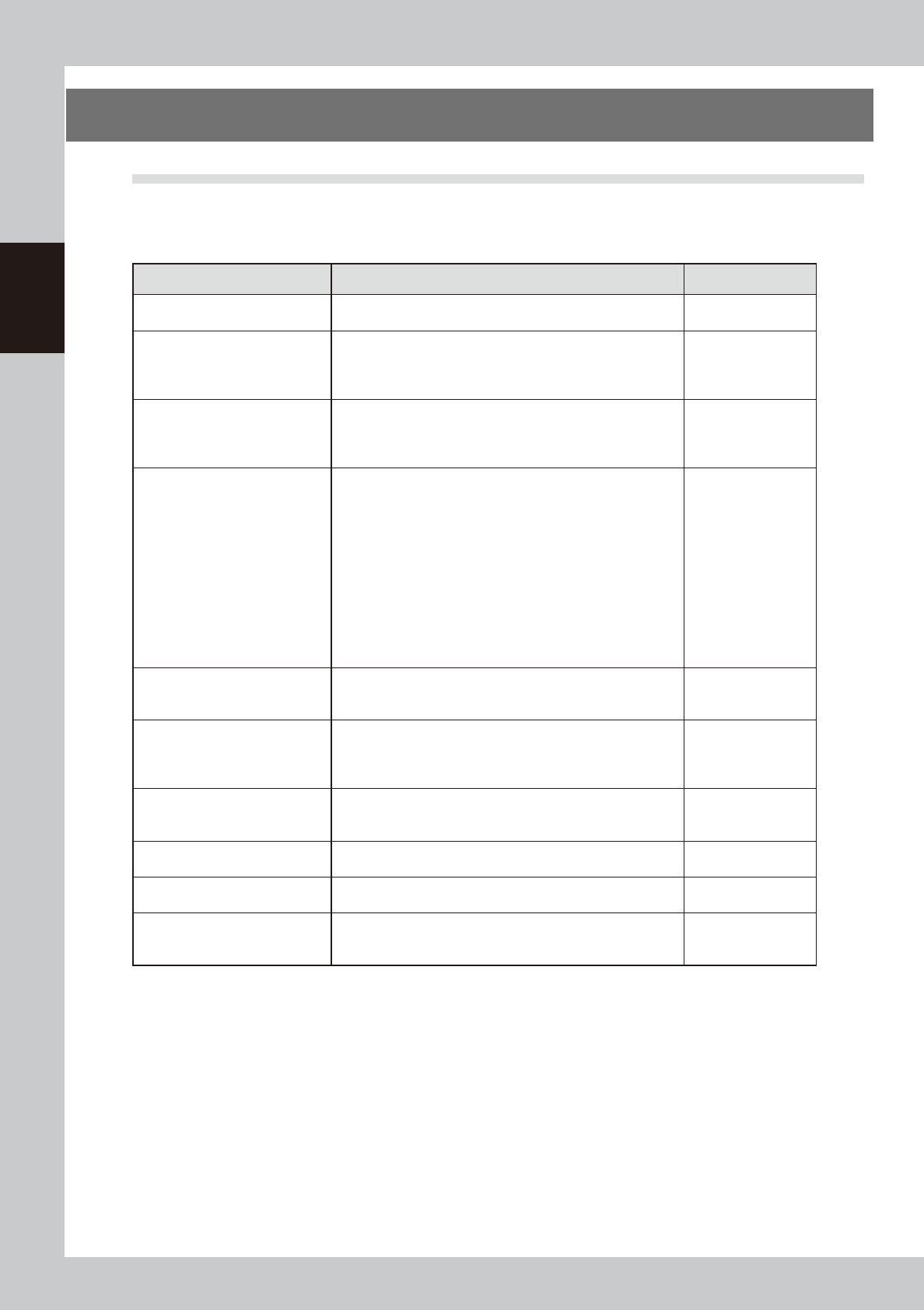
Daily checkpoints
Checkpoints Check items Reference
Air pressure
Check that the air pressure display indicates the range from
0.40MPa to 0.41Mpa.
"1.1 Air regulator
unit" in Appendix
Temperature control unit
(option)
Check the drain tank once a day, especially in wet season with
high humidity, and drain the tank. When the tank is filled with
water, an alarm buzzer sounds and the Temperature control unit
will stop after 10 minutes if left undrained.
Conveyor unit
Check that no foreign matter, solder or debris is on the
conveyor rail, edge clamp, board flap, push-up jig (machine
using optional push-up jigs), push-up plate, etc.
Check that no matrix pins come loose from the push-up table.
“4. Conveyor unit”
in Chapter 1 of
Operator’s Manual
Squeegee and Squeegee head
Check that the mount knobs of the squeegee head are
tightened firmly.
Check that the squeegee is securely attached to the squeegee
holder. (The squeegee mount knobs are tightened firmly.)
Check that there are no scratches, nicks and wear on the
scraper.
Check that there are no foreign matter, debris and solder
adhesion.
Remove the squeegees after work and clean them with cleaning
paper or cloth. (When using a urethane squeegee, do not
immerse the squeegee in alcohol. The urethane scraper may
expand.)
“3. Printing section”
in Chapter 1 of
Operator’s Manual
Cleaning unit
Check that the cleaner gauze roll is set correctly. Check also
that the cleaner gauze is filled with cleaning alcohol.
“5. Cleaning section”
in Chapter 1 of
Operator’s Manual
Mask frame stopper pin position Check that the mask frame stopper pin position is correct.
“8.1 Mask size and
mask stopper pin
position” in Chapter 4
of Operator’s Manual
Mask clamp
Check that there are no foreign matter, debris and solder
adhesion.
“3. Printing section”
in Chapter 1 of
Operator’s Manual
Mask
Check that there are no foreign matter, debris, solder adhesion,
warp and scratches.
Mask manufacturer's
instruction manual
Solder
Check that solder has returned to room temperature and is well
agitated and rolled.
Solder manufacturer's
instruction manual
Operation display
(touch-panel)
Check that there are no scratches or grime on the screen
surface.
See "Precautions
when handling the
touch screen" below
l
Precautions when handling the touch screen
Take the following precautions when handling the touch screen.
• The touch panel surface is made of acrylic. Be careful not to damage the touch panel surface by a sharp or hard
object.
Be sure to use the touch pen to perform the touch operation.
• To clean the touch panel surface, wipe gently with a soft cloth moistened with synthetic detergent diluted with water
and then wrung-out well. Never use volatile chemicals such as benzine, thinner or alcohol.
• To prevent dust adhesion due to static electricity, we recommend using an anti-electrostatic agent.
2-3
2
Inspection and maintenance
1.2 Cleaning the camera protective glass
Dirt or dust particles sticking to the protective glass of the mask (stencil) camera unit may cause recognition
errors.
e
To ensure the safety, make sure that the emergency stop button is pressed or the machine power switch is
turned off before starting this work.
n
Items to be prepared
• Lens blower brush (option)
• Lint-free cleaning cloth or paper towel
• Lens cleaner (option)
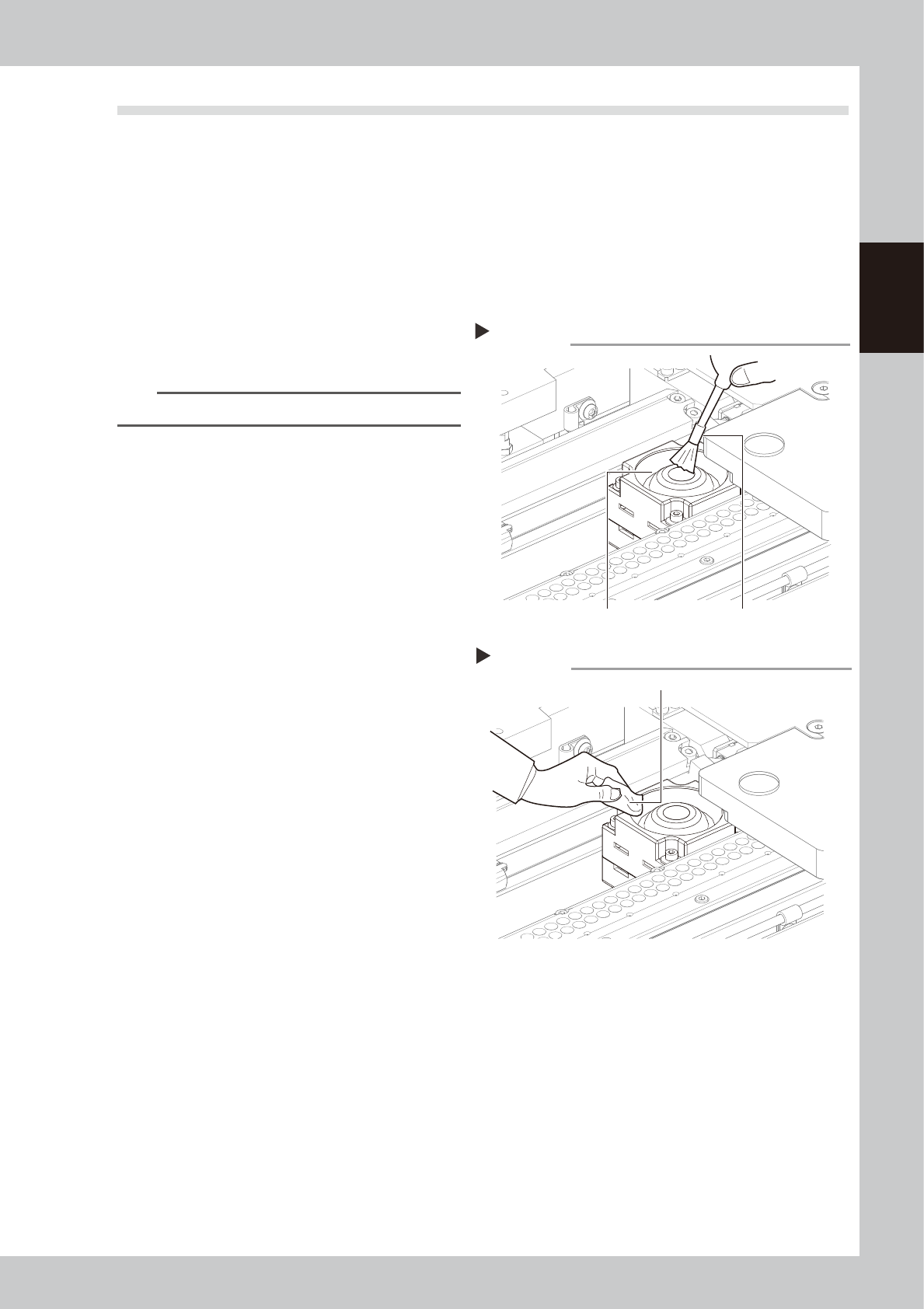
1
Remove dust on the protective glass
with the lens blower brush.
53201-N1-00
TIP
The lens blower brush is an optional part.
2
Wipe the protective glass with a
lint-free cleaning cloth.
Apply a few drops of lens cleaner to a
lint-free cleaning cloth and wipe the
protective glass.
53202-N1-00
Blowing off dust with the blower brush
Step 1
Lens blower brushProtective glass
Wiping the protective glass with a lint-free cleaning cloth
Step 2
Lint-free cleaning cloth
2-4
2
Inspection and maintenance
2. Periodic maintenance items
2.1 Periodic inspection (Weekly/Monthly)
In addition to daily inspection, periodic inspections (weekly and monthly) are essential to ensure safe and
efficient use of the machine.
We recommend setting an earlier inspection interval if parts are subject to frequent usage.
2.1.1 Parts to be replaced during periodic replacement
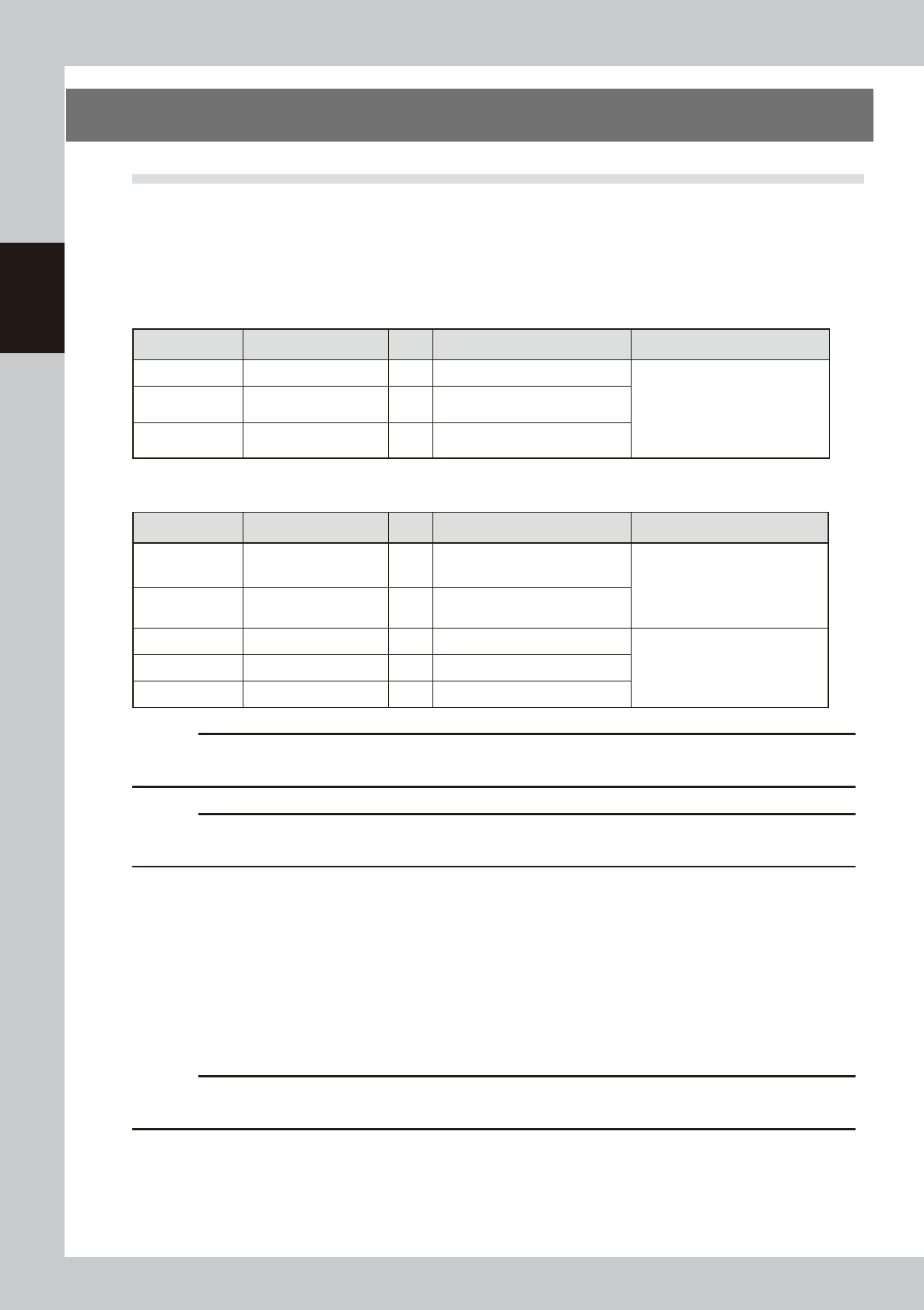
If parts need to be replaced as a result of the periodic inspection, use the spare parts listed below.
n
Replacement parts (conveyor related)
Part No. Part name Q'ty Location used Replacement interval
KLV-M9123-00X PLATE, CONV. EDGE 1 Board clamp
Replace the part according to the
worn away status observed during
inspection.
KLV-M9127-00X BELT, CONV. 1
Conveyor transfer belt
(hereafter "Type A")
KLV-M9127-01X BELT, CONV. 1
Conveyor transfer belt
(hereafter "Type B")
n
Replacement parts (filter related)
Part No. Part name Q'ty Location used Replacement interval
KGR-M9934-F0X
FILTER, SPARE 3 Filter of ejector for mask vacuum
Replace the filter 1 or 2 years
after delivery. As a general guide,
replace the filter if it becomes
dirty when checked from the
outside.
KGY-M3710-40X
INL, FILTER ELEMENT 1 In front of blower on machine front
KLC-M8506-00X
FILTER ELEMENT 1 Air filter for primary air supply
As a general guide, replace the
filter if it becomes dirty when
checked from the outside
LG0-M86A2-10X
MIST FILTER ELEMENT 1 Mist filter for primary air supply
KLV-M1319-00X FILTER, FAN 2 Filter for machine cooling fan
c
CAUTION
Parts (Part No.) listed above is current as of the issue date of this manual. When ordering a replacement part, please
check for the latest information.
c
CAUTION
Part Nos. are subject to change without prior notice. When ordering a replacement part, contact your local sales
dealer to check its part No.
2.1.2 List of periodic inspection checkpoints
Use the inspection check sheet to periodically inspect the machine.
The inspection check sheet describes the contents of the inspections to be performed weekly or monthly in
addition to the daily inspection described in the previous section.
Make a copy of the inspection check sheet (sample) stated on the next page and use it for the periodic
inspection. Or, it is recommended that the customer prepares an appropriate inspection sheet in such format
and properly perform the periodic inspection with it.
c
CAUTION
Periodic inspections must be performed by or under the direction of person who has received training from YAMAHA
or a YAMAHA sales representative.