MV-9_Chapter 5. Teaching.pdf - 第70页
MV -9 Use r Manual 5- 70 3) Stripe w id th inspection - This algorithm is to m easu re area width and to inspect component shift. ① T eaching method (a) Dr aw bi nary inspection window in inspection area and select strip…
错误!使用“开始”选项卡将 제목 2 应用于要在此处显示的文字。错误!使用“开始”选项卡将 제목 2 应用
于要在此处显示的文字。 .
5-69
- Refer to „reference name (page5-21)‟ in „5.3.1mounting inspection window‟ excepting
shape.
- Created in „_BIN_0‟ format. „BIN‟ means Binary and the number means the creation order
of binary inspection window.
Component name
- Refer to „component name (page5-21)‟ in '5.3.1 1mounting inspection window‟.
Rotation angle
- Refer to „rotation angle (page5-22)‟ in '5.3.1 1mounting inspection window‟.
Defect type
- Refer to „defect type (page5-22)‟ in '5.3.1 1mounting inspection window‟.
Light type
- Set light for inspection of inspection window that completed teaching. Select light type that
clearly displays characteristic according to inspection type and inspection area.
Image type
- Set light for inspection of inspection window that completed teaching. Select image type
that clearly displays characteristic according to inspection type and inspection area.
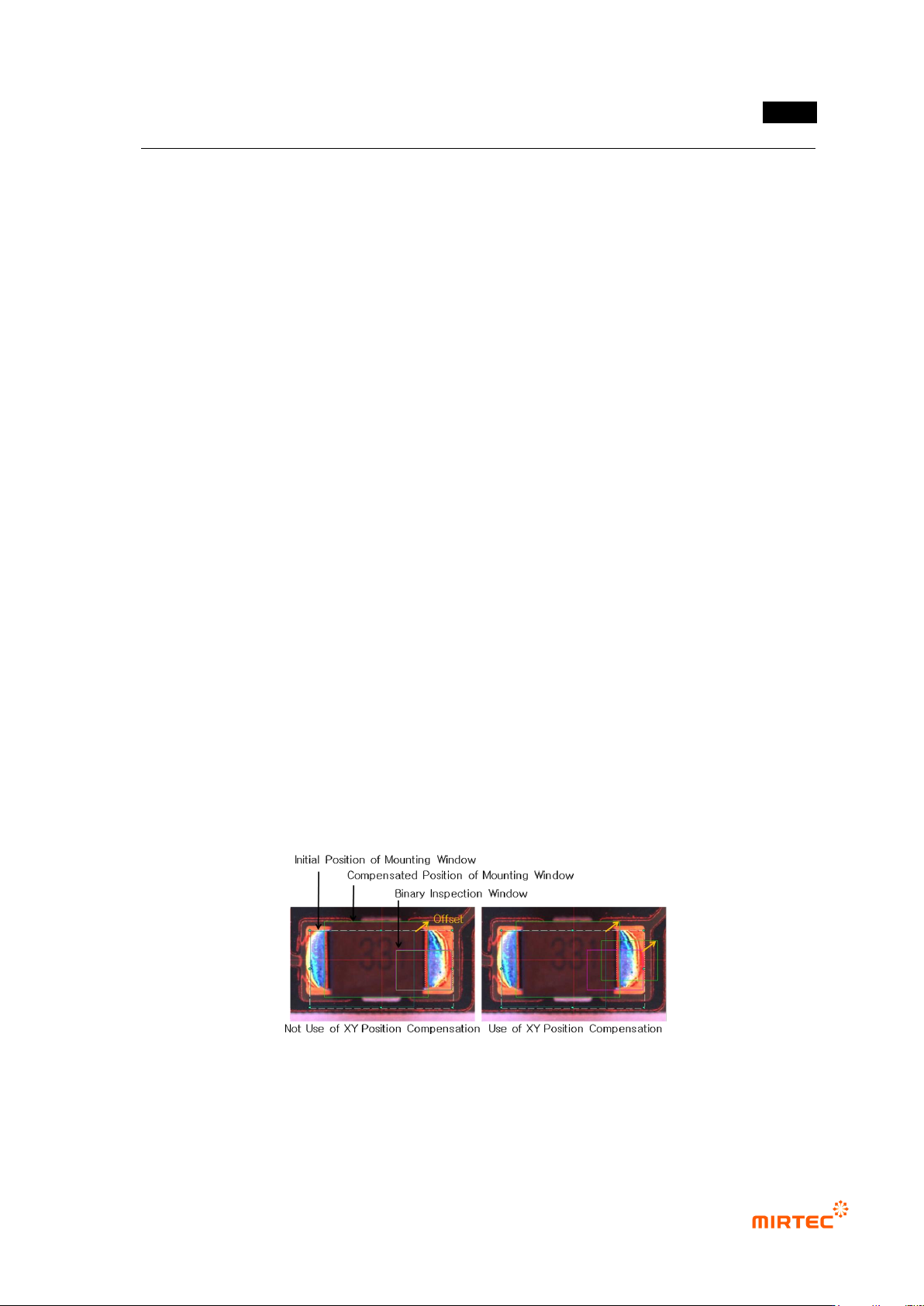
X coordinate compensation, Y coordinate compensation
- If many inspection windows are group to inspect one component, position of other
inspection window can be compensated referring to X/Y offset measured in mounting
inspection window.
- X/Y coordinate compensation is to select whether to conduct position compensation
referring to X/Y offset measured in mounting inspection window.
- As shown in [Figure 5-93], if X/Y coordinate compensation is not used, binary inspection
window doe not move in offset of mounting inspection window. However, in case of using
X/Y coordinate compensation, binary inspection window moves as much as offset.
[Figure 5-76 Use example of X/Y coordinate compensation function]
Judge as good for defect
- Change inspection result judged as defect to normal.
MV-9 User Manual
5-70
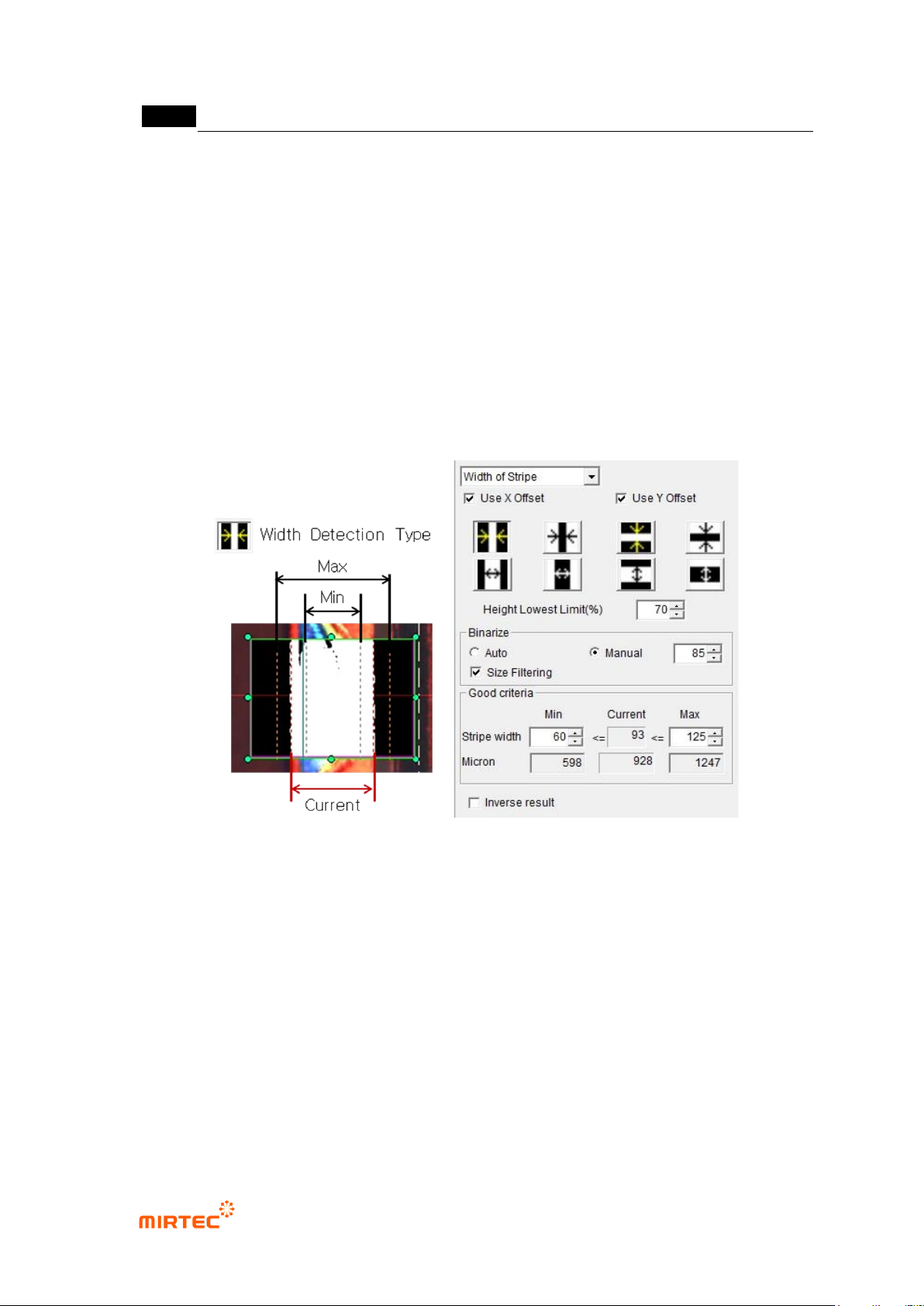
3) Stripe width inspection
- This algorithm is to measure area width and to inspect component shift.
① Teaching method
(a) Draw binary inspection window in inspection area and select stripe width for inspection
type.
(b) Select detection type.
(c) Enter lowest height limit.
(d) Set binarization method and binarization value checking preview image
(e) Enter normal criteria.
[Figure 5-77 Teaching example of stripe width inspection window]
错误!使用“开始”选项卡将 제목 2 应用于要在此处显示的文字。错误!使用“开始”选项卡将 제목 2 应用
于要在此处显示的文字。 .
5-71
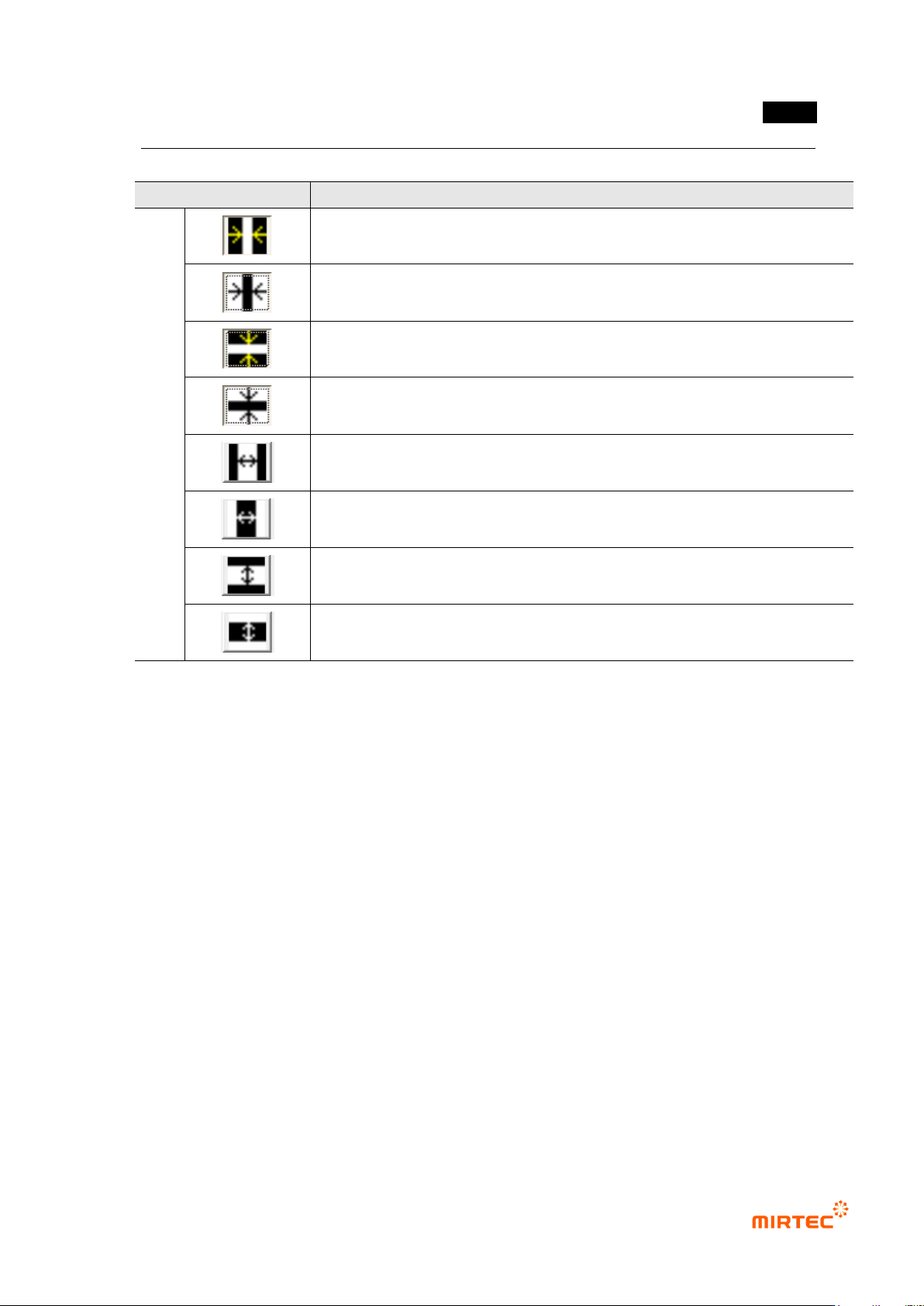
[Table 5-5 Binary inspection – stripe width detection type]
Detection type
Description
Widt
h
dete
ction
type
Measure width of white height direction stripe on black background from
outside to inside.
Measure width of black height direction stripe on white background from
outside to inside.
Measure height of white width direction stripe on black background from
outside to inside.
Measure height of black width direction stripe on white background from
outside to inside.
Measure width of white height direction stripe on black background from
outside to inside.
Measure width of black height direction stripe on white background from
outside to inside.
Measure height of white width direction stripe on black background from
outside to inside.
Measure height of black width direction stripe on white background from
outside to inside.
② Parameter description
Width detection type
Select detection type of same shape referring to preview image.
Arrow direction is a direction to search edge.
Lowest height limit (%)
- Lowest height limit is a setting to judge as edge. Select the first position that is larger
than setting value as edge toward search direction.
- As shown in [Figure 5-67], lowest height limit is defined by ratio of width of white area to
width of position inspection window. If height of inspection area is 100% in [Figure 5-67],
width of white area will gradually reduce from 100%. White area width position relevant to
the value (ratio) set at lowest height limit will be displayed as detected edge.