00196457-05_UM_SX12DX12_SR706_EN.pdf - 第137页
User Manual SIPLACE SX1/SX2/DX1/DX2 3 Technical data and assemblies From software version SC.706.xx V ersion 06/2012 EN 3.6 Placement head 137 3 Fig. 3.6 - 1 1 12 segment Collect&Place head - function groups part 2 3…
3 Technical data and assemblies User Manual SIPLACE SX1/SX2/DX1/DX2
3.6 Placement head From software version SC.706.xx Version 06/2012 EN
136
3.6.4 12 segment Collect&Place head (DX1/DX2 only)
3
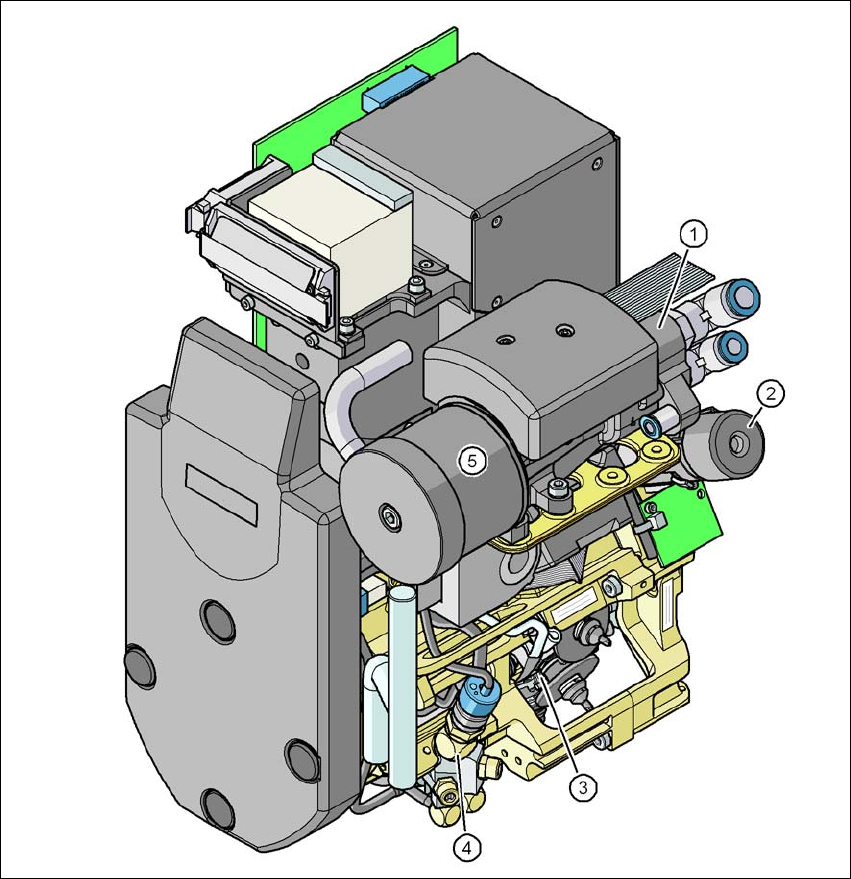
Fig. 3.6 - 10 12 segment Collect&Place head - function groups part 1
3
(1) Vacuum generator
(2) Turning station, DP axis
(3) Star with 12 sleeves, star axis
(4) Blast air valve
(5) Silencer
User Manual SIPLACE SX1/SX2/DX1/DX2 3 Technical data and assemblies
From software version SC.706.xx Version 06/2012 EN 3.6 Placement head
137
3
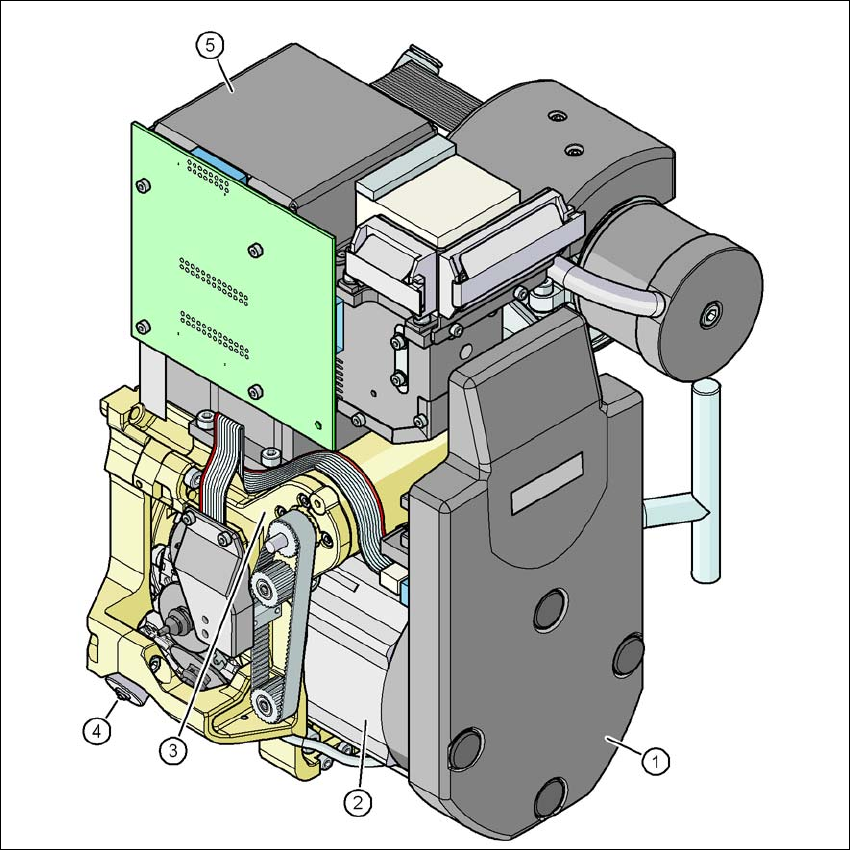
Fig. 3.6 - 11 12 segment Collect&Place head - function groups part 2
3
(1) Intermediate distributor board (under the cover)
(2) Star drive - DR motor
(3) Z axis motor
(4) Valve adjustment drive
(5) C&P component camera, type 28 (18 x 18) digital (standard camera)
or type 30 (18 x 18) digital, high-resolution
3 Technical data and assemblies User Manual SIPLACE SX1/SX2/DX1/DX2
3.6 Placement head From software version SC.706.xx Version 06/2012 EN
138
3.6.4.1 Description
The 12 segment Collect&Place head operates according to the Collect&Place principle i.e. one
cycle includes pickup of 12 components by the placement head, their optical centering on the way
to the placement position and their rotation into the required placement angle and position. They
are then placed gently and accurately onto the PCB with a blast of air. In contrast to the conven-
tional chip shooters, the twelve nozzles of the Collect&Place heads rotate around a horizontal
axis. This not only saves space: the reduced diameter leads to a lower formation of centrifugal
forces than in chip shooters. This largely prevents any unintentional displacement of components
during transportation.
Another benefit: the Collect&Place head has the same cycle time for all components. This means
that the placement performance no longer depends on the size of the components placed.