FUJI NXT Programming Manual QD004-18.pdf - 第81页
QD004-18 3. Job Builder NXT Programming Manual 71 Note: It is possible to start this wizard from Director by clicking the icon for it in t he [Optimizer] section of the icon bar. 2. Click [Next] to proceed to the next st…

3. Job Builder QD004-18
70 NXT Programming Manual
3.6 Optimizing
After balancing the line, the parts need to be distributed to the different modules and the
sequences for each module need to be arranged in the optimum order to minimize cycle
time. The optimizer is used to arrange the sequences in the best order. In addition to the
optimizer within Job Builder, there is another optional optimizer for optimizing different jobs
or sides. NXT Dual Production Optimizer is capable of optimizing two different jobs to run
on different lanes or two sides of a panel using two different lanes. For procedures on using
this optimizer, refer to the section Dual job optimizing.
3.6.1 Optimizing in Job Builder
The following procedures are used for optimizing one job only.
1. Select [Optimize] from the [Tools] menu to display the [Optimize Options] dialog box.
2. To optimize the feeder arrangement, select the [Allocate feeders] option. After
specifying the desired settings, click [OK] to display the [Select Machine] dialog box.
3. Select the desired machines, and click [OK].
4. Click [Yes] in the confirmation dialog box to confirm that optimization is to be performed
for the selected machines.
5. The [Optimize] dialog box displays. In this dialog box, the status of the optimization
process displays along with any errors. If any errors occur, click [Error Details] to display
further details. Click [Close] when the optimization process is complete.
Note: Once the job has been optimized, it can be transmitted to the NXT machine. It is not
necessary to generate recipes for the NXT.
3.6.2 NXT Multi Machine Optimizer
Generally, an NXT line consists of "one" NXT machine (made up of multiple bases). With
this configuration, line balancing is very simple and all of the parts are simply assigned to
the NXT machine. The parts assigned to the various modules is optimized and rearranged
during the optimization process. However, if the NXT line is comprised of multiple NXT
"machines", then use this software to line balance and optimize the job.
Job condition before using NXT Multi Machine Optimizer
The job must be in the condition below before using this software.
• The line must be already selected in the job.
• The basic configuration of the line must already be set (number and type of
modules and if not doing head or nozzle optimization, the heads and nozzles for
each module).
• All of the marks to be used must be assigned to the machines.
• All of the parts to be placed must be assigned to at least one machine. (This
software does not assign unassigned parts; it just moves assigned parts from
one machine to another.)
Procedure
1. Click the [Start] button, point to [Programs] > [Fuji Flexa] > [Optimizer] and then click
[NXT Multi Machine Optimizer]. The wizard starts and the first step displays.
QD004-18 3. Job Builder
NXT Programming Manual 71
Note: It is possible to start this wizard from Director by clicking the icon for it in the [Optimizer]
section of the icon bar.
2. Click [Next] to proceed to the next step.
3. Click the button with the three dots in the [Job] group box to display a list of the available
jobs.
4. Select the location for the job in the left pane and then double-click the job you want to
line balance and optimize to select it. The job is opened and the name displays in the
text box.
Note: The job cannot be opened if another program already has it opened.
5. Select the side of the panel to be line balanced and optimized.
6. Select any other options you want to use in this step and then click [Next].
7. Specify the settings for the conveyor in the [Conveyor Settings] group box.
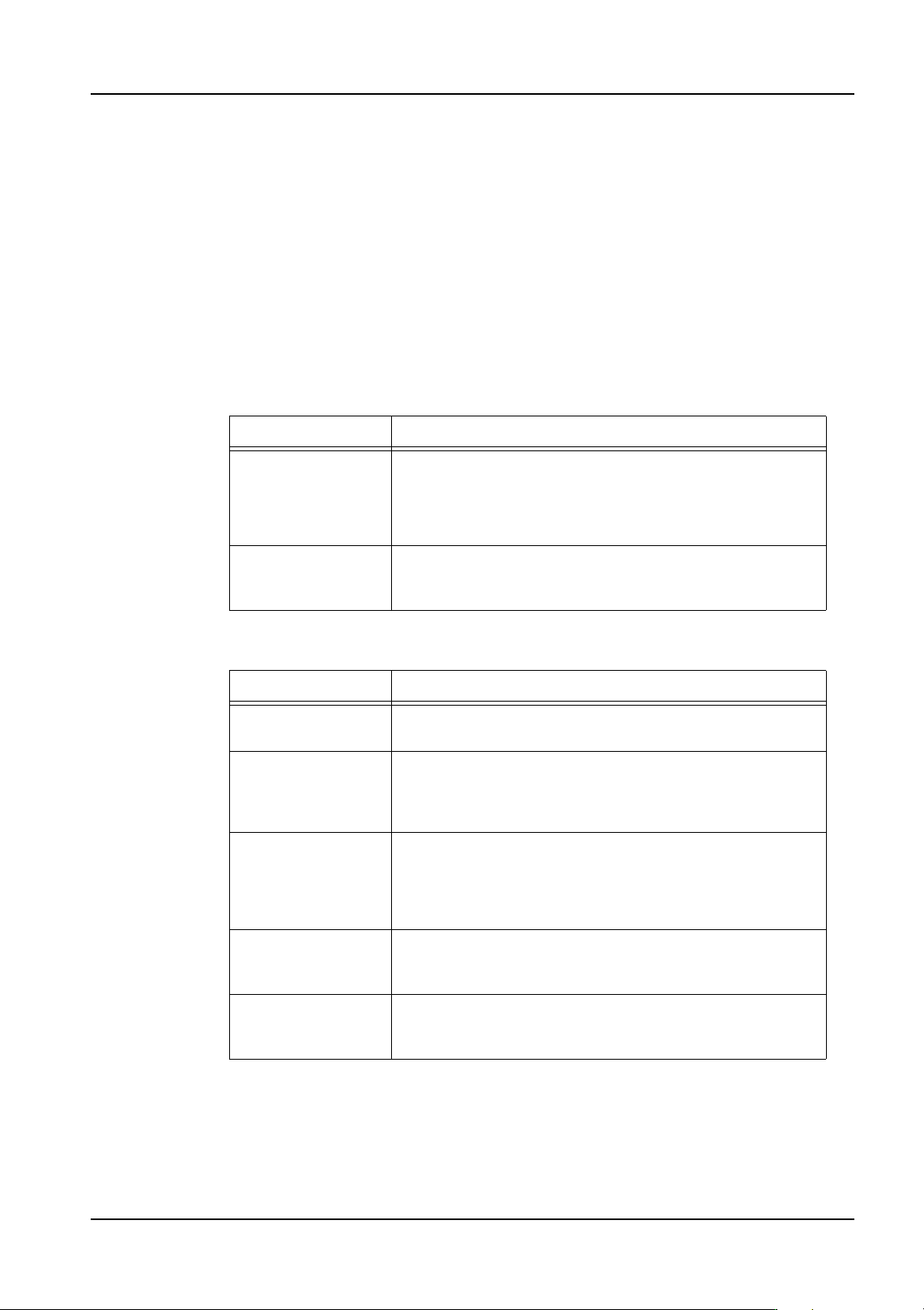
8. If performing paired module production, then specify the desired settings in the [Paired
Setting Description
Optimizes the entire
NXT line
When selected, the entire NXT line is line balanced and
optimized. If option is not selected, then only the machine
selected in the [Line Configuration] list is optimized (if no
machines are selected, then the first machine is
automatically selected).
Support XPF Select this option if there are XPF machines in the line with
the NXT. By selecting this, the XPF will be considered
during optimization of the NXT machines.
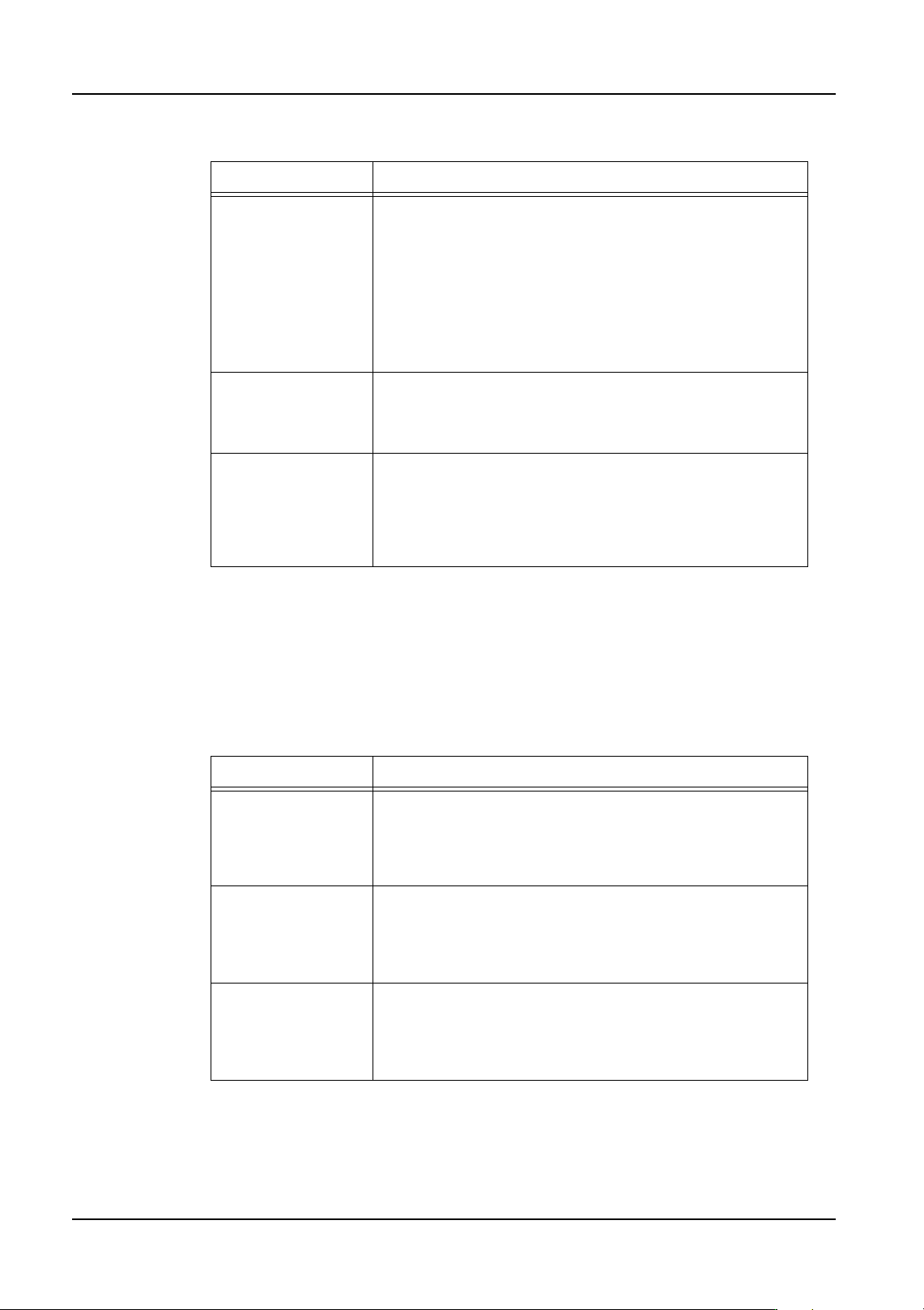
Setting Description
Conveyor Mode This setting specifies the panel conveyance mode to be
used for production for determining optimization.
Board Flow This specifies the direction in which the panels flow
through the machine. This settings does not actually
control the direction in the machine but is used for job
related processing in Fuji Flexa.
Lane 2 reference
rail setting
This specifies whether or not the reference rail for the
second lane can move to different positions. If this is set to
"Fixed" the reference rail cannot move to different positions
and a setting must be specified for [Interval between lane
1 and 2 (mm)].
Interval between
lane 1 and 2 (mm)
This setting is only available when the setting for [Lane 2
reference rail setting] is "Fixed". This setting specifies the
location at which the reference rail for lane 2 will be fixed.
Target Conveyor This specifies the target lane on which the job will be
optimized. If set to "Lane 1", then the job is optimized with
the premise that the panels are to be loaded on lane 1.
3. Job Builder QD004-18
72 NXT Programming Manual
Module Production] group box.
9. Click [Next] when completed making settings.
10.Specify the optimization options you want to use. For details on the settings refer to the
table below. Select the check box for [Performs basic head optimization] to have the
optimizer decide the head setup for the modules.
Note: Head optimization does not change the heads on modules with OF, F04, or G04 heads nor
can it allot these heads. These are special heads and if they are being used, then they
should be specified in their modules in the job before using NXT Multi Machine Optimizer.
Setting Description
Optimize For Single
Module Production
This specifies whether or not paired module production is
used for panels between 250 and 305 in length. This
setting has no bearing for panels outside of this range. If
this is not selected and the panel size is within the range,
the M3 modules are automatically paired for paired
production. If this is selected and the panel size is within
the range, the M3 modules are not paired. For panels
smaller than the range, M3 modules are never paired. For
panels larger than the range, M3 modules are always
paired.
Optimize Panel
Stopping Position
Offset
This specifies whether or not the panel stopping position is
optimized for paired module production. This is only for M3
modules when they are performing paired module
production.
Allocate Parts To
M6 Module
This specifies whether or not to allocate parts that are in
the head interference area during paired module
production to M6 modules if possible. By selecting this
option, head waiting time during paired module production
is reduced. However, more parts are assigned to the M6
module.
Setting Description
Reallocate feeders If this option is selected, then feeders that have a variable
status can be moved or even deleted if they are not needed
during optimization. If this option is not selected, then
already existing feeders cannot be moved or deleted and
any newly required feeders can be set in empty slots only.
Allocate parts with
excessive
sequences to
multiple modules
This specifies whether or not parts with many placements
will be broken up into multiple feeders and set into different
modules. If this is selected, parts with many placements
can be set in multiple feeders and placed on multiple
modules if possible.
Divide parts on
fixed feeders
Specify whether to reallocate parts on fixed feeders when
[Allocate parts with excessive sequences to multiple
modules] is selected. When this is selected, parts on fixed
feeders can be allocated to other modules to reduce cycle
time.