YRM20_Ope_E.pdf - 第34页
1. Machine main unit 1-3 Chapter 1 Unit names and functions ■ Pressur e gauge The set air pressure display on bottom left as viewed from the front of the main unit (see the figure below). Set air pressure : 0.40MPa Inter…
1. Machine main unit
1-2
Chapter 1 Unit names and functions
■
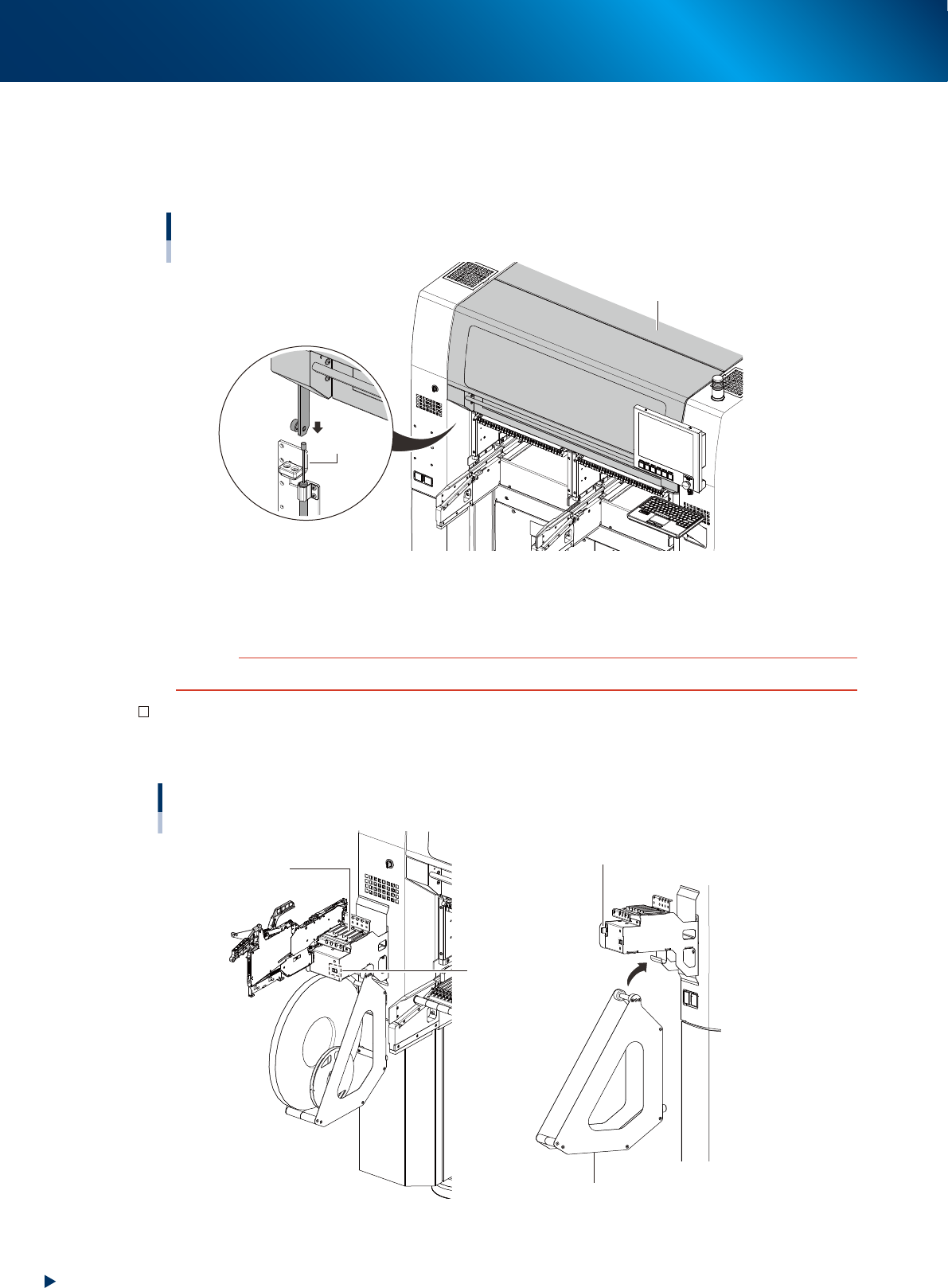
Safety cover
This cover must be closed during automatic operation. If opened, emergency stop is triggered.
The absorbers are installed on both side of safety cover and the cover closes slowly to prevent hands
from pinching. Make sure to confirm the cover closes throughly before starting automatic operation.
Safety cover
Safety cover
Absorber
23140-KMX-00
■
Main switch
Turns on or off the power to the machine. The power is on when turned to the right.
c
CAUTION
Wait about 2 seconds when powering on the machine after powered off it.
Set-up station (option)
This is used for setting component tapes in feeders.
It can be installed at front left/rear right of machine.
Set-up station
Guide rail
Display
(Pitch indication)
Tape reel holder
Power signal connector
23101-KMX-00
1. Machine main unit
1-3
Chapter 1 Unit names and functions
■
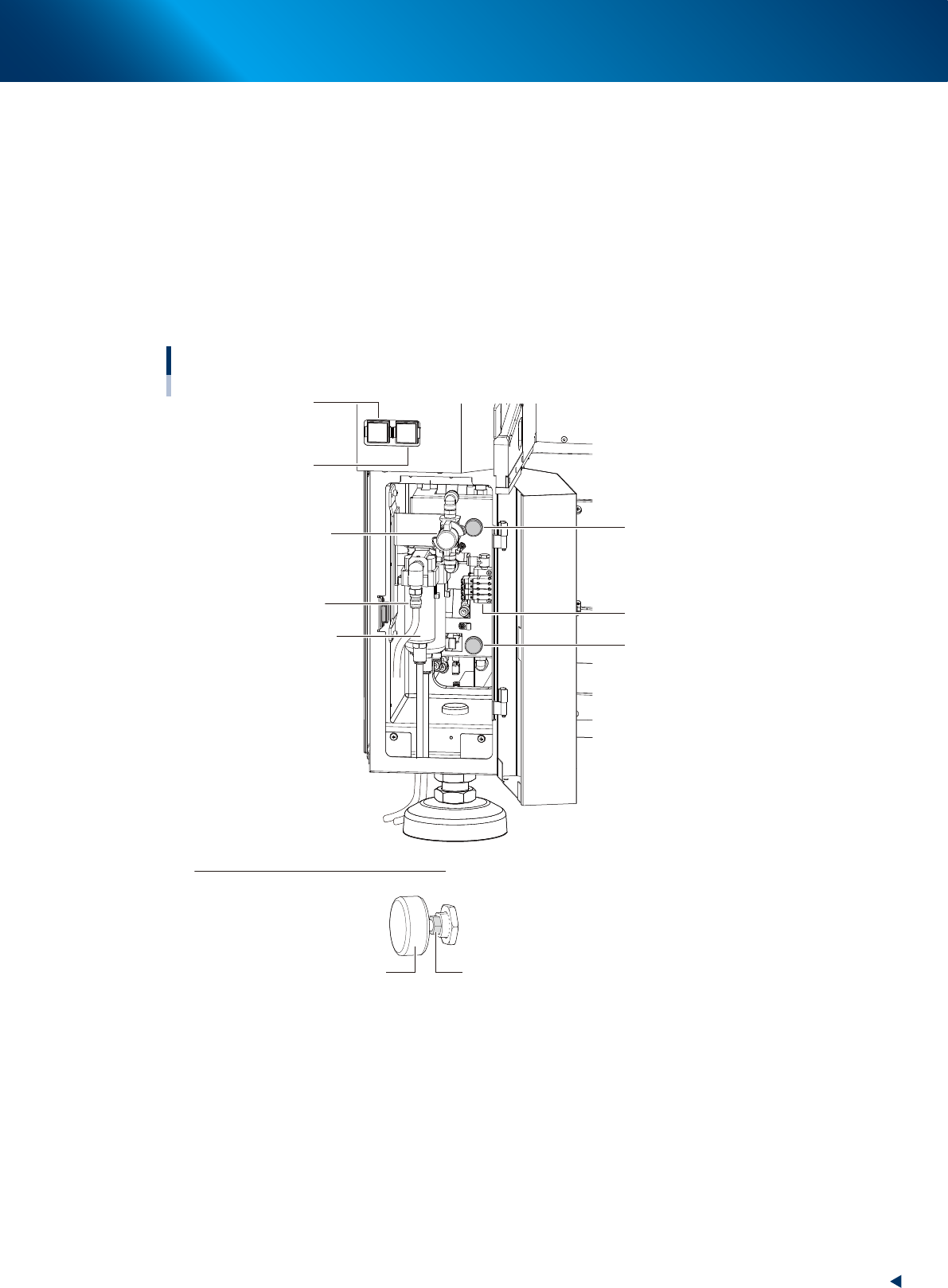
Pressure gauge
The set air pressure display on bottom left as viewed from the front of the main unit (see the figure
below).
Set air pressure : 0.40MPa
Interlock settings : lower limit 0.33MPa, upper limit 0.45MPa
■
Air connection port
The air hose from the air source is connected here. The machine is supplied air by turning supply/
exhaust switch to right. When the switch is turned to left, the air supply to machine is stopped and the
machine's internal residual pressure is released.
Sections for connecting air, pressure adjustment and indicator
Air supply/exhaust switch
Pressure gauge
(Head unit A)
Pressure gauge
(Head unit B)
Supply air connection
Solenoid valve to clamp
the feeder exchange carriage
Air/oil mist filter
Air pressure regulator
(Head unit B)
Air pressure regulator
(Head unit A)
How to lock air pressure regulator handle
Turn clockwise the lock nut at the root of the handle with a wrench (8 mm) and secure it.
Tightening torque: 1 to 1.5 N·m
* After the lock nut has come into contact with the main body, turn it further by 15 degrees as a
guideline.
Handle Lock nut
23103-KMX-00
1. Machine main unit
1-4
Chapter 1 Unit names and functions
■
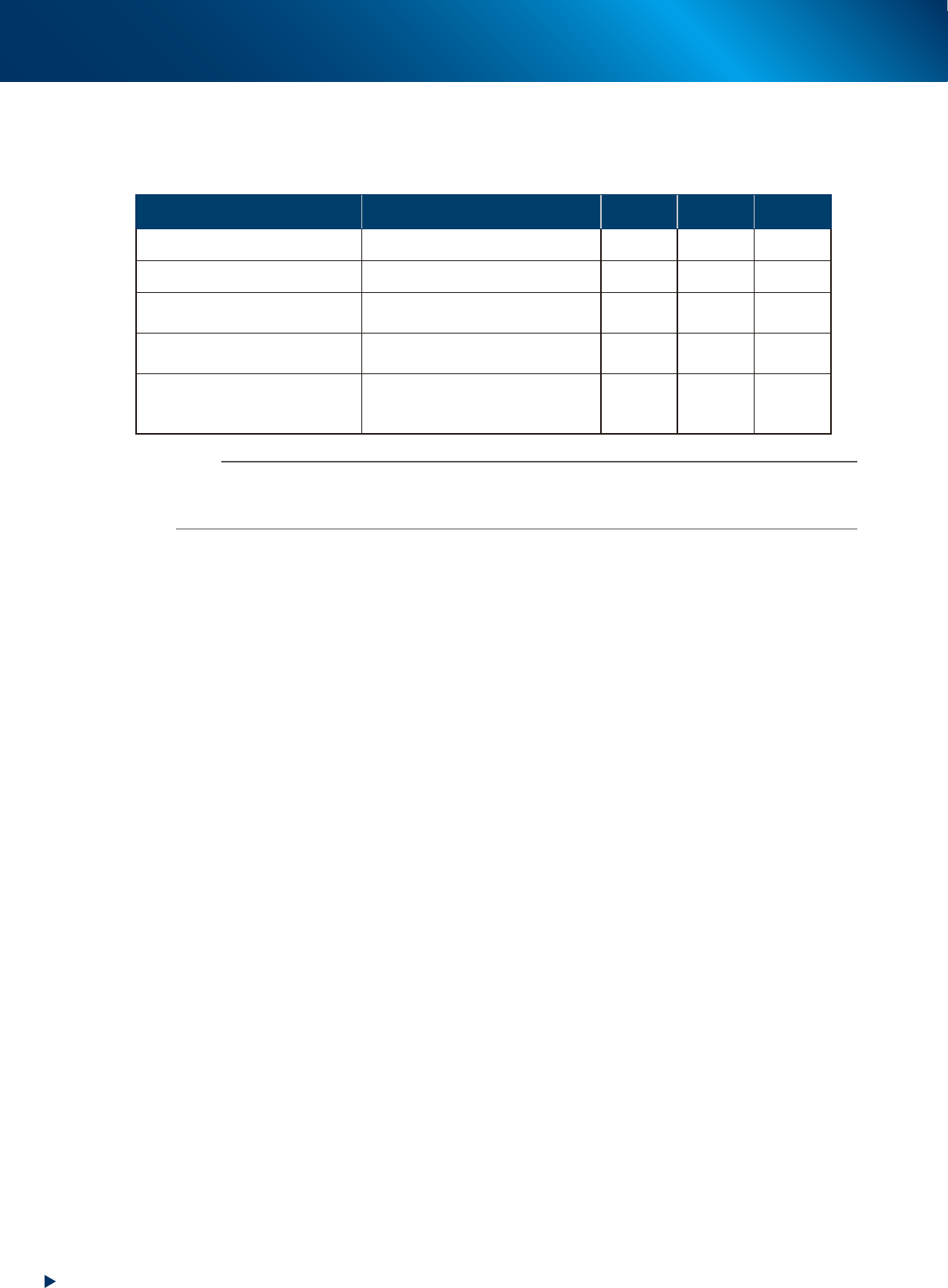
Signal light (with buzzer)
Indicates current operating conditions of the mounter with a green, yellow and red light, or green, white
and blue light explained below.
The buzzer at the top of the signal light sounds if an error or abnormal condition occurs.
Machine status Example Green
Red/
White
Yellow/
Blue
Warm-up or automatic operation ON
Emergency stop ON
System error
(with buzzer ON)
• Excessive current
• Secondary limit over
ON
Operation or board data error
(with buzzer ON)
• Pickup error, recognition error
• Data check error, etc.
ON
Components cannot be used.
• Components run out.
Tray changer door is opened.
• Non-stop exchange carriage is off.
Flashing
n
NOTE
The color coordination of signal light can be chosen upon ordering machine from "green, yellow, red" or "green, white,
blue".
The sound volume of buzzer is set as "Low" upon shipping.
■
Connection between machines (input/output signals between machines)
In most case, the mounter dose not stand alone upon its operation, but runs in "line" with pre-process/
post-process machines. The mounter ejects the finished board when it receives a signal from the machine
in the next process, and then sends a signal to the machine in the preceding process to request another
board.
The interface connector labeled "NEXT INTERFACE" connects to the machine in the next process, and
the interface connector labeled "PREVIOUS INTERFACE" connects to the machine in the preceding
process.
In the case of standard machines of right-to-left flow, the PREVIOUS INTERFACE connector is located
behind the rear right cover of the machine, and the NEXT INTERFACE connector behind the rear left
cover.
■
Feeder exchange carriage
Is a carriage dedicated to set feeders for production.
Feeders to be used in production are loaded here so they can be batch-loaded onto the mounter.
For details, see "4.2.1 Feeder exchange carriage" in this chapter.
■
Empty tape dust box
The used cut-up pieces of carrier tape are collected in the empty tape dust box.