00191025-01.pdf - 第304页
7 Vision Systems SIPLACE 80S /F/G User’s Manual 7.7 Guidelines for D escribing Package Forms Edition 07/97 from Software Version S R.010.xx 7 - 112 Line engine er Fig. 7.7.10 Illumination parameters of other components a…
SIPLACE 80S/F/G User’s Manual 7 Vision Systems
Edition 07/97 from Software Version SR.010.xx 7.7 Guidelines for Describing Package Forms
Line engineer 7 - 111
As a rule you will not need to change the illumination parameters for the standard components. For all other
components you will need to determine the illumination values and test them (see Section 7.7.7.4,
Page 7 - 111).
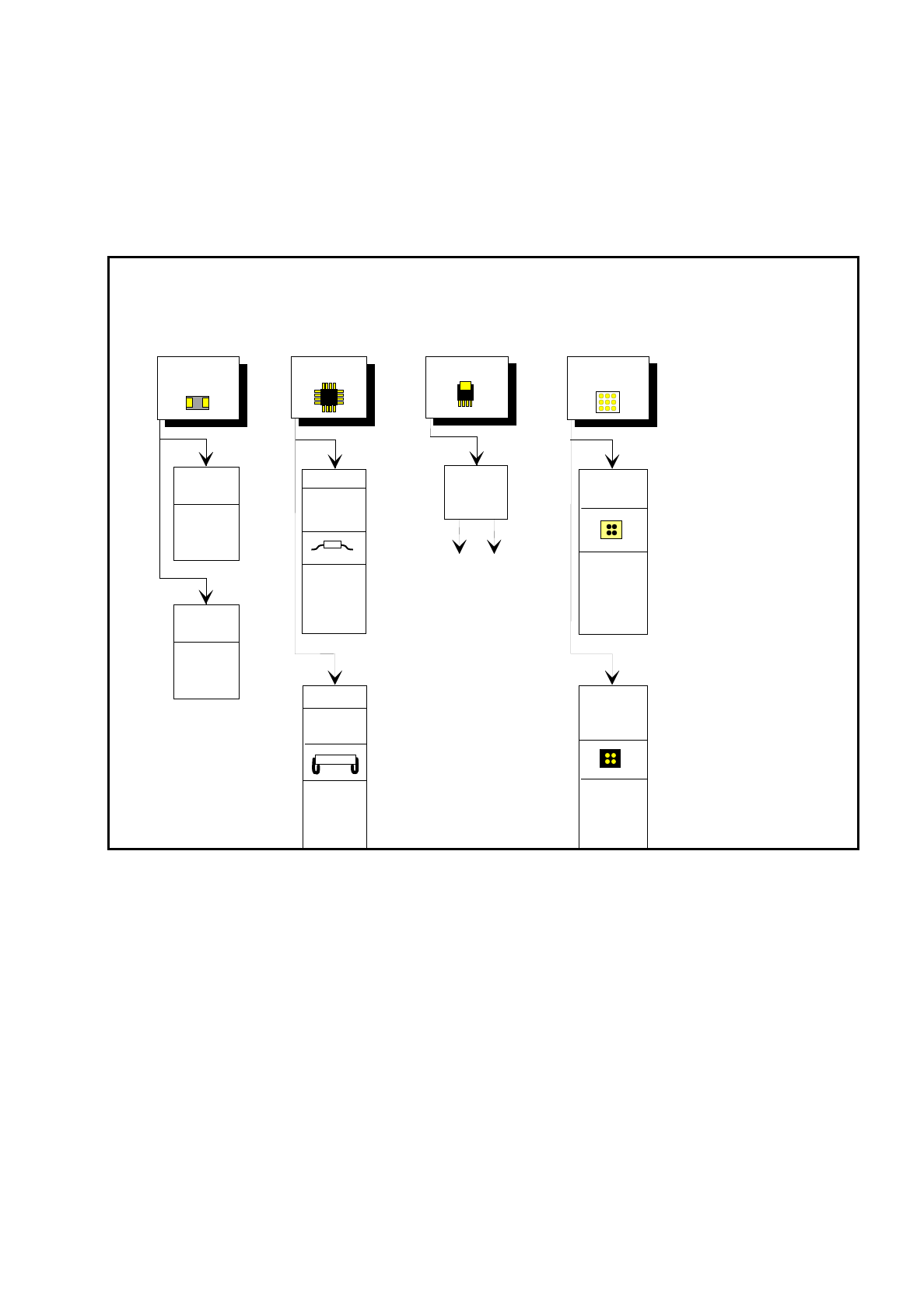
Fig. 7.7.9 Illumination parameters for standard components at the IC head camera
7.7.7.4 Settings for Illuminating Other Components
Fig. 7.7.10 presents a list of the illumination settings for other components.
Diagram for adjusting the illumination of standard components
IC
Power IC
BGA
Tantalum
capacitor
BGA
General
flat: 120
middle: 60
steep: 10
Reflective
body
Gullwing
SO, SOT,
TSOP
QFP,
flat: 90
middle: 40
steep: 10
flat: 255
middle: 90
steep: 0
flat: 120
middle: 50
steep: 10
J-Lead
PLCC
flat: 200
middle: 30
steep: 5
Ceramic
BGA
flat: 0
middle: 0-10
steep:80-100
flat: 255
middle: 30
steep: 0
Illumination
level
Brightness
7 Vision Systems SIPLACE 80S/F/G User’s Manual
7.7 Guidelines for Describing Package Forms Edition 07/97 from Software Version SR.010.xx
7 - 112 Line engineer
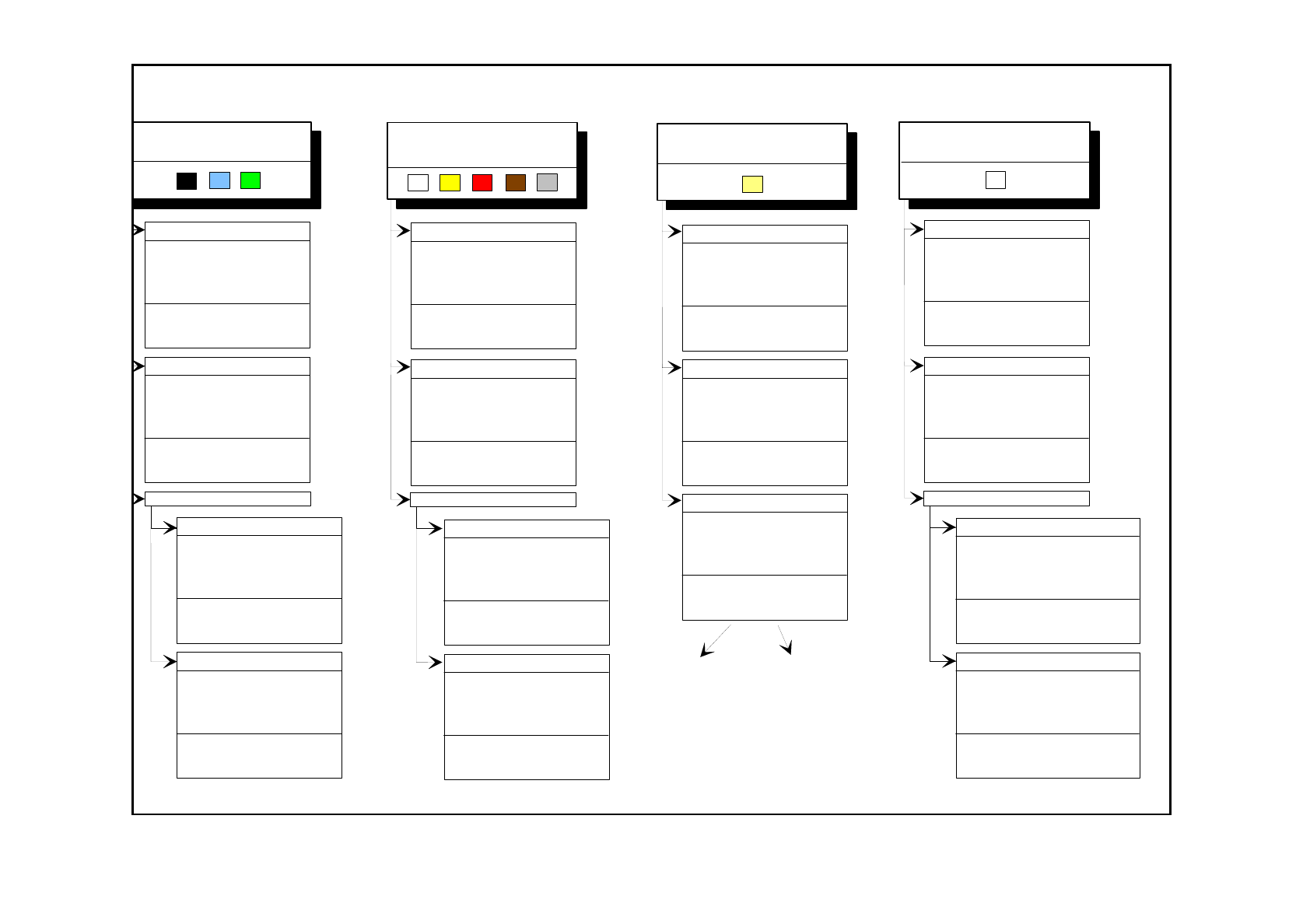
Fig. 7.7.10 Illumination parameters of other components at the IC-head camera
Adjusting the illumination of other components
Light and dull body
( white, yellow, red, brown, grey,
metallic dull )
Ceramic body
Dark and dull body
( black, blue, green )
Reflective body
(independently of color and material)
Dull leads
flat: 100
middle: 30
steep: 40
Visual separation between leads
and body is not possible.
Illuminate body and leads equally.
Measure outline.
Shiny leads
Clear separation
between leads
and body.
Dull leads
flat: 255
middle: 90
steep: 0
Shiny leads
1. Illuminate body and leads equally.
Measure outline.
2. Trick: Use flat and middle levels to
bring leads image to saturation.
Measure.
Clear separation
between leads
and body.
for variant 2: flat: 150 - 255
middle: 60 - 120
steep: 0
flat: 160
middle: 60
steep: 0
Clear separation
between leads
and body.
Clear separation
between leads
and body.
J-Lead ( PLCC ), convex-type leads
Gullwing leads ( SO, QFP )
Dull leads
Shiny leads
Clear separation
between leads
and body.
Clear separation
between leads
and body.
J-Lead ( PLCC ), convex-type leads
Gullwing leads ( SO, QFP)
flat: 90
middle: 40
steep: 10
flat: 200
middle: 30
steep: 5
Clear separation
between leads
and body.
Clear separation
between leads
and body.
Other lead shapes
Dull leads
Visual separation between leads
and body is not generally possible.
Shiny leads
Leads:
Outline:
Measuring method:
Visual separation between leads
and body is not possible.
Illuminate body and leads equally.
Measure outline.
Visual separation between leads
and body is not possible. Measure
outline or lead tips. Leads are
outside the body.
J-Lead ( PLCC ), convex-type leads
Gullwing leads ( SO, QFP )
Other lead shapes
Convex-type leads
Other lead shapes
Visual separation between leads
and body is not generally possible.
Illuminate body and leads equally.
Measure outline.
Illumination level Brightness
flat: 120 - 140
middle: 40 - 60
steep: 0 - 10
flat: 90
middle: 90
steep: 5 - 10
flat: 90
middle: 40
steep: 10
flat: 200
middle: 30
steep: 5
Visual separation between leads
and body is not generally possible.
Leads:
Outline:
Measuring method:
flat: 120
middle: 40
steep: 10 - 20
flat: 120
middle: 40
steep: 0 - 10
flat: 0
middle: 0
steep: 10 - 20
flat: 0
middle: 0
steep: 20 - 40
flat: 0
middle: 0
steep: 25
flat: 100
middle: 30
steep: 40
flat: 160
middle: 60
steep: 0

SIPLACE 80S/F/G User’s Manual 7 Vision Systems
Edition 07/97 from Software Version SR.010.xx 7.7 Guidelines for Describing Package Forms
Line engineer 7 - 113
7.7.7.5 Testing Illumination Settings
You can set the illumination parameters by calling the 'Illumination' option (see Section 7.6.4.4, Page 7 - 92).
Using the Option “Measure component” you can then measure the component and check your settings with
the aid of the measurement results.
Proceed as follows to test your illumination setting:
●
Using the illumination values suggested in Figures 7.7.9 or 7.7.10 carry out measurement. Measurement
should run through successfully.
●
For each level reduce the set brightness level by 50%.
Measurement should run through successfully.
●
For each level raise the set brightness level by 50%.
Measurement should run through successfully.
If you are not successful with the above procedure, proceed as follows:
●
Starting with the suggested illumination value, increase the brightness of each individual illumination level
for as long as measurement is still successful.
●
Find this upper limit value for each individual illumination level in turn.
●
Starting with the suggested illumination value, decrease the brightness of each individual illumination level
for as long as measurement is still successful. Find this lower limit value for each individual illumination
level in turn.
●
Determine the average value of the upper and lower limit values. This will be the optimum illumination
value.
Example of an illumination test:
–
Settings from the diagram:
flat: 170
middle: 60
steep: 5
Measure the component. Measurement is successful.
–
Reduce setting values by 50 %.
flat: 85
middle: 30
steep: 2
–
Increase setting values by 50 %.
flat: 255
middle: 90
steep: 8
Measure the component. Measurement is successful.