YSM20R_YSM20WR_Ope_E.pdf - 第175页
2-72 2 Basic operation n Names of each section of magazine Magazine Example: special magazine for sA TS30NS Pallet retainer rod Magazine pullout handle Carry handles Latch 23237-KMK-00 • Carr y handles Is used to carry t…
2-71
2
Basic operation
5.2 Setting tray components on pallet
5.2.1 Handling the pallet and magazine
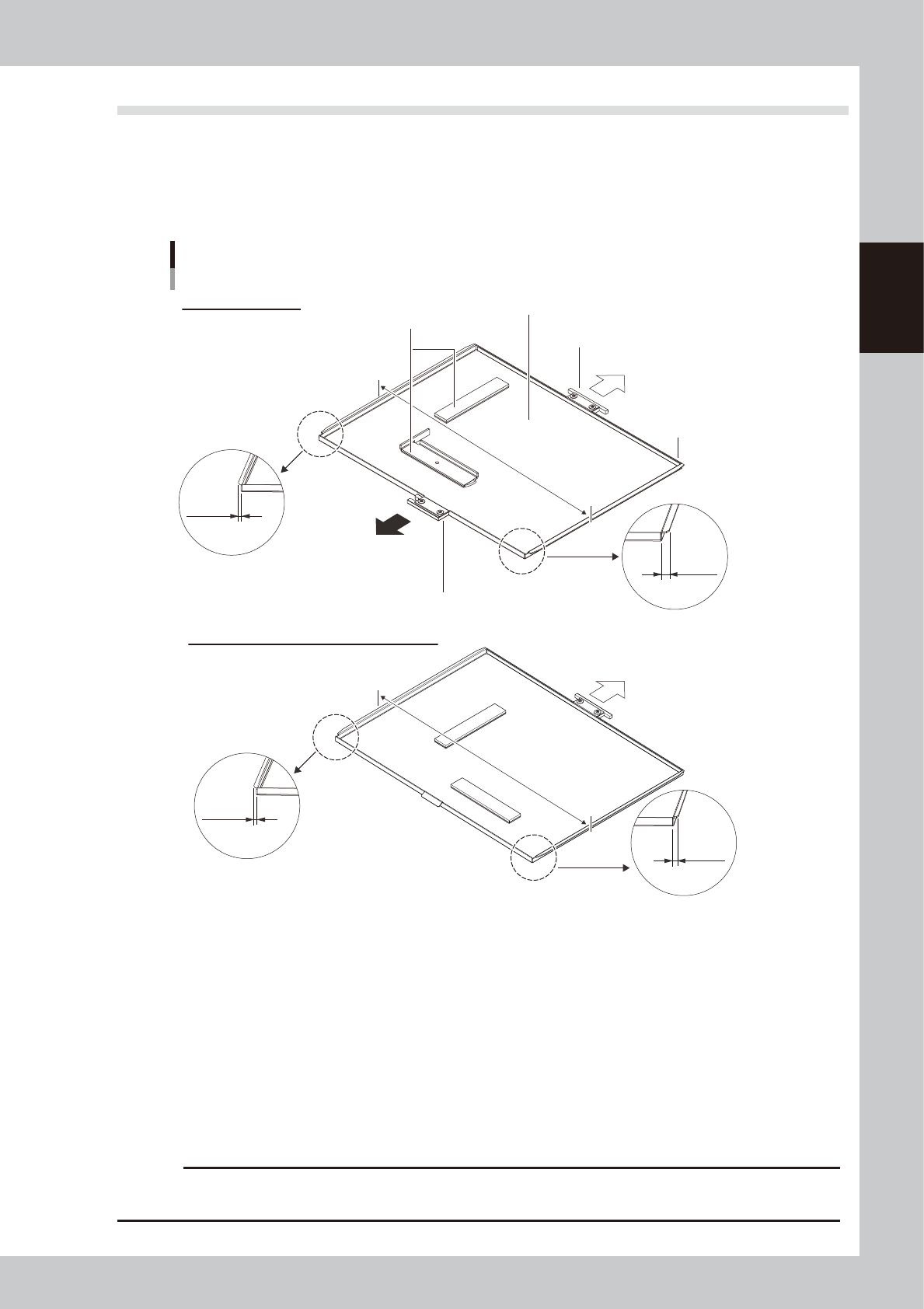
Names and functions of major parts of the pallet for tray components are described below.
n
Names of each section of pallet
Pallet
Pallet pullout handle
Component tray loading surface
To Pallet station
Pallet origin
Tray lock magnet
3.5 mm
5.5 mm
Pallet for sATS30NS
3.5 mm
3.5 mm
346mm
Pallet pullout handle
340mm
Reference: Pallets for sATS30 and cATS10
Insert direction of the
tray component supply unit
23236-KMK-00
• Pallet pullout handle
The pallet pullout hook holds this part to pull in and out the pallet. The pallet of sATS30NS has the handle at the tray
component supply unit side, and it also has the handle on the other side for pulling out toward the pallet station side.
When setting the pallet, place the T type handle toward to the tray component supply unit side.
• Tray mounting surface
The pallet for sATS30NS can mount the tray component with the size of L325 x W230 at maximum. The pallet for sATS30
and cATS10 can mount the tray component with the size of L335 x W230 at maximum. When the T type handle is placed
towards far end, the right far end is the pallet origin position.
• Tray clamp magnets
These magnets are used to secure the component tray to the tray mounting surface.
c
CAUTION
The size and the edge shape of the pallet for sATS30NS is different from those of the other units such as sATS30 and
cATS10. If the pallet for sATS30NS is used on the other tray component supply unit, it might cause the pallet to fall.
2-72
2
Basic operation
n
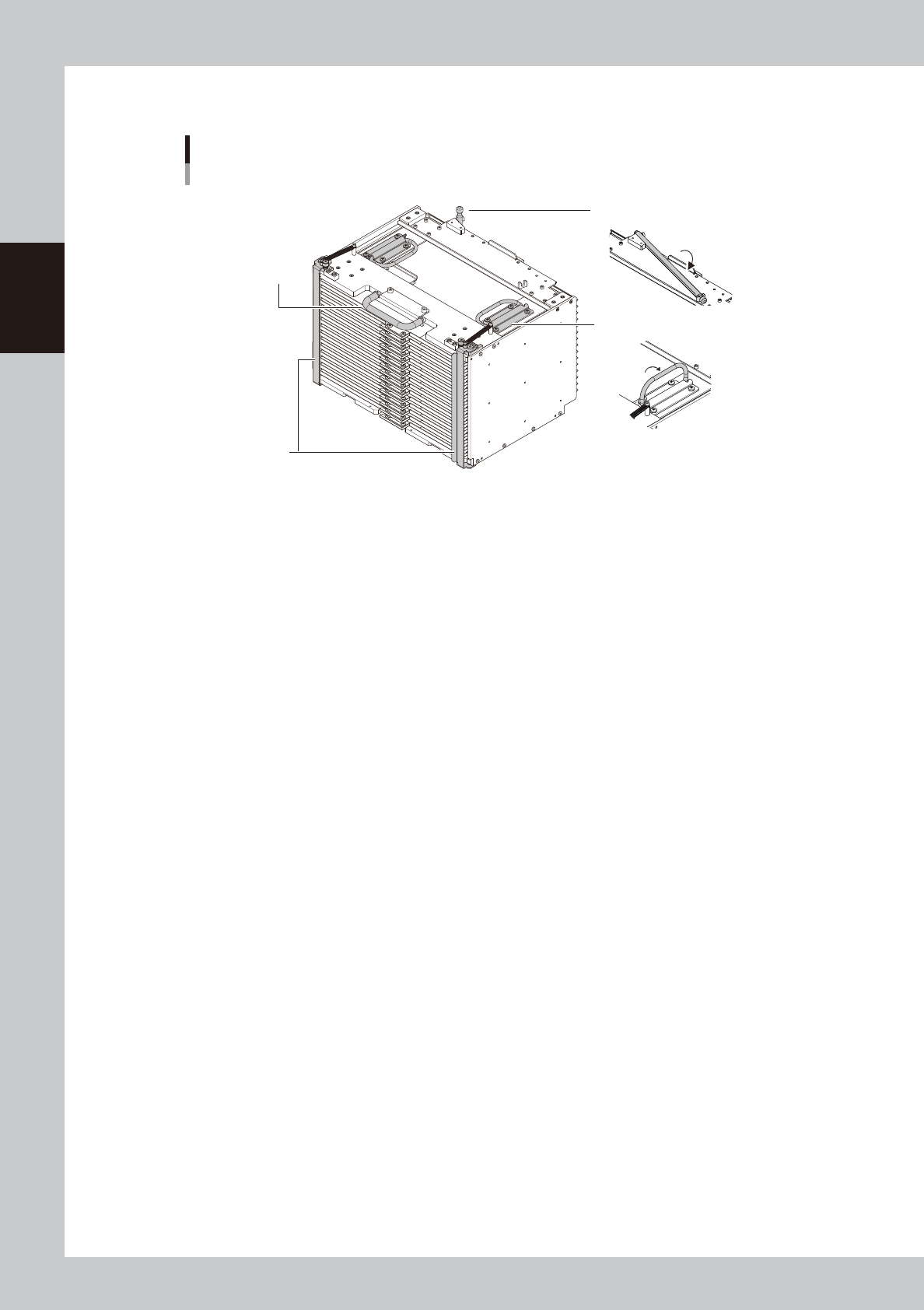
Names of each section of magazine
Magazine
Example: special magazine for sATS30NS
Pallet retainer rod
Magazine pullout handle
Carry handles
Latch
23237-KMK-00
• Carry handles
Is used to carry the magazine. When it is not used, and the magazine is set, fold them up.
• Magazine pullout handle
Is used to pull out the magazine from the tray component supply unit and when setting the magazine.
• Latch
Prevents pallets from jumping out. Close it when carrying and setting the magazine.
• Pallet retainer rod
Prevents pallets from jumping out like as the latch. Store it on top of the magazine when operating.
n
Cautions when handling pallet and magazine
Care must be taken with the following points when handling pallet and magazine.
• Store pallet and magazine in the clean location where no dust, dirt, or oil adheres to them.
• Do not drop pallet and magazine. Do not apply excessive shock or force to them.
Do not use the deformed pallet or magazine due to dropping.
• Take care not to injure with the edge of pallet or magazine.
• Be careful not to lean the magazine by holding handles on left and right at the magazine top when carrying the
magazine.
• When carrying the magazine, make sure to close the latch and pallet retainer door, and install the pallet retainer rod.
• Before setting the magazine on the tray component supply unit, make sure to store the pallet retainer rod. Additionally,
Make sure to fold up the handles on left and right at the magazine top.
2-73
2
Basic operation
5.2.2 Setting the component trays on the pallet
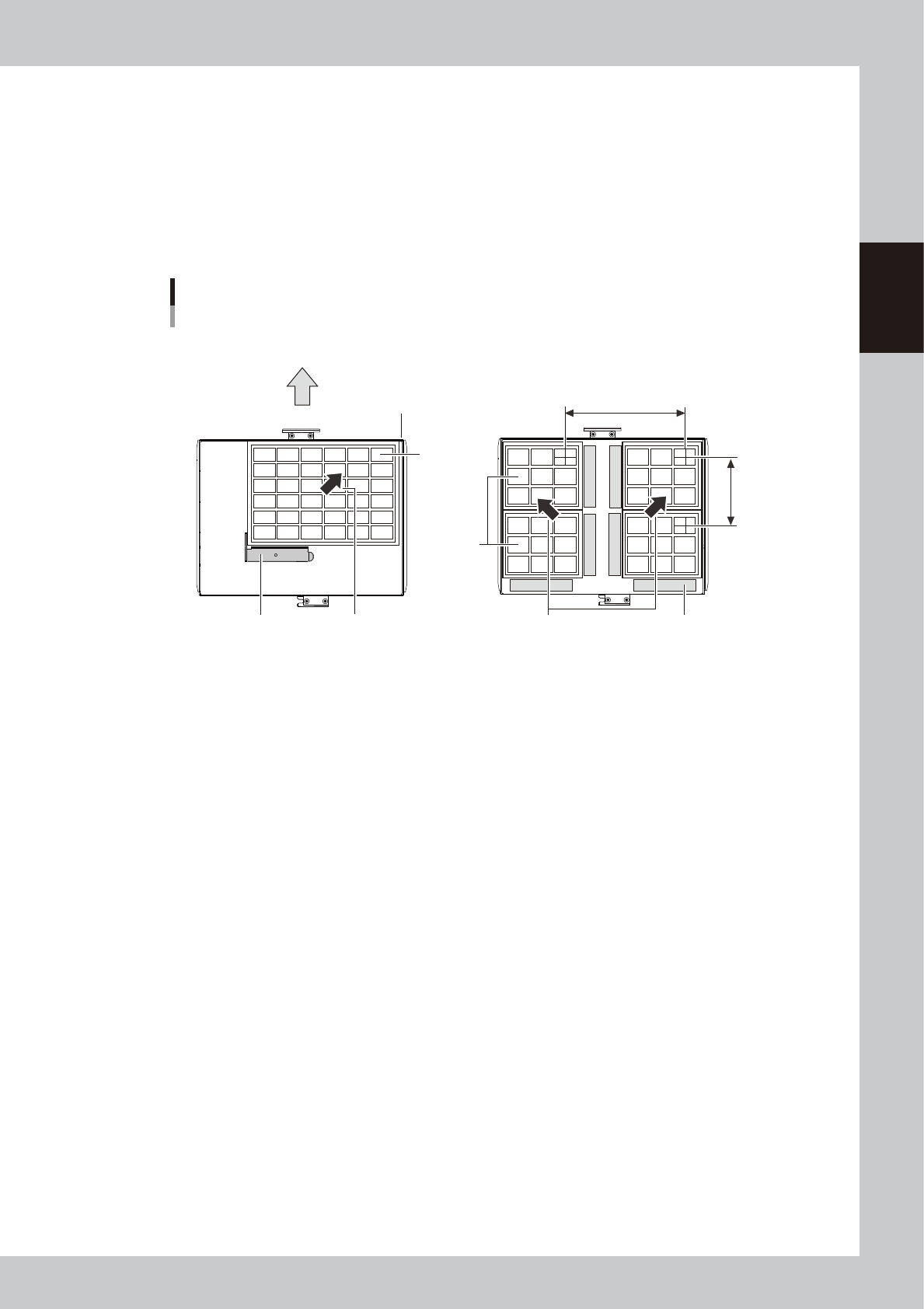
More than one component trays can be set on one pallet. The procedure is described below.
1
Remove the tray clamp magnets.
2
Set the component tray on the pallet.
1. Set the component tray aligned with the corner of the pallet.
2. Hold the tray with the tray clamping magnet to clamp it.
Inserting direction
to sATS30NS
Align the component tray
with the corner of the pallet.
Align the component tray
with each corner of the pallet.
Clamping the component tray
Using one tray Using several trays
Tray pitch X
Tray
Tray
Tray pitch Y
Tray reference position
(pallet origin position)
Clamping magnetClamping magnet
23238-KMK-00
3
Check that the component tray is clamped.
Touch the tray to make sure that it is securely clamped by the magnet.