00196693-03_UM_SX4DX4_SR706_EN.pdf - 第131页
User Manual SIPLACE SX4/DX4 3 Technical data and assemblies From software version SC.706.xx Version 06/2012 EN 3.6 Gantry system 131 3.6.3 Structure of the Y axis 3 Fig. 3.6 - 3 Y axis design (example of SX4) The Y axis …
3 Technical data and assemblies User Manual SIPLACE SX4/DX4
3.6 Gantry system From software version SC.706.xx Version 06/2012 EN
130
3.6.2 Structure of the X axis
3
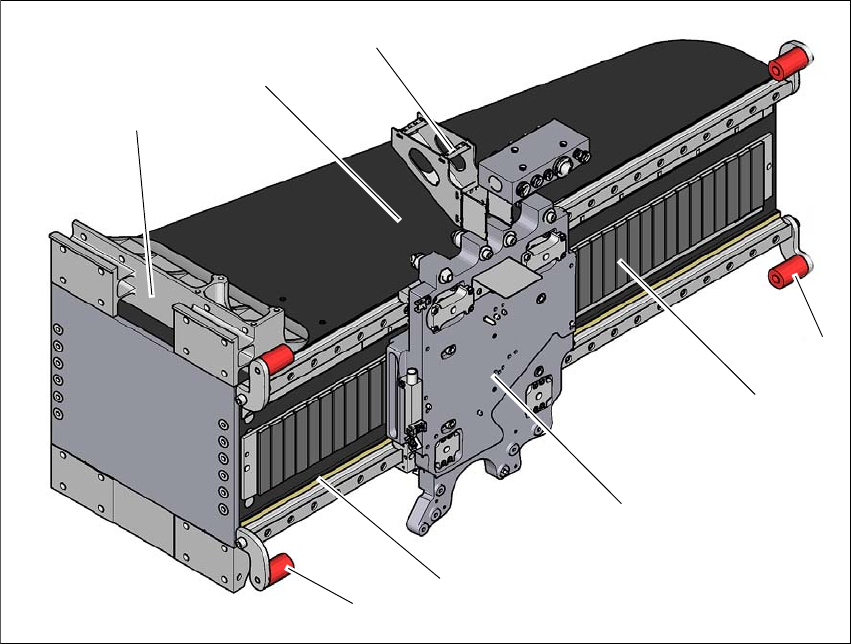
Fig. 3.6 - 2 Design of X axis - view of head mount
(1) Head mount with X-axis linear motor (primary part)
(2) Y linear motor with fixed bearing (primary part)
(3) Guidance system with permanent magnet (secondary part of the X linear motor)
(4) End position bumper (4x)
(5) Head board mount
(6) Gantry arm
(7) Length measurement system
The gantry arm is made of a carbon fiber composite. This technology allows assemblies to be
made with extremely low weight and high rigidity.
The X axis is driven by a linear motor. The secondary part of the drive consists of a permanent
magnet and is mounted on the gantry arm. The primary part is bolted to the head mount. The head
mount has been designed so that all placement head types can be accommodated - one of the
benefits of the great flexibility in the SIPLACE machines.
(4)
(3)
(1)
(5)
(2)
(6)
(4)
(7)
User Manual SIPLACE SX4/DX4 3 Technical data and assemblies
From software version SC.706.xx Version 06/2012 EN 3.6 Gantry system
131
3.6.3 Structure of the Y axis
3
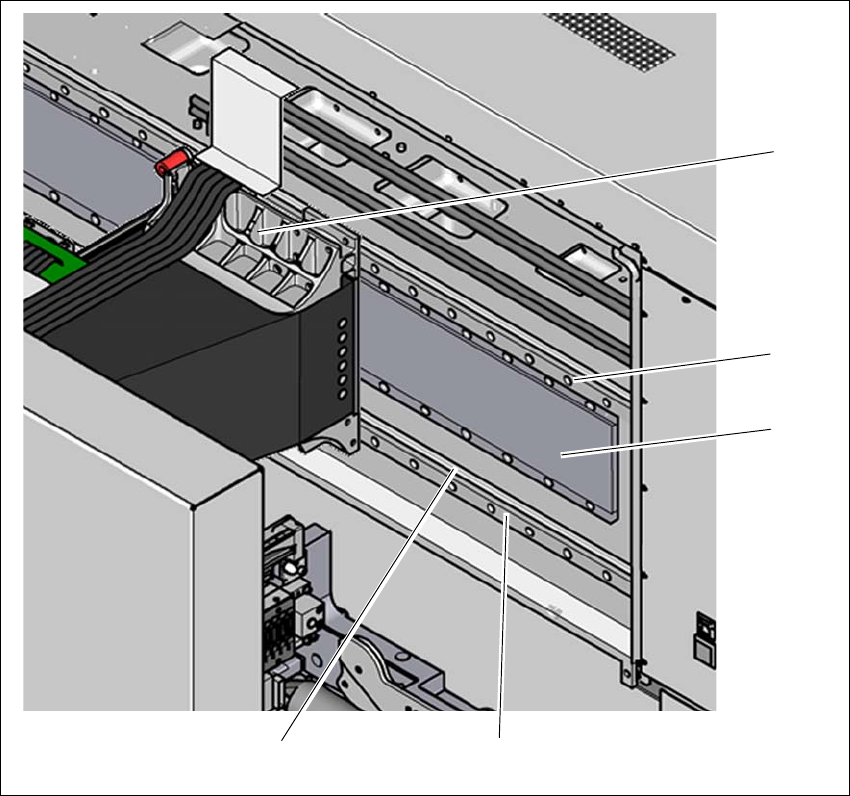
Fig. 3.6 - 3 Y axis design (example of SX4)
The Y axis essentially consists of the following main modules:
(1) Y linear motors (primary part) on the X axis with fixed and loose bearing mounted
(2) Permanent magnet (secondary part of the Y-axis linear motor)
(3) Linear distance measuring system
(4) Guide system
(1)
(4)
(2)
(3)
(4)
3 Technical data and assemblies User Manual SIPLACE SX4/DX4
3.7 PCB conveyor system From software version SC.706.xx Version 06/2012 EN
132
3.7 PCB conveyor system
3.7.1 Description
The PCB conveyors are designed as five-component conveyor systems, with an input conveyor,
processing conveyor 1, intermediate conveyor, processing conveyor 2 and output conveyor. The
three areas: input, intermediate and output conveyor, act as buffer zones for the boards in the
event of short waiting periods.
The conveyor belts are driven by DC motors. Ultrasound sensors monitor and control transporta-
tion of the boards. Once the board has reached the placement area and has passed the ultra-
sound sensors, it is braked. A stopper now positions the board. As soon as the circuit board has
reached its target position, the conveyor belt is stopped and the board is clamped from below.
The distance between the top of the PCB and the placement head thus remains unchanged for
each PCB, and is not dependent on the thickness of the PCB. The placement rate is thus inde-
pendent of the PCB thickness. The PCB fiducial centering can also be optimized. Since the dis-
tance between the PCB surface and the PCB camera remains the same, the PCB camera is
always focussed on the PCB surface with the same sharpness. The PCB fiducial contours are op-
timally mapped on the CCD chip of the PCB camera.
The width of the circuit board conveyor is set and monitored by an integral control circuit. It can
be selected by calling up the program. The control electronics activate the drive motor until the
required width has been reached. The width adjustment is therefore independent of other machine
components.
The conveyor height can be selected on the machine to allow the machines to be integrated into
lines with a conveyor height of, 900, 930 or 950 mm. The standard height is 930 mm.
The PCB conveyors communicate with the individual machines via the SMEMA interface or the
optional Siemens interface.