IPC-TM-650 EN 2022 试验方法--.pdf - 第360页
Note: / / / / IPC-TM-650 Number Subject Date Revision Page 2 of 3 2.4.39 Dimensional Stability, Glass Reinforced Thin Laminates 2/86 A 5.2 Copper Removal Remove copper by etching in cupric chloride containing spray etche…
IPC-TR-483
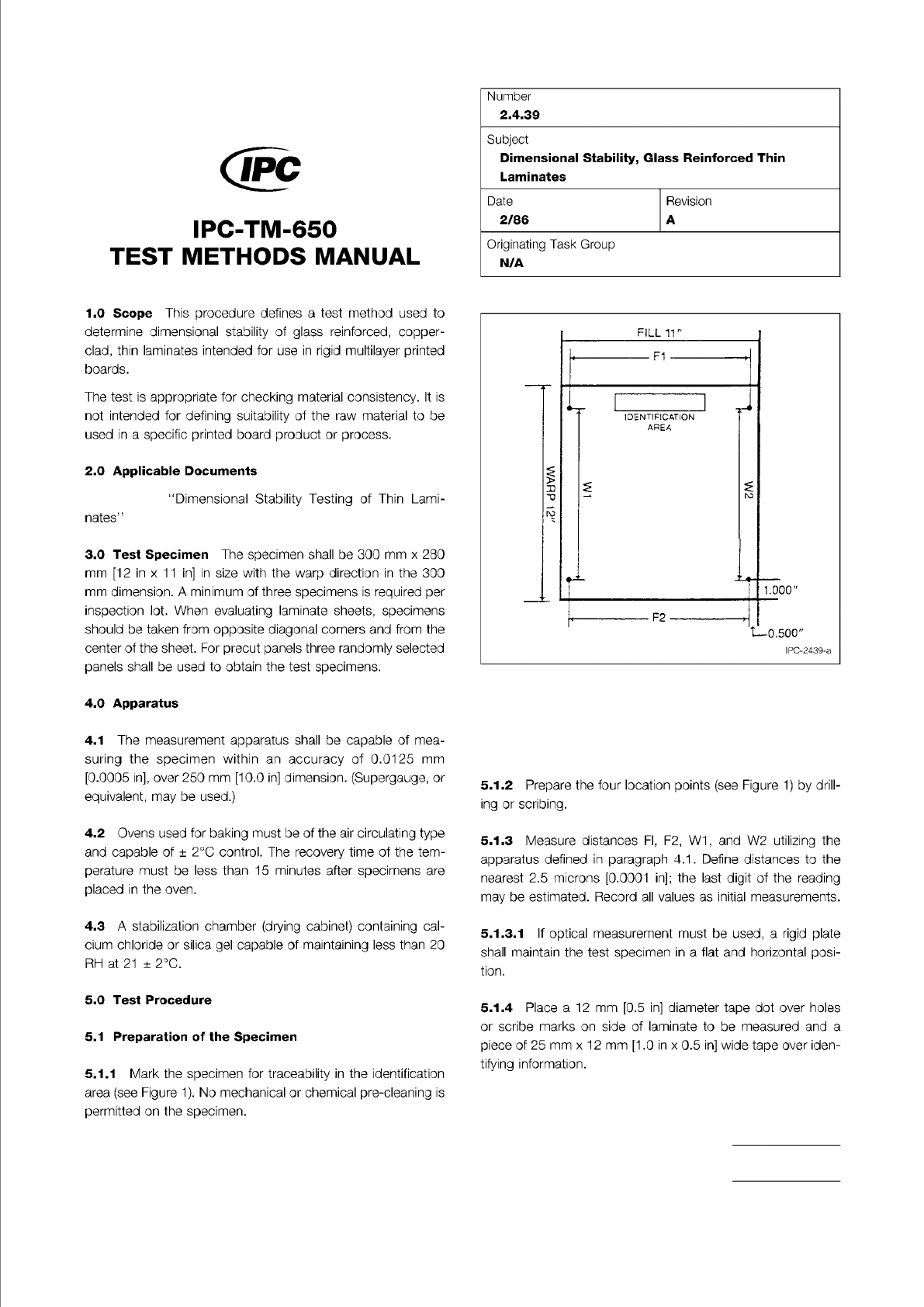
Figure 1 All dimensions are in inches. Four
measurements are required as indicated. Locate
measuring points approximately 12.7mm [0.500 in] from
each edge in the fill direction, and 25.4 mm [1.00 in] from
each edge in the warp direction.
The Institute for Interconnecting and Packaging Electronic Circuits
2215 Sanders Road • Northbrook, IL 60062-6135
Material in this Test Methods Manual was voluntarily established by Technical Committees of the IPC. This material is advisory only
and its use or adaptation is entirely voluntary. IPC disclaims all liability of any kind as to the use, application, or adaptation of this
material. Users are also wholly responsible for protecting themselves against all claims or liabilities for patent infringement.
Equipment referenced is for the convenience of the user and does not imply endorsement by the IPC.
Page 1 of 3
IPC-TM-650
TEST
METHODS
MANUAL
1
.0
Scope
This
procedure
defines
a
test
method
used
to
determine
dimensional
stability
of
glass
reinforced,
copper-
clad,
thin
laminates
intended
for
use
in
rigid
multilayer
printed
boards.
The
test
is
appropriate
for
checking
material
consistency.
It
is
not
intended
for
defining
suitability
of
the
raw
material
to
be
used
in
a
specific
printed
board
product
or
process.
2
.0
Applicable
Documents
1(Dimensional
Stability
Testing
of
Thin
Lami¬
nates'
'
3
.0
Test
Specimen
The
specimen
shall
be
300
mm
x
280
mm
[12
in
x
11
in]
in
size
with
the
warp
direction
in
the
300
mm
dimension.
A
minimum
of
three
specimens
is
required
per
inspection
lot.
When
evaluating
laminate
sheets,
specimens
should
be
taken
from
opposite
diagonal
corners
and
from
the
center
of
the
sheet.
For
precut
panels
three
randomly
selected
panels
shall
be
used
to
obtain
the
test
specimens.
4
.0
Apparatus
4.1
The
measurement
apparatus
shall
be
capable
of
mea¬
suring
the
specimen
within
an
accuracy
of
0.01
25
mm
[0.0005
in],
over
250
mm
[10.0
in]
dimension.
(Supergauge,
or
equivalent,
may
be
used.)
4.2
Ovens
used
for
baking
must
be
of
the
air
circulating
type
and
capable
of
±
2
℃
control.
The
recovery
time
of
the
tem¬
perature
must
be
less
than
15
minutes
after
specimens
are
placed
in
the
oven.
4.3
A
stabilization
chamber
(drying
cabinet)
containing
cal¬
cium
chloride
or
silica
gel
capable
of
maintaining
less
than
20
RH
at
21
±
2
℃.
5
.0
Test
Procedure
5.1
Preparation
of
the
Specimen
5.1.1
Mark
the
specimen
for
traceability
in
the
identification
area
(see
Figure
1).
No
mechanical
or
chemical
pre-cleaning
is
permitted
on
the
specimen.
Number
2.4.39
Subject
Dimensional
Stability,
Glass
Reinforced
Thin
Laminates
Date
Revision
2/86
A
Originating
Task
Group
N/A
FILL
11"
Fl
J
W
F2
t—
0.500"
IPC-2439-a
w
2
IDENTIFICATION
AREA
-
1.000"
5.1.2
Prepare
the
four
location
points
(see
Figure
1)
by
drill¬
ing
or
scribing.
5.1.3
Measure
distances
Fl,
F2,
W1,
and
W2
utilizing
the
apparatus
defined
in
paragraph
4.1
.
Define
distances
to
the
nearest
2.5
microns
[0.0001
in];
the
last
digit
of
the
reading
may
be
estimated.
Record
all
values
as
initial
measurements.
5.
1.3.1
If
optical
measurement
must
be
used,
a
rigid
plate
shall
maintain
the
test
specimen
in
a
flat
and
horizontal
posi¬
tion.
5.1.4
Place
a
12
mm
[0.5
in]
diameter
tape
dot
over
holes
or
scribe
marks
on
side
of
laminate
to
be
measured
and
a
piece
of
25
mm
x
1
2
mm
[1
.0
in
x
0.5
in]
wide
tape
over
iden¬
tifying
information.
Note:
/
/
/
/
IPC-TM-650
Number
Subject Date
Revision
Page 2 of 3
2.4.39
Dimensional
Stability,
Glass
Reinforced
Thin
Laminates
2/86
A
5.2
Copper
Removal
Remove
copper
by
etching
in
cupric
chloride
containing
spray
etcher
at
less
than
50℃
(122°F).
Rack
samples
upon
exit
from
etcher,
rinse,
remove
the
tape,
and
air-dry
laminate.
Submit
to
bake
cycle
(paragraph
5.3)
within
four
hours.
(
Do
not
use
resist
stripping
solutions.)
5.3
If
only
the
thermal
stress
cycle
is
to
be
used
proceed
to
5.5.
If
not,
proceed
to
5.4.
5.4
Bake
Cycle
5.4.1
Bake
specimens
at
105℃
±
5
℃
for
four
hours
±
10
minutes.
Vertically
rack
and
place
specimens
in
oven
parallel
to
air
flow
with
specimens
being
separated
by
a
minimum
of
1/2
inch.
5.4.2
After
baking,
immediately
place
the
test
specimens
in
a
stabilization
chamber
(paragraph
4.3).
5.4.3
Remove
from
stabilization
chamber
after
one
hour
+W-0
hours
and,
within
5
minutes,
measure
W11(
W21(
F1
and
F2「
using
the
apparatus
defined
in
paragraph
4.1.
5.4.4
If
the
thermal
stress
cycle
is
to
be
included
in
this
test,
proceed
to
paragraph
5.5.
If
not,
proceed
to
5.6.
5.5
Thermal
Stress
Cycle
After
the
bake
cycle
measure¬
ment
(5.4),
if
immediate
further
processing
is
not
feasible,
place
specimens
in
a
stabilization
chamber
until
test
is
contin¬
ued.
5.5.1
If
a
stabilization
chamber
is
used,
remove
from
the
stabilization
chamber
and
bake
specimens
at
1
50℃
±
5
℃
for
two
hours
土
5
minutes.
Vertically
rack
and
place
specimens
in
oven
parallel
to
air
flow,
with
specimens
being
separated
by
a
minimum
of
1/2
in.
5.5.2
After
baking,
immediately
place
the
test
specimen
in
a
stabilization
chamber
(paragraph
4.3).
5.5.3
Remove
from
stabilization
chamber
after
1
hour
+1/2
hour,
-0
hours,
and,
within
5
minutes,
measure
W1
,
W2,
F1
,
and
F2,
using
the
apparatus
indicated
in
paragraph
4.1
.
Record
values
as
W12,
W22,
F12,
and
F22.
5.6
Evaluation
Determine
the
change
in
dimensional
sta¬
bility
using
the
following
formulation:
5.6.1
Warp
Evaluations
W1
1
-
W1
Q
Warp
=
——
—
x
10d
=
Mils
per
inch
for
W1
after
bake
W2〔
-
W2
。
——
—
——
x
1
0'
=
Mils
per
inch
for
W2
after
bake
Repeat
for
W1
2
and
W22
for
after
stress
Where
W1/W2
二
initial
dimensions,
W1f/W2i
=
after
bake
dimensions,
and
W12/W22
=
after
thermal
stress.
5.6.2
Fill
Evaluations
Fl
1
—
F1
&
Fill
=
—
—
——
x
103
=
Mils
per
inch
for
F1
after
bake
F2-)
—
F2
——
—
——
x
10
=
Mils
per
inch
for
F2
after
bake
Repeat
for
F12
and
F22
for
after
stress
Where
F1/F2
二
initial
dimensions,
F1
〃
F2i
=
after
bake
dimensions,
and
F1
2/F22
二
after
thermal
stress.
5.6.3
Calculations
Take
the
warp
dimensions
made
on
all
the
measured
specimens
and
determine
the
mean
value
for
the
warp
dimensional
stability
characteristics
of
the
laminate
after
bake.
Follow
similar
procedures
on
the
calculations
for
the
fill
dimensional
stability
characteristics
after
bake.
Extreme
values
should
be
eliminated
using
the
procedure
defined
in
paragraph
5.6.4.
Similar
measurements
are
made
to
calculate
the
after
thermal
stress
dimensional
stability
characteristics.
5.6.4
Extreme
Value
Eliminated
Take
measurements
in
subgroup
(warp
or
fill)
and
arrange
in
descending
order
of
magnitude.
Solve
for
D,
using
procedure
detailed
in
Table
1
.
If
calculated
D
is
larger
than
the
value
of
D
shown
in
Table
2
for
the
number
of
measurements
being
evaluated,
the
outlier
is
significant
and
should
be
deleted.
6.0
Notes
The
following
is
a
checklist
that
should
be
used
by
personnel
responsible
for
performing
this
method
in
order
to
provide
repeatable/correlatable
results.
The
I
PC
Dimen¬
sional
Stability
Task
Group
responsible
for
the
technical
report
on
dimensional
stability
has
determined
that
checklist
items
2,
5,
6,
9,
14, 15,
16
and
18
are
critical
to
appropriate
use
of
this
procedure.
(See
IPC-TR-463.)

IPC-TM-650
Number Subject Date
Revision
Page 2 of 7
2.4.54
TestMethodforThermalTransmissionPropertiesof
09/2022
MetalBasedPrintedBoards(MBPB)
N/A
2 Applicable Documents
2.1 IPC Documents
1
IPC-4101C
Specification for Base Materials for Rigid and Multilayer Printed Boards
IPC-TM-650
Test Methods Manual
2.1.1 Microsectioning, Manual and Semi or Automatic
2.1.1.2 Microsectioning—Semi or Automatic Technique Microsection Equipment
2.2 International Organization of Legal Metrology
2
OIMLG14
Density measurement
2.3 ASTM
3
ASTME1461
Standard Test Method for Thermal Diffusivity by the Flash Method
ASTME1269
Standard Test Method for Determining Specific Heat Capacity by Differential Scanning Calorimetry
3 Test Specimens
3.1
The sample thickness can be measured within the machine or before and after measurement. In both cases the accuracy
should be smaller than 10 µm.
3.2
Prepare specimens from its original, treated or aged condition. Clean the surfaces from any kind of dirt. The solvents
have to be chosen carefully as possible adverse reactions with the surface of the sample could occur (see IPC-TM-650
Test Method 2.1.1).
3.3
The specimen has to be manufactured e.g., by milling or other kind of processing. Remove burrs and flashes on the edge
of the specimen.
3.4
Create three specimens from one raw laminate panel. Ensure a distance from the border of about 50 mm to avoid tolerance
deviations of the dielectric material.
3.5
Ensure that the surface of the specimen is free of scratches, waviness or any kind of damage. Photos should be included
into the test report.
4 Apparatus or Material
4.1
Figures 1 and 3 shows parts for an apparatus, which fulfills the requirements for this test method.
4.2
Ensure that the surfaces of the aluminum bars are free from scratches or other damages. The surface has to be smooth
(Ra≤1µm).
4.3
Use a method to measure the total thickness of the specimen like contactless with laser, LED detector or before and after
measurement with a micrometer screw according to IPC-4101C.
4.4
Use insulated heat flow meter bars on both sides, hot and cold in order to prevent heat losses to the environment and thus
improve the measurement accuracy.
4.5
Due to the forced heat flow, the apparatus needs both a heat as well as a cooling source. There are several options for
heating and cooling. The recommended method of heating is the usage of an electrical heater which is embedded in a copper
block. Other options can be liquid heaters. Regardless of the method. It is important to use constant temperatures at heat and
cooling side.
4.6
The heat flow meter bars of the apparatus need to be constructed out of well-known and thermally characterized (see
ASTM E1461 for thermal diffusivity, ASTM E1269 for specific heat capacity, and OIML G 14 for density) material in the
1 www.ipc.org
2 www.oiml.org
3 www.astm.org
―