IPC-TM-650 EN 2022 试验方法--.pdf - 第794页
Figure 4 T ol eran ces for T erminal-Peak Sawtooth Shock Pulse Figure 5 T ol eran ce Limits for Measuring System Frequency Respons e IPC-TM-650 Page 5 of 5 SYSTEM INCLUDING TRANSDUCER Number 3.8 Subject Mechanical Shock,…
NOTE:
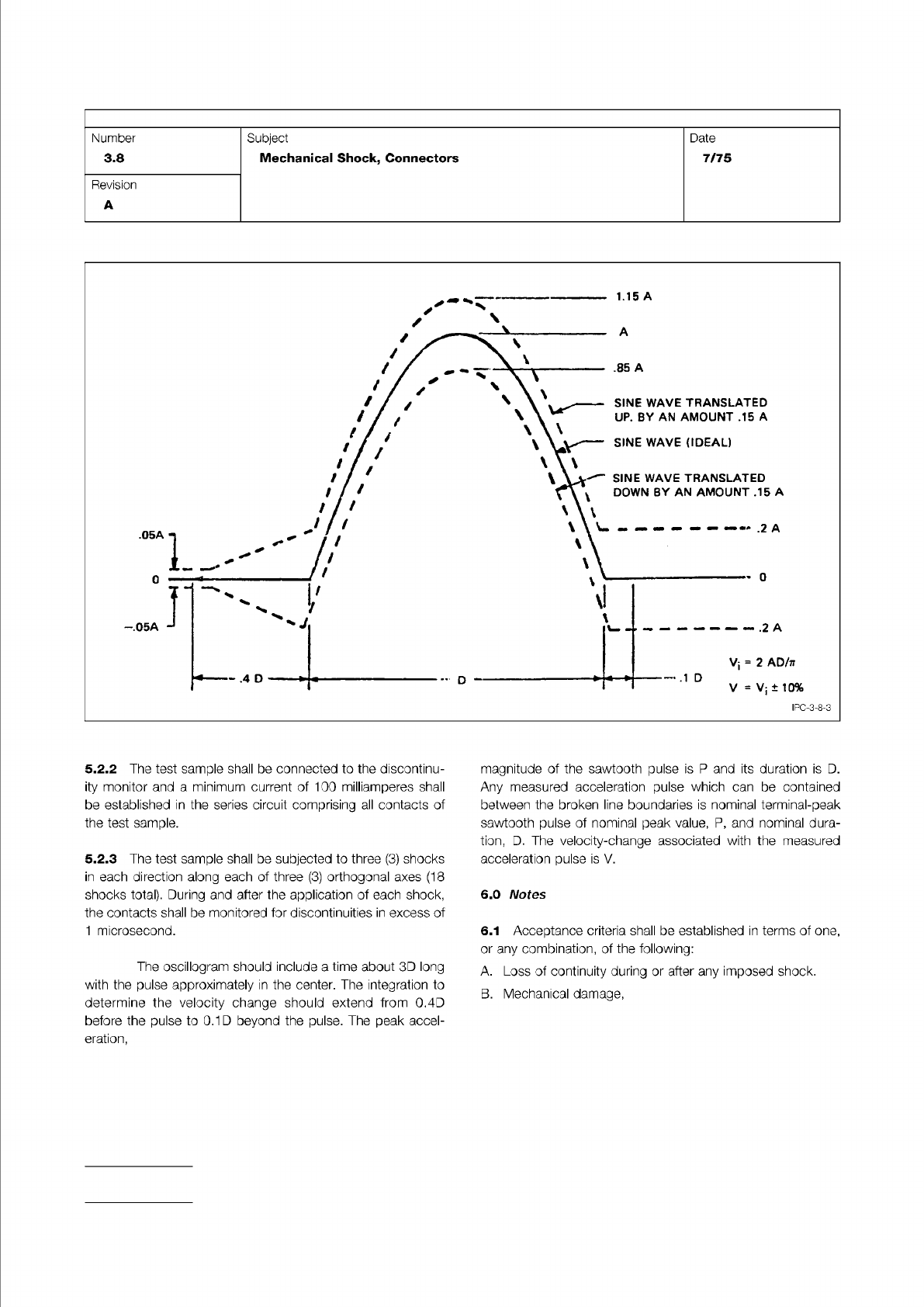
Figure 3 Tolerances for Half Sine Shock Pulse
IPC-TM-650
Page 4 of 5
Number
3.8
Subject
Mechanical
Shock,
Connectors
Date
7/75
Revision
A
5.2.2
The
test
sample
shall
be
connected
to
the
discontinu¬
ity
monitor
and
a
minimum
current
of
100
milliamperes
shall
be
established
in
the
series
circuit
comprising
all
contacts
of
the
test
sample.
5.2.3
The
test
sample
shall
be
subjected
to
three
(3)
shocks
in
each
direction
along
each
of
three
(3)
orthogonal
axes
(18
shocks
total).
During
and
after
the
application
of
each
shock,
the
contacts
shall
be
monitored
for
discontinuities
in
excess
of
1
microsecond.
The
oscillogram
should
include
a
time
about
3D
long
with
the
pulse
approximately
in
the
center.
The
integration
to
determine
the
velocity
change
should
extend
from
0.4D
before
the
pulse
to
0.1D
beyond
the
pulse.
The
peak
accel¬
eration,
magnitude
of
the
sawtooth
pulse
is
P
and
its
duration
is
D.
Any
measured
acceleration
pulse
which
can
be
contained
between
the
broken
line
boundaries
is
nominal
terminal-peak
sawtooth
pulse
of
nominal
peak
value,
P,
and
nominal
dura¬
tion,
D.
The
velocity-change
associated
with
the
measured
acceleration
pulse
is
V.
6.0
Notes
6.1
Acceptance
criteria
shall
be
established
in
terms
of
one,
or
any
combination,
of
the
following:
A.
Loss
of
continuity
during
or
after
any
imposed
shock.
B.
Mechanical
damage,
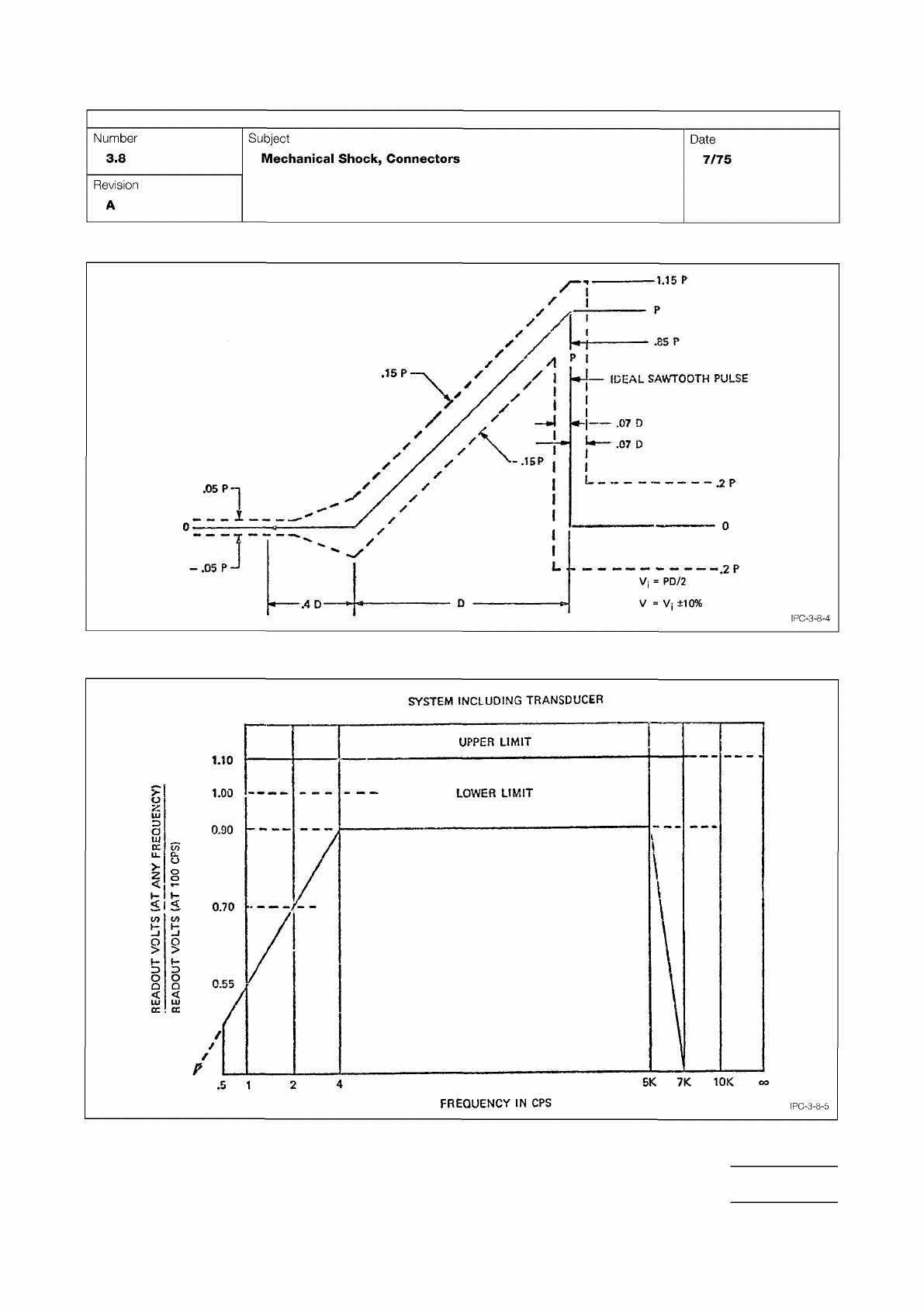
Figure 4 Tolerances for Terminal-Peak Sawtooth Shock Pulse
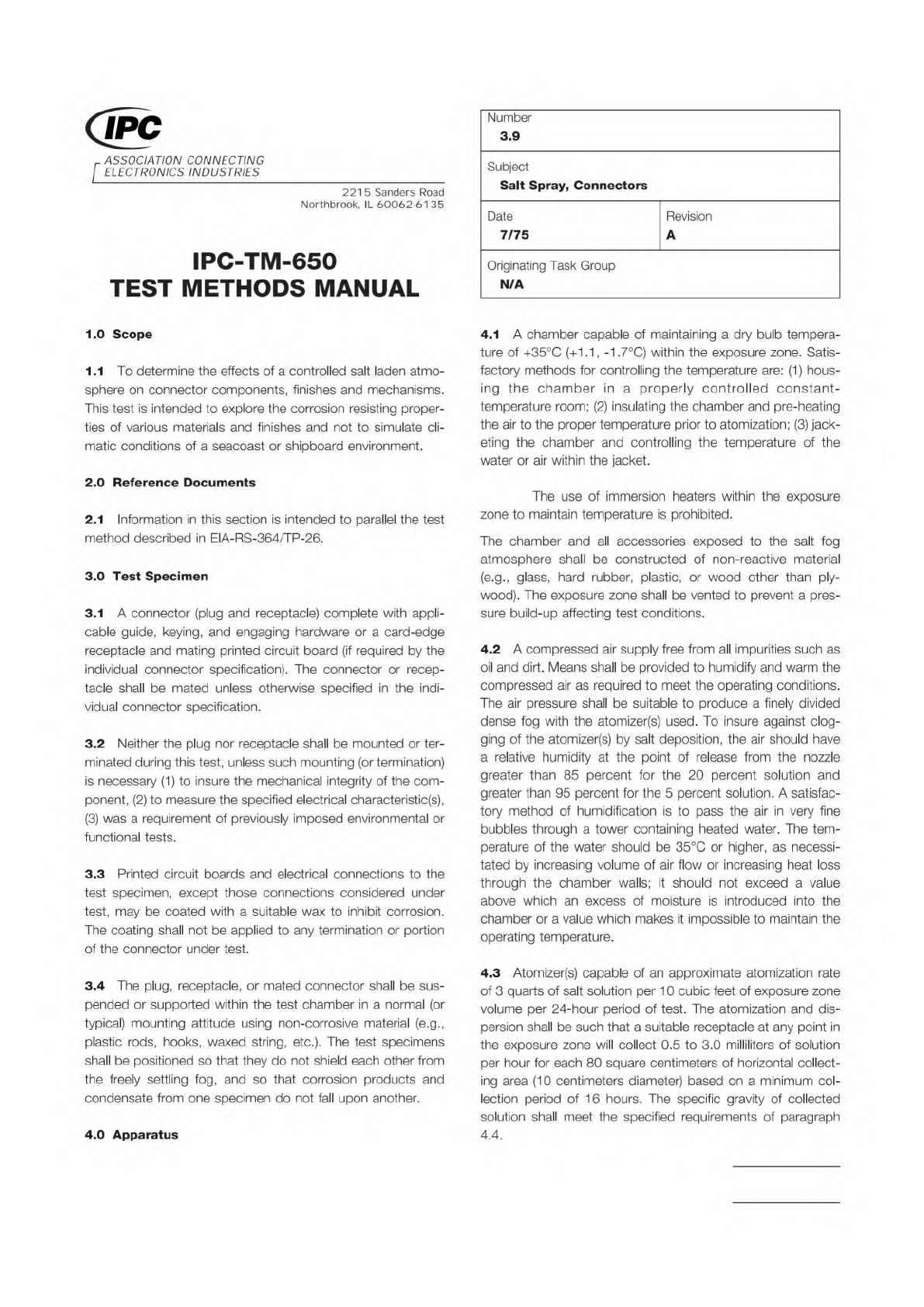
Figure 5 Tolerance Limits for Measuring System Frequency Response
IPC-TM-650
Page 5 of 5
SYSTEM
INCLUDING
TRANSDUCER
Number
3.8
Subject
Mechanical
Shock,
Connectors
Date
7/75
Revision
A
IPC-3-8-4
<sd
°
OOL
l
s
S11o>
InoovwH
FREQUENCY
IN
CPS
IPC-3-8-5
NOTE:
Material in this Test Methods Manual was voluntarily established by Technical Committees of the IPC. This material is advisory only
and its use or adaptation is entirely voluntary. IPC disclaims all liability of any kind as to the use, application, or adaptation of this
material. Users are also wholly responsible for protecting themselves against all claims or liabilities for patent infringement.
Equipment referenced is for the convenience of the user and does not imply endorsement by the IPC.
Page 1 of 2
r
ASSOCIATION
CONNECTING
/
ELECTRONICS
INDUSTRIES
2215
Sanders
Road
Northbrook,
IL
60062-6135
IPC-TM-650
TEST
METHODS
MANUAL
Number
3.9
Subject
Salt
Spray,
Connectors
Date
7/75
Revision
A
Originating
Task
Group
N/A
1
.0
Scope
1.1
To
determine
the
effects
of
a
controlled
salt
laden
atmo¬
sphere
on
connector
components,
finishes
and
mechanisms.
This
test
is
intended
to
explore
the
corrosion
resisting
proper¬
ties
of
various
materials
and
finishes
and
not
to
simulate
cli¬
matic
conditions
of
a
seacoast
or
shipboard
environment.
2
.0
Reference
Documents
2.1
Information
in
this
section
is
intended
to
parallel
the
test
method
described
in
EIA-RS-364/TP-26.
3
.0
Test
Specimen
3.1
A
connector
(plug
and
receptacle)
complete
with
appli¬
cable
guide,
keying,
and
engaging
hardware
or
a
card
-edge
receptacle
and
mating
printed
circuit
board
(if
required
by
the
individual
connector
specification).
The
connector
or
recep¬
tacle
shall
be
mated
unless
otherwise
specified
in
the
indi¬
vidual
connector
specification.
3.2
Neither
the
plug
nor
receptacle
shall
be
mounted
or
ter¬
minated
during
this
test,
unless
such
mounting
(or
termination)
is
necessary
(1)
to
insure
the
mechanical
integrity
of
the
com¬
ponent,
(2)
to
measure
the
specified
electrical
characteristic(s),
(3)
was
a
requirement
of
previously
imposed
environmental
or
functional
tests.
3.3
Printed
circuit
boards
and
electrical
connections
to
the
test
specimen,
except
those
connections
considered
under
test,
may
be
coated
with
a
suitable
wax
to
inhibit
corrosion.
The
coating
shall
not
be
applied
to
any
termination
or
portion
of
the
connector
under
test.
3.4
The
plug,
receptacle,
or
mated
connector
shall
be
sus¬
pended
or
supported
within
the
test
chamber
in
a
normal
(or
typical)
mounting
attitude
using
non-corrosive
material
(e.g.,
plastic
rods,
hooks,
waxed
string,
etc.).
The
test
specimens
shall
be
positioned
so
that
they
do
not
shield
each
other
from
the
freely
settling
fog,
and
so
that
corrosion
products
and
condensate
from
one
specimen
do
not
fall
upon
another.
4
.0
Apparatus
4.1
A
chamber
capable
of
maintaining
a
dry
bulb
tempera¬
ture
of
+35℃
(+1.1,
-1.7℃)
within
the
exposure
zone.
Satis¬
factory
methods
for
controlling
the
temperature
are:
hous¬
ing
the
chamber
in
a
properly
controlled
constant¬
temperature
room;
(2)
insulating
the
chamber
and
pre-heating
the
air
to
the
proper
temperature
prior
to
atomization;
(3)
jack¬
eting
the
chamber
and
controlling
the
temperature
of
the
water
or
air
within
the
jacket.
The
use
of
immersion
heaters
within
the
exposure
zone
to
maintain
temperature
is
prohibited.
The
chamber
and
all
accessories
exposed
to
the
salt
fog
atmosphere
shall
be
constructed
of
non
-reactive
material
(e.g.,
glass,
hard
rubber,
plastic,
or
wood
other
than
ply¬
wood).
The
exposure
zone
shall
be
vented
to
prevent
a
pres¬
sure
build-up
affecting
test
conditions.
4.2
A
compressed
air
supply
free
from
all
impurities
such
as
oil
and
dirt.
Means
shall
be
provided
to
humidify
and
warm
the
compressed
air
as
required
to
meet
the
operating
conditions.
The
air
pressure
shall
be
suitable
to
produce
a
finely
divided
dense
fog
with
the
atomizer(s)
used.
To
insure
against
clog¬
ging
of
the
atomizer(s)
by
salt
deposition,
the
air
should
have
a
relative
humidity
at
the
point
of
release
from
the
nozzle
greater
than
85
percent
for
the
20
percent
solution
and
greater
than
95
percent
for
the
5
percent
solution.
A
satisfac¬
tory
method
of
humidification
is
to
pass
the
air
in
very
fine
bubbles
through
a
tower
containing
heated
water.
The
tem¬
perature
of
the
water
should
be
35℃
or
higher,
as
necessi¬
tated
by
increasing
volume
of
air
flow
or
increasing
heat
loss
through
the
chamber
walls;
it
should
not
exceed
a
value
above
which
an
excess
of
moisture
is
introduced
into
the
chamber
or
a
value
which
makes
it
impossible
to
maintain
the
operating
temperature.
4.3
Atomizer(s)
capable
of
an
approximate
atomization
rate
of
3
quarts
of
salt
solution
per
10
cubic
feet
of
exposure
zone
volume
per
24-hour
period
of
test.
The
atomization
and
dis¬
persion
shall
be
such
that
a
suitable
receptacle
at
any
point
in
the
exposure
zone
will
collect
0.5
to
3.0
milliliters
of
solution
per
hour
for
each
80
square
centimeters
of
horizontal
collect¬
ing
area
(1
0
centimeters
diameter)
based
on
a
minimum
col¬
lection
period
of
16
hours.
The
specific
gravity
of
collected
solution
shall
meet
the
specified
requirements
of
paragraph
4.4.