IPC-TM-650 EN 2022 试验方法--.pdf - 第742页
IPC-3408 Note: Material in this T est M ethods Manual was voluntarily establis hed by T echni cal Committees of the IP C. This material is advisory only and its use or adaptation is entirely voluntary . IPC disclaims all…
IPC-TM-650
Number
Subject Date
Revision
Page 3 of 3
7/93
2.6.23
Test
Procedure
for
Steam
Ager
Temperature
Repeatability
6.0
Notes
6.1
Care
should
be
exercised
when
interpreting
analysis
results.
Cp
may
not
be
meaningful
if
the
X-bar
or
R
charts
are
out
of
control,
or
the
process
capability
histogram
is
grossly
non-normal.
Consult
IPC-PC-90
or
ANSI/ASQC
Z1
.1
,
Z1
.2
and
Z1
.3
for
further
details.
IPC-3408
Note:
Material in this Test Methods Manual was voluntarily established by Technical Committees of the IPC. This material is advisory only
and its use or adaptation is entirely voluntary. IPC disclaims all liability of any kind as to the use, application, or adaptation of this
material. Users are also wholly responsible for protecting themselves against all claims or liabilities for patent infringement.
Equipment referenced is for the convenience of the user and does not imply endorsement by the IPC.
Page 1 of 3
r
ASSOCIATION
CONNECTING
/
ELECTRONICS
INDUSTRIES
221
5
Sanders
Road
Northbrook,
IL
60062-6135
IPC-TM-650
TEST
METHODS
MANUAL
1
Scope
The
purpose
of
these
tests
is
to
characterize
changes
in
individual
interconnection
resistances
as
a
function
of
exposure
time
in
various
environmental
aging
conditions
for
both
flex
to
PWB
and
flex
to
indium-tin-oxide
(ITO)
coated
glass
bonds.
2
Applicable
Documents
General
Requirements
for
Anisotropically
Conduc¬
tive
Adhesive
Films
3
Test
Specimens
3.1
0.2
mm
line/space
test
boards
0.2
mm
line/space
flex
test
circuits
4
Apparatus
4.1
ITO
coated
soda-lime
glass
test
slides,
20
ohms/sq.
mm
4.2
Polypropylene
trays
for
sample
storage
in
chamber
4.3
Instrumentation
to
permit
four-probe
resistance
mea¬
surement
4.5
Required
environmental
test
chamber(s):
a)
Thermal
aging,
100℃
b)
Thermal
cycling,
-55℃
to
>125℃,
five
hour
period
c)
Humidity
aging,
60℃/95%
RH
5
Procedure
5.1
Sample
Preparation
5.1.1
Cut
the
flex
test
circuits
to
the
appropriate
length
(see
Figure
1
and
Figure
2).
If
flex
board
samples
are
being
pre¬
pared,
all
traces
on
the
flex
should
be
shorted
together
on
one
end.
5.1.2
Use
of
new
PCB
is
recommended.
If
new
boards
are
being
used,
there
should
be
no
need
for
any
special
cleaning
procedure.
If
used
boards
are
to
be
used,
they
should
be
inspected
to
ensure
that:
Number
2.6.24
Subject
Junction
Stability
Under
Environmental
Conditions
Date
11/98
Revision
Originating
Task
Group
SMT
Mounting
Adhesives
Task
Group
(5-24d)
a)
Protective
metalization
(Au
or
Pb-Sn)
is
intact.
b)
FR-4
isn't
significantly
discolored
from
prior
high
tempera¬
ture
exposure.
c)
The
board
is
free
of
any
residue
from
previous
tests.
5.1.3
Refer
to
5.2
for
proper
bonding
procedure.
5.2
Sample
Procedure
5.2.1
Prepare
at
least
three
test
samples
for
each
test
con¬
dition
to
be
run.
For
the
flex
board
case,
it
is
possible
to
mount
two
test
samples
on
each
board.
Refer
to
I
PC-3408
for
proper
bonding
procedure.
5.2.2
After
bonding
is
completed,
each
sample
should
be
identified
by
a
test
number.
Test
numbers
should
be
written
on
the
test
substrate
using
an
indelible
marker.
5.2.3
Clamp
the
unbonded
end
of
the
flexible
circuit
to
the
matching
board
traces
to
make
electrical
contact,
with
an
elastomeric
compliant
layer
behind
the
flex
to
maintain
uniform
contact
force.
5.2.4
Initial
interconnection
resistances
should
be
measured
and
recorded.
The
recommended
measurement
technique
is
illustrated
in
Figure
3.
This
technique
can
be
used
with
either
test
sample
type.
This
technique
doesn't
allow
for
the
measurement
of
the
first
and
last
circuit
trace.
There
are
1
5
measurements
to
be
made
on
each
sample.
5.2.5
Samples
should
be
placed
in
the
polypropylene
trays,
and
the
trays
placed
in
the
appropriate
chamber.
The
time
and
date
should
be
noted
for
the
purpose
of
computing
elapsed
time.
5.2.6
Samples
should
be
removed
from
the
chambers
for
resistance
measurement
after
24-hour,
one-week,
three-
week,
and
six-week
time
points.
All
environmental
tests
are
considered
complete
after
six
weeks.
Samples
should
be
allowed
to
equilibrate
at
ambient
conditions
for
at
least
30
minutes
prior
to
measurement.
5.2.7
All
resistance
data
should
be
tabulated
and/or
graphed
to
facilitate
proper
interpretation
of
the
results.
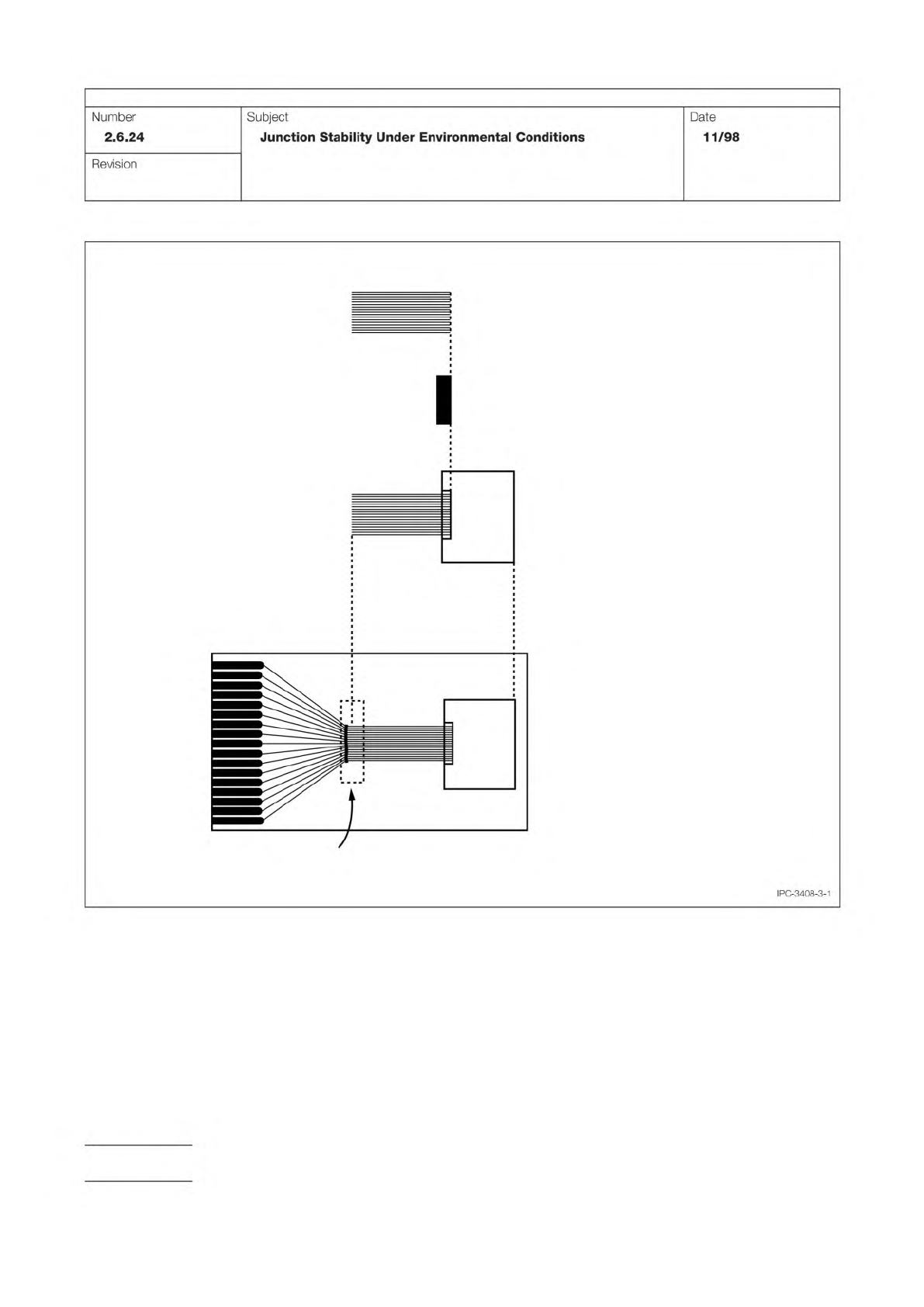
Figure 1 Interconnection Resistance Test Assembly; Flex to ITO Glass
0.4 mm Flex, 9 x 25 mm
9.0 mm x 2.5 mm nom.
ZAF, 0.025 mm, 3.2 x 10 mm
Bonded Test Sample
0.2 mm line/space
Pitch Flex-ITO Glass
Test Sample Clamped
to 0.4 mm Pitch Test Board
Clamp
IPC-TM-650
Page 2 of 3
Number
2.6.24
Subject
Junction
Stability
Under
Environmental
Conditions
Date
11/98
Revision
IPC-3408-3-1