Programming_mail.pdf - 第228页
V- 38 Programming Manual Part V Other Function 3.3 Advanced In case inspection data is not appropriately extracted or there is not enough memory , use Advance . Press Advance in Figure 3-1 1 and the dialog shown in Figur…
V-37
Programming Manual
Part V Other Function
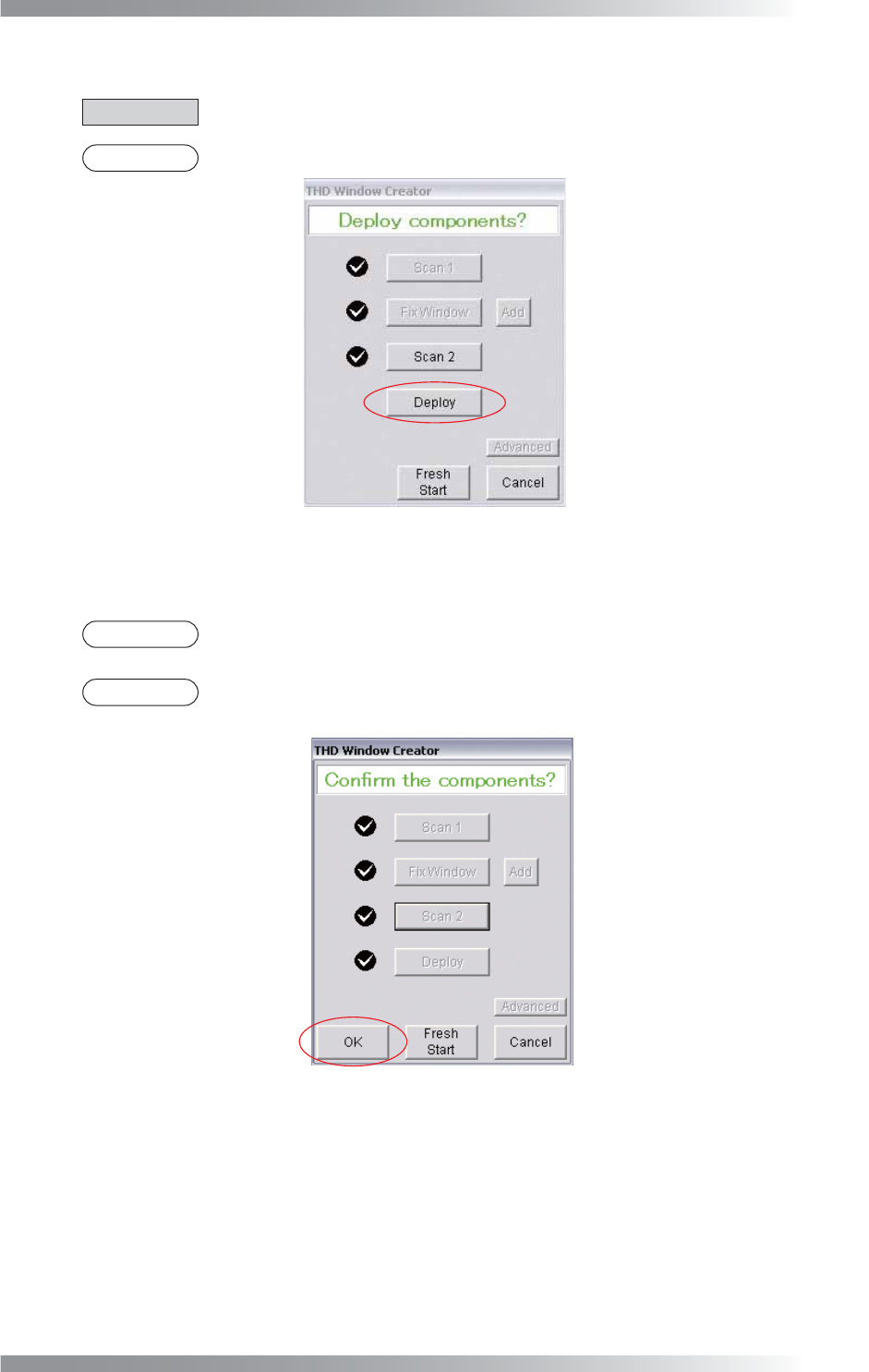
Step9: Press Deploy. The inspection data is automatically extracted.
CAUTION
Delete unnecessary inspection data.
NOTE
Images can be retaken by pressing Scan2 until Deploy is pressed.
Figure 3-10 Deploy
Step10: Press OK to confi rm the inspection data.
NOTE
If Fresh Start is pressed, the screen goes back to Step2 after deleting inspection data
without deleting area windows.
NOTE
If Cancel is pressed, THD Window Creator will close after deleting area windows and
inspection data.
Figure 3-11 Confi rm the component
V-38
Programming Manual
Part V Other Function
3.3 Advanced
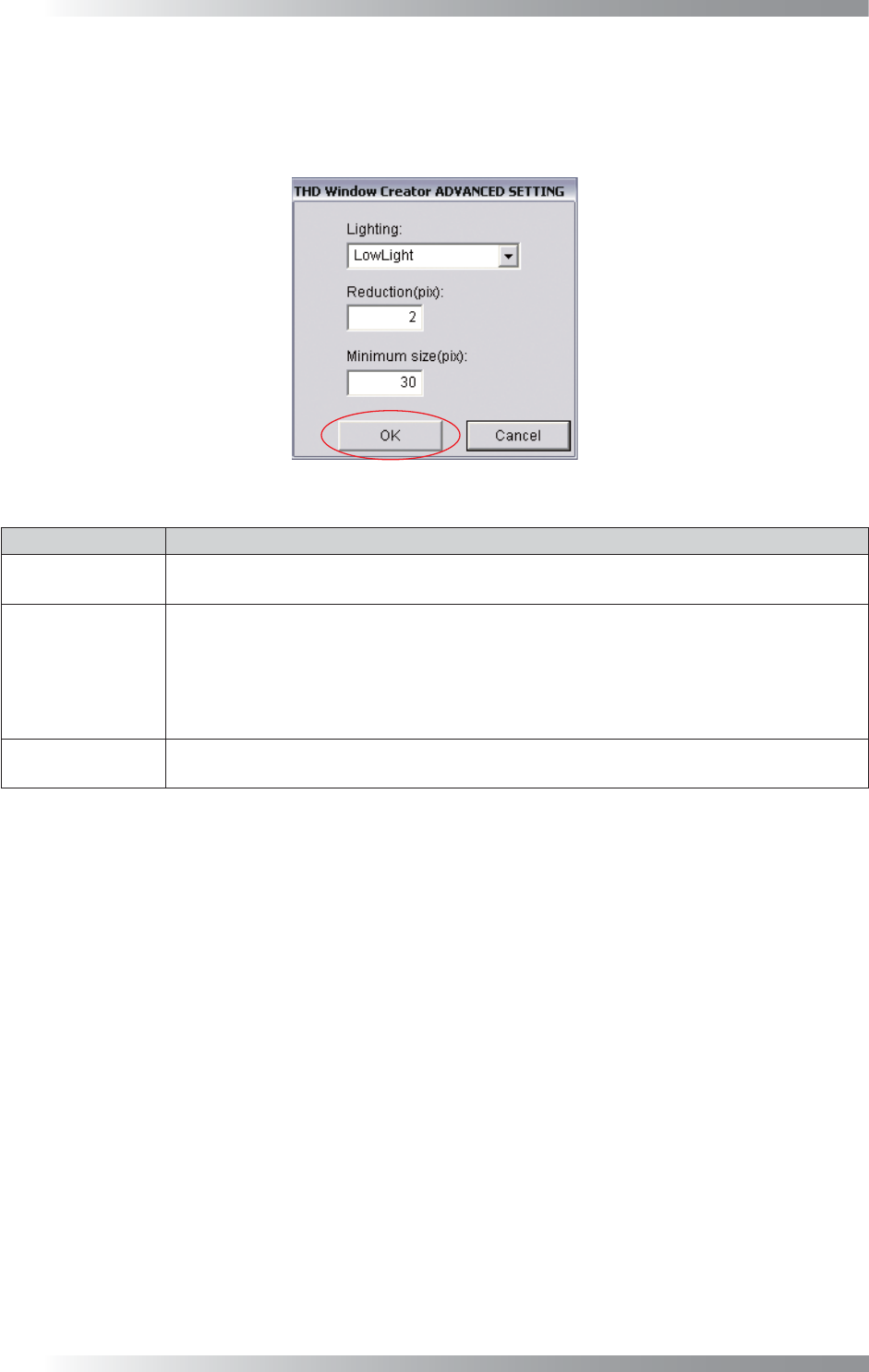
In case inspection data is not appropriately extracted or there is not enough memory, use Advance.
Press Advance in Figure 3-11 and the dialog shown in Figure 3-12 appears. After all the settings are
completed, press OK.
Figure 3-12 Advanced
Item Description
Lighting
Select the lighting for detecting the difference between the images of the bare PCB and
assembled PCB. Default is LowLight.
Reduction(pix)
Set the image compression rate. This is effective when reducing the memory usage on a PC.
However, images become grainy.
If set to 1, images are not compressed.
If set to 2, images are compressed to 1/4.
If set to 3, images are compressed to 1/9.
Default is 2.
Minimum size(pix)
The minimum sizes of the length and width of the inspection target. If the inspection target
size is smaller than Minimum size, the inspection data cannot be extracted. Default is 30.
Table 3-1 Advanced
V-39
Programming Manual
Part V Inspection Data
4 FUJIYAMA
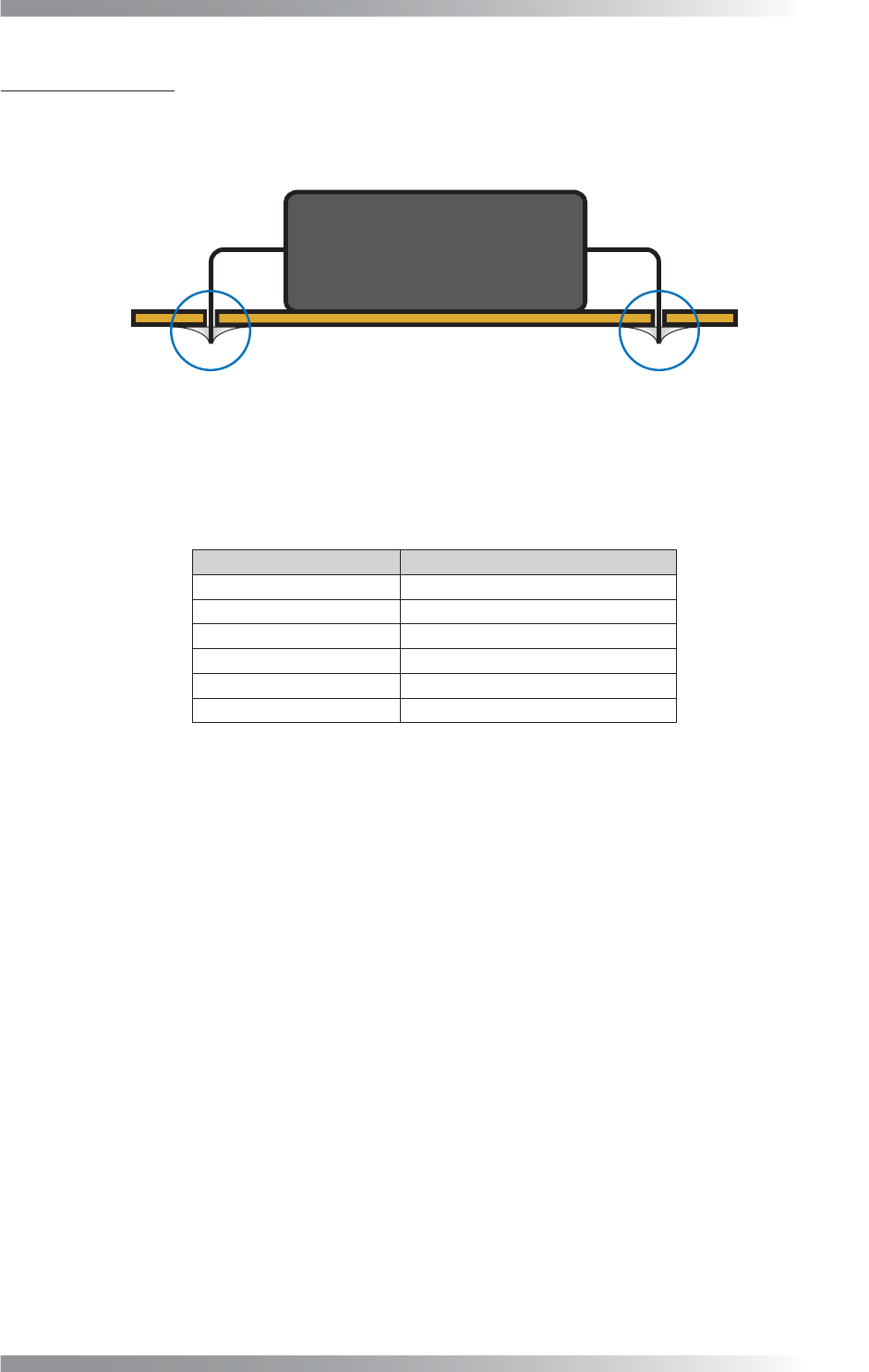
FUJIYAMA is the algorithm for a solder side inspection of discrete components.
FUJIYAMA can be used in fare-paying software.
Figure 4-1 FUJIYAMA
4.1 Inspection Overview
FUJIYAMA is the algorithm to inspect copper, hole, pin, fi llet, and bridge in one inspection window.
Inspection Item Defect
Copper Inspection Pad exposure
Pin Hole Inspection Hole in solder part
Straight Pin Inspection No pin
Clinch Pin Inspection No pin
Fillet Inspection Too much solder, Too little solder
Bridge Inspection Bridge
Table 4-1 Inspection Item and Defect