operation-cp45.pdf - 第158页
Samsung Component Placer CP-45F(V)/FS Operations Manual 11-4 Teach the second point of two points on the sam e horizontal or vertical line on the PCB. When the “ Enter ” key is pressed after teach ing, the following scre…
PCB Edit Command
11-3
It is activated when there is fiducial mark data.
This button is used to teach the initial theta of PCB. When this button is clicked
on, the following screens are displayed in succession.
When teaching the initial theta of PCB, teach two points on the same horizontal
or vertical line, then the initial theta of the PCB is calculated automatically.
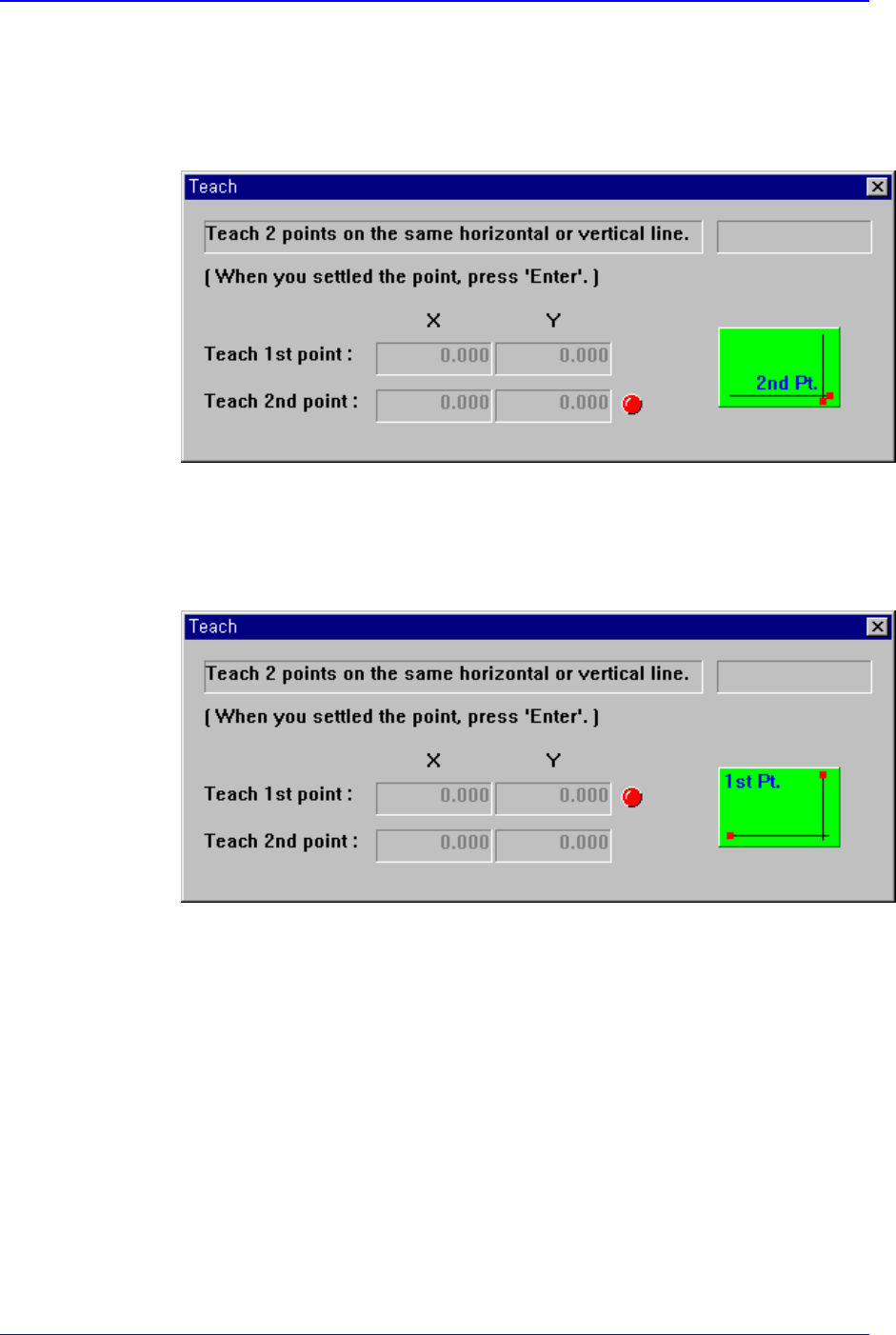
Figure 11-5 Screen showing the first point teaching
Teach the first point of the two points on the same horizontal line or vertical line
on the PCB. When the “Enter” key is pressed after teaching, the following screen
is displayed.
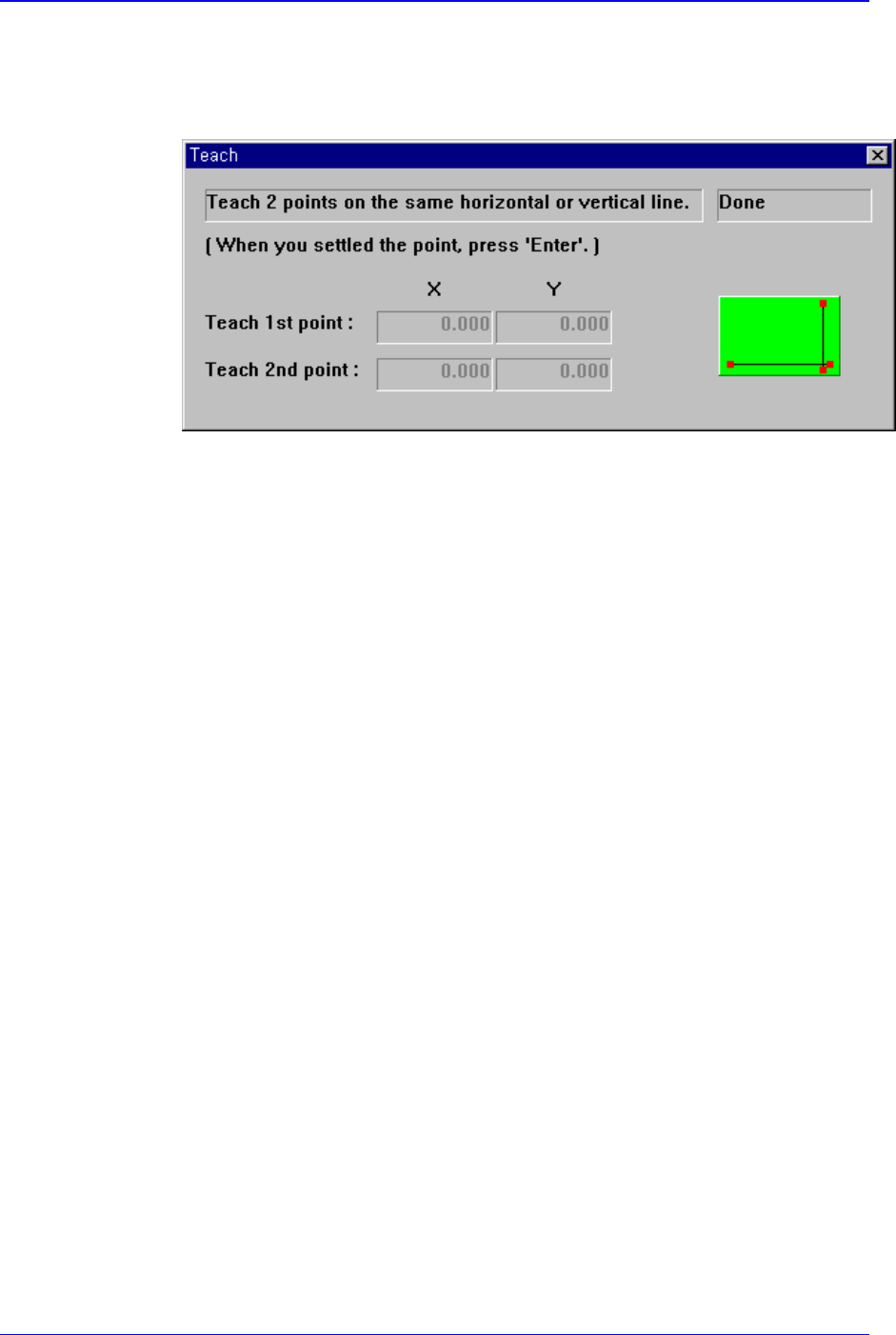
Figure 11-6 Screen showing the second point teaching
Samsung Component Placer CP-45F(V)/FS Operations Manual
11-4
Teach the second point of two points on the same horizontal or vertical line on
the PCB. When the “Enter” key is pressed after teaching, the following screen is
displayed.
Figure 11-7. Screen showing completion of teaching operation
After teaching the two points, press “Enter” to complete the initial theta teaching
operation.
<5. Place Origin> group
Set the placement origin of PCB. This origin is defined by the offset from the PCB
origin of the system to the placement origin of PCB.
<Origin X> edit box
Set the X value of the placement origin of PCB.
<Origin Y> edit box
Set the Y value of the placement origin of PCB.
Click on <Origin X> or <Origin Y>, then click on the “Move” or “'Get” button in
the <8. Teach> group, then you can teach the selected device as the placement
origin .
<6. Teach> group
Used to move the XY, and Z axes of the equipment to the specified position or to read
in the current position of the XY and Z axes.
<Device> combo box
To move or to read in the current position of the XY and Z axes, select the
corresponding device. Available devices are as follows.
Move Cam: Selects Teaching Camera.
Head1: Selects Head1.
Head2: Selects Head2.
Head3: Selects Head 3.
Head4: Selects Head 4.
Head5: Selects Head 5.
Head6: Selects Head 6.
Beam: Selects the Beam.
<Move> button
PCB Edit Command
11-5
Moves the XY and Z axes to the device specified in <Device>. At this time, the
position value to be read is the origin or Move Z. Before executing “Move”, the
edit box corresponding to the desired position value must be clicked on with a
mouse.
<Get> button
Reads in the current position of the XY and Z axes of the device selected in
<Device>. At this time, the target position value to get is the origin or Move Z,
before executing “Get”, the edit box corresponding to the desired position must
be clicked on with a mouse.
<7. Board Size> group
Set the board size.
<X> edit box
Set the X value of PCB size
<Y> edit box
Set the Y value of PCB size.
<Z> edit box
Set the Z value(thickness) of PCB size.
The sizes of PCB applicable for this equipment are as follows.
Front side conveyor fixed
Max: 460L×400W×4.2H [ mm ]
510.0mm (x-axis) x 460.0mm (y-axis) – Factory Option
Min: 50L×50W×0.38H [ mm ]
The maximum PCB size could differ according to the options.
20 stages Tray Feeder : 460 × 350 (2Tray / 1Pallet) , 460 × 400 (1Tray / 1Pallet)
24 stages Tray Feeder : 460 × 300 (1Tray / 1Pallet)
Rear side conveyor fixed
Max: 410L×360W×4.2H [ mm ]
Min: 50L×50W×0.38H [ mm ]
The maximum PCB size could differ according to the options.
20 stages Tray Feeder : 460 × 300 less
24 stages Tray Feeder : 460 × 270 less
<8. Handling> group
Set the data necessary for PCB operation.
<Fix Type> combo box
Memo