IPC-TM-650 EN 2022 试验方法.pdf - 第782页
1.0 Scope 1.1 To determine the effects of subjecting connectors to mating and unmating cycles simulating the expected life. 2.0 Reference Documents 2.1 Information in this section is intended to parallel the test method …

1.0 Scope
1.1
To determine the mechanical strength of the crimped
contact-to-conductor joint.
2.0 Reference Documents
2.1
Information in this section is intended to parallel the test
method described in EIA-RS-364/TP-08.
3.0 Test Specimen
3.1
A contact and conductor crimped together with the
specified tool.
NOTE:
A contact may be crimped to both ends of the con-
ductor to facilitate fixturing.
4.0 Apparatus
4.1
Clamps, jaws, or other means to hold the contact and
conductor.
4.2 A force measuring device capable of measuring the
specified forces at a rate of travel of 1 ± 1/4 inch per minute.
5.0 Procedure
5.1
The sample shall be mounted in the tensile tester and an
axial force sufficient to rupture the contact-to-conductor crimp
shall be applied. The peak force required to separate the con-
tact from the conductor shall be recorded and shall not be
less than the minimum specified crimp tensile strength as
defined in the individual contact or connector specification for
the particular wire size under test.
5.2 The tested sample shall be visually examined for distor-
tion of the crimp barrel or area to the extent that it is unfit for
further use. The condition of crimp failure shall be noted as
one of the following:
1. Slip (pull-out)
2. Conductor broken within crimp area or immediately adja-
cent to the crimp area (including any strain relief).
6.0 Notes
6.1
Acceptance criteria shall be established as the minimum
acceptable mechanical strength of the crimped connection as
defined by the individual contact or connector specification.
2215 Sanders Road
Northbrook, IL 60062-6135
IPC-TM-650
TEST METHODS MANUAL
Number
3.3
Subject
Crimp Tensil Strength, Connectors
Date
7/75
Revision
A
Originating Task Group
N/A
Material in this Test Methods Manual was voluntarily established by Technical Committees of the IPC. This material is advisory only
and its use or adaptation is entirely voluntary. IPC disclaims all liability of any kind as to the use, application, or adaptation of this
material. Users are also wholly responsible for protecting themselves against all claims or liabilities for patent infringement.
Equipment referenced is for the convenience of the user and does not imply endorsement by the IPC.
Page1of1
ASSOCIATION CONNECTING
ELECTRONICS INDUSTRIES

1.0 Scope
1.1
To determine the effects of subjecting connectors to
mating and unmating cycles simulating the expected life.
2.0 Reference Documents
2.1
Information in this section is intended to parallel the test
method described in EIA-RS-364/TP-09.
3.0 Test Specimen
3.1
One piece connector
3.1.1 A connector (plug and receptacle) complete with all
applicable guide, keying and engaging hardware or a card
edge receptacle.
3.2 Two piece connector
3.2.1 A connector (header and receptacle or plug and
receptacle) complete with all applicable guide, keying and
engaging hardware and appropriate flat cable.
3.3 Unless otherwise specified in the individual connector
specification, the test samples (or engaging hardware) shall
not be lubricated or otherwise coated prior to test.
4.0 Apparatus
4.1
One piece connector.
4.1.1 Test blade as shown in Figure 1 to simulate a mating
printed wiring board of maximum thickness for card edge (one
piece) connector.
4.2 Two piece connector.
4.2.1 The mating connector shall be used to test for dura-
bility of two piece connectors.
4.3 Clamps, jaws, or other means to hold the receptacle
and plug or test blade.
4.4 Automatic or semi-automatic tester to mate and unmate
the connector at the specified rate.
NOTE:
While manual cycling of the connectors is permitted,
proper alignment and orientation is most readily maintained in
a mechanical device specifically designed for this test.
5.0 Procedure
5.1
The sample shall be mounted in the tester, carefully
aligned and fully mated and unmated for the number of cycles
specified in the individual connector specification.
5.2 Unless otherwise specified in the individual connector
specification, the cycling rate shall be 200 to 600 cycles per
hour and no electrical load shall be applied to the samples
during the test.
5.3 At the intervals specified in the individual connector
specification, inspections or tests may be performed.
5.4 After completion of the specified number of cycles, the
sample shall be visually examined for evidence of the follow-
ing which may be excessive or detrimental to the function of
the connector.
A. Wear on engaging hardware.
B. Uneven wear, galling, or removal of plating on contacts,
guide hardware, etc.
C. Free metal chips in the contact area.
D. Displaced, bent, or broken contacts.
E. Pierced resilient inserts or broken or chipped hard dielec-
trics.
6.0 Notes
6.1
Acceptance criteria shall be established in terms of one,
or any combination of the following: (See 5.3)
A. The maximum allowable total mating force during the test.
B. The minimum individual contact separation force during or
after the test.
C. The maximum allowable change in contact resistance
after the test.
D. The degree and criticality of wear and/or component dam-
age resulting from the test.
2215 Sanders Road
Northbrook, IL 60062-6135
IPC-TM-650
TEST METHODS MANUAL
Number
3.4
Subject
Durability, Connectors
Date
1/83
Revision
B
Originating Task Group
N/A
Material in this Test Methods Manual was voluntarily established by Technical Committees of the IPC. This material is advisory only
and its use or adaptation is entirely voluntary. IPC disclaims all liability of any kind as to the use, application, or adaptation of this
material. Users are also wholly responsible for protecting themselves against all claims or liabilities for patent infringement.
Equipment referenced is for the convenience of the user and does not imply endorsement by the IPC.
Page1of2
ASSOCIATION CONNECTING
ELECTRONICS INDUSTRIES
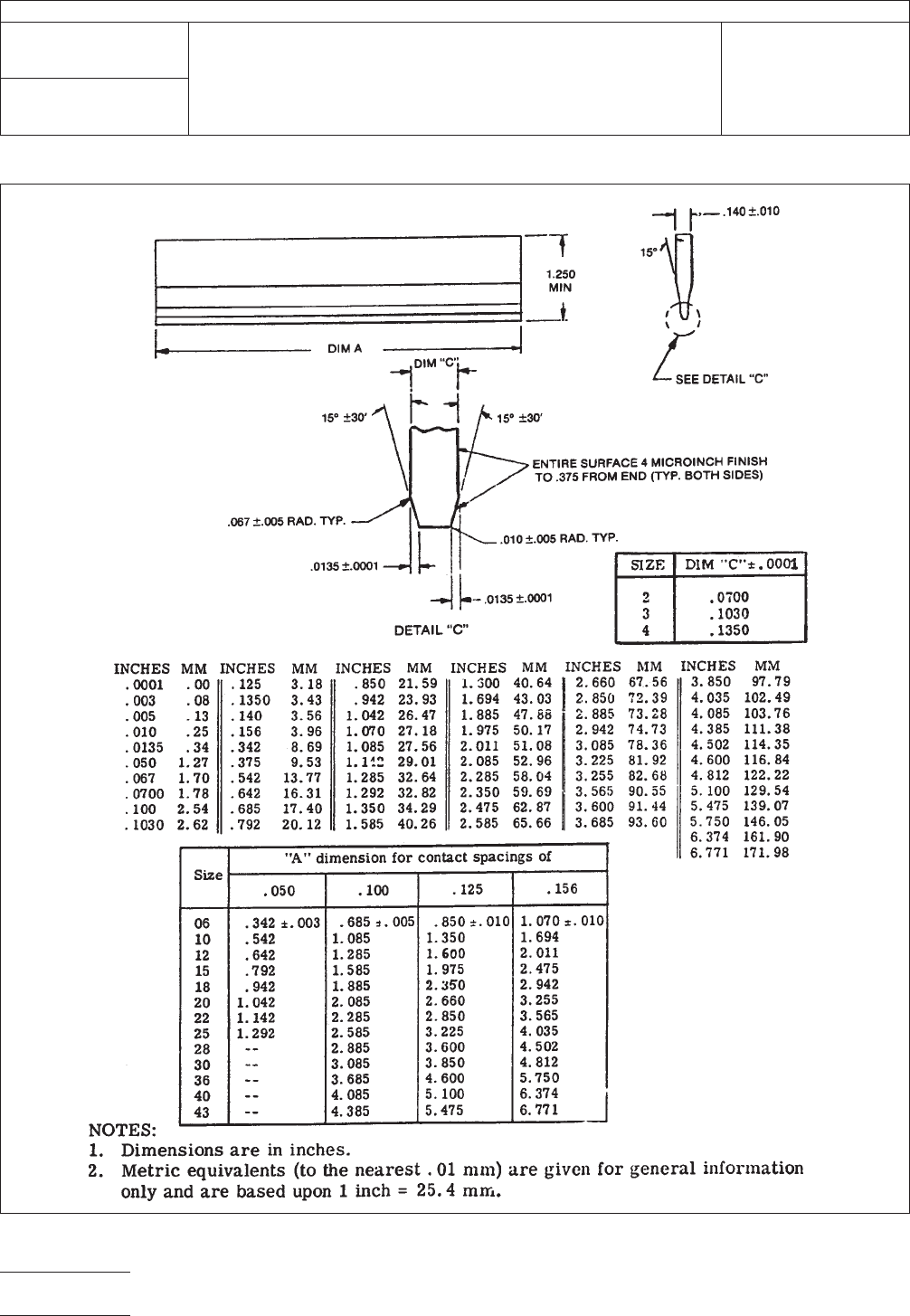
Figure 1 One Piece Edge Connector Mechanical Gages
IPC-TM-650
Number
3.4
Subject
Durability, Connectors
Date
1/83
Revision
B
Page2of2