RS-1_instruction manual.pdf - 第632页
Pa r t 2 D et ai l ed Des c r i pt i o n of Ea c h F unc t i o n Chapte r 6 G e neral - Purpose Vision Co mpone nt 6-1 Chap ter 6 General - Pur pos e Vis ion Co mponent Gener al - Pur po se V i si on C om po ne nt s 6.1 …

Part 2 Detailed Description of Each Function
Part 2 Detailed Description of Each Function
Chapter 6 General-Purpose Vision Component ................................. 6-1
Chapter 7 Operation Option ............................................................... 7-1
Chapter 8 Machine Setup ................................................................... 8-1
Chapter 9 Manual Control................................................................... 9-1
Chapter 10 Machine Management Information .................................. 10-1
Chapter 11 Self-diagnosis Function ................................................... 11-1
Chapter 12 Handling the Optional Devices ........................................ 12-1
Chapter 13 Supplementary Information
for Creating a Production Program.................... 13-1
Part 2 Detailed Description of Each Function Chapter 6 General-Purpose Vision Component
6-1
Chapter 6 General-Purpose Vision Component
General-Purpose Vision Components 6.1
Overview of a general-purpose vision component 6.1.1
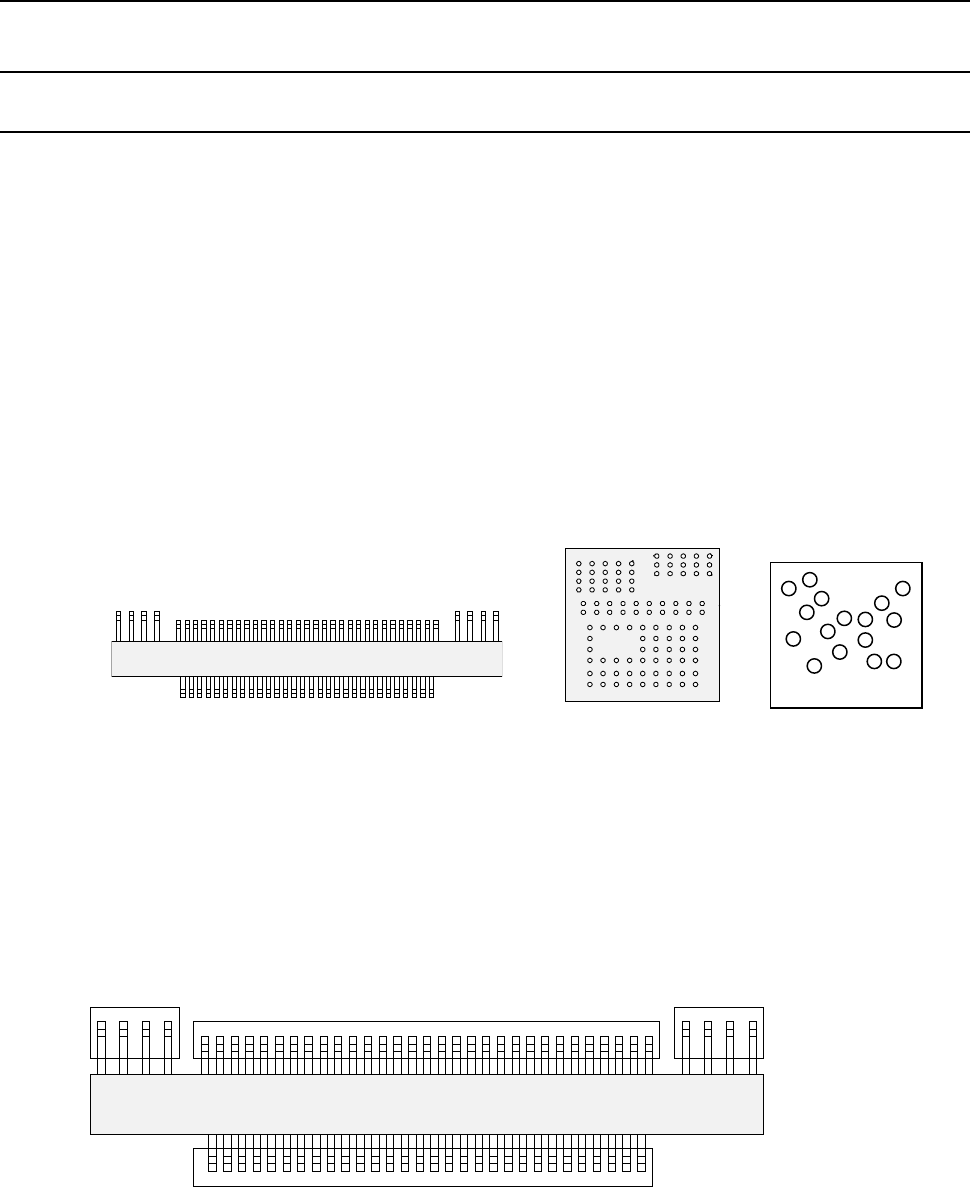
The following types of components are handled as a general-purpose vision component
- Components having multi-pitch leads, components having various sized leads, and
components having leads at not-regulated positions (these components are called
“multi-lead” components.)
- Area array components having two or more arrays (called “complex array components.)
- Components having balls/lands on not-regulated positions (called “random component”.)
- Components having a side or corner (outline-recognition components)
• The components above are classified into the following sub-component types:
− Multi-lead component: Lead component group
− Complex array component and random array components: Ball component group
− Outline-recognition component: Outline-recognition component group
A group of the same recognition elements is called an “element group.” In other words, an
element indicates a lead or a ball, and an element group indicates a group of elements of the
same size (leads or balls).
For a general-purpose vision component, a group of elements that are arranged in the same
manner is handled as one element group. By defining each element group, the system can
obtain the center of the component. A general-purpose vision component shown in Figure
consists of four element groups.
ボール部品類(複合アレイ部品
)
リード部品類(マルチリード部品)
Ball component group
(Complex array component)
Lead component group (Multi-lead component)
トップビュー
Fourth element group
Third element group
Second element group
First element group
Top view
Top view
Bottom view
ランダム配置部品
Random component
Part 2 Detailed Description of Each Function Chapter 6 General-Purpose Vision Component
6-2
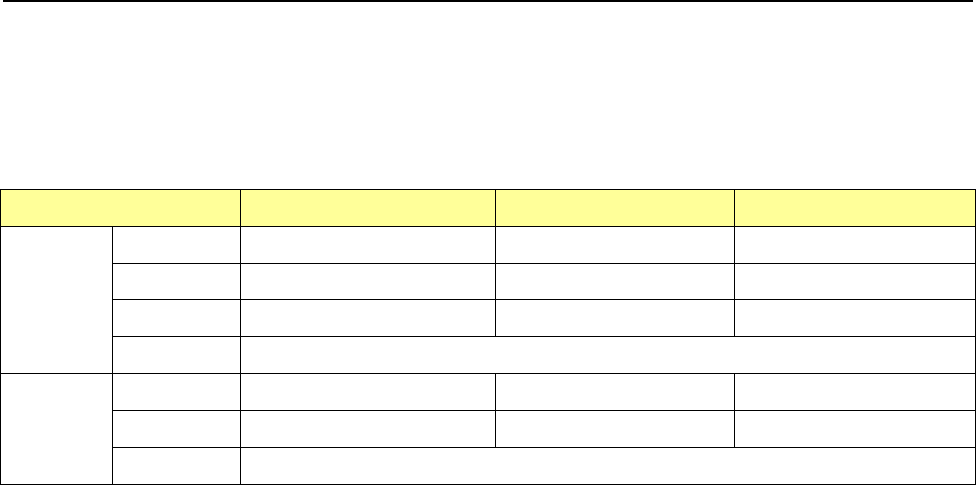
Specifications of a general-purpose vision component 6.1.2
(1) Quantity
- Up to 20 element groups can be defined per component.
- Only one element can be specified per element group.
(2) Dimensions
Component type
54mm view camera
27mm view camera
10mm view camera
Lead
Pitch
0.50 to 22.0mm
0.3 to 11.0mm
0.2 to 4.00mm
Width
0.22 to 10.00mm
0.12 to 5.00mm
0.12 to 1.80mm
Length
0.40 to 10.00mm
0.20 to 5.00mm
0.20 to 1.80mm
Number
1 to 384pcs / 1 element group
Ball
Pitch
1.00 to 22.0mm
0.25 to 11.0mm
0.10 to 4.00mm
Diameter
0.40 to 5.00mm
0.10 to 2.50mm
0.04 to 0.20mm
Number
3 to 6936pcs / 1 element group
(3) Shape and size specifications of an outline-recognition component group
- The specifications of the corner/side shape are the same as those of the
outline-recognition component group.
(See “*Recognizing conditions for outline recognition components” of Section 4.3.5.2
(12) “Vision data” 13) “Outline-recognized component.”)
- A filled circle and square marks can be used.
A mark whose size is from 2 mm to 10 mm can be recognized with the VCS (54mm
view).