semi合集-English.pdf - 第1520页
SEMI E32-0997 © SEMI 1994 , 1997 15 Table 4.1 Tr ansfer Job State Transition Table # Current St ate Tri gger New State Action(s) Comme nt 1 (Transfer Job Created) The equi pment accepts a Tran sfer Job fr om the host. TR…

SEMI E32-0997 © SEMI 1994, 1997 14
TRANSFER, ATOMIC TRANSFER ACTIVE,
RESTORE, and AWAIT JOB COMPLETION.
SELECT ATOMIC TRANSFER
In this state, the next atomic transfer for this port is
selected. Any prerequisites for the atomic transfer are
checked (e.g., is material XYZ in Port A, Location 1).
Atomic transfers are executed sequentially per port
(except as noted in Section 4.1.7 under Atomic Transfer
Sequencing Guidelines).
Prior to exiting this state, the port resources for the
selected atomic transfer are allocated.
If no atomic transfer is ready for selection (e.g., the port
resources are not available), the transfer job shall
remain in this state, awaiting a change in conditions
which would allow an atomic transfer to be selected.
ATOMIC TRANSFER ACTIVE
In this state, the next atomic transfer for this port is
executed. See the atomic transfer state model for details
on this process.
RESTORE
While in the RESTORE substate, the equipment shall
perform any necessary post–transfer operations to
return the port to the desired idle condition. These tend
to be physical activities. No physical actions are
required for restore, but some mechanism for
determining port status is recommended.
The setup
7
and restore operations are expected to be
“goal oriented,” that is, oriented toward satisfying
specific conditions (e.g., states such as “door open”).
They should not depend on a fixed sequence of actions
such as “initiate the door opening mechanism.” Thus, a
port left in a post–transfer condition from a previous
atomic transfer would still be able to prepare properly
for the next.
When queuing is allowed, the equipment may provide a
look ahead capability so it may alter its restore phase to
better accommodate the next transfer job. Such
functionality is not required.
AWAIT JOB COMPLETION
In this substate, all atomic transfers on this port for the
transfer job have completed. The transfer job continues
to exist until all ports have completed their atomic
transfers and restore operations. If only one port is
used, this state will be occupied only briefly.
The following transition table defines the transitions
between states for the transfer job state model. It
applies to Figures 4.4 and 4.5.
7 Setup is more fully described in Section 4.2.3.
SEMI E32-0997 © SEMI 1994, 199715
Table 4.1 Transfer Job State Transition Table
# Current State Trigger New State Action(s) Comment
1 (Transfer Job
Created)
The equipment accepts a Transfer
Job from the host.
TRANSFER JOB
QUEUED
Place the transfer job in
the queue.
None.
2 TRANSFER JOB
QUEUED
Necessary material locations have
been allocated to transfer job and
any equipment-specific
prerequisites met.
TRANSFER JOB
ACTIVE
Remove the transfer job
from the queue. Send
“Transfer Job Started”
message.
None.
3 Any... Default entry into the PORT A (or
PORT B, etc.) state
SELECT ATOMIC
TRANSFER
All atomic transfers are
queued (by port).
None.
4 SELECT ATOMIC
TRANSFER
Atomic transfer selected for
execution on this port.
ATOMIC
TRANSFER
ACTIVE
Cause selected atomic
transfer to transition from
queued to setup.
See Sec. 4.2.3
for the atomic
transfer state
model.
5ATOMIC
TRANSFER
ACTIVE
Atomic transfer complete event
from the atomic transfer state
model.
SELECT ATOMIC
TRANSFER
None. None.
6 SELECT ATOMIC
TRANSFER
No atomic transfers remain for this
port.
RESTORE None. None.
7 RESTORE Port returned to desired idle
conditions.
AWAIT JOB
COMPLETION
None. None.
8 TRANSFER JOB
ACTIVE
All atomic transfers for the transfer
job are completed.
(Transfer Job
Complete)
Send “Transfer Job
Complete” message.
None.
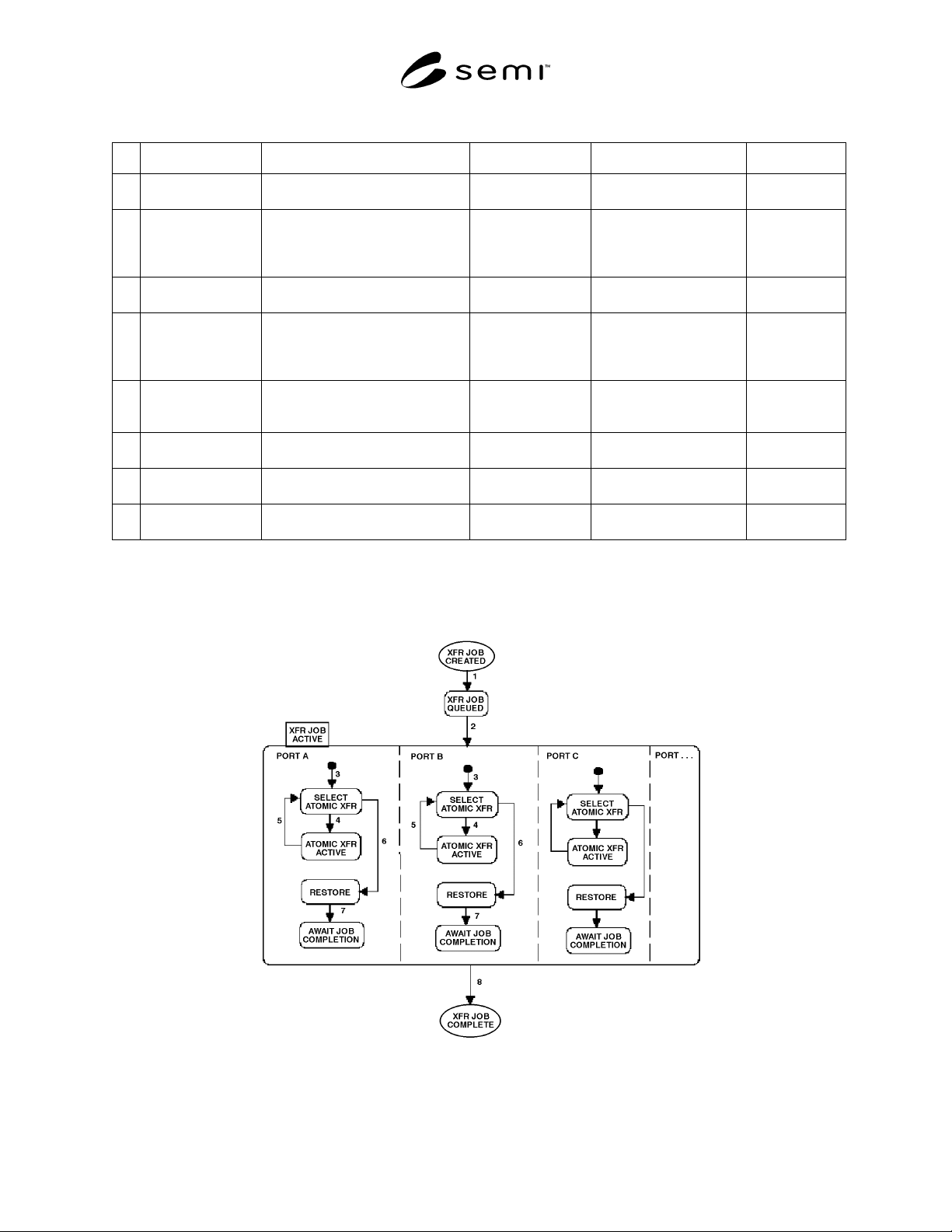
Figure 4.5 begins with the model in Figure 4.4 and is expanded to cover a transfer job with multiple ports. Each
transfer job, as seen by the equipment, may include from one port to the total number of ports on the equipment.
Figure 4.5
Transfer Job State Model for Multiple Ports
SEMI E32-0997 © SEMI 1994, 1997 16
4.2.3 Atomic Transfer State Model — When a transfer
job becomes active, it creates a queue of atomic
transfers for each port (see Transition 2 of the transfer
job state model). These atomic transfers are executed as
described in the transfer job state model above. This
section describes the behavior of the atomic transfer as
it is created, executed, and finally deleted.
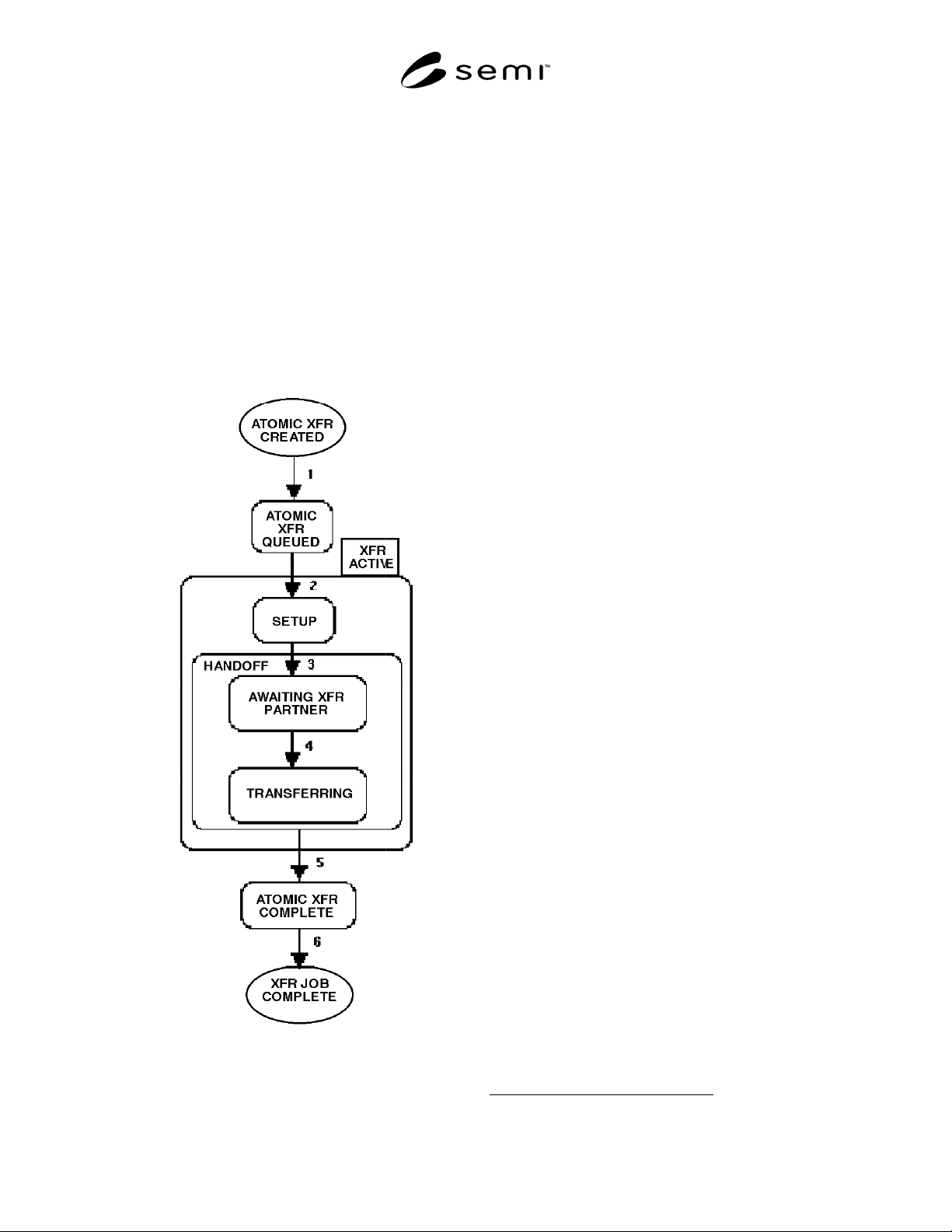
Figure 4.6 shows the state model for an atomic transfer
as it moves through its life cycle. Each atomic transfer
of an active transfer job is represented by a separate
copy of this state model. These state models are not
substates of the transfer job state model. Rather,
transfer job and atomic transfers are separate entities
which interact.
Figure 4.6
Atomic Transfer State Diagram
The definitions for the states and state transitions
follow.
ATOMIC TRANSFER QUEUED
In this state, the atomic transfer is awaiting its turn to
execute at the port.
TRANSFER ACTIVE
In this state, the transfer job has activated this atomic
transfer. The atomic transfer is performed entirely
within this state. The substates of TRANSFER
ACTIVE are SETUP and HANDOFF.
The TRANSFER ACTIVE state in this model
corresponds to the ATOMIC TRANSFER ACTIVE
state in the transfer job state model. Thus, when the
transfer job activates an atomic transfer on a port, both
state models shall be in the (ATOMIC) TRANSFER
ACTIVE state during the atomic transfer. This applies
only to the specific atomic transfer being performed.
SETUP
While in the SETUP substate, the equipment performs
any pre–transfer setup operations necessary for the
current atomic transfer. These operations might include
(but are not limited to) opening doors, unclamping
carriers, and homing elevators. For transfer agents, it is
reasonable to include as part of the setup such actions
as a transfer agent moving into position near a specified
process equipment.
The setup and restore
8
operations are expected to be
“goal oriented,” that is, oriented toward satisfying
specific conditions (e.g., states such as “door open”).
They should not depend on a fixed sequence of actions
such as “initiate the door opening mechanism.” Thus, a
port left in a post–transfer condition from a previous
atomic transfer would still be able to prepare properly
for the next.
If no setup time is required for the transfer, this state
may be exited immediately. This is the case for a static
port since it can perform no physical actions related to
setup.
HANDOFF
The equipment is committed to the transfer when no
setup operations remain and the port is capable of
performing the transfer. Entry into the HANDOFF state
indicates that the port shall take no further action
without the (expressed or implicit) cooperation of its
transfer partner. Both transfer partners shall be in the
HANDOFF state when the atomic transfer begins.
8 Restore is described in Section 4.2.2.