semi合集-English.pdf - 第3383页
SEMI E132.1-0305 © SEMI 2005 10 Table 7 Exa mple Operation Binding Table SOAPAction <the SOAPAction HTTP header value to be used for this op eration> Input Headers (WSDL Message, Required) <the name of the WSDL …
SEMI E132.1-0305 © SEMI 2005 9
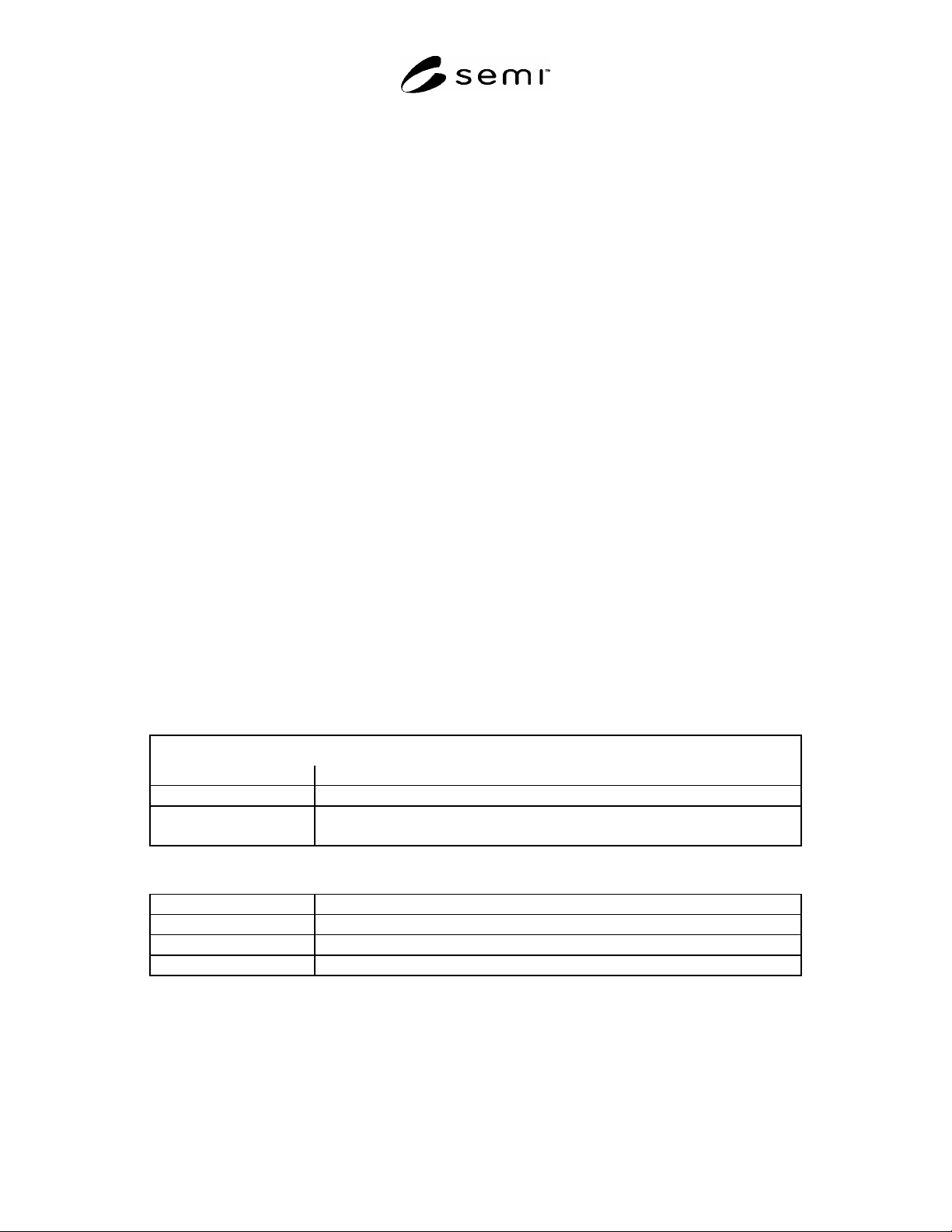
<xs:element name="Parent">
<xs:complexType>
<xs:sequence>
<xs:element name="Child1"/>
<xs:complexType>
<xs:sequence minOccurs="0">
<xs:element name="Child1a"/>
<xs:element name="Child1b" maxOccurs="unbounded"/>
<xs:element name="Child1c" minOccurs="0"/>
</xs:sequence>
</xs:complexType>
</xs:element>
<xs:element name="Child2">
<xs:complexType>
<xs:choice maxOccurs="2">
<xs:element name="Child2a"/>
<xs:element name="Child2b"/>
<xs:element name="Child2c"/>
</xs:choice>
</xs:complexType>
</xs:element>
<xs:element name="Child3">
<xs:complexType>
<xs:all>
<xs:element name="Child3a"/>
<xs:element name="Child3b"/>
</xs:all>
</xs:complexType>
</xs:element>
</xs:sequence>
</xs:complexType>
</xs:element>
Figure 2
XML for Sample
6.5 Translating UML to WSDL
6.5.1 In general, UML interface classes defined in the abstract specification are translated into WSDL as portType
definitions, and each portType definition has a corresponding WSDL binding definition. The following tables show
the convention used for documenting the WSDL port type and binding definitions for a given UML interface class.
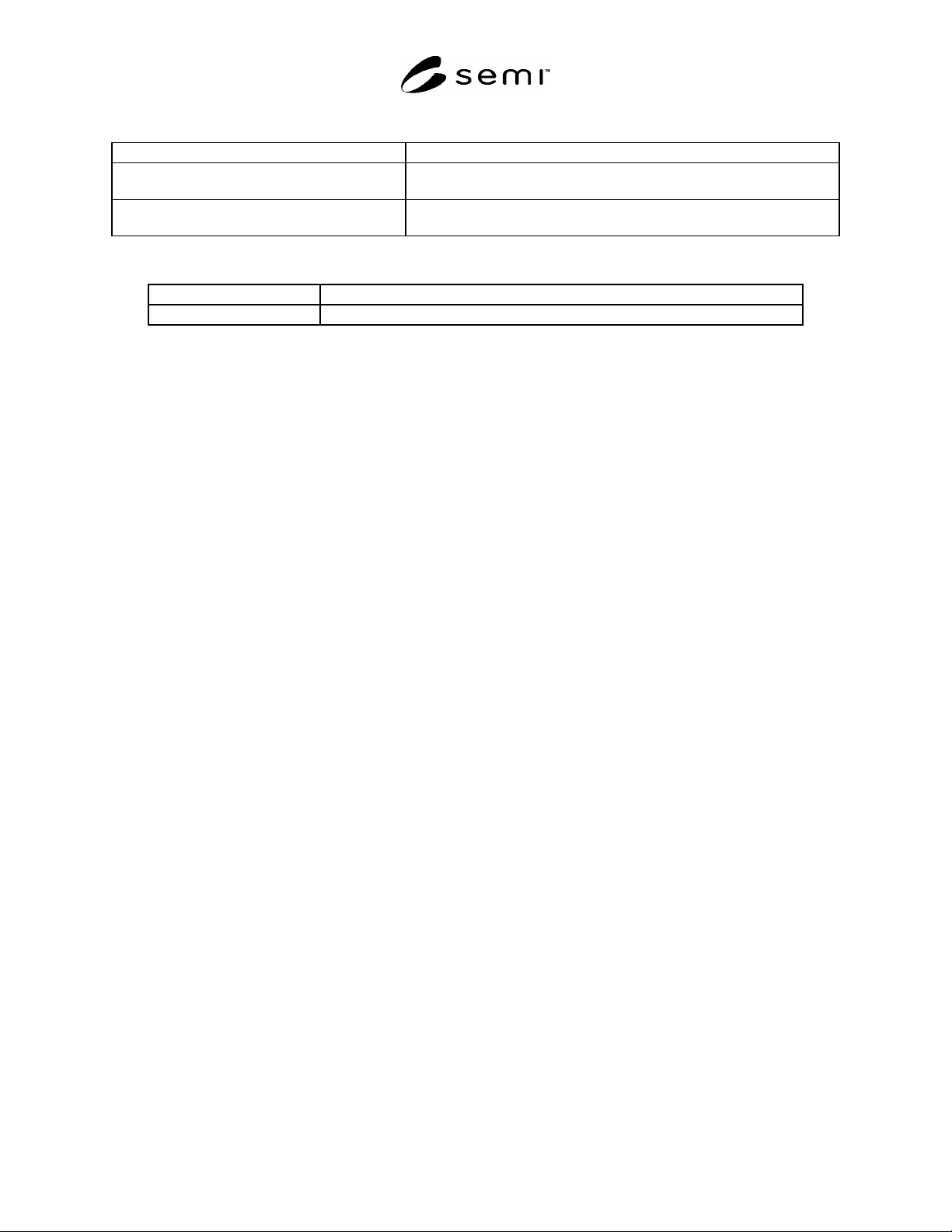
Table 5 Example Interface WSDL Port Type Table
Class Name <UML interface name from abstract specification>
WSDL Port Type Name <port type name used in WSDL>
SEMI E125 Operation
WSDL Operation
<operation name from UML interface>
<WSDL port type operation name>
Table 6 Example Interface WSDL Binding Table
SEMI E125 Class Name <UML interface name from abstract specification>
WSDL Binding Name <binding name used in WSDL>
SOAP Binding Style <RPC or document>
SOAP Transport <transport identifying URI>
6.5.2 Each operation defined for a given UML interface class has a corresponding operation definition and binding.
Operations are described using a table format illustrated by Table 7 and Table 8.
SEMI E132.1-0305 © SEMI 2005 10
Table 7 Example Operation Binding Table
SOAPAction <the SOAPAction HTTP header value to be used for this operation>
Input Headers (WSDL Message, Required)
<the name of the WSDL message providing input headers, and whether or
not the headers are required>
Output Headers (WSDL Message, Required)
<the name of the WSDL message providing output headers, and whether or
not the headers are required>
Table 8 Example PortType Operation Table
Input Message Name <WSDL message name used as input for the WSDL port type operation>
Output Message Name <WSDL message name used as output for the WSDL port type operation>
7 SEMI E132 Authentication Mapping to SSL
7.1 SSL Overview
7.1.1 This section describes the use of SSL security protocol and supporting technology to implement the
authentication scheme described in SEMI E132. SSL is application protocol independent and transparently supports
any higher layered transport protocols such as SOAP over HTTP.
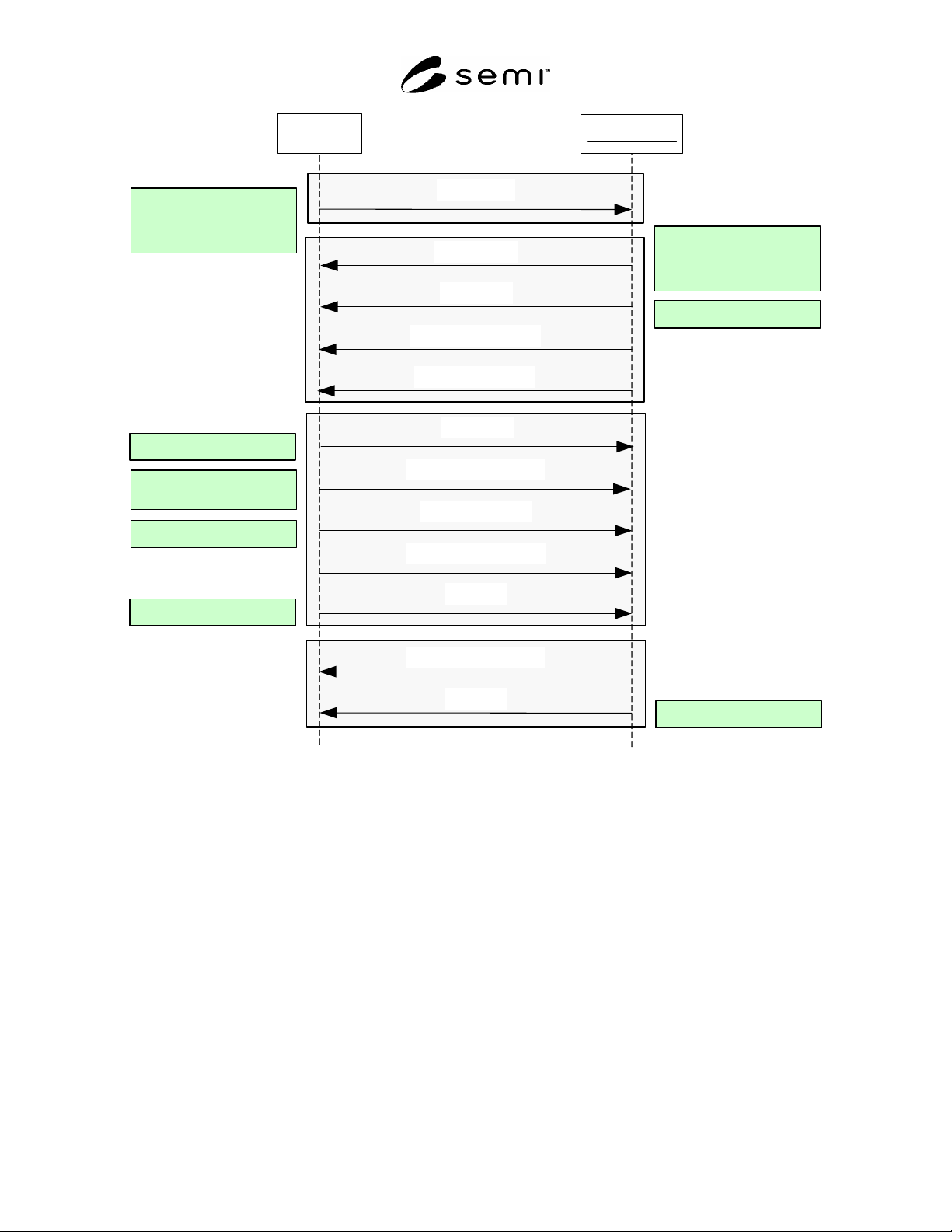
7.1.2 Figure 3 presents the basic message flow (handshake) of SSL to establish a secure connection and how it
maps to the SEMI E132 authentication messages, please refer to the SSL documentation referenced in ¶4.4 for
complete specification on SSL. This specification defines several restrictions on the capabilities of SSL to the
minimum necessary to support SEMI E132 authentication. These restrictions are described in more detail in the
following section.
7.1.3 SEMI E132 Restrictions on SSL
7.1.3.1 X.509 v3 public key certificates as defined by RFC 2459 must be used to establish equipment and client
identities, see X.509 documentation referenced in ¶4.4 for complete details of X.509 structure and content. The
certificate is sent when required during the SSL handshake.
7.1.3.2 Mutual authentication is required. Equipment shall always send its certificate and request for the client’s
certificate as part of the SSL handshake. Correspondingly, client will send its own certificate and the certificate
verify message to equipment to allow client authentication.
SEMI E132.1-0305 © SEMI 2005 11
Client
Equipment
ClientHello
ServerHello
Certificate
CertificateRequest
Certificate
ClientKeyExchange
CertificateVerify
ChangeCipherSpec
ServerHelloDone
Server public key certificate
Key Parameters:
session id
server random data
selected algorithms
Key Parameters:
protocol version
client random data
supported algorithms
Client public key certificate
session secret encrypted
with server's public Key
Client signature
ChangeCipherSpec
Finished
Finished
Sent under new algorithms
Sent under new algorithms
Session Request
Equipment Challenge
Client Authenticate
Equipment ACK
Figure 3
SSL Basic Handshake Flow
7.2 Credentials and Digital Certificates
7.2.1 Overview
7.2.1.1 X.509 certificates shall be used to establish identities for equipment and application clients. The certificate
is used by SSL for authentication and to establish secure connections between equipment and clients. An illustration
of the SEMI E132.1 security credentials showing role of certificates and ACL is presented in Figure 4. As shown,
an X.509 certificate binds an ID to a public key, managed by an agent called the CA described in following sections.
An ACL Entry binds the ID to a set of authorizations, managed by the Security Admin. Authorization management,
ACL Entry and Security Admin are as defined in SEMI E132, see Authorizations section.