semi合集-English.pdf - 第2206页
SEMI E54.##-0705 © SEMI 2005 5 7.5.1.2 The attributes of Application objects are divided into two types: Input/Output, settings, stat us and Configuration. Input/Outpu t attributes are acquired from or given through Data…
SEMI E54.##-0705 © SEMI 2005 4
6.8.1 The Device shall comply with A-LINK application layer specification for defining and addressing objects
including functions deferred in lower layers as described above.
6.8.2 User Interface (UI)
6.8.2.1 The UI provides the user with access to functionality of the A-LINK protocol as a part of application layer.
7 Required Object Types
7.1 This section describes a general mapping of the SEMI SAN Object Model to the A-LINK environment.
Component definitions are clarified and the mapping of Attributes, Services, and Behaviors are specified.
7.2 Object Model
7.2.1 The Object Model defined in the CDM is represented in the A-LINK NCS. Especially the DM, SAC, and
abstract or fundamental application objects are mapped.
7.2.2 The Application Objects associated with the SDM standards are mapped in A-LINK User Forum Public
Specification documents. §9 specifies the mapping of SDM Objects in A-LINK.
7.3 Component Mapping Summary
7.3.1 Table 1 provides a summary of the components of the CDM object model as they relate to the components of
A-LINK.
7.4 Objects
7.4.1 The required objects of the CDM are identified here. Additional objects that are contained in the SDM are
given identifiers in the Device Profile. §9 specifies additional mapping information.
7.4.2 Table 1 lists the Object Identifiers specified for use in protocol messages.
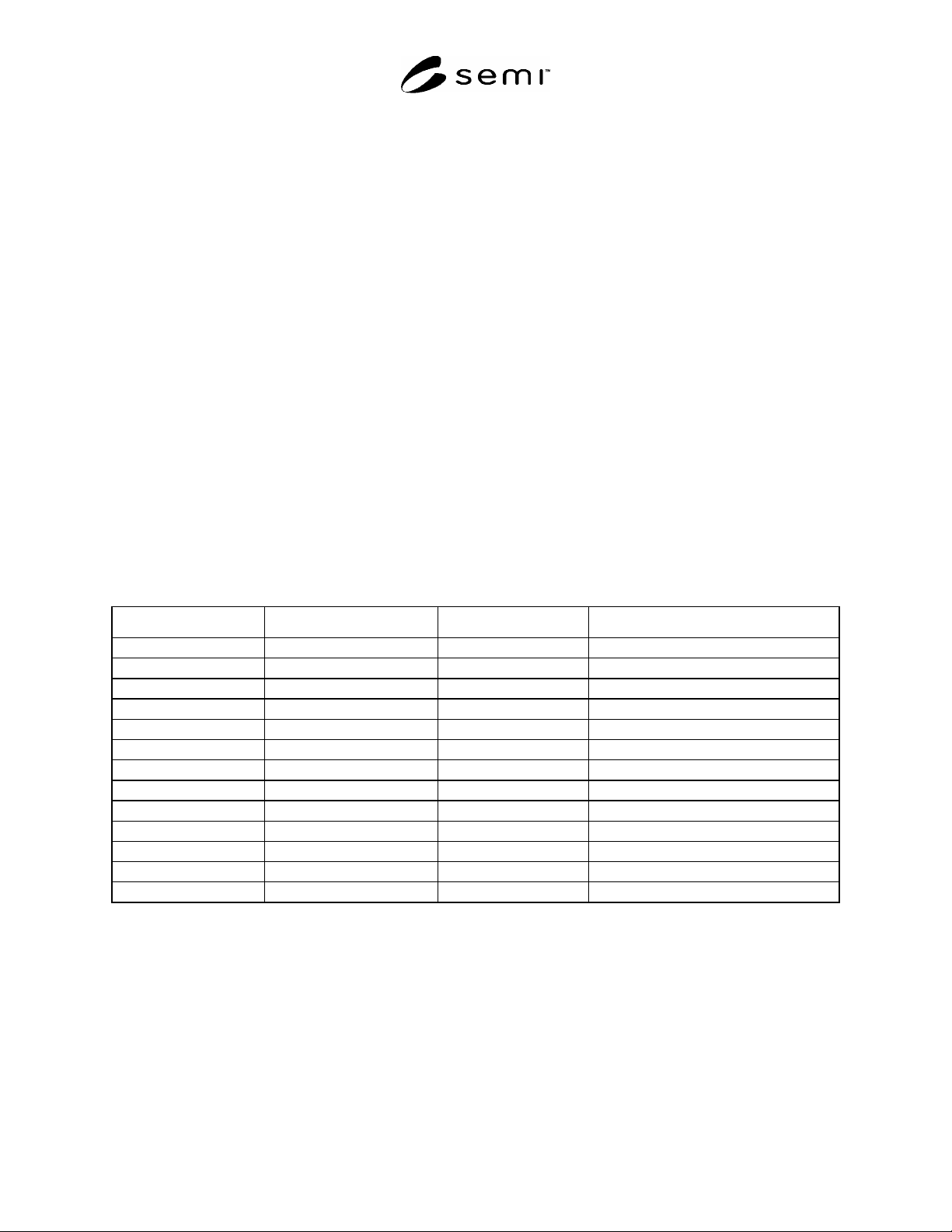
Table 1 Object Identifiers
Object Name A-LINK Class/Object ID CDM Object ID Tag CDM Attribute/Service ID Tag Prefix
Device Manager 1 DmI0 Dm
SAC 2 SacI0 Sac
Assembly 3 AsmIn Asm
Local Link 4 LnkIn Lnk
Sensor–AI 9 SenIn Sai
Sensor–EI 10 SenIn Sei
Sensor–BI 11 SenIn Sbi
Sensor–BI–TH 12 SenIn Sbith
Actuator–AO 17 ActIn Aao
Actuator–EO 18 ActIn Aeo
Actuator–BO 19 ActIn Abo
Controller 24 CntIn C
Application Objects >31 - -
7.5 Attributes
7.5.1 All attributes are accessible via Get_Attribute and Set_Attribute services defined in the sections below.
Attributes are also accessible via different A-LINK peculiar instructions which are additionally mapped in this
document based on attribute type.
7.5.1.1 The attributes of the DM object consists of distinctive information, states, and setups. Distinctive
information attributes are retrieved with the Unite Inventory. Inquiring state attributes are provided by getting status
data. Setup attributes are written by setting configuration data.
SEMI E54.##-0705 © SEMI 2005 5
7.5.1.2 The attributes of Application objects are divided into two types: Input/Output, settings, status and
Configuration. Input/Output attributes are acquired from or given through Data Exchange capability of A-LINK.
Configurable attributes can be retrieved with Unite Inventory capability.
7.5.1.3 See Table 2 for a list of DM attributes and their related alternative access instructions.
7.5.1.4 A-LINK Settings
7.5.1.4.1 Attributes related to general settings are accessed through Unite Inventory communication.
7.5.1.4.2 Structure of the Unite Inventory for a given SDM is beyond the scope of this document. The A-LINK
Trade Organization is responsible for the management of this information.
7.5.1.5 A-LINK States and Diagnostics
7.5.1.5.1 Attributes related to device state are categorized and handled as Unite State information. For example two
attributes of the DM object listed in Table 2 that are identified with an alternative access instruction of Unite States
are mapped into the A-LINK Unite States as specified in this section. See the A-LINK standard for a description of
the Unite States.
7.5.1.5.2 These two attributes are mapped into the Unite State data structure. Additional diagnostic data may be
included with DP Facility as specified by A-LINK.
7.5.2 A-LINK I/O Data Exchange
7.5.2.1 Input/Output attributes of the Application objects are communicated using the I/O Data Exchange
instruction of A-LINK. This instruction is described in the A-LINK standard. A list of which attributes are
accessible with this instruction is included in the A-LINK Device Profile for a given device type.
7.5.3 A-LINK Device Configuration
7.5.3.1 Configuration attributes of the DM object and Application objects are communicated using the Unite
Inventory Service of A-LINK. This service is described in the A-LINK standard. A list of which Application object
attributes are accessible with this instruction is included in the A-LINK Device Profile for a given device type.
7.5.3.2 Attribute Identifiers
7.5.3.2.1 Every class object specified in the CDM uses attribute identifier tags to identify its attributes. The tags are
formed with alphabetic part of its object identifier tag, a character ‘A’ for impressing attribute and a numerical
identifier of the attribute. The numerical identifier is assigned to the Attribute ID used in the A-LINK NCS for
classes DM, SAC, Assembly, Local Link, AE, S, A and C, as described in following tables: i.e. from Table 2
through Table 8.
7.5.3.2.2 Except Sensor-Binary Input Threshold (SBITH) class, the Attribute ID used in the A-LINK for derived
classes of Sensor and Actuator classes is assigned with the same manner as above.
7.5.3.2.3 For Sensor-Binary Input Threshold (SBITH) class, the Attribute ID used in the A-LINK starts from 128 to
prevent duplication with the numerical identifiers in CDM assigned and reserved to is parent class, SBI.
7.5.3.2.4 The A-LINK attribute ID is used to identify attributes for access via A-LINK message requests, which are
explained in later sections.
7.5.4 A-LINK Attribute Mappings for CDM
7.5.4.1 Device Manager (DM) Object –– The DM object is the device component responsible for managing and
consolidating the device operation as defined in the CDM standard. Attribute values including DM state are also as
same as defined in the CDM standard. The presentation of object instance attributes to the A-LINK network shall be
as indicated in Table 2.
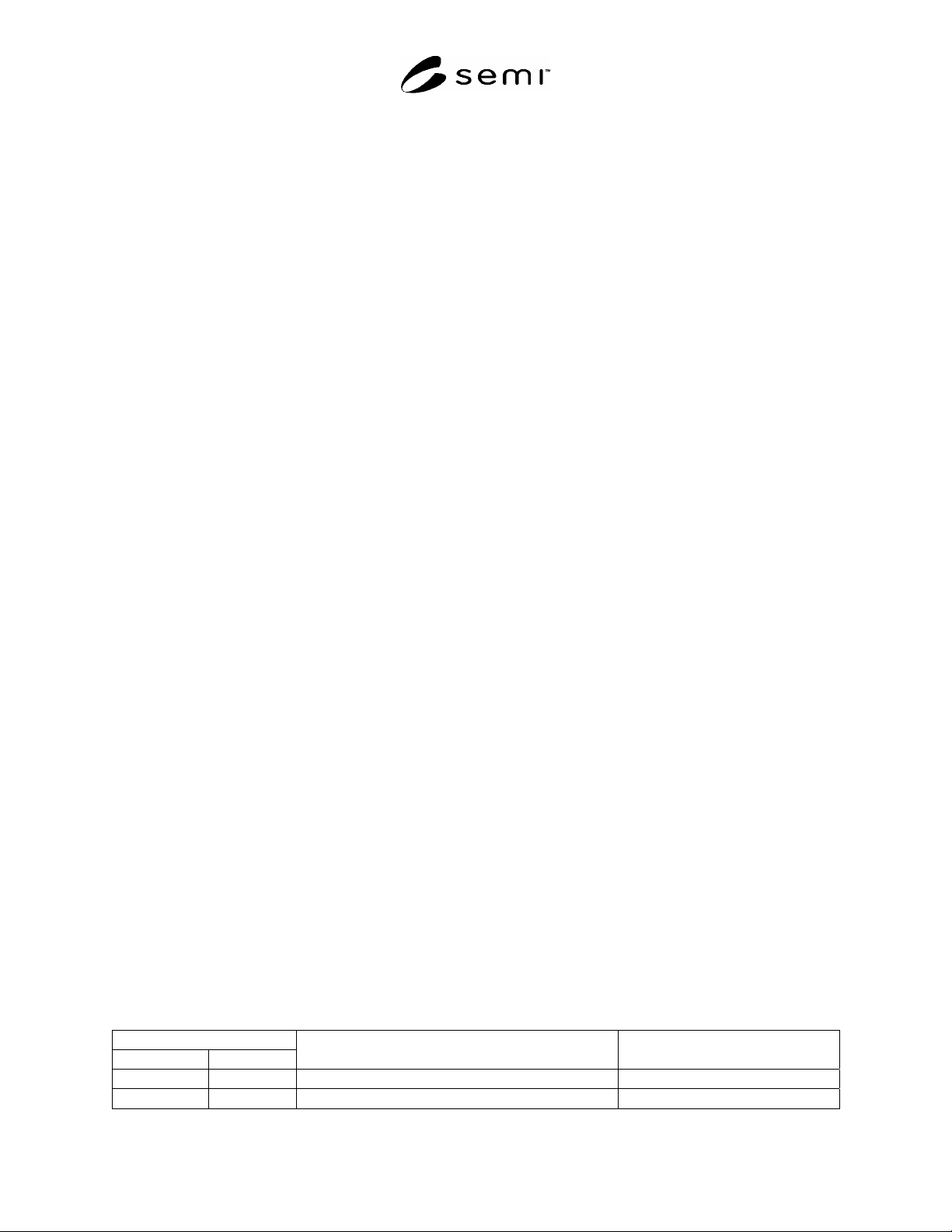
Table 2 DM Object Attribute Identifiers for A-LINK
Attribute ID
CDM A-LINK
Attribute Name Alternative Access
DmA1 1 Device Type Unite Inventory
DmA2 2 Standard Revision Level Unite Inventory
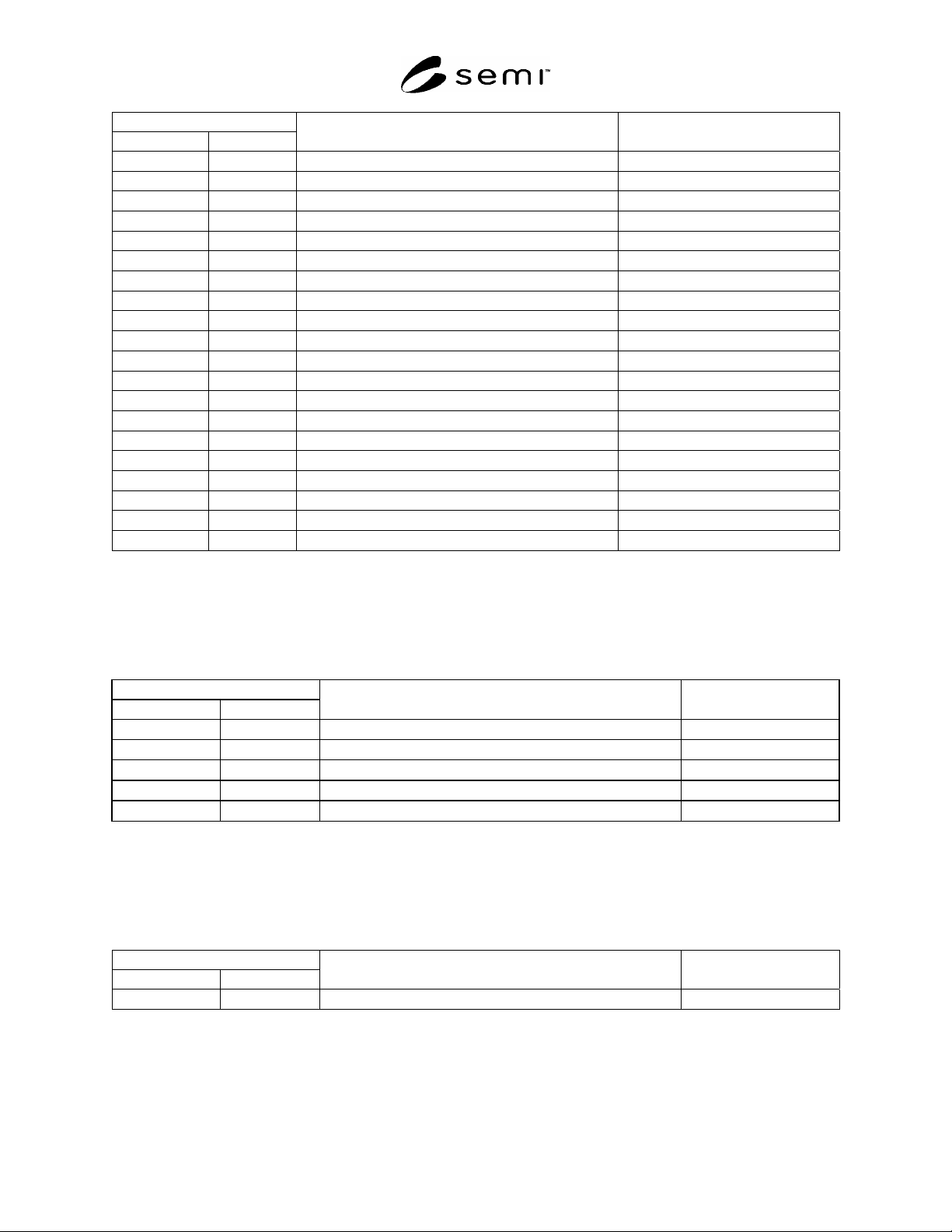
SEMI E54.##-0705 © SEMI 2005 6
Attribute ID
CDM A-LINK
Attribute Name Alternative Access
DmA3 3 Device Manufacturer Identifier Unite Inventory
DmA4 4 Manufacturer Model Number Unite Inventory
DmA5 5 Software or Firmware Revision Level Unite Inventory
DmA6 6 Hardware Revision Level Unite Inventory
DmA7 7 Serial Number Unite Inventory
DmA8 8 Device Configuration Unite Inventory
DmA9 9 Device Status Unite States
DmA10 10 Reporting Mode Unite Inventory
DmA11 11 Exception Status Report Interval Unite Inventory
DmA12 12 Exception Status Unite States
DmA13 13 Exception Detail Alarm Unite Inventory
DmA14 14 Exception Detail Warning Unite Inventory
DmA15 15 Visual Indicator Unite Inventory
DmA16 16 Alarm Enable Unite Inventory
DmA17 17 Warning Enable Unite Inventory
DmA18 18 Exception Detail Type Unite Inventory
DmA19 19 Exception Detail Alarm Queue Unite Inventory
DmA20 20 Exception Detail Warning Queue Unite Inventory
DmA21 21 Date and Time Unite Inventory
DmA22 22 Date and Time Type Unite Inventory
7.5.4.2 Sensor, Actuator, Controller (SAC) Object –– The SAC object is the device component responsible for
coordinating the interaction of the device with the sensory/actuation/control environment as defined in the CDM
standard. Attribute values including SAC state are also as same as defined in the CDM standard. The presentation of
object instance attributes to the A-LINK network shall be as indicated in Table 3.
Table 3 SAC Object Attribute Identifiers for A-LINK
Attribute ID
CDM A-LINK
Attribute Name Alternative Access
SacA1 1 Last Calibration Date DP Facility
SacA2 2 Next Calibration Date DP Facility
SacA3 3 Expiration Timer DP Facility
SacA4 4 Expiration Warning Enable DP Facility
SacA5 5 Run Hours DP Facility
7.5.4.3 Assembly Object (Asm) –– The Assembly (Asm) object instances may be used to provide for grouping more
than one attribute from one or more object instances as defined in the CDM standard. Attribute values are also as
same as defined in the CDM standard. The presentation of object instance attributes to the A-LINK network shall be
as indicated in Table 4.
Table 4 Assembly Object Attribute Identifiers for A-LINK
Attribute ID
CDM A-LINK
Attribute Name Alternative Access
AsmA1 1 Data Data Exchange
7.5.4.4 Local Link Object (Lnk) –– The Local Link (Lnk) object instances may be used to ‘link” an attribute of one
object instance to an attribute of another object instance as defined in the CDM standard. Attribute values are also as
same as defined in the CDM standard. The presentation of object instance attributes to the A-LINK network shall be
as indicated in Table 4.