semi合集-English.pdf - 第2171页
SEMI E54.16-0705 © SEMI 2005 16 /*--------------------------*/ u_char dev_exc_size; u_char dev_exc_dtl[9]; /*--------------------------*/ u_char mfr_exc_size; u_char mfr_exc_dtl[9]; } SNVT_exc_detail; 7.4 Sensor , Actuat…

SEMI E54.16-0705 © SEMI 2005 15
DS_ABORT_1 = 5,
DS_ABORT_2 = 6,
} dev_status_t;
7.3.4.4.1 The value DS_ABORT_1 corresponds to the Abort from Idle or Executing state, and the value
DS_ABORT_2 corresponds to the Abort from Initialized/Self Testing or Self Test Exception state of the DM object.
7.3.4.5 The type SNVT_exc_que(*) contains four fields specifying the exception queue and exception elements to
retrieve. For example, in Neuron C, the application programming language used on the Neuron Chip, the declaration
of SNVT_exc_que_mode is as follows:
typedef enum {
REP_ALARM = 0,
REP_WARNING = 1,
} que_t;
typedef struct {
que_t exception_type :1;
int element_number :1;
SNVT_state exception_list[13];
int exception_clear :1;
} SNVT_exc_que;
7.3.4.6 The type SNVT_exc_detail(*) is a sequence of three structures containing arrays. The ANSI/EIA/CEA-
709.1 protocol limits the size of each of these arrays to 9 bytes, so that the type fits within the network variable size
limit of 31 bytes. For example, in Neuron C, the declaration of SNVT_exc_detail is as follows:
typedef struct {
u_char comn_exc_size;
int calibration : 1;
int real_time : 1;
int communic : 1;
int RAM : 1;
int EEPROM : 1;
int EPROM : 1;
int microproc : 1;
int diagnostic : 1;
/*--------------------------*/
int resvd1 : 1;
int reset : 1;
int notify_mfr : 1;
int maintenance : 1;
int power_inputV : 1;
int power_outptV : 1;
int power_resvd : 1;
int power_overC : 1;
u_char comn_exc_dtl[7];
SEMI E54.16-0705 © SEMI 2005 16
/*--------------------------*/
u_char dev_exc_size;
u_char dev_exc_dtl[9];
/*--------------------------*/
u_char mfr_exc_size;
u_char mfr_exc_dtl[9];
} SNVT_exc_detail;
7.4 Sensor, Actuator, and Controller Functional Blocks — These functional blocks are necessarily specific to the
Specific Device Models. The L
ONMARK Application Layer Interoperability Guidelines provide a framework for
defining functional profiles. Specific Device Models may employ these functional profiles, and/or may define their
own functional profiles and Standard Network Variable Types for device-specific requirements. As long as the
functional profile definition guidelines are followed, these profiles may be proposed to the LONMARK
Interoperability Association as new standard profiles.
7.5 Assembly Object (Asm) – The Assembly (Asm) object instances may be used to provide for grouping more
than one attribute from one or more functional blocks in a device into a single data structure for communication over
the LonWorks network. The presentation of Assembly object instance attributes are indicated in Table 9. The
presentation of Assembly object services are indicated in Table 10.
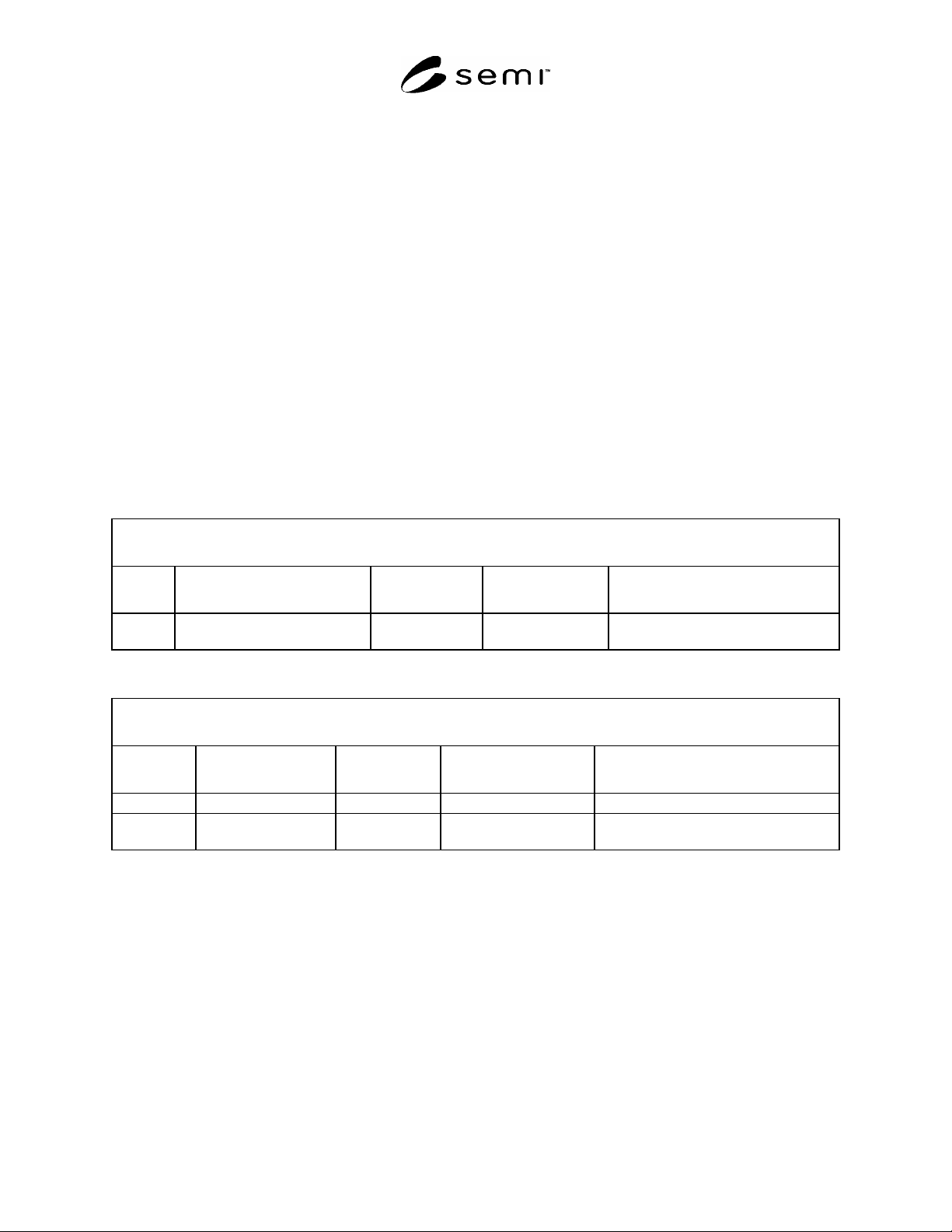
Table 9 Assembly Object Network Variables
Assembly Object (Asm)
Profile ID = 180.81, Instance ID = 01 through i
Sequence
Number
Name Storage Class CDM Tag Standard NV or CP Data Type
1 Data File AsmA1 LONMARK file transfer NVs and
messaging interface.
Table 10 Assembly Object Network Services
Assembly Object (Asm)
Profile ID = 180.81, Instance ID = 01 through i
Service
Request Code
Service Name CDM Tag Request Parameters Result Parameters
4 GetAttribute AsmS4 File transfer read File transfer – Context Specific.
5 SetAttribute AsmS5 File transfer write –
Context Specific
7.6 Local Link Object (Lnk) — The Local Link (Lnk) object instances may be used to “link” an attribute of one
object instance to an attribute of another object instance. Refer to SEMI E54.1 – CDM standard for further
explanation and use of this object. The presentation of Local Link object instance attributes are indicated in Table
11. The presentation of Local Link object services are indicated in Table 12.
SEMI E54.16-0705 © SEMI 2005 17
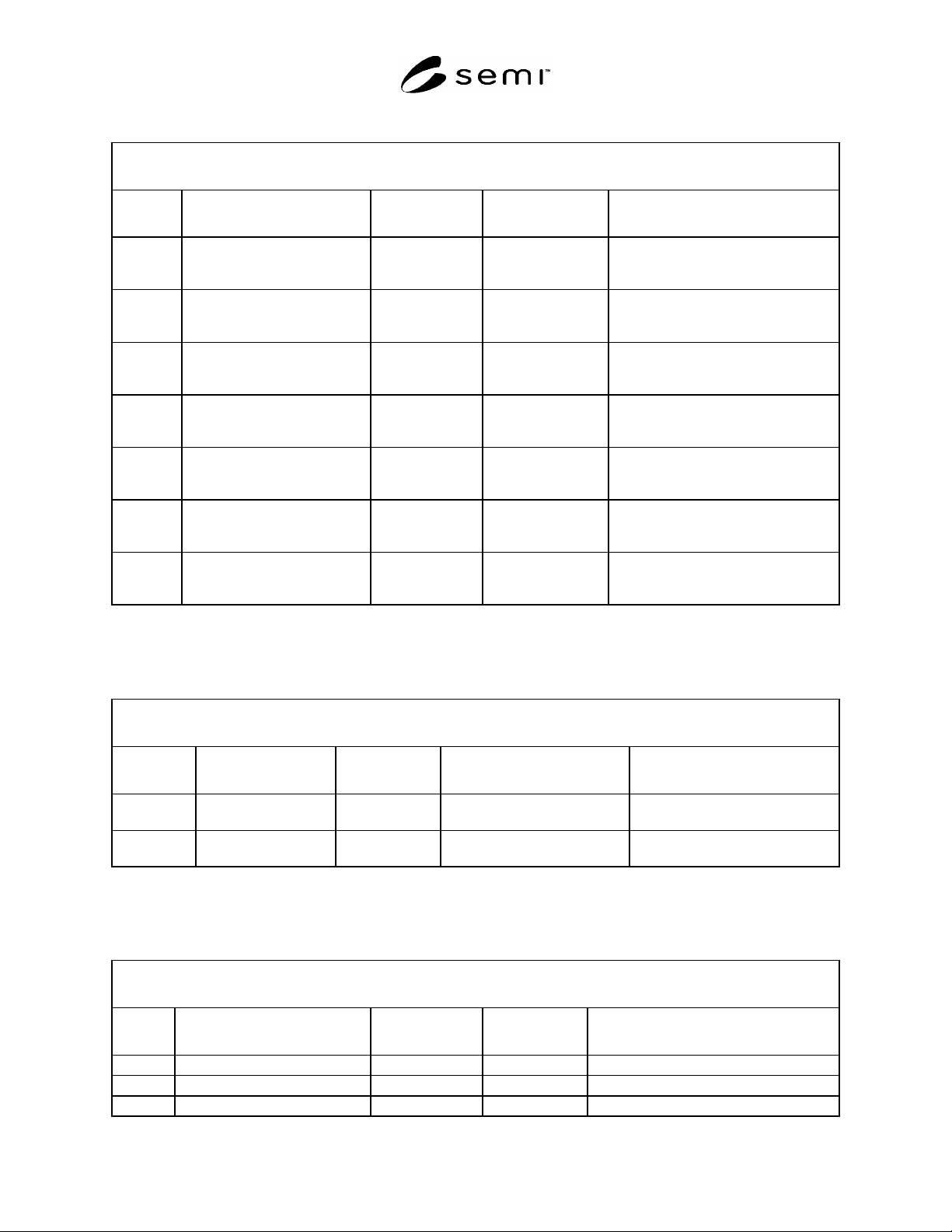
Table 11 Local Link Object Network Variables
Local Link Object (Lnk)
Sequence
Number
Name Storage Class CDM Tag Standard NV or CP Data Type
1 Source Object Class NV Config
Table/Address
Table
#1
LnkA1 SNVTlnk_context. The structure of this
SNVT in context specific.
2 Source Object Instance NV Config
Table/Address
Table
#1
LnkA2 SNVTlnk_context. The structure of this
SNVT in context specific.
3 Source Object Attribute NV Config
Table/Address
Table
#1
LnkA3 SNVTlnk_context. The structure of this
SNVT in context specific.
4 Destination Object Class NV Config
Table/Address
Table
#1
LnkA4 SNVTlnk_context. The structure of this
SNVT in context specific.
5 Destination Object Instance NV Config
Table/Address
Table
#1
LnkA5 SNVTlnk_context. The structure of this
SNVT in context specific.
6 Destination Object Attribute NV Config
Table/Address
Table
#1
LnkA6 SNVTlnk_context. The structure of this
SNVT in context specific.
7 Commit NV Config
Table/Address
Table
#1
LnkA7 SNVT_switch (TRUE, FALSE).
#1
This is not an NV or CP. It is configuration information contained within the device’s NV configuration table and address table that specifies
a network variable connection between two or more network variables on the device. It can only be used to connect network variables of the
same type. The link is created as soon as the tables are updated, so the Commit operation is not a separate step.
Table 12 Local Link Object Network Services
Local Link Object (Lnk)
Service
Request Code
Service Name CDM Tag Request Parameters Result Parameters
4 GetAttribute AsmS4 Read NV config table and
address table.
Attribute Value
5 SetAttribute AsmS5 Write NV config table and
address table.
7.7 Sensor-AI Object (Sai) — The presentation of the Sensor Analog Input (Sensor-AI) object instance attributes
are as indicated in Table 13. The presentation of the Sensor-AI object services is indicated in Table 14.
Table 13 Sensor-AI Object Instance Network Variables
Sensor-AI Object (Sai)
Profile ID = 180.11, Instance ID = 01 through k
Sequence
Number
Name Storage Class CDM Tag Standard NV or CP Data Type
1 Name CP SaiA1 Typedef unsigned char SCPTname (*)
#5
2 Status NVO SaiA2 nvoStatus output of the Sensor-AI Object
3 Alarm Enable NVI SaiA3 nviRequest input of the Sensor-AI Object