semi合集-English.pdf - 第3635页
SEMI E139.1-0705 © SEMI 2005 11 Figure 8 PDEparameter 7.1.4.8 PDEbody 7.1.4.8. 1 The PDEbody class is mapped to the XML complexTyp e also nam ed PDEbody. Table 9 shows that the PDEbody is of type xs:any. This type allows…
SEMI E139.1-0705 © SEMI 2005 10
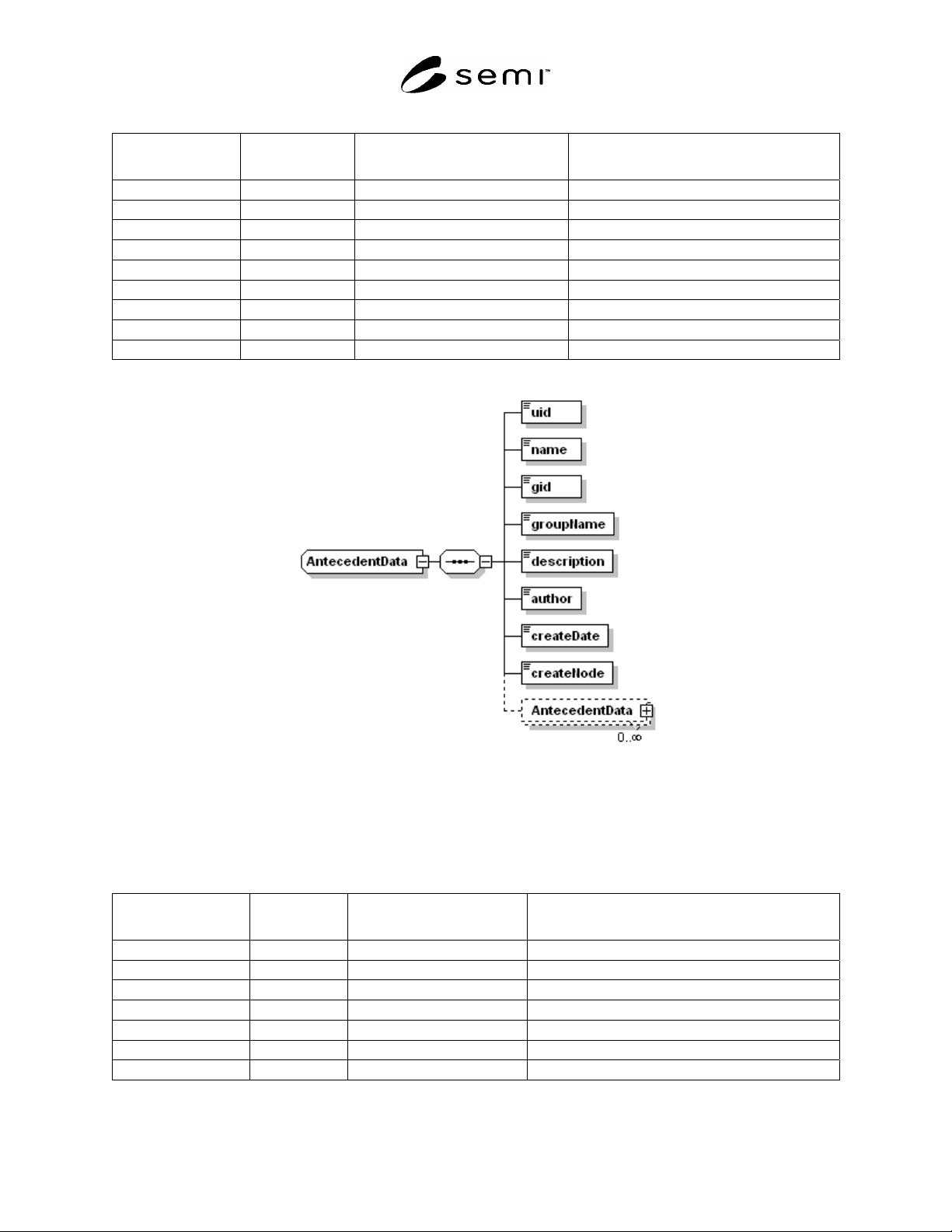
Table 7 Translation Table For AntecedentData
Attribute or Role
Name
UML Type
XML Element or Attribute
(or Reference)
XML Name/Type
uid UUID element uid (simpleType UUID)
name String element name (simpleType xs:string)
gid UUID element gid (simpleType UUID)
groupName String element groupName (simpleType xs:string)
description String element description (simpleType xs:string)
author String element author (simpleType xs:string)
createDate Time element createDate (simpleType xs:dateTime)
createNode String element createNode (simpleType xs:string)
AntecedentData aggregation element [0..] AntecedentData (complexType)
Figure 7
AntecedentData
7.1.4.7 PDEparameter
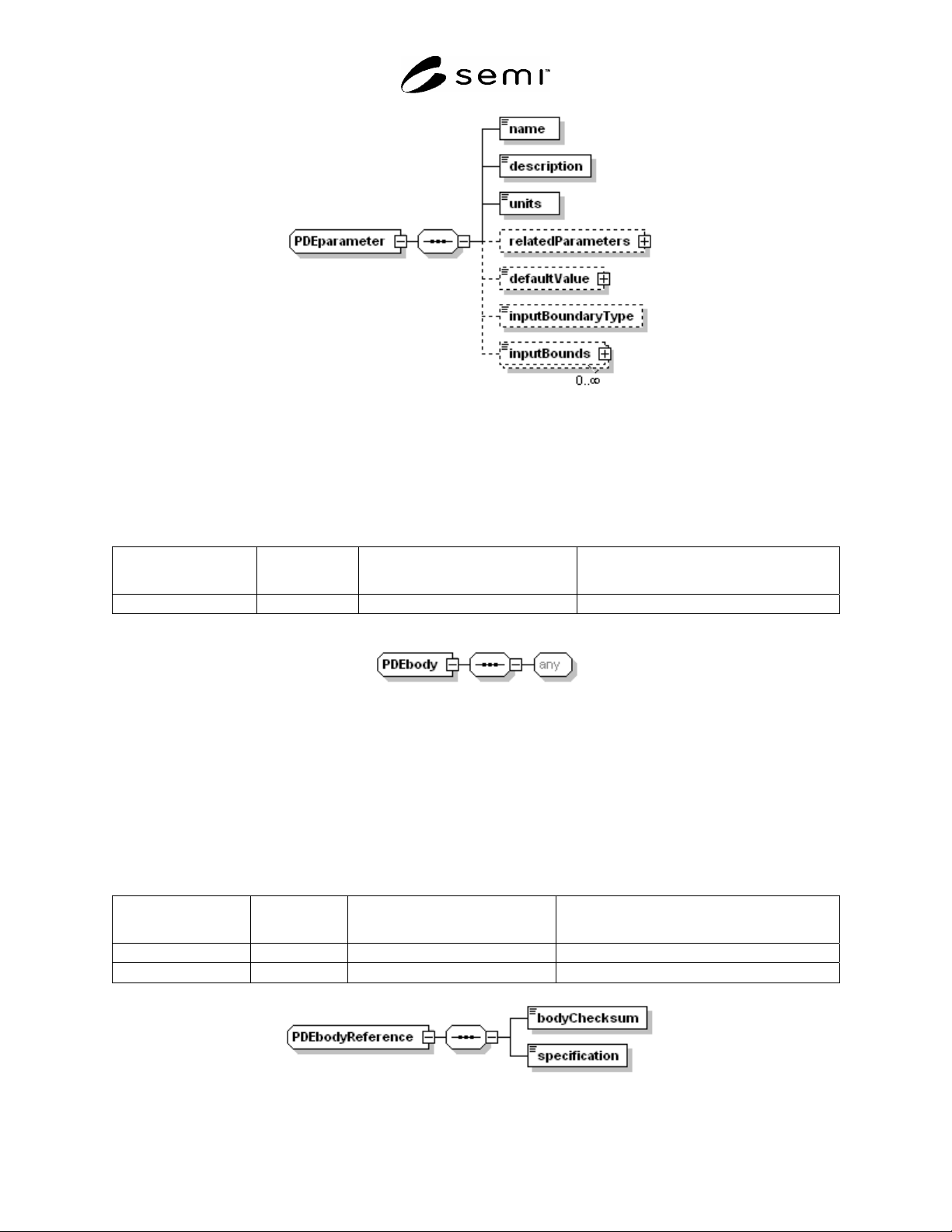
7.1.4.7.1 The PDEparameter class is mapped to the XML complexType also named PDEparameter. Table 8 shows
how the attributes of PDEparameter are mapped to XML. The resulting XML structure is illustrated in Figure 8.
Table 8 Translation Table For PDEparameter
Attribute or Role Name UML Type
XML Element or Attribute
(or Reference)
XML Name/Type
name String element name (simpleType xs:string)
description String element description (simpleType xs:string)
units String element units (simpleType xs:string)
relatedParameters list of String element [0..1] relatedParameters (complexType ListOfStrings)
defaultValue Any element [0..1] defaultValue (complexType xs:anyType)
inputBoundaryType Enumeration element [0..1] inputBoundaryType (enumeration inputBoundsType)
inputBounds Any element [0..] inputBounds (complexType xs:anyType)
SEMI E139.1-0705 © SEMI 2005 11
Figure 8
PDEparameter
7.1.4.8 PDEbody
7.1.4.8.1 The PDEbody class is mapped to the XML complexType also named PDEbody. Table 9 shows that the
PDEbody is of type xs:any. This type allows the implementation to place elements and attributes in an instance of
PDEbody without restriction. The resulting XML structure is illustrated in Figure 9.
Table 9 Translation Table For PDEbody
Attribute or Role Name UML Type
XML Element or Attribute
(or Reference)
XML Name/Type
none n/a element or attribute [0..] user defined
Figure 9
PDEbody
7.1.4.9 PDEbodyReference
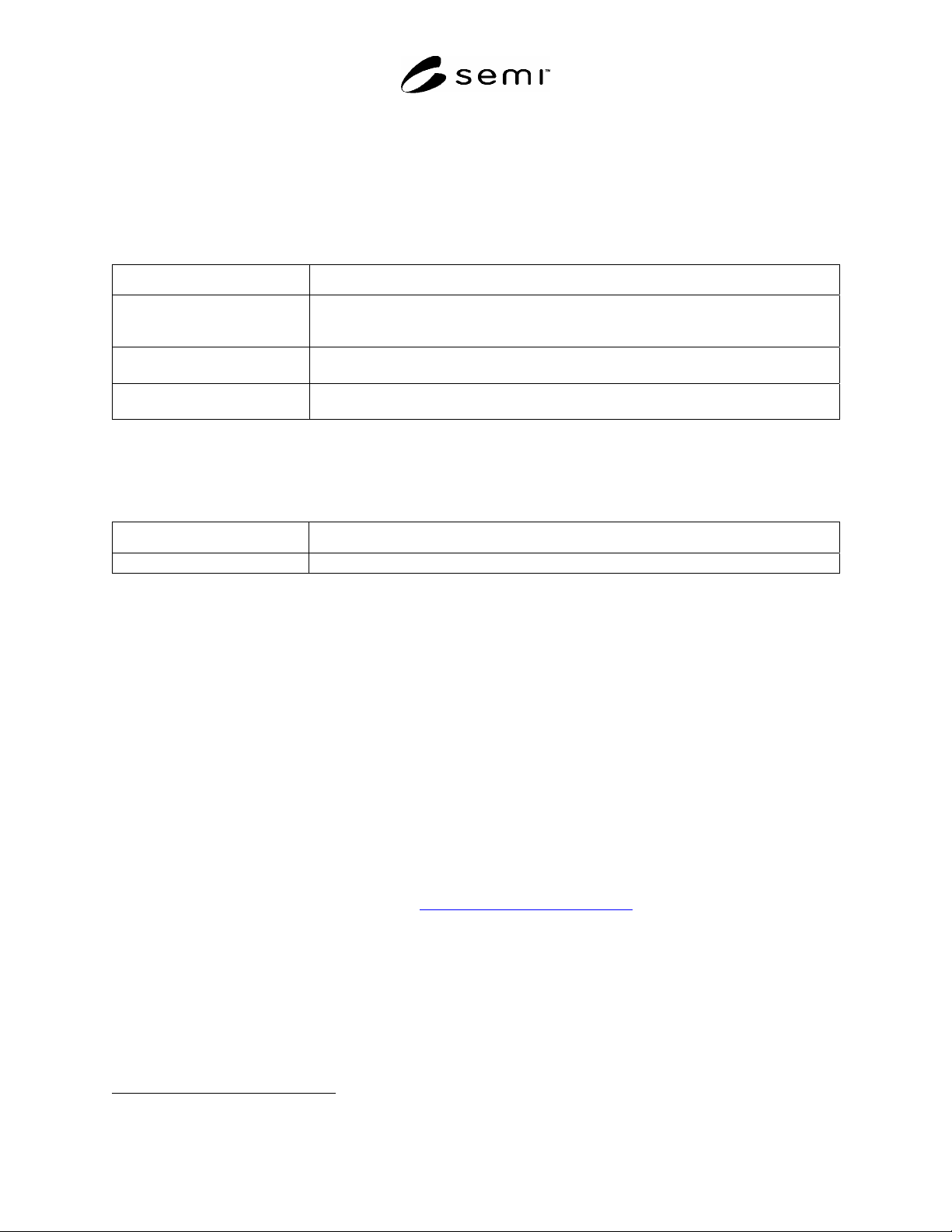
7.1.4.9.1 The PDEbodyReference class is mapped to the XML complexType also named PDEbodyReference.
Table 10 shows how the attributes of PDEbodyReference are mapped to XML. The resulting XML structure is
illustrated in Figure 10.
7.1.4.9.2 See ¶7.2.1 for instructions on the calculation of the value of the bodyChecksum element.
Table 10 Translation Table For PDEbodyReference
Attribute or Role Name UML Type
XML Element or Attribute
(or Reference)
XML Name/Type
bodyChecksum Checksum element bodyChecksum (simpleType Checksum)
specification String element specification (simpleType xs:string)
Figure 10
PDEbodyReference
SEMI E139.1-0705 © SEMI 2005 12
7.1.5 Added XML Constructs
7.1.5.1 In the process of translating the UML model for the PDE into a useful XML schema, is was necessary to
add certain types and constructs to the schema. This section describes these XML constructs.
7.1.5.2 XML simpleTypes
7.1.5.2.1 Table 11 describes each simpleType
2
added to the PDE schema.
Table 11 simpleTypes In The PDE Schema
Type
Description
UUID
Holds a standard 36-character uuid string. The pattern is defined as five groups of
characters, each separated by the “-“ character. Here is an example value in UUID format:
“44BBA855-CC51-11CF-AAFA-00AA00B6015C”.
Checksum
Holds a 128-bit MD5 checksum value. The simpleType is hexBinary – 32 characters
representing 4 bits each (16 bytes).
InputBoundsType
This construct defines the enumerated choices (List or Range) needed for the attribute
inputBoundsType of PDEparameter.
7.1.5.3 Added XML complexTypes
7.1.5.3.1 Table 12 describes each complexType
2
added to the PDE schema.
Table 12 complexTypes In The PDE Schema
Type
Description
ListOfStrings Holds a collection of zero or more strings.
7.2 Requirements For PDE Schema
7.2.1 This section contains all requirements specified for the PDE Schema. ¶7.1 above is included for
documentation purposes.
7.2.2 Checksum Calculation
7.2.2.1 The method for calculation of checksum values is specified by the SEMI E139 RaP standard to be MD5.
The MD5 calculation processes a sequence of bytes (or octets) to yield the checksum value. This section specifies
that sequence of bytes for the PDE and external PDEbody.
7.2.2.2 PDE Checksum
7.2.2.2.1 The PDE checksum element value shall be calculated based on the XML instance document for the PDE.
This applies to PDEs that have internal PDEbodies and also to those that do not.
7.2.2.2.2 XML documents can contain white space and layout information that is independent of the XML content.
So, two XML documents that have identical XML content might not be identical byte for byte. Allowance has been
made for these differences.
7.2.2.2.3 The W3C recommendation xml-c14n (
http://www.w3c.org/TR/xml-c14n
) defines a method for creating a
canonical form of an XML document. This canonicalization process eliminates the white space and layout
information from the checksum calculation. The xml-c14n recommendation shall be applied in the following way:
The checksum calculation shall be performed on a canonicalized form of the RaP:PDE element. The
computation of the checksum shall be equivalent to the procedure described below:
o In the RaP:PDE element of the original PDE replace the value of the 'checksum' element by
00000000000000000000000000000000 (that is, 32 zeroes).
2 “simpleType” and “complexType” are XML terms (see also “xs:simpleType” and “xs:complexType”).